

 Previzualizare
 Trimite prin felicitare
 Distribuie
 Detalii despre lucrare
 Ghid
Ghid

 Descarcă imaginea
 Produse similare
 Radiografie
 Galerie foto
 Q&A
Q&A Statistici
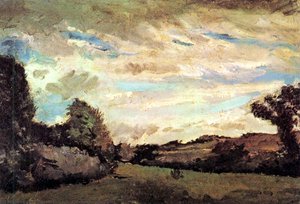
PAYSAGE GRAND CIEL


Admirați lucrarea impresionistă „PAYSAGE GRAND CIEL” de Léon Riesener! O reproducere autentică pentru iubitorii artei romantice și impresioniste, cu detalii impresionante și culori vibrante.
 Vezi mai mult
Discover Léon Riesener's vibrant paintings! A precursor of Impressionism, he masterfully blended color & light, capturing nature’s beauty. Explore his unique style.
Giclée / Imprimare artistică
Printuri giclée sau pe canvas de calitate muzeală, cu proces de producție rapid și opțiuni flexibile de finisare. ( Comandă pictură realizată manual Comută pe Imagine Digitală)




P118B lei10

P118H lei10

P118W lei10

P438Z lei10

P508JH lei12

P508YH lei12

P805H lei10

P805Z lei10

P919BZ lei10

P919G lei10

P919XJ lei10

P959ZH lei10

P968JZ lei12

W106C lei8

W218G lei10

W218JH lei8

W218Y lei10

W307PJ lei10

W316G lei10

W316PJ lei8

W316Y lei10

W398PJ lei8

W4111J lei10

W500HY lei15

W500JH lei15

W692G lei12

W849H lei8

W940BG lei15

W953PJ lei8




Standard
personalizat
CM
INCH
Alegeți dintre dimensiunile noastre prestabilite, care respectă proporțiile originale ale operei de artă.
Loading sizes...

lățime
înălțime
Introduceți lățimea și înălțimea necesare pentru a se potrivi ramei sau peretelui dumneavoastră. O printare poate fi doar tăiată, niciodată extinsă dincolo de dimensiunea imaginii originale, astfel încât o dimensiune cu o formă diferită va pierde o parte din imagine. Vă trimitem o simulare digitală pentru aprobare înainte de a imprima orice. Imaginea afișată pe această pagină nu prezintă tăierea reală — doar simularea arată acest lucru.
Livrare în întreaga lume () în 2 săptămâni, în loc de cele 4/5 săptămâni standard. (2 Noiembrie)

Livrare expres gratuită la nivel mondial

Pânză de in de înaltă calitate

Asigurare completă pentru transport

Garanție de rambursare a taxelor vamale

Garanția fidelității culorilor

Politica de retur în 100 de zile (doar pentru defecte de fabricație)

Garanție de rambursare 100%

Ofertă pentru comenzi multiple
 Opțiunea cu sticlă este disponibilă doar pentru dimensiuni de sub 110 cm

PAYSAGE GRAND CIEL
Giclée / Imprimare artistică
Dimensiune reproducere
-


Preț total calculat
lei 327
PAYSAGE, GRAND CIEL – Un Voyage au Cœur du Romantisme Impressionniste
Léon Riesener (1808 – 1878) demeure une figure remarquable dans l'histoire de la peinture française romantique, reconnu non seulement pour son œuvre artistique mais aussi pour sa démarche scientifique audacieuse et son dévouement sans faille à capturer la beauté naturelle avec une richesse chromatique inédite. Né dans une lignée artistique – son père, Henri-François Riesener, était lui-même peintre – les premières années de Riesener furent marquées par une étude minutieuse des divisions tonales, précédant l'éclatement théorique de Chevreul sur la couleur de plusieurs décennies. Cette curiosité intellectuelle alimentait sa quête incessante de perfection dans l’expression artistique, notamment dans la représentation du toucher humain – témoignage d’une sensibilité tactile et d’un désir ardent de réalisme. Cette étude approfondie des œuvres de Rubens, Veronese et Correggio lui permettait d'absorber leurs stratégies compositives et de maîtriser leur utilisation magistrale des palettes chromatiques.Les Influences Précoces : Au-Delà de la Théorie Scientifique
Riesener n’était pas seulement un observateur attentif ; il était animé par une véritable passion pour la science du couleur, une approche novatrice qui le distinguait de ses contemporains et lui ouvrait les portes d'une compréhension profonde des mécanismes visuels. Avant que Chevreul ne formule sa théorie révolutionnaire sur la perception des couleurs, Riesener avait déjà exploré les principes fondamentaux du mélange pigmentaire et de la dispersion lumineuse – techniques qu’il allait ensuite adopter avec succès les peintres impressionnistes tels Monet et Renoir. Cette démarche scientifique nourrissait son désir d'imiter la puissance expressive de Rubens, considéré comme « Shakespeare de la peinture », reconnaissant sa capacité à insuffler émotion dans les œuvres narratives visuelles.Un Style Romantique Éclairé : La Lumière et l’Émotion au Service du Paysage
La peinture de Riesener se caractérise par une rupture avec les conventions artistiques dominantes de son temps, notamment le rejet des contours définis – préférant les ombres et le modelage pour donner vie aux formes et traduire la profondeur atmosphérique. Cette décision audacieuse reflétait une volonté profonde d’émouvoir le spectateur autant qu'il cherchait à reproduire fidèlement la réalité extérieure. Il souhaitait capturer l’essence même du paysage, en utilisant des couleurs vives et lumineuses pour évoquer les sensations et les émotions liées à la nature environnante. Cette approche artistique témoigne d’une sensibilité esthétique exceptionnelle et d’une maîtrise technique remarquable.La Technique : Une Approche Wet-on-Wet Pour une Atmosphère Captivante
Riesener maîtrisait parfaitement les techniques picturales de son époque, notamment l'approche « wet-on-wet », qui lui permettait d'obtenir des effets de fusion et de transparence des couleurs – une méthode privilégiée par les peintres impressionnistes pour créer une atmosphère imprégnée de lumière et de mouvement. Cette technique exigeait une grande précision et une patience considérable, mais elle était essentielle pour traduire la beauté fugace du paysage et donner aux œuvres une profondeur émotionnelle inégalée. Les pinceaux étaient utilisés avec une liberté expressive, laissant apparaître les irrégularités naturelles du matériau et créant une texture riche et complexe qui invitait à l'observation attentive.Un Paysage Tranquille et Évocateur : Symbole d’Harmonie Naturelle
Bien que dépourvu de personnages ou d’éléments narratifs explicites, le paysage peint par Riesener évoque une profonde harmonie avec la nature environnante – un sentiment de sérénité et de contemplation qui résonne encore aujourd'hui chez les amateurs d’art. Cette œuvre est bien plus qu’une simple représentation visuelle ; elle est une invitation à ressentir la beauté du monde extérieur et à laisser parler son esprit artistique. Riesener, avec sa vision romantique éclairée et son souci de précision technique, demeure un artiste dont l'œuvre continue d'inspirer les générations futures.Întrebări și răspunsuri
Care este luminozitatea percepută a lucrării "PAYSAGE GRAND CIEL" de Léon Riesener?
În general, "PAYSAGE GRAND CIEL" este înregistrată ca având o strălucitor. Luminozitatea percepută descrie cât de deschisă sau întunecată pare lucrarea.
În ce tehnică este realizată lucrarea "PAYSAGE GRAND CIEL" de Léon Riesener?
Tehnica utilizată pentru "PAYSAGE GRAND CIEL" de Léon Riesener este Ulei pe pânză, iar reproducerile urmăresc să reducă aspectul acestei tehnici.
Ce paletă de culori utilizează "PAYSAGE GRAND CIEL"?
Paleta lui "PAYSAGE GRAND CIEL" de Léon Riesener este descrisă ca fiind Culori neutre, oferind o descriere concisă a culorilor lucrării.


Biografie artist
Léon Riesener: A Pioneer of Romantic Color
Léon Riesener (1808 – 1878) stands as a singular figure in the burgeoning landscape of French Romantic painting, recognized not merely for his artistic output but also for his groundbreaking exploration into the science of color and his unwavering dedication to capturing the essence of nature with unprecedented vibrancy. Born into an artistic lineage—his father, Henri-François Riesener, was himself a painter—Léon’s formative years instilled in him a profound appreciation for visual artistry and propelled him toward mastering the craft from a young age. His early training under Antoine-Jean Gros solidified his understanding of studio practice and established a foundation for his future endeavors.- Early Influences: Riesener's artistic journey commenced with a meticulous study of tonal divisions, predating Chevreul’s scientific breakthrough into color theory by several decades. This intellectual curiosity fueled his pursuit of perfection in artistic expression, particularly concerning the depiction of skin texture—a testament to his tactile sensitivity and desire to convey realism.
- Rubensian Reverie: Riesener harbored an ardent admiration for Rubens, whom he considered “the Shakespeare of painting,” recognizing his masterful ability to infuse emotion into visual narratives. This influence profoundly shaped Riesener’s artistic sensibilities, guiding him toward a style characterized by dramatic lighting and expressive modeling.
- Scientific Exploration & Artistic Technique: Driven by scientific rigor, Riesener investigated the principles of color mixing and pigment dispersion—techniques that would later become integral to Impressionist painters like Monet and Renoir. He meticulously analyzed the works of Titian, Veronese, and Correggio, absorbing their compositional strategies and mastering their masterful use of color palettes.
The Pursuit of Authentic Representation
Riesener’s artistic vision centered on conveying “the heat of the day, the melancholy of the evening,” mirroring his fascination with capturing the subtleties of natural phenomena. Unlike many of his contemporaries who adhered to academic conventions—primarily focusing on idealized forms and muted tones—Riesener championed a bold approach characterized by pure colors and contrasting hues. He deliberately eschewed blacks and whites for shading, prioritizing visual impact over strict adherence to traditional methods. This revolutionary technique reflected his belief that art should strive for an honest portrayal of reality, mirroring the spirit of Impressionism.- Breaking Tradition: Riesener’s refusal to employ conventional contours—instead favoring shadows and modeling—represented a decisive departure from artistic dogma. He sought to emulate Rubens's expressive style, prioritizing emotional resonance over precise anatomical accuracy.
- Salon Resistance & Artistic Integrity: Riesener faced considerable opposition from Salon juries and the Institut de France during his lifetime, who deemed his experimental methods unacceptable. Despite these challenges, he remained steadfast in his commitment to artistic integrity, pursuing his vision with unwavering determination.
Notable Works & Legacy
Riesener’s oeuvre encompasses a diverse range of landscapes and genre scenes—particularly portraits imbued with psychological depth—demonstrating his versatility as an artist. Among his most celebrated paintings are “Fountain,” “Venus et Amour,” and “Léda”—each piece exemplifies his masterful blending of color and light, capturing the beauty of nature and exploring profound emotional themes. His work anticipates many developments in Impressionist painting, establishing him as a pivotal precursor to this influential artistic movement. Riesener’s enduring legacy resides not only in his individual artworks but also in his pioneering contribution to the advancement of color theory and his unwavering advocacy for authentic representation—a testament to his singular vision and lasting impact on art history.Further Exploration
You can find more information about Léon Riesener’s artistic achievements at The Art Institute of Chicago. Also, delve into Eugène Delacroix's portrayal of Riesener in “Léon Riesener (1808–1878)” on the Metropolitan Museum of Art’s website: The Metropolitan Museum of Art.
Léon Riesener
1808 - 1878
Detalii rapide
- Full Name: Louis Antoine Léon Riesener
- Nationality: French
- Date Of Birth: 1808
- Date Of Death: 1878
- Place Of Birth: France
- Notable Artworks:
- Fountain
- Venus et Amour
- Léda
- Artistic Movement Or Style: Romantic Painter; Impressionism precursor
- Artists Who Influenced This Artist:
- Rubens
- Titian
- Veronese
- Correggio
- Artists Or Movements Influenced By This Artist: ['Impressionism']
Articole similare

Capturing the Soul: The Emotional Magic and Sublime Grandeur of Romantic Landscape Painting
Explore the profound emotional depth of Romantic landscape painting. Discover how masters like Friedrich and Turner captured the sublime through light, shadow, and nature's power in this expert art history retrospective for discerning collectors.

Capturing the Mist: The Timeless Beauty of British Landscape Impressionism
Explore the ethereal beauty of British Landscape Impressionism. Discover how masters captured light and mist through plein air techniques, offering a profound connection to the English countryside's timeless, atmospheric soul.
Capturing the Soul: The Emotional Majesty and Sublime Power of Romantic Landscape Painting
Explore the profound emotional depth of Romantic landscape painting. Discover how masters like Turner and Friedrich captured the sublime power of nature through intuition and imagination in this expert art history retrospective.
Explorați opere de artă organizate pe teme, stiluri și caracteristici.
