


 Vezi în context
 Trimite
 Distribuie
 Detalii
 Ghidul

 Descarcă
 Produse similare
 Radiografie
 Diaporama
 Statistici
Carnival in Arcueil


Lyonel Feininger's "Carnival in Arcueil" (1911) bursts with Expressionist energy! Witness vibrant colors, dynamic figures, and a captivating Parisian carnival scene – a masterpiece by a pioneering artist.
 Citește mai mult
Descoperă Lyonel Feininger (1871-1956), pictor german și maestru Bauhaus! Explorează stilul său unic combinând cubism, estetici ale sticării colorate și teme arhitecturale. Înspiră-te din operele sale inovatoare!
Giclée / Imprimare artistică
Printuri giclée sau pe canvas de calitate muzeală, cu proces de producție rapid și opțiuni flexibile de finisare. ( Comandă pictură realizată manual Treci la imagine digitală)




P118B lei10

P118H lei10

P118W lei10

P438Z lei10

P508JH lei12

P508YH lei12

P805H lei10

P805Z lei10

P919BZ lei10

P919G lei10

P919XJ lei10

P959ZH lei10

P968JZ lei12

W106C lei8

W218G lei10

W218JH lei8

W218Y lei10

W307PJ lei10

W316G lei10

W316PJ lei8

W316Y lei10

W398PJ lei8

W4111J lei10

W500HY lei15

W500JH lei15

W692G lei12

W849H lei8

W940BG lei15

W953PJ lei8




Dimensiuni standard
personalizat
CM
INCH
Alegeți dintre dimensiunile noastre prestabilite, care respectă proporțiile originale ale operei de artă.
Loading sizes...

lățime
înălțime
Introduceți lățimea și înălțimea de care aveți nevoie, pentru a se potrivi ramei sau peretelui dumneavoastră. O printare poate fi doar tăiată, niciodată extinsă dincolo de dimensiunea imaginii originale, astfel încât o dimensiune cu o formă diferită va pierde o parte din imagine. Vă trimitem o simulare digitală pentru aprobare înainte de a imprima orice. Imaginea afișată pe această pagină nu prezintă tăierea reală — doar simularea arată acest lucru.
Livrare în întreaga lume () în 2 săptămâni, în loc de cele 4/5 săptămâni standard. (20 Octombrie)

Livrare expres gratuită la nivel mondial

Pânză de in premium

Asigurare completă pentru transport

Garanție de rambursare a taxelor vamale

Garanția fidelității culorilor

Politica de retur în 100 de zile (doar pentru defecte)

Garanție de rambursare 100%

Reducere pentru comenzi multiple
 Opțiunea cu sticlă este disponibilă doar pentru dimensiuni de sub 110 cm

Carnival in Arcueil
Giclée / Imprimare artistică
Dimensiune reproducere
-


Preț total
lei 316
A Burst of Joy: Lyonel Feininger’s “Carnival in Arcueil”
Lyonel Feininger's "Carnival in Arcueil," painted in 1911, isn’t merely a depiction of a festive street scene; it’s a vibrant distillation of Expressionist energy and a testament to the artist’s unique ability to imbue everyday life with an extraordinary sense of movement and emotion. Housed within the Art Institute of Chicago, this oil on canvas transports us to the heart of a Parisian carnival, capturing not just the visual spectacle but also the palpable excitement and slightly surreal atmosphere that defines the moment. Feininger, a German-American painter deeply rooted in both European artistic traditions and American popular culture, masterfully blends elements of Cubism with the passionate intensity of Expressionism, creating an image that is both familiar and strikingly original.
The painting immediately draws the eye to its central figure: a man in black, balancing precariously on one leg while juggling three balls. This dynamic pose isn’t simply illustrative; it embodies the spirit of the carnival itself – a celebration of skill, daring, and joyful abandon. Surrounding him is a throng of figures, rendered with a remarkable degree of detail despite the overall impression of movement. They are not portraits in the traditional sense, but rather archetypes of carnival revelers—a mix of faces, costumes, and gestures that collectively contribute to the painting’s lively energy. The artist's use of color is particularly noteworthy; bold yellows, reds, blues, and greens dominate the palette, creating a dazzling visual effect that mirrors the vibrancy of the event itself.
The Architectural Backdrop: Bridges and Parisian Identity
Beyond the figures, it’s crucial to consider the setting – two prominent bridges that frame the scene. These aren't merely architectural elements; they are integral to the painting’s narrative. Arcueil, a town just south of Paris, was a frequent subject for Feininger, and these bridges became recurring motifs in his work. They represent not only the physical connection between different parts of the city but also a sense of Parisian identity—a blend of urban dynamism and historical heritage. The bridges’ solid forms provide a grounding element to the swirling chaos of the carnival, anchoring the scene within a recognizable, yet subtly stylized, reality.
Feininger's fascination with architecture is evident throughout his oeuvre, reflecting a broader interest in geometric form and spatial relationships. He often depicted buildings not as static objects but as dynamic forces shaping the urban landscape. In “Carnival in Arcueil,” the bridges serve as both structural supports and visual anchors, guiding the viewer’s eye through the composition and contributing to the painting's overall sense of depth and movement.
Expressionist Techniques: Color, Form, and Emotion
The painting’s distinctive style is firmly rooted in Expressionism—a movement that sought to convey subjective emotions rather than objective reality. Feininger achieves this through a number of key techniques. His use of flattened perspective and fragmented forms creates a sense of disorientation and immediacy, as if the viewer is swept up in the carnival's frenetic energy. The colors are applied with thick impasto—a technique that adds texture and physicality to the surface of the canvas—further enhancing the painting’s emotional impact.
Furthermore, Feininger employs a masterful use of color theory. He utilizes contrasting hues to heighten visual interest and create a sense of dynamism. The vibrant yellows and reds of the carnival scene are juxtaposed with cooler blues and greens in the background, generating a powerful visual tension. This interplay of colors not only captures the sensory experience of the carnival but also reflects the artist’s own emotional response to it—a mixture of excitement, wonder, and perhaps even a touch of melancholy.
A Legacy of Modernity: Feininger's Place in Art History
“Carnival in Arcueil” stands as a pivotal work in Lyonel Feininger’s career and a significant example of early 20th-century art. His exploration of urban life, combined with his innovative use of color and form, foreshadowed many of the developments that would characterize modernism. The painting's influence can be seen in the works of later Expressionist artists such as Max Beckmann and Emil Nolde, while its stylistic elements also resonate with the Cubist explorations of Picasso and Braque.
Today, “Carnival in Arcueil” continues to captivate viewers with its vibrant energy and emotional depth. It’s a reminder of the power of art to capture not just what we see but also what we feel—a celebration of joy, movement, and the enduring spirit of human connection.
Întrebări și răspunsuri
Ce dimensiune este recomandată pentru "Carnival in Arcueil" într-un Living Room?
Pentru o Living Room, dimensiunea recomandată de imprimare pentru "Carnival in Arcueil" de Lyonel Feininger este Medium.
Este "Carnival in Arcueil" reprezentativ pentru ceea ce crea în mod obișnuit Lyonel Feininger?
"Carnival in Arcueil" înfățișează carnival, arcueil, feininger, expressionism, bridge, figures, joy, celebration, în timp ce temele recurente ale lui Lyonel Feininger sunt german expressionism, vibrant colors, post-impressionist, architectural focus, urban life, festive scenes, feininger's exploration of joy, bridging art and caricature. Compararea celor două relevă modul în care această lucrare se raportează la subiectele obișnuite ale artistului.
Ce subiect și ce atmosferă combină "Carnival in Arcueil" de Lyonel Feininger?
"Carnival in Arcueil" de Lyonel Feininger înfățișează carnival, arcueil, feininger, expressionism, bridge, figures, joy, celebration, într-o atmosferă Dramatic. Subiectul și atmosfera împreună definesc opera.
Biografie artist
Primii Ani și Cariera: De la Caricaturist la Artist Plastic
- Naștere și Familie: Lyonel Charles Adrian Feininger s-a născut pe 17 iulie 1871, în New York. Tatăl său, Karl Feininger, a fost un viobarist și compozitor germano-american, iar mama sa, Elizabeth Feindinger, a fost o interprete americană. Acest bagaj artistic bogat i-a influențat profund dezvoltarea timpurie.
- Educația Timpurie și Călătoriile Europene: În 1887, la vârsta de 16 ani, Feininger a călătorit în Europa pentru a studia muzică, însă curând și-a mutat atenția către artă. A studiat desenul în Hamburg și Berlin.
- Cariera în Arta Comercială: Începând cu anul 1894, Feininger și-a stabilit o carieră de succes ca caricaturist pentru diverse reviste germane, franceze și americane. Benzi desenate create de el, precum „The Kin-der-Kids” și „Wee Willie Winkie's World”, au câștigat o popularitate considerabilă și au evidențiat stilul său grafic unic.
- Tranziția către Arta Plastică: După o perioadă de 20 de ani dedicată artei comerciale, Feininger a făcut trecerea către arta plastică la vârsta de 36 de ani. Aceasta a marcat un punct de cotitură esențial în călătoria sa artistică.
Expresionismul și Influența Bauhaus
- Alăturarea la Grupările Expresioniste: Feininger a devenit un exponent de prim plan al Expresionismului, făcând parte din grupuri influente precum Die Brücke, Novembergruppe și Gruppe 1919. Opera sa din această perioadă reflecta accentul mișării pe exprimarea emoțională și pe experiența subiectivă.
- Prima Expoziție Solo: Prima sa expoziție solo la Galeria Sturm din Berlin (1917) a reprezentat un moment crucial, consacrându-l ca o figură proeminentă în lumea artei.
- Maestru la Bauhaus: În 1919, Walter Gropius l-a numit pe Feininger primul membru al corpului didactic de la Bauhaus, o școală revoluționară de artă și design. El a activat ca maestru artist responsabil de atelierul de grafică, influențând semnificativ numeroși studenți.
- Stilul Artistic: Opera sa era caracterizată prin forme fragmentate prismatic, culori translucide și referințe la arhitectură și la mare, aliniindu-l cu modernismul clasic.
Lucrări Majore și Dezvoltare Artistică
- Primele Picturi Marine: În timpul vacanțelor de vară pe insula Usedom (1909-1918), Feininger a creat numeroase picturi marine care înfățișau Marea Baltică, prezentând stilul său în continuă evoluție.
- Lucrări Remarcabile: Printre cele mai importante opere ale sale se numără „Werder I” (acuarelă), „Gaberndorf II” (pe hârtie) și „Boats” (cubism, ulei pe pânză). Aceste piese exemplifică amestecul său unic de tehnici expresioniste și teme arhitecturale.
- Lucrări Fotografice: Între 1928 și mijlocul anilor 1950, Feininger a produs un corpus substanțial de lucrări fotografice, demonstrând versatilitatea sa ca artist.
- Compoziții Muzicale: De asemenea, a compus câteva piese pentru pian și fugi pentru orgă, dezvăluind o altă latură a talentului său artistic.
Anii Ultimari și Moștenirea Artistică
- Emigrarea în Statele Unite: Din cauza ascensiunii Partidului Nazist în 1933, Feininger a emigrat în Statele Unite împreună cu soția sa.
- Continuarea Activității Artistice: El a continuat să picteze și să creeze artă pe tot parcursul vieții, menținându-și un stil distinctiv.
- Decesul și Recunoașterea: Lyonel Feininger a decedat pe 13 ianuarie 1956. Opera sa a lăsat o amprentă indelibilă în lumea artei, inspirând artiști și pasionați prin amestecul său unic de Expresionism, experimentare grafică și teme arhitecturale.
- Semnificația Istorică: Ca figură cheie atât în Expresionism, cât și în mișcarea Bauhaus, contribuțiile lui Feininger au modelat semnificativ cursul artei moderne. Utilizarea sa inovatoare a culorii, formei și perspectivei continuă să rezoneze cu publicul de astăzi.

Lyonel Feininger
1871 - 1956 , Statele Unite ale Americii
Informații rapide
- Artistic Movement Or Style: Expressionism
- Artists Or Movements Influenced By This Artist: ['Bauhaus']
- Artists Who Influenced This Artist:
- Robert Delaunay
- Vincent van Gogh
- Paul Cézanne
- Date Of Birth: 1871-07-17
- Full Name: Lyonel Charles Adrian Feininger
- Nationality: German-American
- Notable Artworks:
- Werder I
- Gaberndorf II
- Boats
- Place Of Birth: New York City, United States
Articole conexe
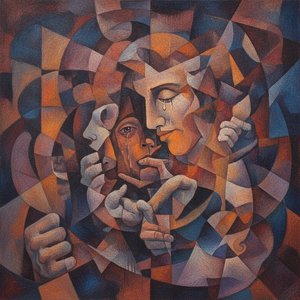
Beyond the Surface: Exploring the Emotional Depth of Cubist Expressionism
Discover the profound emotional resonance within Cubist Expressionism. Explore how fragmented forms and geometric abstraction convey deep human feeling through an expert art-historical lens for the discerning collector.