Atelier — Livrare gratuită în întreaga lume — Livrare în 2–6 săptămâni
Tablou după fotografie Lista de dorințe Coșul meu
PrevizualizarePrevizualizare Previzualizare ARPrevizualizare AR Comandă printul Comandă printulComandă pictură lucrată manual Comandă pictură lucrată manual TrimiteTrimite
Detalii despre lucrareDetalii despre lucrare Adaugă la favorite Adaugă la favorite DescarcăDescarcă Produse similareProduse similare RadiografieRadiografie Diapozitive automateDiapozitive automate

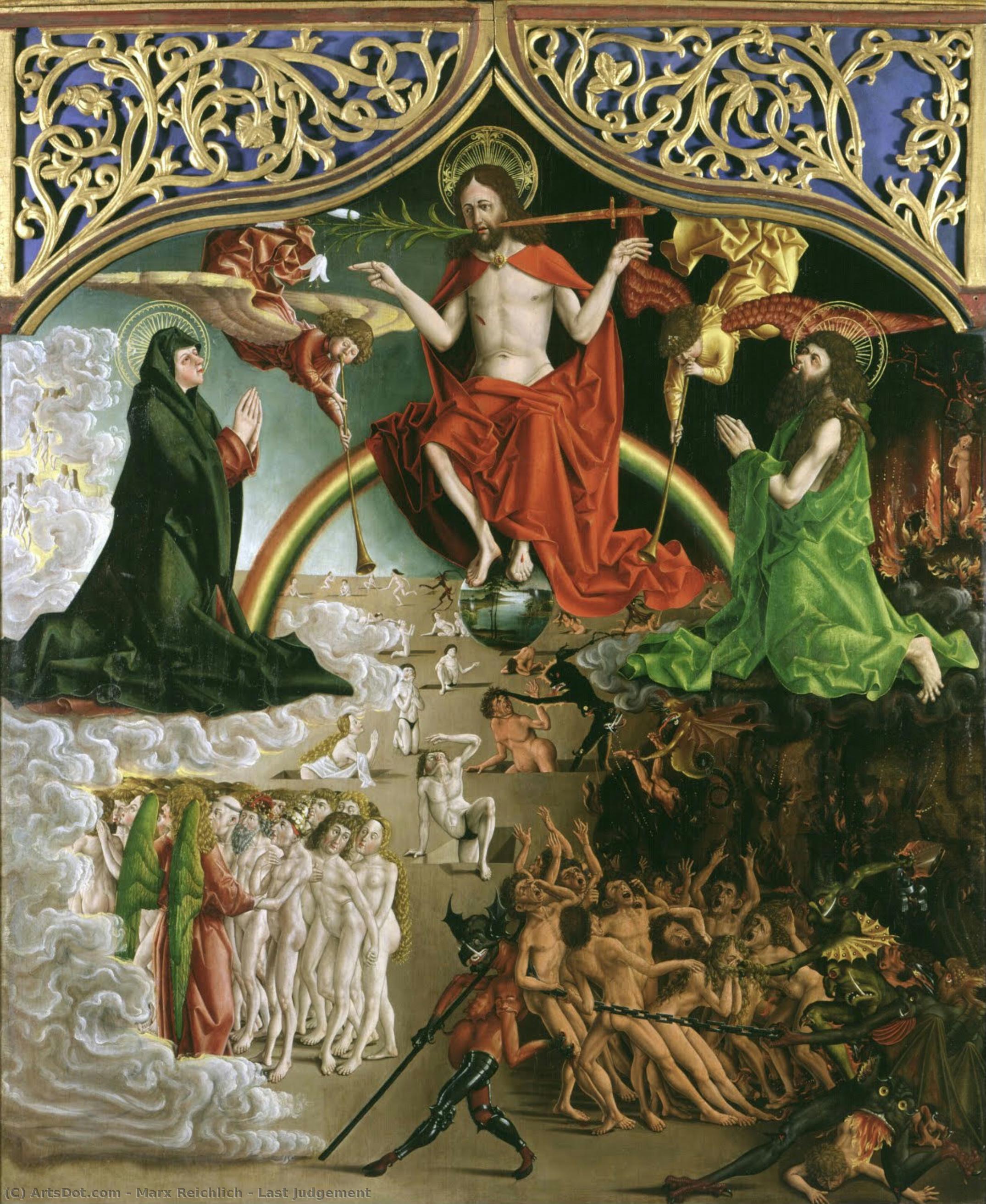
Last Judgement

Experience 'Last Judgement' by Marx Reichlich (1490). A dramatic oil panel depicting Christ’s judgment – awe-inspiring realism, rich colors & symbolic depth. Explore medieval faith & divine justice.

Marx Reichlich (1460-1520) was an Austrian painter renowned for vibrant religious scenes commissioned by churches. Explore his tempera works, including 'The Last Judgement' & 'Adoration of the Magi', at museums like Kunsthistorisches Museum. Discover

Achiziționați o imagine digitală de înaltă rezoluție, îmbunătățită, mult superioară previzualizării online.

Fiecare fișier este pregătit cu meticulozitate de specialiștii noștri interni, utilizând instrumente avansate și retușare manuală expertă. Ne asigurăm că fiecare imagine beneficiază de o claritate excepțională, o acuratețe precisă a culorilor și detalii fine.

Fișierul final este livrat prin e-mail în termen de 72 de ore, optimizat pentru utilizare imediată în medii profesionale, editoriale și de imprimare. Aceasta este aceeași calitate în care au încredere studiouri de design, edituri și galerii de top.

Imagine Digitală

Descărcați un fișier la rezoluție înaltă pentru afișare personală, imprimare și proiecte creative. (Comandă printul Comandă printulComandă pictură lucrată manual Comandă pictură lucrată manual)

Preț total

$ 24,90

Inclus în fiecare comandă de imagini digitale

Livrare digitală de expertiză, garantată

Când alegeți TopImpressionists.com, nu primiți doar o simplă imagine – primiți o operă de artă digitală îmbunătățită profesional, creată cu precizie și susținută de o garanție de satisfacție. Iată tot ceea ce primești odată cu comanda ta, în mod automat:

shipping_icon
Livrare rapidă prin e-mail

Fișierul imaginii digitale la rezoluție înaltă vă va fi trimis prin e-mail în termen de 72 de ore de la finalizarea comenzii – gata pentru utilizare imediată.

canvas_icon
Fișier digital optimizat prin IA

Opera ta de artă este optimizată profesional prin intermediul unor instrumente AI avansate și al editării manuale, asigurând un nivel maxim de detalii, claritate și acuratețe a culorilor.

insurance_icon
Retransmitere gratuită pe viață

Ai șters sau ai pierdut din greșeală fișierul? Nu îți face griji – ți-l vom retrimite oricând, gratuit.

tax_icon
Fără taxe de import – Întotdeauna

Bucură-te instant de noua ta operă de artă, fără taxe vamale, taxe de import sau costuri de livrare – descărcările digitale sunt întotdeauna fără taxe.

color_icon
Garanția acurateții culorilor

Asigurăm o reflectare cât mai fidelă a culorilor originale în imaginea ta digitală, prin utilizarea unor instrumente profesionale și a proceselor de gestionare a culorii.

return_icon
Garanție de satisfacție de 60 de zile

Dacă nu sunteți mulțumit de imaginea digitală achiziționată, o vom revizui sau vă vom returna 100% în termen de 60 de zile – fără nicio explicație necesară.

guarantee_icon
Garanție de returnare 100% a banilor

Nu ești mulțumit? Obține o rambursare completă în termen de 60 de zile de la primirea fișierului tău digital – fără întrebări.

discount_icon
Reduceri pentru comenzi în volum

Cumpără 3 imagini, economisește 10% - Cumpără 5, economisește 15% - Cumpără 10+, economisește 20%. Ideal pentru proiecte creative, galerii și agenții.

Informații rapide

  • Movement: Late Medieval
  • Dimensions: 197 x 165 cm
  • Artist: Marx Reichlich
  • Subject or theme: Religious drama; Judgment after death
  • Artistic style: Gothic/Early Renaissance
  • Medium: Oil on panel

Descriere obiect de colecție

A Vision of Judgment: Marx Reichlich’s Last Judgement

This monumental painting by Marx Reichlich, completed around 1490 in Bolzano, Italy, stands as a testament to the artistic fervor and spiritual preoccupation characteristic of the late medieval period. More than just a depiction of biblical narrative, “The Last Judgement” embodies a profound psychological exploration of faith and mortality—a chilling reminder that divine reckoning awaits all humankind. Its impact on viewers was palpable, reflecting the anxieties and aspirations of an era grappling with questions of salvation and damnation.

Style and Composition: Gothic Realism Elevated

Reichlich’s style skillfully blends elements of Gothic and Early Renaissance realism. While retaining the grandeur and expressive dynamism typical of Gothic art—evident in the soaring lines that dominate the composition—he achieves a remarkable level of detail through meticulous observation and masterful execution. The painting's central staircase ascends towards Christ, flanked by angelic figures radiating grace on his right and demonic forces embodying sin on his left. This tiered arrangement emphasizes the duality inherent in Christian theology: righteousness versus wickedness, heaven versus hell. The artist’s deliberate use of perspective—though somewhat flattened compared to later Renaissance styles—creates a convincing illusion of depth, drawing the eye into the complex interplay of figures and architectural elements.

Technique – Oil on Panel: A Breakthrough in Artistic Expression

A significant innovation for its time was Reichlich's adoption of oil paint on panel. Unlike tempera, which relies on pigment bound with egg yolk—resulting in brittle, less vibrant colors—oil paint allows for richer hues and greater luminosity. The glazing technique employed by Reichlich—applying thin layers of translucent color over previous coats—further enhances the painting’s textural qualities and contributes to its overall dramatic effect. Careful attention was paid to capturing the subtle nuances of light and shadow, creating a palpable sense of atmosphere that underscores the solemnity of the scene.

Symbolism: Layers of Meaning Beyond Visual Representation

“The Last Judgement” is replete with symbolic imagery designed to communicate theological concepts beyond mere visual depiction. The rainbow throne symbolizes God’s covenant with humanity—a promise of divine grace and redemption. Angels represent heavenly messengers, conveying reassurance and guiding souls towards salvation. Conversely, demons embody evil forces attempting to lure individuals away from righteousness. Notably, the depiction of Bishop Benedictus—whose crown is seized by a demon—serves as a potent warning: outward piety alone cannot guarantee spiritual purity. The painting compels contemplation on the consequences of moral conduct and underscores the importance of genuine faith in achieving eternal life.

Emotional Resonance: A Powerful Reflection of Medieval Anxiety

Ultimately, Reichlich’s masterpiece transcends its formal qualities to evoke a visceral emotional response. The sheer scale of the artwork—measuring 197 x 165 cm—commands attention and conveys the immensity of divine judgment. The dramatic lighting—contrasting sharply between illuminated Christ and enveloping darkness—amplifies the painting's psychological impact, mirroring the anxieties surrounding death and eternity that gripped medieval Christendom. “The Last Judgement” remains a profoundly moving testament to human vulnerability in the face of God’s power—a timeless image destined to inspire awe and provoke reflection for generations to come.

Biografie artist

Marx Reichlich: A Master of Religious Drama in the Late Medieval Period

Born in Bolzano, Italy, around 1460 – a time of burgeoning artistic innovation and religious fervor – Marx Reichlich emerged as a significant figure in late medieval Austrian painting. While details of his early life remain somewhat obscured by the passage of centuries, what is known paints a picture of a prolific artist deeply rooted in the traditions of tempera on wood, a technique favored for its durability and suitability for depicting intricate religious scenes.

Reichlich’s career unfolded primarily during the 15th and 16th centuries. He quickly established himself as a sought-after painter, commissioned by churches and religious institutions across Austria to create works that visually communicated profound spiritual narratives. His style is characterized by an impressive attention to detail, a masterful understanding of composition, and a remarkable ability to imbue his subjects with emotional weight – particularly evident in his depictions of biblical events and moral allegories.

The Palette of Faith: Reichlich’s Technique and Style

Reichlich's artistic approach was firmly grounded in the conventions of his time. He predominantly employed tempera on wood, a medium that allowed for rich colors, subtle gradations, and a level of detail difficult to achieve with oil paints. This choice reflects not only technical proficiency but also a deep respect for established artistic practices. His works often feature vibrant hues—deep blues, reds, and golds—contrasting sharply against the darker tones of the wood panel, creating a dramatic visual impact.

A key element of Reichlich’s style is his ability to capture the essence of religious scenes with remarkable immediacy. He wasn't merely illustrating biblical stories; he was striving to evoke spiritual experience. His figures are often rendered with a sense of dynamism and movement, conveying not just what happened but *how* it felt – the awe of witnessing divine judgment, the reverence of an adoration scene, or the solemnity of a funeral procession.

Notable Works: Echoes of Eternity

Among Reichlich’s most celebrated works are “The Last Judgement” (circa 1490) and “Adoration of the Magi.” The "Last Judgement," a monumental tempera panel measuring approximately 197 x 165 cm, is arguably his masterpiece. It's a visceral depiction of Christ’s judgment, brimming with symbolic imagery—cherubs, souls ascending to heaven, and demons dragging sinners into hell – designed to inspire both fear and hope. The painting powerfully conveys the medieval Christian understanding of divine justice and the consequences of earthly actions.

“Adoration of the Magi,” another significant work, showcases Reichlich’s skill in portraying a complex narrative with clarity and grace. The scene depicts the visit of the three wise men to the infant Jesus, rendered with meticulous detail and imbued with a sense of wonder and reverence. These works, along with others housed within the Kunsthistorisches Museum in Vienna, offer invaluable insights into the religious art of the period.

Legacy and Influence

Marx Reichlich’s legacy extends beyond his individual creations. He represents a pivotal link between the late Gothic and early Renaissance artistic traditions in Austria. His works demonstrate a synthesis of established stylistic elements with emerging humanist concerns, reflecting the evolving cultural landscape of the 15th and 16th centuries.

His paintings continue to be studied and admired for their technical brilliance, emotional depth, and profound spiritual resonance. The Kunsthistorisches Museum in Vienna holds an extensive collection of Reichlich’s works, ensuring that his art remains accessible to scholars and the public alike. Furthermore, his influence can be seen in subsequent generations of Austrian artists who followed in his footsteps.

Resources for Further Exploration

Marx Reichlich

Marx Reichlich

1460 - 1520 , Italy

Detalii rapide

  • Artistic Movement Or Style: Religious painting
  • Date Of Birth: 1460
  • Date Of Death: 1520
  • Full Name: Marx Reichlich
  • Nationality: Austrian
  • Notable Artworks:
    • The Last Judgement
    • Adoration of the Magi
  • Place Of Birth: Bolzano, Italy
© TopImpressionists.com — Toate drepturile rezervate  ·  100% Pictat Manual · Satisfacție Garantată · Livrare Gratuită în întreaga lume
VISA MASTERCARD