


 Vezi în context
 Trimite
 Distribuie
 Detalii
 Ghidul

 Descarcă
 Produse similare
 Radiografie
 Diaporama
 Statistici
St Catherine
 Chalk
Chalk- Northern Renaissance
 1520
1520 316.0 x 215.0 cm
 Muzeele Statale din Berlin
Admire Matthias Grünewald's 'St Catherine,' a captivating chalk drawing from 1520. Explore the Northern Renaissance master’s unique style, featuring a serene saint and symbolic details – available as a hand-painted replica.
 Citește mai mult
Matthias Grünewald: pictor german al Renașterii, renumit pentru altarul Isenheim și operele sale pline de emoție și realism religios. Descoperă stilul său unic și moștenirea sa artistică!
Giclée / Imprimare artistică
Printuri giclée sau pe canvas de calitate muzeală, cu proces de producție rapid și opțiuni flexibile de finisare. ( Comandă pictură realizată manual Treci la imagine digitală)




P118B lei10

P118H lei10

P118W lei10

P438Z lei10

P508JH lei12

P508YH lei12

P805H lei10

P805Z lei10

P919BZ lei10

P919G lei10

P919XJ lei10

P959ZH lei10

P968JZ lei12

W106C lei8

W218G lei10

W218JH lei8

W218Y lei10

W307PJ lei10

W316G lei10

W316PJ lei8

W316Y lei10

W398PJ lei8

W4111J lei10

W500HY lei15

W500JH lei15

W692G lei12

W849H lei8

W940BG lei15

W953PJ lei8




Dimensiuni standard
personalizat
CM
INCH
Alegeți dintre dimensiunile noastre prestabilite, care respectă proporțiile originale ale operei de artă.
Loading sizes...

lățime
înălțime
Introduceți lățimea și înălțimea de care aveți nevoie, pentru a se potrivi ramei sau peretelui dumneavoastră. O printare poate fi doar tăiată, niciodată extinsă dincolo de dimensiunea imaginii originale, astfel încât o dimensiune cu o formă diferită va pierde o parte din imagine. Vă trimitem o simulare digitală pentru aprobare înainte de a imprima orice. Imaginea afișată pe această pagină nu prezintă tăierea reală — doar simularea arată acest lucru.
Livrare în întreaga lume () în 2 săptămâni, în loc de cele 4/5 săptămâni standard. (23 Octombrie)

Livrare expres gratuită la nivel mondial

Pânză de in premium

Asigurare completă pentru transport

Garanție de rambursare a taxelor vamale

Garanția fidelității culorilor

Politica de retur în 100 de zile (doar pentru defecte)

Garanție de rambursare 100%

Reducere pentru comenzi multiple
 Opțiunea cu sticlă este disponibilă doar pentru dimensiuni de sub 110 cm

St Catherine
Giclée / Imprimare artistică
Dimensiune reproducere
-


Preț total
lei 320
The Enigmatic Saint: Matthias Grünewald’s St Catherine
Matthias Grünewald's 1520 chalk drawing, “St Catherine,” is more than just a portrait; it’s a profound meditation on faith, scholarship, and the enduring power of medieval symbolism. This remarkable work, currently residing in the Staatliche Museen zu Berlin, offers a captivating glimpse into the artist’s unique vision – a synthesis of late Gothic sensibilities with nascent Renaissance influences. Grünewald, a pivotal figure in German art, deliberately eschewed the prevailing Italian humanist trends, instead drawing deeply from the rich traditions of Central European religious painting, resulting in an intensely personal and emotionally resonant style.
The image depicts St Catherine from the waist up, her head tilted slightly downwards as if lost in contemplation. Her posture exudes a quiet dignity, while the subtle turn of her neck invites us into her inner world. She’s dressed in a gown with voluminous sleeves – a detail that speaks to both the formality of her status and the luxurious fabrics favored by wealthy patrons during the period. Crucially, she holds two objects: an open book or manuscript, symbolizing her role as a learned scholar, and a sword raised upright, representing her martyrdom and unwavering faith. These symbols aren’t merely decorative; they are potent visual statements about Catherine's life and devotion.
A Study in Northern Renaissance Technique
Grünewald’s masterful technique is immediately apparent. The drawing is executed with exquisite detail using chalk on paper, a medium that allowed for the delicate shading and fine lines characteristic of his work. Notice the subtle gradations of tone – the way light catches on her dress, the modeling of her face, and the atmospheric haze in the background. This meticulous attention to texture and form creates a remarkable sense of depth and realism, despite the relatively small scale of the piece. The artist’s use of chalk also lends a slightly ethereal quality to the image, contributing to its contemplative mood.
Furthermore, Grünewald's style deviates significantly from the prevailing Renaissance aesthetic. Unlike the idealized figures favored by artists like Albrecht Dürer, Catherine is rendered with a certain distortion – her proportions aren’t perfectly symmetrical, and her features possess an expressive intensity. This deliberate departure from classical ideals reflects Grünewald’s commitment to conveying emotional truth rather than purely visual accuracy. The background, deliberately minimalistic, consists of only a few suggestive lines—perhaps hinting at a cloudy sky or an abstract representation of the heavens – further emphasizing the saint's presence and drawing our focus entirely onto her.
Historical Context and Symbolic Resonance
Created in 1520, “St Catherine” exists within a fascinating transitional period in art history. Grünewald was working at a time when the influence of Italian Renaissance humanism was beginning to spread across Europe, yet he remained firmly rooted in the traditions of late medieval Central European painting. The saint herself holds significant religious importance – she is venerated as a martyr and patron saint of scholars, librarians, and translators. Her story, recounted in early Christian hagiographies, details her conversion after being saved from execution by St Peter, who recognized her divine calling.
Interestingly, the figure of Catherine has been associated with intellectual pursuits for centuries. Her association with learning stems from her devotion to scripture and her role as a translator of the Bible. The book she holds in the drawing symbolizes this scholarly dedication, while the sword represents her willingness to defend her faith against persecution. The combination of these symbols creates a powerful image of a woman who embodies both spiritual strength and intellectual prowess.
A Legacy of Emotion and Innovation
“St Catherine” is a testament to Matthias Grünewald’s artistic genius – a work that seamlessly blends technical skill with profound emotional depth. It's a poignant reminder of the artist’s ability to capture not just the likeness of his subject, but also her inner world. The drawing’s enduring appeal lies in its ability to evoke a sense of quiet contemplation and spiritual yearning. As a significant example of Northern Renaissance art, it continues to inspire artists and scholars alike, offering a valuable window into the artistic and intellectual landscape of 16th-century Germany.
Întrebări și răspunsuri
Care sunt formatul și dimensiunile pentru "St Catherine"?
"St Catherine" de Matthias Grünewald are proporționate ca o lucrare de tip Portrait, având dimensiunea de 316 x 215 cm.
Pentru ce este recomandată o reproducere a operei "St Catherine" de Matthias Grünewald?
O reproducere a operei "St Catherine" de Matthias Grünewald este recomandată pentru Statement. Această sugestie derivă din subiectul, atmosfera și culorile lucrării.
Ce tip de operă de artă este "St Catherine" de Matthias Grünewald?
"St Catherine" este o piesă de tip wall art.
Biografie artist
Matthias Grünewald: Viață și Moștenire
Primii Ani și Începuturile Artistice
Matthias Grünewald, născut sub numele de Mathis Gothart Neithardt în jurul anului 1470-1475 la Würzburg, Germania, a fost o figură centrală a Renașterii germane. Deși a trăit într-o epocă tot mai mult influențată de idealurile Renașterii italiene, Grünewដល់ a rămas profund înrădăcinat în tradițiile artistice ale Europei Centrale de la sfârșitul evului medieval. Detaliile despre primii săi ani sunt rare, însă este cunoscut faptul că și-a primit pregătirea artistică, probabil în cadrul unor ateliere locale.
Dezvoltarea Artistică și Influențe
Evoluția artistică a lui Grünewald a fost modelată de tradițiile europene de nord, marcate de realism, intensitate emoțională și o observație minuțioasă a detaliului. Opera sa trădează influențe de la maeștri precum Albrecht Dürer și Martin Schongauer, însă el a reușit să își creeze o cale unică, definită printr-o expresivitate dramatică și o paletă cromatică vibrantă. Spre deosebire de artiștii implicați direct în cercurile umaniste din Italia, arta sa a servit în principal scopuri religioase, devenind o oglindă a anxietăților spirituale ale epocii sale.
Capodopere și Stil Artistic
- Retabul Isenheim (1512-1516): Această capodoperă, păstrată la Musée d'Unterlinden din Colmar, este considerată opusul său major. Ea înfățișează scene din viața lui Hristos cu un realism tulburător, concentrându-se în mod deosebit pe temele suferinței și ale mântuirii.
- Crucificarea (aprox. 1502-15003): O lucrare timpurie care demonstrează stilul său în formare, evidențiind o emoție intensă și o precizie anatomică remarcabilă.
- Fecioara la Anunț (1512-14): O schiță pentru Retabul Isenheim, care dezvăluie procesul său de planificare meticuloasă.
- Moise (1511): Un desen care subliniază măiestria lui Grünewald în capturarea figurilor expresive și a pozițiilor dramatice.
Stilul lui Grünewald este remarcabil prin câteva elemente definitorii:
- Compoziție Dramatică: Utilizarea unor aranjamente dinamice pentru a amplifica impactul emoțional asupra privitorului.
- Paletă Cromatică Vibrantă: Folosirea unor culori intense, adesea contrastante, care creează o experiență vizuală puternică.
- Reprezentarea Realistă a Suferinței: Artistul nu s-a ferit să portretizeze durerea fizică și emoțională legată de narațiunile religioase.
- Figuri Expresive: Personajele sale sunt animate de emoții profunde și de o complexitate psihologică remarcabilă.
Semnificația Istorică și Moștenirea
Opera lui Grünewald rămâne o mărturie a puterii durabile a tradițiilor artistice medievale în Germania în timpul Renașterii. El a reușit să îmbine stilul gotic tardiv cu estetica emergentă a Renașterii, creând un limbaj vizual unic care a rezonat profund cu contemporanii săi. Influența sa poate fi urmărită la artiștii germani de generații ulterioare, care au continuat să exploreze temele fervorii religioase și ale intensității emoționale. Deși a fost în mare parte uitat timp de câteva secole după moartea sa în 1528, Grünewald a cunoscut o renaștere în secolul al XIX-lea, fiind recunoscut astăzi ca unul dintre cei mai importanți pictori ai Renașterii germane. Arta sa continuă să fascineze publicul prin emoția brută, strălucirea tehnică și profunzimea spirituală.
Explorare Suplimentară
Descoperă mai multe despre viața și operele lui Matthias Grünewald pe: TopImpressionists

Matthias Grünewald
1480 - 1528 , Germania
Informații rapide
- Artistic Movement Or Style: Renaștere germană
- Artists Or Movements Influenced By This Artist: ['Renaștere italiană']
- Artists Who Influenced This Artist:
- Albrecht Dürer
- Martin Schongauer
- Date Of Birth: c. 1470-1475
- Date Of Death: 31 august 1528
- Full Name: Matthias Grünewald
- Nationality: German
- Notable Artworks:
- Isenheim Altarpiece
- Crucifixion
- Virgin of the Annunciation
- Place Of Birth: Würzburg, Germania
Articole conexe
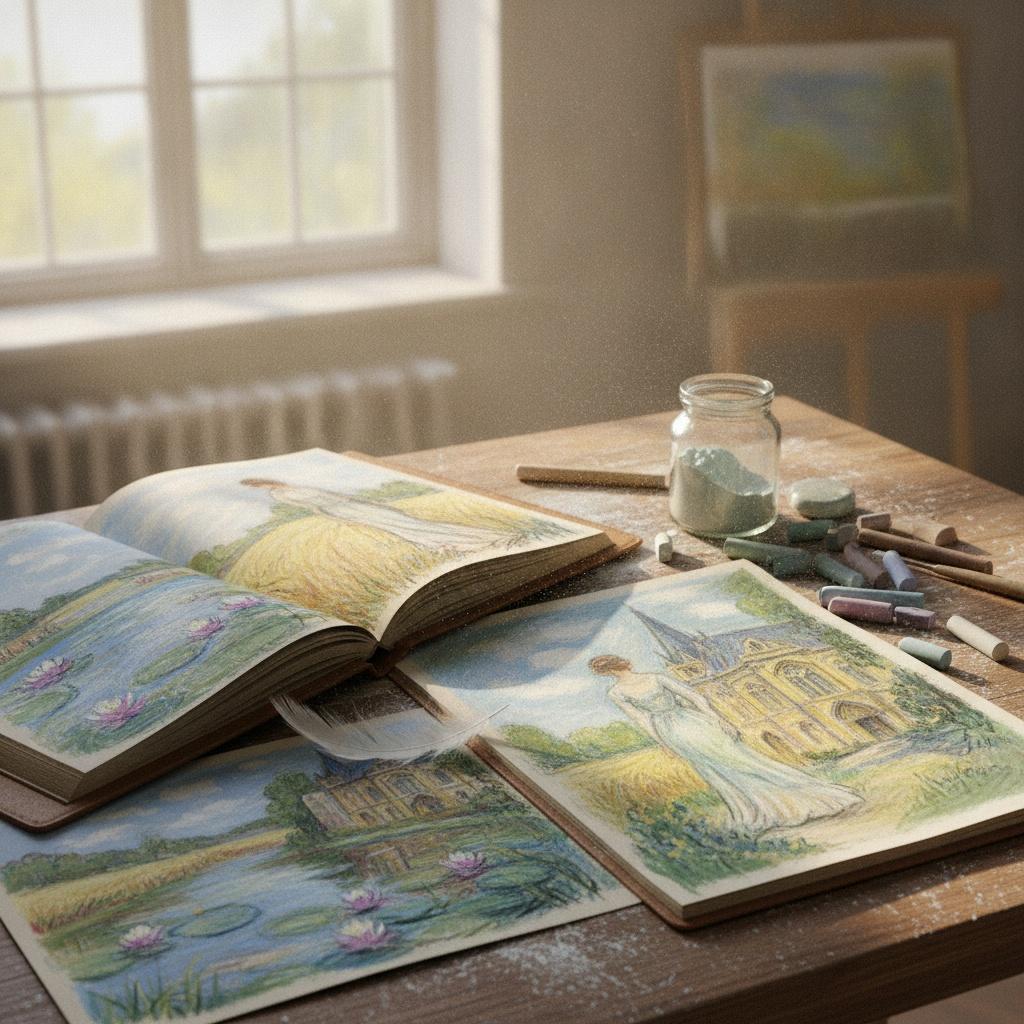
The Soft Magic of Chalk: Capturing Light, Texture, and the Ethereal Soul of Impressionist Masterpieces
Discover the ethereal beauty of pastel and chalk art. Explore how Impressionist masters like Van Gogh and Degas captured light and texture to create timeless, soulful masterpieces for the discerning collector.

Divine Light & Golden Splendor: A Journey Through the Sacred Grandeur of High Medieval Art
Embark on a soulful journey through High Medieval art. Explore the divine light of Gothic cathedrals, Byzantine splendor, and sacred masterpieces that shaped Western history with our expert-led cultural reflections.
Explorați opere de artă organizate pe teme, stiluri și caracteristici.


