

Prezentat: · Cu ramă:
 Previzualizare

 Trimite prin felicitare
 Distribuie
 Detalii despre lucrare
 Fișă informativă


 Descarcă imaginea
 Produse similare
 Radiografie
 Galerie foto
 Întrebări și răspunsuri

 Statistici
Found (Max Klinger)


Printuri pe canvas și artă fină de la lei239 pentru 36 x 28 cm
Reproducere pictată manual în ulei de la lei1197
- Livrare gratuită în toată lumea, în 3-4 săptămâni
- Printuri rulate, livrate în 3-4 săptămâni
- Retur în 100 de zile, banii înapoi
- Evaluat 4.9/5 de către 241 clienți pe ArtShopReviews.com
lei 371
Giclée / Imprimare artistică
Printuri giclée sau pe canvas de calitate muzeală, cu proces de producție rapid și opțiuni flexibile de finisare. ( Ulei Impressionist Copia digitală
)
Tehnică și suport
 Citește mai mult
Varianta noastră economică: aceeași imagine imprimată pe o pânză de poliester de 260 g/m² în loc de bumbac, livrată rulată într-un tub prin poșta obișnuită în 3 până la 4 săptămâni. Doar rulată (fără întindere pe șasiu, fără ramă) și fără producție urgentă, pentru dimensiuni cu cel puțin o latură de 80 cm sau mai puțin. Cu aproximativ 30% mai ieftină decât printul pe pânză de bumbac.
Nu este disponibil pentru această dimensiune: cel puțin o latură trebuie să aibă 80 cm sau mai puțin.
Doar rulat: alege varianta rulată în tub pentru a selecta această tipografie.
Disponibil pentru dimensiuni cu ambele laturi de maximum 110 cm. Pentru dimensiuni mai mari, printul este realizat pe pânză de bumbac mată.
Amprenta pe canvas mat de conservare nu este disponibilă pentru această dimensiune: ambele laturi trebuie să aibă 110 cm sau mai puțin. Amprenta dumneavoastră va fi realizată pe canvas din bumbac mat.
Opțiunea cu sticlă este disponibilă doar pentru dimensiuni de sub 110 cm
Dimensiune
·Alegeți dintre dimensiunile noastre prestabilite, care respectă proporțiile originale ale operei de artă.
Se încarcă dimensiunile...

lățime
înălțime
Introduceți lățimea și înălțimea necesare pentru a se potrivi ramei sau peretelui dumneavoastră. O printare poate fi doar tăiată, niciodată extinsă dincolo de dimensiunea imaginii originale, astfel încât o dimensiune cu o formă diferită va pierde o parte din imagine. Vă trimitem o simulare digitală pentru aprobare înainte de a imprima orice. Imaginea afișată pe această pagină nu prezintă tăierea reală — doar simularea arată acest lucru.
Standard
personalizat
CM
INCHI
Finalizare
·
Alb lei1

Margini difuze lei1

Extins lei1

P118B lei10

P118H lei10

P118W lei10

P438Z lei10

P508JH lei12

P508YH lei12

P805H lei10

P805Z lei10

P919BZ lei10

P919G lei10

P919XJ lei10

P959ZH lei10

P968JZ lei12

W106C lei8

W218G lei10

W218JH lei8

W218Y lei10

W307PJ lei10

W316G lei10

W316PJ lei8

W316Y lei10

W398PJ lei8

W4111J lei10

W500HY lei15

W500JH lei15

W692G lei12

W849H lei8

W940BG lei15

W953PJ lei8
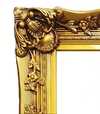
H24-GOLD lei30
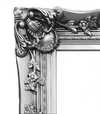
H24-SILVER lei30
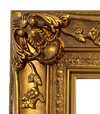
H36-GOLD lei70
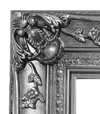
H36-SILVER lei70
Expediat într-un tub protector, gata pentru montarea la propria ramă.
Servicii suplimentare
opționalCe includ extrasele?
Livrare în întreaga lume () în 2 săptămâni, în loc de cele 4/5 săptămâni standard. (23 Decembrie)
Producția urgentă și livrarea prin curier rapid nu sunt disponibile pentru tipul de print poly-canvas Economy, care este expediat prin poșta obișnuită.
Lac de protecție
Etichetă de prezentare
Detalii plăcuță din bronz gravat
Această plăcuță elegantă conține numele artistului și titlul operei, fiind gravate cu finețe pentru o prezentare atemporală.
Este realizată din bronz, cu un finisaj rafinat și elegant. Textul este gravat precis cu laser pentru un rezultat clar și permanent. Cu dimensiuni de 9x2 cm, plăcuța este compactă, dar ușor de citit. Este concepută pentru a fi durabilă și rezistentă la zgârieturi, oferind un aspect profesional, de calitate muzeală. Montarea este simplă, datorită suportului adeziv inclus.
Detalii plăcuță din acril transparent
Placa include detalii esențiale gravate, precum numele artistului, titlul operei, data creării, tipul de suport utilizat – precum ulei pe pânză sau acuarelă –, o scurtă descriere a piesei și un cod QR care trimite către informațiile complete despre operă.
Este realizată din acrilic transparent, oferind un aspect elegant și modern. Textul este gravat prin tehnologie UV, în culoarea neagră, pentru a asigura un contrast vizual puternic. Cu dimensiuni de 10x15 cm, aceasta garantează o lizibilitate optimă. Este echipată cu două cârlige metalice pentru o montare sigură pe perete. Placa este concepută pentru a rezista la intemperii, fiind potrivită pentru diverse medii, și include funcții interactive care funcționează perfect prin scanarea cu smartphone-ul.
Detalii placă din acril negru
Această plăcuță elegantă include informații gravate, precum numele artistului, titlul operei, data creației, tipul de suport utilizat (precum ulei pe pânză sau acuarelă), o scurtă descriere a lucrării și un cod QR pentru acces rapid la mai multe informații.
Placa este realizată din acrilic negru rafinat, cu finisaj premium. Textul este gravat cu laser în alb pentru un contrast ridicat și o lizibilitate sporită. Dimensiunea sa este de 10x15 cm, fiind concepută pentru a fi ușor de citit. Este livrată cu două cârlige metalice pentru o montare profesională. Designul este elegant și se potrivește oricărui stil de interior. De asemenea, este rezistentă la intemperii și durabilă, având integrare digitală pentru compatibilitate cu dispozitivele mobile.
Opțiunea cu sticlă este disponibilă doar pentru dimensiuni de sub 110 cm
 Opțiunea cu sticlă este disponibilă doar pentru dimensiuni de sub 110 cm
- Livrare gratuită în toată lumea, în 3-4 săptămâni
- Pânză de in de înaltă calitate
- Asigurare completă pentru transport
- Garanție de rambursare a taxelor vamale
- Garanția fidelității culorilor
- Retur în 100 de zile, banii înapoi
- Garanție de rambursare 100%
- Ofertă pentru comenzi multiple


Found: Max Klinger și momentul Symbolism
Two figures kneel in despair beneath a suspended form in this dramatic monochromatic etching filled with dense, swirling cross-hatching.
Max Klinger: biografie
Parfraza sa despre Găsitul unei mănuși a fost inspirată de un vis: observați cum apare mănușa în fiecare plăsă.
Detalii despre opera de artă
The Artwork Found by Max Klinger
In the quiet tension of Found, the viewer encounters a scene of profound emotional distress. Max Klinger, born in 1857 in Leipzig, Germany, presents a vision that feels caught in a moment of sudden, sharp anguish. The composition draws the eye upward through a pyramidal arrangement, where two figures kneel in supplication at the base. Above them, a third figure remains suspended on a rigid rectangular plane, creating a sense of unsettling verticality. The atmosphere is heavy with a feeling of helplessness, as if the figures are trapped within a swirling chaos of lines that refuse to settle.
The imagery suggests a narrative of torment or judgment, though the exact nature of the suffering remains a mystery. Shadows and highlights dance across the forms, emphasizing the intensity of the facial expressions and the physical strain of the subjects. There is a palpable sense of unease in the way the figures interact with the space around them. The scene does not offer the comfort of a clear light source, leaving the viewer to navigate the deep shadows and the turbulent, textured background that seems to pulse with internal turmoil.
Composition and Visual Elements
A heavy, pyramidal structure dictates the movement of the scene, pulling the eye upward through a tense arrangement of forms. At the base, two figures kneel in a state of supplication, their bodies anchoring the bottom of the triangle. Above them, a third figure remains suspended on a rigid, rectangular plane, creating a jarring contrast between the organic curves of the human forms and the unyielding geometry of the platform. This vertical tension holds the viewer in a state of suspended animation, caught between the grounded suffering below and the hovering presence above.
The background refuses to remain still. Dense, swirling lines churn through the space, suggesting a world in a state of constant, chaotic turmoil. These lines wrap around the figures, blurring the distinction between the subjects and the atmosphere surrounding them. Light and shadow dance unevenly across the scene, with deep, heavy blacks clashing against pale highlights to emphasize the emotional weight of the figures. The perspective feels strangely flattened, yet the layering of these dark, textured shapes creates a sense of depth that pulls the viewer into the center of the struggle.
Technique and Artistic Materials
The scene emerges from a monochromatic world, where every shadow and highlight relies on a careful dance of gray tones. This is the result of a meticulous printmaking process, likely an etching or an engraving. One can almost feel the physical resistance of the metal plate as the artist uses sharp etching needles to incise deep, deliberate lines into the surface. These marks do not merely outline forms; they build a dense, textured landscape through heavy cross-hatching that catches the light and holds the darkness in place.
The materials used in this creation speak to a tactile, hands-on labor. A metal plate, perhaps zinc or copper, receives the initial wounding of the needle, creating the channels that will eventually hold the ink. Once the incised lines are ready, ink is pressed into these grooves, transferring the soul of the plate onto paper. This method allows for a staggering level of detail, where the swirling, chaotic lines of the background and the sharp, angular contours of the figures emerge from the interplay of ink and fiber.
Style and Artistic Movement
The work breathes with the heavy, restless energy of late 19th-century Expressionism. Every line seems to vibrate with an internal tension, pushing beyond mere representation to capture a raw, psychological state. This approach finds a striking kinship with the visual language of Edvard Munch, where the external world bends and twists to mirror the turbulence of the human spirit. The figures do not simply exist in space; they appear caught in a moment of profound emotional upheaval, their forms shaped by the weight of what they feel rather than the strict rules of anatomy.
At its core, the piece is deeply rooted in the Symbolist movement. It moves away from the literalism of the natural world to explore the shadowy, subjective realms of the subconscious. Rather than depicting a clear, objective reality, the imagery functions through a language of signs and metaphors that point toward deeper, unseen truths. The atmosphere is thick with the sense of a dream or a nightmare, where the boundaries between the physical self and the internal psyche begin to dissolve into a swirl of dark, textured lines.
Emotional and Symbolic Themes
Anguish and fear pulse through the scene, casting a heavy shadow over the figures. A profound sense of desperation grips the viewer as the subject matter unfolds, depicting a moment of intense emotional distress and torment. The two kneeling figures at the base of the composition seem trapped in a state of supplication, their bodies conveying a deep-seated helplessness. Above them, a third figure remains suspended on a rigid rectangular plane, watching the suffering below. This triangular arrangement creates a palpable tension, suggesting a heavy power dynamic or the weight of an inevitable judgment.
Chaos swirls in the background, where dense, agitated lines churn like a storm. These movements suggest a state of inner turmoil or perhaps the presence of overwhelming external forces acting upon the souls depicted. The darkness and light do not merely define form; they heighten the psychological weight of the moment. Every line contributes to an atmosphere of unease, as if the very air around the figures is thick with their collective despair. The struggle feels immediate, caught in a perpetual state of spiritual or emotional crisis.
Related Works by Max Klinger
The shadows of the artist's imagination stretch into other graphic cycles, where the boundaries between reality and the subconscious continue to blur. In the series Paraphrase on the Finding of a Glove, a single lost object transforms into a potent fetish, triggering a sequence of dreamlike visions and unsettling encounters. This narrative exploration of desire and loss finds a musical counterpart in the Brahms Fantasies from 1894, where the artist translates the spirit of composition into visual form. These works reveal a mind preoccupied with the hidden currents of human longing and the irrational forces that govern our inner lives.
Other explorations move through the realms of myth and movement. The artist's hand traces the tension found in The Rape of Prometheus and the rhythmic energy of Preparation for the dance. Each piece acts as a window into a world where the physical and the psychological are inseparable. Whether through the meticulous lines of an etching or the heavy presence of a sculpture, the artist's vision remains fixed on the tension between the seen world and the unseen impulses that drive it.
Întrebări și răspunsuri
Această reproducere a lucrării Found este pictată manual sau este tipărită?
Tipărit: Found este reprodus sub formă de print giclée pe pânză de bumbac sau pe hârtie de pânză arhivistică Epson.
Ce dimensiune ar trebui să aleg pentru Found?
Dimensiunile variază de la 36.3 x 27.5 cm (lei239) la 248.4 x 188.4 cm (lei2168); tabelul de pe această pagină prezintă principalele variante de dimensiuni și prețurile acestora.
Cât durează livrarea?
Printurile rulate în tub sunt trimise gratuit prin poșta obișnuită și ajung în 3-4 săptămâni; printurile întinse pe șasiu sau înramate necesită 4-5 săptămâni. Livrarea prin curier rapid este disponibilă doar prin opțiunea de Livrare Express, contra cost, oferită pe această pagină. Puteți returna produsul în termen de 100 de zile pentru rambursarea integrală, fără nicio condiție.
Ce tehnică a folosit Max Klinger pentru Found?
Etching
Informații rapide și quiz despre artă
Despre Max Klinger

Max Klinger
1857 - 1920, Germania
Despre Max Klinger: viață, opere și biografie
Informații rapide despre Max Klinger
- Artistic Movement Or Style: Simbolism
- Artists Or Movements Influenced By This Artist:
- Expresionism
- Surrealism
- Artists Who Influenced This Artist:
- Menzel
- Goya
- Date Of Birth: 1857
- Date Of Death: 1920
- Full Name: Max Klinger
- Nationality: German
- Notable Artworks:
- Glovă găsită
- Beethoven
- Ziua a III-a din Martie
- Place Of Birth: Leipzig, Germania
Explorați opere de artă organizate pe teme, stiluri și caracteristici.


Max Klinger
Found
() ·
Cu ramă: ·
Total