

 Previzualizare
 Trimite prin felicitare
 Distribuie
 Detalii despre lucrare
 Ghid
Ghid

 Descarcă imaginea
 Produse similare
 Radiografie
 Galerie foto
 Q&A
Q&A Statistici
Masked Flower

- 108.0 x 54.0 cm


Explore Meret Oppenheim's 'Masked Flower,' a surreal sculpture blending organic forms and hidden textures. A captivating blend of nature, disguise, and unsettling beauty.
 Vezi mai mult
German-Swiss Surrealist Meret Oppenheim (1913-1985) challenged norms with provocative art & photography, most famously her fur-covered teacup 'Object'. A key figure in the surrealist movement.
Lucrarea de artă afișată pe această pagină este protejată de legile privind drepturile de autor, ceea ce înseamnă că nu putem crea sau vinde în mod legal o reproducere identică. Această protecție este garantată prin acorduri internaționale, precum Convenția de la Berna și de legile naționale, inclusiv cele prevăzute de Legea dreptului de autor din S.U.A. – Titlul 17. Toate drepturile rezervate. Orice reproducere neautorizată este interzisă.
Această metodă respectă pe deplin reglementările privind drepturile de autor, deoarece nu implică copierea sau duplicarea operei protejate. În schimb, este o reinterpretare creativă – o pictură nouă, influențată de original, dar care nu este identică cu acesta.
Giclée / Imprimare artistică
Printuri giclée sau pe canvas de calitate muzeală, cu proces de producție rapid și opțiuni flexibile de finisare. ( Comandă pictură realizată manual Comută pe Imagine Digitală)




P118B lei10

P118H lei10

P118W lei10

P438Z lei10

P508JH lei12

P508YH lei12

P805H lei10

P805Z lei10

P919BZ lei10

P919G lei10

P919XJ lei10

P959ZH lei10

P968JZ lei12

W106C lei8

W218G lei10

W218JH lei8

W218Y lei10

W307PJ lei10

W316G lei10

W316PJ lei8

W316Y lei10

W398PJ lei8

W4111J lei10

W500HY lei15

W500JH lei15

W692G lei12

W849H lei8

W940BG lei15

W953PJ lei8




Standard
personalizat
CM
INCH
Alegeți dintre dimensiunile noastre prestabilite, care respectă proporțiile originale ale operei de artă.
Loading sizes...

lățime
înălțime
Introduceți lățimea și înălțimea necesare pentru a se potrivi ramei sau peretelui dumneavoastră. O printare poate fi doar tăiată, niciodată extinsă dincolo de dimensiunea imaginii originale, astfel încât o dimensiune cu o formă diferită va pierde o parte din imagine. Vă trimitem o simulare digitală pentru aprobare înainte de a imprima orice. Imaginea afișată pe această pagină nu prezintă tăierea reală — doar simularea arată acest lucru.
Livrare în întreaga lume () în 2 săptămâni, în loc de cele 4/5 săptămâni standard. (31 Octombrie)

Livrare expres gratuită la nivel mondial

Pânză de in de înaltă calitate

Asigurare completă pentru transport

Garanție de rambursare a taxelor vamale

Garanția fidelității culorilor

Politica de retur în 100 de zile (doar pentru defecte de fabricație)

Garanție de rambursare 100%

Ofertă pentru comenzi multiple
 Opțiunea cu sticlă este disponibilă doar pentru dimensiuni de sub 110 cm

Masked Flower
Giclée / Imprimare artistică
Dimensiune reproducere
-


Preț total calculat
lei 327
A Silent Bloom: Meret Oppenheim’s “Masked Flower”
Meret Oppenheim's "Masked Flower" (1958) isn’t merely a sculpture; it’s an invitation to contemplate the delicate balance between beauty and concealment, nature and artifice. Born in Berlin amidst the turbulent backdrop of pre-war Europe, Oppenheim’s artistic journey was shaped by a profound exposure to diverse influences – from the vibrant Expressionism of her youth to the revolutionary ideas of Carl Jung and the groundbreaking experimentation of Surrealism. This piece, created during a period of intense introspection for the artist, embodies these influences in a strikingly intimate and unsettling way.
At first glance, the sculpture presents a deceptively simple arrangement: a smooth, white, organically shaped form – reminiscent of a blossoming flower bud or perhaps a stylized vase – resting upon a rough-hewn wooden base. However, closer inspection reveals a subtle yet powerful tension. The pristine whiteness of the upper element contrasts dramatically with the weathered texture and irregular contours of the base, creating an immediate visual dialogue between smoothness and roughness, delicacy and strength. This juxtaposition immediately draws the viewer in, prompting questions about their relationship to each other and to the artwork as a whole.
Deconstructing the Object: Surrealist Techniques and Materiality
Oppenheim’s approach was deeply rooted in the principles of Surrealism, an artistic movement that sought to unlock the creative potential of the unconscious mind. She frequently employed techniques of appropriation and transformation, taking everyday objects – teacups, fur coats, furniture – and recontextualizing them to challenge conventional perceptions. “Masked Flower” exemplifies this strategy perfectly. The sculpture’s form is deliberately ambiguous, blurring the lines between botanical representation and abstract design. The choice of materials—cast plaster for the upper element and wood for the base—further enhances this effect, highlighting the inherent qualities of each substance while simultaneously creating a sense of discordance.
Notably, the surface of the white form is meticulously polished to an almost unnerving sheen, contrasting sharply with the raw, tactile quality of the wooden base. This deliberate contrast isn’t merely aesthetic; it speaks to Oppenheim's fascination with duality and the hidden layers within seemingly simple objects. The sculpture invites us to consider how appearances can be deceiving, and how even the most familiar forms can conceal unexpected complexities.
Symbolism and Emotional Resonance
The title itself – “Masked Flower” – is laden with symbolic weight. Flowers are universally associated with beauty, fertility, and renewal, yet the ‘mask’ suggests concealment, secrecy, or even a deliberate attempt to obscure their true nature. This duality creates a powerful tension within the artwork, prompting us to contemplate themes of hidden potential, repressed desires, and the fragility of appearances. The sculpture can be interpreted as an exploration of the human psyche—a representation of the unconscious mind striving to break free from its constraints.
Furthermore, Oppenheim’s work often reflected her interest in Jungian psychology, particularly the concept of the ‘shadow self.’ The “mask” could represent this hidden aspect of our personality – the parts we keep concealed from others and even ourselves. The overall effect is profoundly evocative, stirring a sense of quiet contemplation and inviting viewers to project their own interpretations onto the artwork.
A Timeless Masterpiece: Reproduction and Legacy
“Masked Flower” remains a seminal work in the history of Surrealist art, demonstrating Oppenheim’s unique ability to transform ordinary objects into potent symbols. Reproductions capture the sculpture's textural richness and subtle nuances with remarkable fidelity, allowing viewers to appreciate its complexity and emotional depth. Whether displayed as a statement piece in a contemporary interior or studied within an academic setting, this artwork continues to resonate with audiences today, prompting reflection on the nature of beauty, concealment, and the human condition.
Întrebări și răspunsuri
Unde pot găsi un ghid pentru "Masked Flower"?
O pagină de Fișă informativă este disponibilă pentru "Masked Flower" de Meret Oppenheim: o fișă informativă imprimabilă despre operă, concepută pentru elevi și utilizare în mediul școlar.
"Masked Flower" de Meret Oppenheim este păstrat în țara de origine a artistului?
Nu – opera de artă este păstrată în străinătate. „Masked Flower” face parte din colecția din Elveția, în timp ce Meret Oppenheim s-a născut în Germany.
În ce muzeu se află originalul "Masked Flower"?
"Masked Flower" de Meret Oppenheim este expusă la Kunsthaus Zürich, Zurich, Elveția. Mențiunea muzeului se referă la lucrarea originală, nu la reproduceri.
Biografie artist
Early Life and Influences
- Born: Berlin, Germany (1913)
- Died: 1985
- Named after Meretlein from Gottfried Keller's "Green Henry."
- Family moved to Delémont, Switzerland, due to her father’s military service during World War I.
- Exposure to art and artists at a young age in Switzerland.
- Inspired by her aunt, Ruth Wenger, and her modern lifestyle.
- Influenced by Modernism, Expressionism, Fauvism, and Cubism.
- Introduced to the writings of Carl Jung and began recording dreams, which became important sources for her art.
- The work of Paul Klee significantly influenced her artistic development.
Career and Artistic Development
- Moved to Paris in 1932 and attended the Académie de la Grande Chaumière.
- Participated in Surrealist exhibitions starting in 1933, associating with André Breton, Man Ray, Max Ernst, and others.
- First solo exhibition in Basel in 1936 at Galerie Schulthess.
- Artistic block began in 1937 after initial success; destroyed much of her work during this period.
- Returned to art in the 1950s, reverting to earlier styles and themes.
Major Works and Style
- Object (Le Déjeuner en fourrure) (1936): Her most famous artwork – a teacup, saucer, and spoon covered in fur. This piece explores themes of female sexuality, luxury, and the objectification of women.
- Her work often incorporated everyday objects arranged to evoke dreamlike or unsettling scenarios.
- Explored themes of femininity, exploitation, and the subconscious through her paintings and sculptures.
- Style characterized by a blend of Surrealism, Dada influences, and personal symbolism.
Historical Significance and Legacy
- Considered a leading figure in the Surrealist movement.
- Her work challenged conventional notions of art and gender roles.
- Object (Le Déjeuner en fourrure) became an iconic symbol of 20th-century art, acquired by MoMA shortly after its creation.
- Oppenheim's exploration of dreams, sexuality, and the subconscious continues to resonate with contemporary audiences.
- Her later work emphasized personal freedom and the "androgyny of the mind."
Key Influences and Artistic Circle
- Carl Jung: His theories on psychoanalysis and archetypes profoundly influenced her artistic themes and imagery.
- Paul Klee: Inspired by his abstract style and exploration of color and form.
- André Breton: A key figure in the Surrealist movement who encouraged and promoted her work.
- Marcel Duchamp & Max Ernst: Their conceptual approach to art influenced her use of everyday objects.
- Man Ray: Collaborated with Oppenheim on photographic works, including nude portraits.

Meret Oppenheim
1913 - 1985 , Germany
Detalii rapide
- Full Name: Meret Elisabeth Oppenheim
- Nationality: Swiss-German
- Date Of Birth: 1913
- Date Of Death: 1985
- Place Of Birth: Berlin, Germany
- Notable Artworks: ['Object (Le Déjeuner en fourrure)']
- Artistic Movement Or Style: Surrealism
- Artists Who Influenced This Artist:
- Paul Klee
- Carl Jung
- Marcel Duchamp
- Max Ernst
- André Breton
Articole similare

Top 10 Capodopere din Bronz care au Revoluționat Arta – Inspirație pentru Decor
Descoperă Top 10 sculpturi din bronz care au schimbat istoria artei! Explorează operele lui Rodin, Michelangelo și alți maeștri, tehnicile lor unice și inspirația pentru decorul casei tale. Replici de calitate muzeală pe TopImpressionists.com.

Top 10 Capodopere din Bronz care au Revoluționat Arta | TopImpressionists.ro
Descoperiți Top 10 capodopere din bronz care au revoluționat arta! Rodin, Michelangelo și alții. Aflați istoria sculpturilor clasice și inspirație pentru decorul casei dvs. Reproduceri de artă de calitate muzeală pe TopImpressionists.com
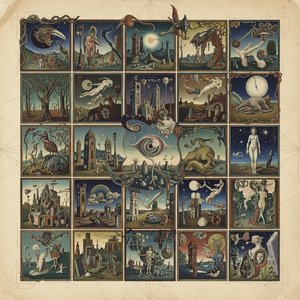
Max Ernst: Cele Mai Iconice Lucrări – Artă Suprarealistă pentru Decorul Tău
Descoperă cele mai emblematice 25 de opere ale lui Max Ernst, pionierul suprarealismului! Explorează tehnicile inovatoare, simbolismul profund și inspirația din Dadaism. Găsește reproducerea perfectă pentru decorul tău pe TopImpressionists.com – artă modernă de calitate muzeală.

The Enduring Form: Sculpture Across History, Technique & Emotional Resonance
Explore the rich history of sculpture with TopImpressionists. Discover key techniques, influential artists & investment potential for discerning collectors. Expert insights into valuing and collecting timeless masterpieces.

The Enduring Form: Exploring Themes & Techniques in Sculpture Across Historical Periods
Explore the rich history of sculpture from ancient masterpieces to contemporary innovations. Discover key techniques, influential artists & investment potential for discerning art collectors.