


 Vezi în context
 Trimite
 Distribuie
 Detalii
 Ghidul

 Descarcă
 Produse similare
 Radiografie
 Diaporama
 Statistici
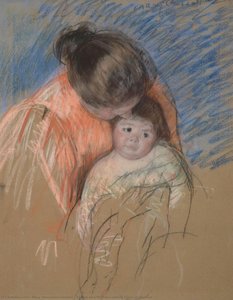
Child with Doll


Discover Milton Avery’s ‘Child with Doll’ (1944), a vibrant folk art piece featuring a stylized mother & child. Bold lines, orange hues, & expressive form evoke protection & nurture.
 Citește mai mult
Milton Avery (1885-1965): un pictor american revoluționar, cunoscut pentru paletele sale de culori vibrante și compozițiile simplificate. Influența sa asupra artei moderne este incontestabilă!
Achiziționați o imagine digitală de înaltă rezoluție, îmbunătățită, mult superioară previzualizării online.
Fiecare fișier este pregătit cu meticulozitate de specialiștii noștri interni, utilizând instrumente avansate și retușare manuală expertă. Ne asigurăm că fiecare imagine beneficiază de o claritate excepțională, o acuratețe precisă a culorilor și detalii fine.
Fișierul final este livrat prin e-mail în termen de 72 de ore, optimizat pentru utilizare imediată în medii profesionale, editoriale și de imprimare. Aceasta este aceeași calitate în care au încredere studiouri de design, edituri și galerii de top.
Imagine Digitală
Descărcați un fișier la rezoluție înaltă pentru afișare personală, imprimare și proiecte creative. ( Comută pe versiunea Print Comandă pictură realizată manual)
Inclus în fiecare comandă de imagini digitale
Livrare digitală de expertiză, garantată
Când alegeți TopImpressionists.com, nu primiți doar o simplă imagine – primiți o operă de artă digitală îmbunătățită profesional, creată cu precizie și susținută de o garanție de satisfacție. Iată tot ceea ce primești odată cu comanda ta, în mod automat:

Livrare rapidă prin e-mail
Fișierul imaginii digitale la rezoluție înaltă vă va fi trimis prin e-mail în termen de 72 de ore de la finalizarea comenzii – gata pentru utilizare imediată.

Fișier digital optimizat prin IA
Opera ta de artă este optimizată profesional prin intermediul unor instrumente AI avansate și al editării manuale, asigurând un nivel maxim de detalii, claritate și acuratețe a culorilor.

Retransmitere gratuită pe viață
Ai șters sau ai pierdut din greșeală fișierul? Nu îți face griji – ți-l vom retrimite oricând, gratuit.

Fără taxe de import – Întotdeauna
Bucură-te instant de noua ta operă de artă, fără taxe vamale, taxe de import sau costuri de livrare – descărcările digitale sunt întotdeauna fără taxe.

Garanția fidelității culorilor
Asigurăm o reflectare cât mai fidelă a culorilor originale în imaginea ta digitală, prin utilizarea unor instrumente profesionale și a proceselor de gestionare a culorii.

Garanție de satisfacție de 100 de zile
Dacă nu sunteți mulțumit de imaginea digitală achiziționată, o vom revizui sau vă vom returna 100% în termen de 100 de zile – fără nicio întrebare.

Garanție de returnare 100% a banilor
Nu ești mulțumit? Primești rambursarea integrală în termen de 100 de zile de la primirea fișierului digital – fără nicio întrebare.

Reduceri pentru comenzi în volum
Cumpără 3 imagini, economisește 10% - Cumpără 5, economisește 15% - Cumpără 10+, economisește 20%. Ideal pentru proiecte creative, galerii și agenții.
A Quiet Revolution in Color
In the landscape of American Modernism, few works capture the profound intimacy of domestic life with as much poetic restraint as Milton Avery’s 1944 masterpiece, Child with Doll. This painting is far more than a mere depiction of maternal tenderness; it is a masterful exploration of how color and form can bypass literal representation to touch the very soul of the viewer. At first glance, the eye is immediately drawn into a vibrant dialogue between warm and cool tones. A bold, sun-drenched palette of orange and pink dances against a grounding, somber expanse of grey, creating a chromatic harmony that feels both modern and timeless. Avery, deeply influenced by the colorist traditions of Matisse, uses these hues not just to decorate the canvas, but to evoke an atmosphere of serene stillness and emotional depth.
The composition itself is a study in elegant simplicity. Eschewing the complex perspectives of classical realism, Avery presents a frontal view that brings the figures into an immediate, almost confrontational closeness with the observer. The subjects—a mother and child—are rendered through simplified geometric shapes, where rectangles and ovals become the building blocks of human connection. Thick, confident outlines delineate these forms, providing a sense of structural stability and warmth. This stylistic choice leans toward a beautiful, naive aesthetic, stripping away the unnecessary noise of the world to focus entirely on the essence of the bond being portrayed. It is a visual language that speaks of protection and nurturing, turning a private moment into a universal symbol of care.
The Tactile Poetry of Technique
To look closely at Child with Doll is to witness the physical labor of the artist’s hand. Avery employed a technique involving the application of oil paint via a palette knife, a method that lends the surface a distinctive, palpable texture. This deliberate roughness breaks the flatness of the modern shapes, adding a layer of materiality that grounds the abstraction in reality. The visible, broad brushstrokes and the slight impasto effect create a rhythmic energy across the canvas, ensuring that even within its minimalist structure, the painting feels alive and breathing.
<For the discerning collector or interior designer, this artwork offers a rare opportunity to introduce a sense of sophisticated tranquility into a space. The way the light interacts with the textured surface—even in a high-quality reproduction—promises a dynamic visual experience that changes with the time of day. Whether placed in a contemporary gallery setting or as a focal point in a curated living space, Avery’s work provides a bridge between the bold experimentation of the mid-century avant-garde and the timeless human need for beauty and connection. It is an investment in a piece of history that continues to offer a quiet, colorful revolution to all who behold it.
Întrebări și răspunsuri
Care este luminozitatea lucrării "Child with Doll" de Milton Avery?
Luminanța înregistrată pentru "Child with Doll" de Milton Avery este Gentle Luminance.
La ce artist este atribuită opera „Child with Doll”?
„Child with Doll” este atribuit lui Milton Avery.
În ce direcție cromatică tinde "Child with Doll"?
Culoarea dominantă a operei "Child with Doll" de Milton Avery este Amber to Saffron. Această nuanță reprezintă tonul de bază al paletei cromatice.
Cum este construită compoziția cromatică a operei "Child with Doll" de Milton Avery?
În "Child with Doll", un Bold contrast este împletuit cu o Strong Color Unity armonie.
Care este atmosfera generală a operei "Child with Doll" de Milton Avery?
"Child with Doll" de Milton Avery este descris ca având o atmosferă Serene. Această clasificare poate ajuta la potrivirea lucrării cu un anumit decor.
La ce vârstă a creat Milton Avery opera „Child with Doll”?
Când „Child with Doll” a fost creat în 1944, Milton Avery – născut în 1885 – avea 59 ani.
Care este data creației pentru "Child with Doll" de Milton Avery?
Crearea operei "Child with Doll" de Milton Avery datează din 1944.
Opere similare




Biografie artist
A Quiet Revolution in Color: The Life and Art of Milton Avery
Milton Clark Avery, born March 7, 1885, in the small hamlet of Altmar, New York, wasn’t a painter who stormed the art world with manifestos or radical pronouncements. Instead, his revolution unfolded quietly, through a subtle yet profound exploration of color and form that would deeply influence generations of American artists. His early life was steeped in practicality; as the son of a tanner, Avery began working at sixteen to support his family after his father’s untimely death, taking on various blue-collar jobs while nurturing a burgeoning passion for art. This period instilled in him a grounded sensibility, a connection to everyday life that would permeate his work.
Early Life and Artistic Beginnings
Born into a working-class family, Avery's formative years were marked by hardship and resilience. Following the death of his father in 1905—a devastating blow for the young Avery—he assumed responsibility for caring for nine female relatives, securing employment at factories and construction sites to provide for them. Despite these challenges, he never abandoned his artistic aspirations, enrolling in classes at the Connecticut League of Art Students in Hartford in 1911, where he honed his skills and began experimenting with new techniques.
Influences from European Modernism
Avery’s artistic vision was profoundly shaped by the avant-garde movements emerging in Europe during the early decades of the twentieth century. He particularly admired Henri Matisse's bold color palettes and Ernst Ludwig Kirchner’s expressive distortions—lessons gleaned from German Expressionism that would inform his distinctive style. Rejecting academic conventions, Avery sought to distill subjects – landscapes, figures, still lifes – to their essential forms, prioritizing color relationships and emotional resonance over meticulous detail.
The Avery Style: Color Field Painting
Avery’s artistic breakthrough came in the 1930s when he began collaborating with fellow artists Adolph Gottlieb and Mark Rothko. Together they developed a “lyrical, collaborative style” that Robert Hobbs described as “the Avery style,” characterized by broad swaths of thinned-out paint—a technique that would become synonymous with Color Field painting. This approach involved eliminating extraneous detail from canvases, focusing instead on the harmonious interplay of color and texture to convey profound emotional depth. His palette became increasingly luminous, his compositions more spacious and serene.
Recognition and Legacy: Roy Neuberger’s Champion
A pivotal moment in Avery’s career arrived in 1943 when he secured an association with art dealer Roy Neuberger—a partnership that dramatically elevated his visibility. Neuberger recognized the exceptional quality of Avery's paintings and embarked on a ambitious campaign to promote them, acquiring over one hundred canvases—including *Gaspé Landscape*, which became an iconic image of American Modernism—and lending or donating them to museums across the nation. This exposure solidified Avery’s reputation as a visionary artist and ensured that his work would be appreciated by future generations.
A Lasting Impression: Influence on Contemporary Art
Milton Avery's artistic legacy extends far beyond his own oeuvre. He served as a crucial bridge between representational painting and the abstract expressionist movement of the 1940s and 50s, inspiring artists like Rothko and Gottlieb to explore the expressive potential of color and simplified forms. His paintings remain a testament to the power of quiet contemplation, the beauty of simplicity, and the enduring influence of an artist who dared to forge his own path—a path marked by unwavering dedication to artistic integrity and a profound understanding of human emotion.

Milton Avery
1885 - 1965 , Statele Unite ale Americii
Informații esențiale
- Artistic Movement Or Style: Modernism, Fauvism
- Artists Or Movements Influenced By This Artist: ['Abstract Expressionism']
- Artists Who Influenced This Artist:
- Matisse
- Kirchner
- Date Of Birth: 7 martie 1885
- Date Of Death: 3 ianuarie 1965
- Full Name: Milton Clark Avery
- Nationality: American
- Notable Artworks:
- Gaspé Landscape
- Central Park
- Place Of Birth: Altmar, SUA