

 Previzualizare
 Trimite prin felicitare
 Distribuie
 Detalii despre lucrare
 Ghid
Ghid

 Descarcă imaginea
 Produse similare
 Radiografie
 Galerie foto
 Întrebări și răspunsuri
 Statistici
Landscape

- 31.0 x 49.0 cm


Admire Narcisso Díaz de la Peña’s serene 1850 landscape painting! This romantic oil on panel showcases soft colors & tranquil scenes from the V&A Museum.
 Vezi mai mult
Discover Narcisso Díaz de la Peña’s serene landscapes & evocative floral paintings from the 19th century. Explore his Romantic style & capture nature's beauty.
Giclée / Imprimare artistică
Printuri giclée sau pe canvas de calitate muzeală, cu proces de producție rapid și opțiuni flexibile de finisare. ( Comandă pictură realizată manual Comută pe Imagine Digitală)




































Standard
personalizat
CM
INCH
Alegeți dintre dimensiunile noastre prestabilite, care respectă proporțiile originale ale operei de artă.
Loading sizes...

lățime
înălțime
Introduceți lățimea și înălțimea necesare pentru a se potrivi ramei sau peretelui dumneavoastră. O printare poate fi doar tăiată, niciodată extinsă dincolo de dimensiunea imaginii originale, astfel încât o dimensiune cu o formă diferită va pierde o parte din imagine. Vă trimitem o simulare digitală pentru aprobare înainte de a imprima orice. Imaginea afișată pe această pagină nu prezintă tăierea reală — doar simularea arată acest lucru.
Livrare în întreaga lume () în 2 săptămâni, în loc de cele 4/5 săptămâni standard. (7 Noiembrie)

Livrare expres gratuită la nivel mondial

Pânză de in de înaltă calitate

Asigurare completă pentru transport

Garanție de rambursare a taxelor vamale

Garanția fidelității culorilor

Politica de retur în 100 de zile (doar pentru defecte de fabricație)

Garanție de rambursare 100%

Ofertă pentru comenzi multiple
 Opțiunea cu sticlă este disponibilă doar pentru dimensiuni de sub 110 cm

Landscape
Giclée / Imprimare artistică
Dimensiune reproducere
-


Preț total calculat
lei 334
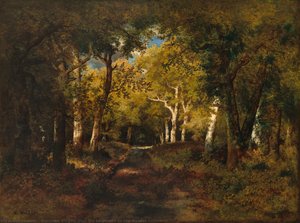
The Landscape painting by Narcisso Díaz De La Peña is a beautiful example of 19th-century art, showcasing the artist's skill in capturing serene and peaceful scenes. Created in 1850, this oil on panel piece measures 31 x 49 cm and is housed at the Victoria and Albert Museum in the United Kingdom.
The Landscape painting by Narcisso Díaz De La Peña is a beautiful example of 19th-century art, showcasing the artist's skill in capturing serene and peaceful scenes. With its soft colors and delicate brushstrokes, this oil on panel piece is a must-see for art enthusiasts. Visit TopImpressionists.com to explore more artworks like Landscape and discover the beauty of handmade oil painting reproductions.
Artistic Style and Influences
Narcisso Díaz De La Peña's artistic style is characterized by his use of soft colors and delicate brushstrokes, which create a sense of calmness and tranquility in his paintings. The Landscape painting is no exception, featuring a serene landscape with trees and a blue sky in the background. The scene is set on a dirt road surrounded by woods, giving it a peaceful atmosphere. For more information on Narcisso Díaz De La Peña's artworks, visit TopImpressionists.com.Notable Features and Details
The painting features several people scattered throughout the image, some closer to the foreground while others are further away. They appear to be enjoying their time outdoors, possibly taking a leisurely walk or engaging in other recreational activities. The presence of multiple individuals adds a sense of depth and liveliness to the scene, making it an inviting and picturesque image. To explore more artworks like Landscape, visit the TopImpressionists.com collection.- Artist: Narcisso Díaz De La Peña
- Painting Title: Landscape
- Museum: Victoria and Albert Museum
The Landscape painting by Narcisso Díaz De La Peña is a beautiful example of 19th-century art, showcasing the artist's skill in capturing serene and peaceful scenes. With its soft colors and delicate brushstrokes, this oil on panel piece is a must-see for art enthusiasts. Visit TopImpressionists.com to explore more artworks like Landscape and discover the beauty of handmade oil painting reproductions.
Întrebări și răspunsuri
Cum se îmbină contrastul și armonia în "Landscape"?
În "Landscape", un Balanced contrast se împletește cu o Discordant Palette armonie.
Există un ghid pentru "Landscape" de Narcisso Díaz De La Peña?
O pagină de Fișă informativă este disponibilă pentru "Landscape" de Narcisso Díaz De La Peña: o fișă informativă imprimabilă despre operă, concepută pentru elevi și utilizare în mediul școlar.
Cum se încadrează „Landscape” în temele și stilul lui Narcisso Díaz De La Peña?
În creația lui Narcisso Díaz De La Peña, „Landscape” se înscrie în stilul Romanticism, alături de temele romantic nature influence, pastoral tranquility theme, 19th century society, rural life observation, artist's landscape series, calm & contemplative mood, nature as escape motif, reflecting victorian values.
Opere similare



Biografie artist
Narcisso Díaz de la Peña: A Romantic Vision of Nature
Narcisso Díaz de la Peña (1807 – 1876) stands as a singular figure in Spanish Romantic landscape painting, renowned for his meticulous depictions of Iberian flora and fauna imbued with profound symbolic resonance. Born into a noble family in Zaragoza, Aragón, Díaz de la Peña’s artistic journey began modestly but swiftly ascended to prominence thanks to his unwavering dedication to capturing the sublime beauty of the natural world—a pursuit deeply rooted in the philosophical currents of his time. His life's work serves as a bridge between the scientific precision of the Enlightenment and the emotive, spiritual depth characteristic of the Romantic era.
His formative years were marked by exposure to Enlightenment ideals and scientific observation, yet he embraced Romanticism's emotive response to experience rather than rational analysis. Influenced heavily by Eugène Delacroix’s dramatic canvases and Friedrich Reinhold Rauwolf’s sublime landscapes, Díaz de la Peña sought to convey not merely visual impressions but also spiritual contemplation. This ambition is palpable in his celebrated works where he skillfully blends classical compositional principles with Romantic color palettes to evoke a mood of serene repose amidst exotic surroundings—a deliberate allusion to the fascination with Orientalism prevalent during the era.
Technique and the Art of Observation
Díaz de la Peña’s technique was characterized by painstaking detail and scientific accuracy. He meticulously studied botanical specimens, employing watercolor pigments mixed with gum arabic to achieve astonishing realism—a testament to his commitment to representing nature faithfully. Unlike many of his contemporaries who favored looser brushstrokes, Díaz de la Peña painstakingly layered washes of color, capturing subtle variations in texture and luminosity. This meticulous approach is particularly evident in his landscapes, where he renders dense foliage with remarkable precision, highlighting the interplay of light and shadow to convey a sense of atmospheric depth.
His mastery extended beyond mere botanical study into the realm of narrative and character. In works such as Girl with Dogs or Bohemiennes mendicantes, the artist demonstrates an ability to weave human presence into the natural landscape, creating scenes that feel both intimate and timeless. Whether working on oil on panel or utilizing more delicate mediums, his ability to manipulate light allowed him to transform a simple landscape into a tranquil, almost meditative experience for the viewer.
Legacy and Historical Significance
The historical significance of Narcisso Díaz de la Peña lies in his ability to elevate the landscape genre within the Spanish tradition. By merging the rigorous observation of nature with the emotional intensity of Romanticism, he provided a unique perspective that resonated far beyond the borders of Spain. His works, now preserved in prestigious institutions such as the Victoria and Albert Museum, continue to inspire awe through their soft colors and tranquil scenes.
To understand his contribution is to appreciate the following elements of his artistic identity:
- The Romantic Spirit: A profound focus on the emotional connection between the observer and the natural world.
- Scientific Precision: An unparalleled dedication to botanical and anatomical accuracy in his subjects.
- Atmospheric Mastery: The use of light and layered pigments to create depth, texture, and a sense of living air.
- Cultural Synthesis: The blending of Spanish landscape traditions with the broader European movements of Orientalism and Romanticism.

Narcisso Díaz De La Peña
1807 - 1876
Detalii rapide
- Artistic Movement Or Style: Romanticism
- Artists Who Influenced This Artist:
- Eugène Delacroix
- Caspar David Friedrich
- Date Of Birth: 1807
- Date Of Death: 1876
- Full Name: Narcisso Díaz de la Peña
- Nationality: Spanish
- Notable Artworks:
- Femmes mauresques au repos
- Sous bois
- Forêt de Fontainebleau
- Place Of Birth: Madrid, Spain
Articole similare

Peisaje Romantice Iconice: 10 Capodopere Artistice pentru Decorul de Lux
Descoperă 10 capodopere romantice iconice de Caspar David Friedrich, Turner și alți maeștri. Explorează istoria artei, emoțiile din peisaje și găsește tablouri canvas perfecte pentru decorul tău pe TopImpressionists.com!

Águeda Ruiz de la Prada: A Study of Eclecticism & Emotional Resonance in Contemporary Spanish Painting
Discover the vibrant world of Ágatha Ruiz de la Prada, a leading figure in contemporary Spanish art. Explore her eclectic style, emotional depth & legacy – a must-read for discerning collectors.

Narcisso Díaz de la Peña: Realism, Spanish Identity & Artistic Authenticity
Explore the life & work of Narcisso Díaz de la Peña, a key figure of the Barbizon school. Discover his captivating realism, Spanish influences, and enduring legacy in 19th-century art. Expert insights at TopImpressionists.

Goya: Cele Mai Iconice Capodopere – Artă Spaniolă pentru Decor Rafinat | TopImpressionists.ro
Descoperă cele mai frumoase 25 de picturi ale lui Francisco Goya! Explorează capodoperele romantice, portretele impresionante și gravurile puternice. Reproduceri artă spaniolă de calitate muzeală pentru un decor rafinat. Explorează colecția completă online pe TopImpressionists.com

Evoking Nature's Sublime: A Comprehensive Exploration of 19th-Century Landscape Painting
Explore the captivating world of 19th-century landscape painting! Discover renowned artists like Friedrich & Monet, key movements, and find the perfect artwork to bring nature's serenity into your home. Expert insights at TopImpressionists.