


 Previzualizare
 Trimite prin felicitare
 Distribuie
 Detalii despre lucrare
 Ghid
Ghid

 Descarcă imaginea
 Produse similare
 Radiografie
 Galerie foto
 Statistici
The Eternal Woman (study)


Explore Paul Cézanne's 'The Eternal Woman (study),' a vibrant and dynamic masterpiece blending mythology with Fauvist expression. Bold colors & loose brushwork create an evocative scene.
 Vezi mai mult
Evoluția unui Stil</h2>
Lucrările timpurii ale lui Cézanne reflectau adesea temele dramatice
Giclée / Imprimare artistică
Printuri giclée sau pe canvas de calitate muzeală, cu proces de producție rapid și opțiuni flexibile de finisare. ( Comandă pictură realizată manual Comută pe Imagine Digitală)




P118B lei10

P118H lei10

P118W lei10

P438Z lei10

P508JH lei12

P508YH lei12

P805H lei10

P805Z lei10

P919BZ lei10

P919G lei10

P919XJ lei10

P959ZH lei10

P968JZ lei12

W106C lei8

W218G lei10

W218JH lei8

W218Y lei10

W307PJ lei10

W316G lei10

W316PJ lei8

W316Y lei10

W398PJ lei8

W4111J lei10

W500HY lei15

W500JH lei15

W692G lei12

W849H lei8

W940BG lei15

W953PJ lei8




Standard
personalizat
CM
INCH
Alegeți dintre dimensiunile noastre prestabilite, care respectă proporțiile originale ale operei de artă.
Loading sizes...

lățime
înălțime
Introduceți lățimea și înălțimea necesare pentru a se potrivi ramei sau peretelui dumneavoastră. O printare poate fi doar tăiată, niciodată extinsă dincolo de dimensiunea imaginii originale, astfel încât o dimensiune cu o formă diferită va pierde o parte din imagine. Vă trimitem o simulare digitală pentru aprobare înainte de a imprima orice. Imaginea afișată pe această pagină nu prezintă tăierea reală — doar simularea arată acest lucru.
Livrare în întreaga lume () în 2 săptămâni, în loc de cele 4/5 săptămâni standard. (25 Octombrie)

Livrare expres gratuită la nivel mondial

Pânză de in de înaltă calitate

Asigurare completă pentru transport

Garanție de rambursare a taxelor vamale

Garanția fidelității culorilor

Politica de retur în 100 de zile (doar pentru defecte de fabricație)

Garanție de rambursare 100%

Ofertă pentru comenzi multiple
 Opțiunea cu sticlă este disponibilă doar pentru dimensiuni de sub 110 cm

The Eternal Woman (study)
Giclée / Imprimare artistică
Dimensiune reproducere
-


Preț total calculat
lei 319
The Eternal Woman (study) by Paul Cézanne: A Study in Myth and Modernity
- Artist: Paul Cézanne
- Date: Unknown, circa 1877
- Style: Early Fauvism, Post-Impressionism
A Dynamic Depiction of Venus and Adonis
Paul Cézanne’s “The Eternal Woman (study)” offers a captivating glimpse into the artist's exploration of classical mythology through a strikingly modern lens. This artwork presents a vibrant and dynamic depiction of the mythological scene of Venus and Adonis, but rendered in a loose, expressive style that foreshadows the Fauvist movement. The composition is deliberately crowded and chaotic, with figures overlapping and interacting within a shallow space, creating a sense of immediacy and emotional intensity. At the center stands Venus, reclining elegantly amidst a throng of male admirers, each reacting to her presence with varying degrees of admiration, pursuit, and ultimately, despair.
Style and Technique: Embracing Color and Emotion
Cézanne prioritizes color and emotional impact over realistic representation in this piece. The painting utilizes bold, flattened shapes and simplified forms, a hallmark of his evolving style that would later influence Cubism. Lines are loose and gestural, contributing to the sense of movement and energy that permeates the canvas. Textures appear rough and impasto-like due to the visible brushstrokes and layering of oil paints on canvas. The dramatic lighting, with a strong directional light source illuminating Venus, creates deep shadows that define the forms and enhance the overall dynamism. The disregard for traditional perspective further emphasizes the artist's focus on conveying atmosphere and emotion rather than spatial accuracy.
Symbolism and Historical Context
“The Eternal Woman (study)” draws directly from classical mythology, specifically the tragic love story between Venus and Adonis. The symbolism is rich: Venus’s nudity represents beauty and desire, while the surrounding men embody a spectrum of human reactions to these forces. This work was created during a period when artists were increasingly moving away from strict academic realism towards more subjective and expressive forms of art. Cézanne's exploration of simplified forms and intense colors aligns with the burgeoning Fauvist movement, which sought to liberate color from its descriptive function and use it as a primary means of expression. The painting reflects a broader cultural fascination with classical themes reinterpreted through a modern sensibility.
Emotional Impact and Lasting Legacy
The emotional impact of “The Eternal Woman (study)” lies in its raw energy and expressive brushwork. The vibrant color palette – predominantly blues and reds contrasted with yellows and browns – amplifies the sense of drama and passion. While seemingly chaotic at first glance, the composition reveals a carefully considered arrangement that draws the viewer’s eye to Venus while simultaneously conveying the complex dynamics between her and her admirers. This work stands as a testament to Cézanne's revolutionary vision and his profound influence on the development of modern art, bridging the gap between Impressionism and Cubism and paving the way for future generations of artists.
Întrebări și răspunsuri
În ce perioadă a carierei lui Paul Cézanne se încadrează "The Eternal Woman (study)"?
"The Eternal Woman (study)" reprezintă perioada Early Period a lui Paul Cézanne.
Este "The Eternal Woman (study)" o idee bună de cadou?
"The Eternal Woman (study)" de Paul Cézanne este recomandată ca cadou pentru Anniversary. O reproducere a acestei opere de artă poate fi oferită ca prezent.
„The Eternal Woman (study)” este mai degrabă o lucrare luminoasă sau întunecată în ansamblu?
Valorile înregistrate pentru "The Eternal Woman (study)" de Paul Cézanne sunt: luminozitate de balanced, luminanță de Soft Shadow.
Opere similare


Biografie artist
O Viziune Revoluționară: Viața și Opera lui Paul Cézanne
Paul Cézanne, născut la Aix-en-Provence în 1839, se ridică drept o figură monumentală, făcând legătura între impresiile efemere ale Impresionismului și formele fragmentate ale Cubismului. Calea sa nu a fost una de aclamație imediată; ci mai degrabă o ardere lentă a explorării artistice, marcată de perioade de îndoială de sine și respingere critică, culminând în cele din urmă într-o moștenire care ar schimba irevocabil cursul artei moderne. Născut într-o familie prosperă – tatăl său fiind inițial pălărier, devenind ulterior bancher – Cézanne s-a bucurat de o siguranță financiară neobișnuită pentru un artist aspirant, permițându-i libertatea de a se dedica pasiunii sale fără presiunile imediate ale succesului comercial. Deși inițial îndrumat spre o carieră juridică de ambițiile tatălui său, atracția expresiei artistice s-a dovedit prea puternică și a abandonat în cele din urmă dreptul pentru a urma pictura, o decizie care i-ar defini viața. Influențe timpurii au inclus Romantismul prevalent în tinerețea sa și dedicarea școlii Barbizon peisajului, dar prin întâlniri cu artiști precum Paul Gauguin și Georges Seurat, și abordările lor inovatoare ale culorii și formei, Cézanne a început să-și forgeze propria cale distinctă.De la Întuneric la Structură: Evoluția unui Stil
Lucrările timpurii ale lui Cézanne reflectau adesea temele dramatice, încărcate emoțional caracteristice picturii Romantice – palete întunecate și pensule expresive dominând pânzele sale. Cu toate acestea, această fază inițială a fost doar o treaptă către o abordare mult mai analitică și revoluționară. Nemulțumit de simpla capturare a impresiilor fugare ale luminii, așa cum favorizau Impresioniștii, Cézanne a pornit într-o căutare pentru a înțelege și reprezenta structura fundamentală a obiectelor în sine. Nu a urmărit doar *ce* vedea, ci *cum* percepea formele fundamentale care constituiau realitatea. Acest lucru l-a determinat să descompună formele naturale în echivalentele lor geometrice – conuri, cilindri, sfere – anticipând revoluția Cubistă cu decenii înainte de materializarea ei. Tehnica sa a devenit caracterizată prin pensule mici, repetitive, meticulos stratificate pentru a construi câmpuri complexe de culoare și textură, creând un sentiment de soliditate și profunzime nevăzute anterior în pictură. Nu era interesat de spațiul iluzoriu; în schimb, prezenta adesea obiecte din mai multe puncte de vedere simultan, contestând noțiunile tradiționale de perspectivă și forțând privitorul să se angajeze activ cu natura construită a compozițiilor sale. Această distorsiune deliberată nu a fost arbitrară, ci mai degrabă o încercare de a transmite o înțelegere mai completă a formei, reprezentând nu doar un moment unic în timp, ci o sinteză a percepției.Peisaje, Naturi Moarte și Forma Umană: Lucrări Cheie și Motive Recurente
Opera lui Cézanne este remarcabil de diversă, cuprinzând peisaje, naturi moarte, portrete și reprezentări ale scăldătoarelor, dar toate sunt unite prin abordarea sa unică a formei și culorii. Lacul de la Jas de Bouffan, pictat în 1880, exemplifică munca sa peisagistică, demonstrând capacitatea sa de a surprinde esența naturii printr-o aranjare atentă a formelor și tonurilor. Portretul lui Émile Zola, creat în 1866, dezvăluie stilul său în evoluție și oferă o privire convingătoare asupra intensității intelectuale a prietenului său apropiat și coleg scriitor. Naturile sale moarte, cum ar fi cele cu mere și alte fructe, nu sunt doar reprezentări ale obiectelor, ci mai degrabă explorări ale volumului, luminii și relațiilor spațiale. Seria Mont Sainte-Victoire a devenit o obsesie pentru Cézanne, un motiv recurent care i-a permis să investigheze neîncetat forma și perspectiva timp de decenii. Aceste picturi nu sunt doar reprezentări ale unui munte; ele sunt studii despre modul în care percepem profunzimea, volumul și interacțiunea luminii și umbrei. În cele din urmă, seria sa de Scăldătoare, descriind figuri goale în peisaje idilice, reprezintă o explorare profundă a formei umane și a conexiunii sale cu natura, adesea încărcată cu un sentiment de atemporalitate și contemplație liniștită.O Moștenire Forjată în Inovație: Influența lui Cézanne asupra Artei Moderne
Impactul lui Paul Cézanne asupra generațiilor ulterioare de artiști este imensurabil. Este considerat pe scară largă „părintele artei moderne” pentru contribuțiile sale revoluționare la limbajul pictural, deschizând calea pentru multe dintre principalele mișcări artistice ale secolului al XX-lea. Pablo Picasso și Georges Braque au fost profund îndatorați accentului lui Cézanne asupra formelor geometrice și a perspectivelor multiple, care au devenit elemente centrale ale Cubismului. Utilizarea sa îndrăzneață a culorii a inspirat, de asemenea, mișcarea Fauvistă, condusă de artiști precum Henri Matisse, care au îmbrățișat nuanțe vibrante, nenaturale. Chiar și artiștii suprarealiști au găsit rezonanță în explorarea percepției subiective și a profunzimii psihologice a lui Cézanne. Dincolo de mișcările specifice, insistența lui Cézanne asupra viziunii personale a artistului și respingerea constrângerilor academice tradiționale au eliberat generații de pictori să exploreze noi forme de expresie. A contestat chiar definiția reprezentării, schimbând accentul de la imitarea realității la construirea unei experiențe vizuale bazate pe structura fundamentală și percepția subiectivă. Moartea sa în 1906 nu a marcat un sfârșit, ci un început – zorii unei noi ere în istoria artei, una profund modelată de viziunea sa revoluționară.
Paul Cézanne
1839 - 1906 , Franța
Detalii rapide
- Artistic Movement Or Style: Postimpresionism
- Artists Or Movements Influenced By This Artist:
- Cubism
- Fauvism
- Artists Who Influenced This Artist:
- Romanticism
- Barbizon school
- Date Of Birth: 19 ianuarie 1839
- Date Of Death: 22 octombrie 1906
- Full Name: Paul Cézanne
- Nationality: Francez
- Notable Artworks:
- The Pond at Jas de Bouffan
- Portrait of Émile Zola
- Mont Sainte-Victoire
- Place Of Birth (City And Country): Aix-en-Provence, Franța
Articole similare

Mastering Form: A Definitive Guide to the Structural Genius of Paul Cézanne
Explore the structural genius of Paul Cézanne. Discover how his mastery of geometric form and color bridged Impressionism and Cubism in this definitive guide for art enthusiasts and collectors.

Top 10 Capodopere Fauviste: Explozie de Culoare și Expresivitate în Artă | TopImpressionists.ro
Descoperă Top 10 capodopere fauviste – Matisse, Derain și alți maeștri ai culorii! Explorează istoria, tehnicile și expresivitatea picturilor fauve. Reproduceri de artă de calitate muzeală pe TopImpressionists.com. Inspiră-te pentru decorul tău!

Paul Cézanne: Cele Mai Reprezentative 25 De Capodopere – Artă, Istorie și Decorațiuni Interioare
Descoperă cele mai frumoase 25 de capodopere Paul Cézanne! Explorează istoria, tehnicile și semnificația picturilor impresioniste iconice. Reproduceri artă de calitate muzeală & inspirație decor interioară pe TopImpressionists.com.

Paul Klee: Cele Mai Iubite 25 de Capodopere – Artă Abstractă pentru Decorul Casei Tale | TopImpressionists.ro
Descoperă cele mai emblematice 25 de picturi Paul Klee! Explorează istoria, stilul expresionist și paleta unică a acestui maestru al artei abstracte. Reproduceri de calitate muzeală pentru decorul perfect. Descoperă toate capodoperele pe TopImpressionists.com
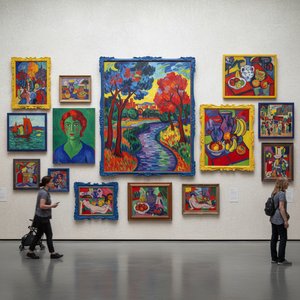
Top 10 Capodopere Fauviste: Culoare și Emoție în Arta Modernă | TopImpressionists.ro
Descoperă Top 10 capodopere fauviste – Matisse, Derain și alți maeștri ai culorii! Explorează istoria artei moderne, tehnicile îndrăznețe și emoția vibrantă din picturile fauviste. Reproduceri de artă premium pe TopImpressionists.ro
Explorați opere de artă organizate pe teme, stiluri și caracteristici.


