


 Previzualizare
 Trimite prin felicitare
 Distribuie
 Detalii despre lucrare
 Ghid
Ghid

 Descarcă imaginea
 Produse similare
 Radiografie
 Galerie foto
 Statistici
The Obstpfluckerin
 Ulei pe pânză
- Artă murală
- Post-Impressionism
 1877
1877- Secolul al XIX-lea
 15.0 x 22.0 cm
Descoperiți "The Obstpfluckerin", o capodopera post-impresionistă a lui Paul Cézanne! O pictură vibrantă ce surprinde viața rurală cu o perspectivă unică și emoție profundă. Explorează arta lui Cézanne!
 Vezi mai mult
Evoluția unui Stil</h2>
Lucrările timpurii ale lui Cézanne reflectau adesea temele dramatice
Reproducere pictată manual în ulei
Pictură în ulei pe pânză, pictată manual de artiștii noștri la dimensiunea și ramele dorite de dumneavoastră, pe comandă. ( Comută pe versiunea Print Comută pe Imagine Digitală)




P118B lei10

P118H lei10

P118W lei10

P438Z lei10

P508JH lei12

P508YH lei12

P805H lei10

P805Z lei10

P919BZ lei10

P919G lei10

P919XJ lei10

P959ZH lei10

P968JZ lei12

W106C lei8

W218G lei10

W218JH lei8

W218Y lei10

W307PJ lei10

W316G lei10

W316PJ lei8

W316Y lei10

W398PJ lei8

W4111J lei10

W500HY lei15

W500JH lei15

W692G lei12

W849H lei8

W940BG lei15

W953PJ lei8




Standard
personalizat
CM
INCH
Alegeți dintre dimensiunile noastre prestabilite, care respectă proporțiile originale ale operei de artă.
Loading sizes...

lățime
înălțime
Introduceți lățimea și înălțimea necesare pentru a se potrivi ramei sau peretelui dumneavoastră. Această lucrare este pictată manual, așa că, pentru o dimensiune cu o formă diferită, artistul poate picta puțin mai mult în jurul imaginii sau poate tăia puțin din margini — dumneavoastră decideți. Vă vom trimite o simulare digitală pentru aprobare înainte de a începe pictarea. Imaginea afișată pe această pagină nu reprezintă rezultatul real — doar simularea este reprezentativă.
Exemple de elemente ce pot fi personalizate: Înlocuiți fața cu fotografia clientului; Adăugați un animal de companie (de exemplu, înlocuiți pisica cu un câine); Includeți un mesaj ascuns în fundal; Schimbați peisajul sau elementele din fundal.
După plasarea comenzii, echipa TopImpressionists.com va contacta clientul prin e-mail pentru instrucțiuni și îi va furniza o previzualizare a machetei
După plasarea comenzii, echipa TopImpressionists.com va contacta clientul prin e-mail pentru instrucțiuni și îi va furniza o previzualizare a machetei
Livrare în întreaga lume () în 3-4 săptămâni, în loc de cele 5 săptămâni standard. (25 Octombrie). Fără compromisuri în ceea ce privește calitatea.

Livrare expres gratuită la nivel mondial

Pânză de in de înaltă calitate

Asigurare completă pentru transport

Garanție de rambursare a taxelor vamale

Garanția fidelității culorilor

Politica de retur în 100 de zile (doar pentru defecte de fabricație)

Garanție de rambursare 100%

Ofertă pentru comenzi multiple
 Opțiunea cu sticlă este disponibilă doar pentru dimensiuni de sub 110 cm

The Obstpfluckerin
Tehnică de reproducere
Dimensiune reproducere
-


Preț total calculat
lei 1246
Paul Cezanne – “The Obstpfluckerin” – A Window into Rural Life and Modern Vision
“The Obstpfluckerin,” painted by Paul Cézanne in 1877, isn’t merely a depiction of a rural scene; it's a profound exploration of perception and the very essence of being. This oil on canvas, measuring just 15 x 22 cm, encapsulates the pivotal moment when Impressionism began to fracture, giving rise to Post-Impressionism – a movement Cézanne fundamentally shaped. More than a snapshot of fruit pickers at work, it’s a carefully constructed meditation on form, color, and the relationship between the artist and his subject.
Cézanne's genius lay in his ability to strip away the superficial appearance of reality and reveal its underlying structure. He wasn’t interested in capturing a fleeting impression of light; instead, he sought to represent the *idea* of the scene – the solidity of the trees, the weight of the figures, the very geometry of the landscape. Notice how he uses sharp, deliberate brushstrokes, not blending colors smoothly as Impressionists did, but rather applying them in distinct planes, creating a sense of depth and volume that feels remarkably tangible. The composition itself is deliberately unbalanced, drawing our eye to the dynamic interplay between the foreground figures and the receding background – a technique anticipating the fractured perspectives of Cubism.
A Glimpse into 19th-Century Provence
The painting transports us to the sun-drenched hills of Provence, a region deeply ingrained in Cézanne’s life and artistic inspiration. The scene unfolds with quiet dignity: two figures, presumably laborers, engaged in the laborious task of gathering fruit. Their faces are deliberately obscured, emphasizing their role as anonymous participants within a larger, timeless landscape. This deliberate anonymity elevates the painting beyond a simple genre portrayal; it becomes a universal representation of human activity and the rhythms of rural life. The setting itself – the grassy slopes, the gnarled trees, the distant horse – evokes a sense of familiarity and connection to the natural world, a theme that would become increasingly central to Cézanne’s work.
Color, Form, and Emotional Resonance
Cézanne's masterful use of color is crucial to the painting’s impact. He employs a restrained palette – predominantly greens, blues, and whites – but imbues each hue with remarkable intensity. The dappled sunlight filtering through the foliage creates a vibrant interplay of light and shadow, adding depth and dynamism to the scene. The colors aren't used to mimic reality; they are chosen for their expressive qualities, contributing to the painting’s overall emotional resonance. There is a sense of warmth and serenity, tempered by the hard work depicted – a quiet contemplation on labor and life.
Legacy and Modern Art
“The Obstpfluckerin” stands as a pivotal work in art history, marking a decisive shift away from Impressionism’s emphasis on fleeting impressions. Cézanne's innovations profoundly influenced generations of artists, including Vincent van Gogh and Pablo Picasso. His exploration of form, color, and perspective paved the way for modern art movements like Cubism and Fauvism. Reproductions of this painting offer a unique opportunity to experience firsthand the groundbreaking vision of one of the 20th century’s most influential painters – a testament to Cézanne's ability to transform everyday life into enduring works of art.
Întrebări și răspunsuri
Ce nivel de contrast prezintă "The Obstpfluckerin" de Paul Cézanne?
"The Obstpfluckerin" de Paul Cézanne prezintă un contrast Contrast accentuat între zonele luminoase și cele întunecate.
Ce formă și ce dimensiuni are "The Obstpfluckerin" de Paul Cézanne?
Formatul lucrării „The Obstpfluckerin” este Peisaj, iar dimensiunile originale sunt 15 x 22 cm. Ambele informații sunt utile atunci când planificați o reproducere.
Unde pot găsi statistici despre "The Obstpfluckerin" de Paul Cézanne?
Există o pagină de Statistici pentru "The Obstpfluckerin". Aceasta prezintă graficul vizitelor lunare pentru această operă și pentru celelalte lucrări ale artistului, cu detalii pe țări și limbi vorbite.
Opere similare


Biografie artist
O Viziune Revoluționară: Viața și Opera lui Paul Cézanne
Paul Cézanne, născut la Aix-en-Provence în 1839, se ridică drept o figură monumentală, făcând legătura între impresiile efemere ale Impresionismului și formele fragmentate ale Cubismului. Calea sa nu a fost una de aclamație imediată; ci mai degrabă o ardere lentă a explorării artistice, marcată de perioade de îndoială de sine și respingere critică, culminând în cele din urmă într-o moștenire care ar schimba irevocabil cursul artei moderne. Născut într-o familie prosperă – tatăl său fiind inițial pălărier, devenind ulterior bancher – Cézanne s-a bucurat de o siguranță financiară neobișnuită pentru un artist aspirant, permițându-i libertatea de a se dedica pasiunii sale fără presiunile imediate ale succesului comercial. Deși inițial îndrumat spre o carieră juridică de ambițiile tatălui său, atracția expresiei artistice s-a dovedit prea puternică și a abandonat în cele din urmă dreptul pentru a urma pictura, o decizie care i-ar defini viața. Influențe timpurii au inclus Romantismul prevalent în tinerețea sa și dedicarea școlii Barbizon peisajului, dar prin întâlniri cu artiști precum Paul Gauguin și Georges Seurat, și abordările lor inovatoare ale culorii și formei, Cézanne a început să-și forgeze propria cale distinctă.De la Întuneric la Structură: Evoluția unui Stil
Lucrările timpurii ale lui Cézanne reflectau adesea temele dramatice, încărcate emoțional caracteristice picturii Romantice – palete întunecate și pensule expresive dominând pânzele sale. Cu toate acestea, această fază inițială a fost doar o treaptă către o abordare mult mai analitică și revoluționară. Nemulțumit de simpla capturare a impresiilor fugare ale luminii, așa cum favorizau Impresioniștii, Cézanne a pornit într-o căutare pentru a înțelege și reprezenta structura fundamentală a obiectelor în sine. Nu a urmărit doar *ce* vedea, ci *cum* percepea formele fundamentale care constituiau realitatea. Acest lucru l-a determinat să descompună formele naturale în echivalentele lor geometrice – conuri, cilindri, sfere – anticipând revoluția Cubistă cu decenii înainte de materializarea ei. Tehnica sa a devenit caracterizată prin pensule mici, repetitive, meticulos stratificate pentru a construi câmpuri complexe de culoare și textură, creând un sentiment de soliditate și profunzime nevăzute anterior în pictură. Nu era interesat de spațiul iluzoriu; în schimb, prezenta adesea obiecte din mai multe puncte de vedere simultan, contestând noțiunile tradiționale de perspectivă și forțând privitorul să se angajeze activ cu natura construită a compozițiilor sale. Această distorsiune deliberată nu a fost arbitrară, ci mai degrabă o încercare de a transmite o înțelegere mai completă a formei, reprezentând nu doar un moment unic în timp, ci o sinteză a percepției.Peisaje, Naturi Moarte și Forma Umană: Lucrări Cheie și Motive Recurente
Opera lui Cézanne este remarcabil de diversă, cuprinzând peisaje, naturi moarte, portrete și reprezentări ale scăldătoarelor, dar toate sunt unite prin abordarea sa unică a formei și culorii. Lacul de la Jas de Bouffan, pictat în 1880, exemplifică munca sa peisagistică, demonstrând capacitatea sa de a surprinde esența naturii printr-o aranjare atentă a formelor și tonurilor. Portretul lui Émile Zola, creat în 1866, dezvăluie stilul său în evoluție și oferă o privire convingătoare asupra intensității intelectuale a prietenului său apropiat și coleg scriitor. Naturile sale moarte, cum ar fi cele cu mere și alte fructe, nu sunt doar reprezentări ale obiectelor, ci mai degrabă explorări ale volumului, luminii și relațiilor spațiale. Seria Mont Sainte-Victoire a devenit o obsesie pentru Cézanne, un motiv recurent care i-a permis să investigheze neîncetat forma și perspectiva timp de decenii. Aceste picturi nu sunt doar reprezentări ale unui munte; ele sunt studii despre modul în care percepem profunzimea, volumul și interacțiunea luminii și umbrei. În cele din urmă, seria sa de Scăldătoare, descriind figuri goale în peisaje idilice, reprezintă o explorare profundă a formei umane și a conexiunii sale cu natura, adesea încărcată cu un sentiment de atemporalitate și contemplație liniștită.O Moștenire Forjată în Inovație: Influența lui Cézanne asupra Artei Moderne
Impactul lui Paul Cézanne asupra generațiilor ulterioare de artiști este imensurabil. Este considerat pe scară largă „părintele artei moderne” pentru contribuțiile sale revoluționare la limbajul pictural, deschizând calea pentru multe dintre principalele mișcări artistice ale secolului al XX-lea. Pablo Picasso și Georges Braque au fost profund îndatorați accentului lui Cézanne asupra formelor geometrice și a perspectivelor multiple, care au devenit elemente centrale ale Cubismului. Utilizarea sa îndrăzneață a culorii a inspirat, de asemenea, mișcarea Fauvistă, condusă de artiști precum Henri Matisse, care au îmbrățișat nuanțe vibrante, nenaturale. Chiar și artiștii suprarealiști au găsit rezonanță în explorarea percepției subiective și a profunzimii psihologice a lui Cézanne. Dincolo de mișcările specifice, insistența lui Cézanne asupra viziunii personale a artistului și respingerea constrângerilor academice tradiționale au eliberat generații de pictori să exploreze noi forme de expresie. A contestat chiar definiția reprezentării, schimbând accentul de la imitarea realității la construirea unei experiențe vizuale bazate pe structura fundamentală și percepția subiectivă. Moartea sa în 1906 nu a marcat un sfârșit, ci un început – zorii unei noi ere în istoria artei, una profund modelată de viziunea sa revoluționară.
Paul Cézanne
1839 - 1906 , Franța
Detalii rapide
- Artistic Movement Or Style: Postimpresionism
- Artists Or Movements Influenced By This Artist:
- Cubism
- Fauvism
- Artists Who Influenced This Artist:
- Romanticism
- Barbizon school
- Date Of Birth: 19 ianuarie 1839
- Date Of Death: 22 octombrie 1906
- Full Name: Paul Cézanne
- Nationality: Francez
- Notable Artworks:
- The Pond at Jas de Bouffan
- Portrait of Émile Zola
- Mont Sainte-Victoire
- Place Of Birth (City And Country): Aix-en-Provence, Franța
Articole similare

Cultivating Visions: Rural Life & Social Commentary in Art History
Explore the rich history of rural life in art! Discover masterpieces from Dutch Masters to Van Gogh & Courbet. Uncover artistic movements, social significance & expert collecting insights at TopImpressionists.

Paul Cézanne: Cele Mai Reprezentative 25 De Capodopere – Artă, Istorie și Decorațiuni Interioare
Descoperă cele mai frumoase 25 de capodopere Paul Cézanne! Explorează istoria, tehnicile și semnificația picturilor impresioniste iconice. Reproduceri artă de calitate muzeală & inspirație decor interioară pe TopImpressionists.com.

Echoes of Rural Life: Art's Enduring Representations of the Countryside
Explore the rich history of rural life in art! Discover masterpieces from Millet to Mauve & beyond. Learn about Realism, Barbizon School & find inspiration for your home with TopImpressionists.
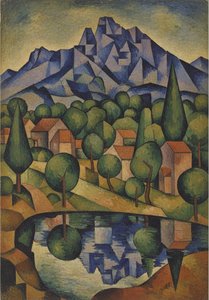
Mastering the Post-Impressionist Vision: A Definitive Guide to the Geometric Soul of Cézanne’s Artistry
Explore the profound legacy of Paul Cézanne. Discover how his mastery of geometric forms and vibrant color bridged Impressionism and Cubism, offering timeless inspiration for fine art collectors and enthusiasts seeking to understand the foundations of modern art.

Echoes of Rural Life: Nostalgia, Labor & Identity in Art History
Explore the rich history of rural life in art! Discover how Realism captured labor & identity through masterpieces by Van Gogh, Millet & more. Expert analysis for collectors and enthusiasts.
Explorați opere de artă organizate pe teme, stiluri și caracteristici.


