

 Previzualizare
 Trimite prin felicitare
 Distribuie
 Detalii despre lucrare
 Ghid
Ghid

 Descarcă imaginea
 Produse similare
 Radiografie
 Galerie foto
 Întrebări și răspunsuri
 Statistici
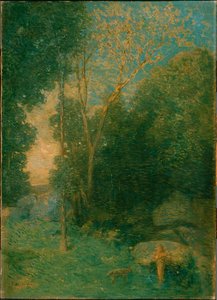
INTERIEUR DE FORET (COMPIEGNE)


Discover 'Interieur de Foret (Compiegne)' by Paul Huet – a captivating Romantic landscape painting. Explore its atmospheric brushstrokes, forest scene & human element. #art #landscapepainting #frenchart
 Vezi mai mult
Paul Huet (1803-1869) a fost un peisagist francez cunoscut pentru stilul său romantic și influența asupra școlii Barbizon și a impresionismului. Explorează acuarelele și picturile sale în ulei evocate.
Giclée / Imprimare artistică
Printuri giclée sau pe canvas de calitate muzeală, cu proces de producție rapid și opțiuni flexibile de finisare. ( Comandă pictură realizată manual Comută pe Imagine Digitală)




P118B lei10

P118H lei10

P118W lei10

P438Z lei10

P508JH lei12

P508YH lei12

P805H lei10

P805Z lei10

P919BZ lei10

P919G lei10

P919XJ lei10

P959ZH lei10

P968JZ lei12

W106C lei8

W218G lei10

W218JH lei8

W218Y lei10

W307PJ lei10

W316G lei10

W316PJ lei8

W316Y lei10

W398PJ lei8

W4111J lei10

W500HY lei15

W500JH lei15

W692G lei12

W849H lei8

W940BG lei15

W953PJ lei8




Standard
personalizat
CM
INCH
Alegeți dintre dimensiunile noastre prestabilite, care respectă proporțiile originale ale operei de artă.
Loading sizes...

lățime
înălțime
Introduceți lățimea și înălțimea necesare pentru a se potrivi ramei sau peretelui dumneavoastră. O printare poate fi doar tăiată, niciodată extinsă dincolo de dimensiunea imaginii originale, astfel încât o dimensiune cu o formă diferită va pierde o parte din imagine. Vă trimitem o simulare digitală pentru aprobare înainte de a imprima orice. Imaginea afișată pe această pagină nu prezintă tăierea reală — doar simularea arată acest lucru.
Livrare în întreaga lume () în 2 săptămâni, în loc de cele 4/5 săptămâni standard. (3 Noiembrie)

Livrare expres gratuită la nivel mondial

Pânză de in de înaltă calitate

Asigurare completă pentru transport

Garanție de rambursare a taxelor vamale

Garanția fidelității culorilor

Politica de retur în 100 de zile (doar pentru defecte de fabricație)

Garanție de rambursare 100%

Ofertă pentru comenzi multiple
 Opțiunea cu sticlă este disponibilă doar pentru dimensiuni de sub 110 cm

INTERIEUR DE FORET (COMPIEGNE)
Giclée / Imprimare artistică
Dimensiune reproducere
-


Preț total calculat
lei 333
The Enveloping Mystery of the Woodland
To stand before Paul Huet’s depiction of an interior forest—Intérieur de Forêt (Compiègne)—is not merely to observe a landscape; it is to step through a veil into a moment suspended between light and shadow. The painting immerses the viewer in the profound, almost palpable atmosphere of a dense woodland. Huet masterfully captures the overwhelming presence of nature, where the vertical thrust of countless tree trunks creates an architectural rhythm, guiding the eye deep into the cool embrace of the woods. This is a scene steeped in the Romantic sensibility, suggesting that the forest itself is a character, whispering secrets only to those who listen closely.
A Study in Light and Atmosphere
Technically, Huet’s handling of oil paint is breathtakingly evocative. One can almost feel the texture beneath the surface; the visible brushstrokes speak to an artist deeply engaged with his medium, prioritizing feeling over flawless polish. The light here is not direct but diffused—a celestial curtain filtering through a thick canopy overhead. This dappled illumination creates pockets of ethereal brightness on the forest floor and catches the edges of foliage, giving the scene a luminous quality despite its deep shadows. The palette relies heavily on earthy greens and rich browns, punctuated by those brilliant, almost accidental touches of yellow and white that suggest hope or revelation within the gloom.
Romantic Echoes and Human Presence
Historically, this work situates itself perfectly within the currents of 19th-century Romanticism. Huet, a pioneer whose vision bridged the gap between academic training and the burgeoning spirit of Impressionism, understood that nature was a mirror for the human soul. The inclusion of a small figure, subtly placed near the lower right corner, is crucial. This solitary presence acts as an anchor, providing scale and narrative focus against the immensity of the woods. It suggests contemplation—a moment where humanity pauses before the sublime power of the natural world, finding both solitude and companionship within its embrace.
Symbolism for the Modern Sanctuary
For the contemporary collector or designer, this piece transcends mere decoration; it functions as an emotional conduit. The forest setting symbolizes retreat, introspection, and the enduring connection to something wild and untamed. It speaks to a modern yearning for sanctuary—a place away from the clamor of urban life. Reproducing Intérieur de Forêt allows one to bring that sense of hushed tranquility into a formal interior space, transforming a room into a contemplative haven. The artwork doesn't shout its beauty; it whispers it, inviting quiet reflection upon its textured, deeply atmospheric surface.
Întrebări și răspunsuri
Din ce materiale este realizată „INTERIEUR DE FORET (COMPIEGNE)”?
"INTERIEUR DE FORET (COMPIEGNE)" este realizat în Oil On Canvas."
Unde pot vedea originalul "INTERIEUR DE FORET (COMPIEGNE)" de Paul Huet?
"INTERIEUR DE FORET (COMPIEGNE)" de Paul Huet este expusă la Muzeul Luvru, Paris, France. Mențiunea muzeului se referă la lucrarea originală, nu la reproduceri.
Este "INTERIEUR DE FORET (COMPIEGNE)" reprezentativ pentru temele abordate de obicei de Paul Huet?
"INTERIEUR DE FORET (COMPIEGNE)" înfățișează forest landscape, romantic art, natural scene, atmospheric view, tree silhouettes, human figure, tranquil nature, dark woods, în timp ce temele recurente ale lui Paul Huet sunt key work in huet's career, demonstrates romantic vision, influential on impressionists, romantic landscape tradition, french barbizon school style, emphasis on atmospheric mood, connection to nature's power, solitude and reflection. Compararea celor două relevă modul în care această lucrare se raportează la subiectele obișnuite ale artistului.
Opere similare



Biografie artist
Paul Huet: Un pionier al peisajului romantic
Paul Huet (1803-1869) se impune ca o figură pivotantă, deși adesea subestimată, în arta franceză a secolului al XIX-lea – un pictor de peisaje care a influențat profund atât Școala Barbizon, cât și primii impresionisti. Născut în Paris, într-un climat artistic în plină expansiune, călătoria lui Huet a fost una de observație neîncetată, o conexiune profundă cu natura și o respingere deliberată a tendințelor neoclasice dominante. Opera sa nu era doar o simplă reprezentare a peisajelor; era o încercare de a surprinde însăși esența luminii, a atmosferei și a frumuseții efemere a lumii naturale, o căutare care i-a consolidat locul de inovator cheie în pictura franceză.Influențe timpurii și formarea artistică
Dezvoltarea artistică a lui Huet a început cu o bază solidă în tehnici tradiționale. A primit instruire timpurie de la fostul pupill al lui Jacques-Louis David, Jean-Julien Deltil, urmată de studiile la École des Beaux-Arts sub îndrumarea lui Pierre Guérin și Antoine-Jean Gros. În mod crucial, calea sa s-a intersectat cu cea a lui Richard Parkes Bonington, un coleg de studii în atelierul lui Gros. Această întâlnire s-a dovedit a fi transformatoare. Abordarea lui Bonington față de pictura plein-air – lucrul direct din natură – l-a captivat pe Huet, conducingându-l să renunțe la formalitatea rigidă a Neoclassicismului și să îmbrățișeze un stil mai spontan și observațional. Tablourile britanice de peisaj prezentate la Salonul din 1824 au servit drept o revelație; capacitatea lui John Constable de a reda prospețimea și frumusețea verdefiatică, fără a recurge la umbre întunecate sau la artificii, a rezonat profund în Huet, modelându-i propria filosofie artistică. El a descris faimos opera lui Constable ca fiind „poate prima dată când cineva a simțit prospețimea, când a văzut o natură luxuriantă și verde, fără negru, grosolănii sau manierism”.Recunoașterea la Salon și implicarea politică
Cariera artistică a lui Huet a căpătat impuls cu debutul său la Salonul din 1827, unde una dintre cele opt picturi prezentate a fost acceptată. El a continuat să expună regulat la Salon pe parcursul anilor 1830 și 1840, construindu-și treptat o reputație printre critici și colecționari. Eugène Delacroix, un confrie artist și prieten apropiat, a susținut opera lui Huet, recunoscând calitățile sale unice. Totuși, Étienne-Jean Delécluze a oferit o perspectivă mai critică, văzându-l pe Huet ca fiind excesiv de devotat lui Constable și Turner, neglijând uneori principiile fundamentale ale compoziției. Dincolo de pasiunile sale artistice, Huet a fost un participant activ în Revoluția din Iulie din 1830 și ulterior implicat în politica republicană, reflectând climatul social și politic turbulent al Franței de atunci. Angajamentul său față de aceste idealuri i-a adus recunoaștere din partea regelui Louis-Philippe, care i-a dăruit o pereche de vase din porțelan de Sèvres în 1844, precum și o medalie de aur la Salonul din 1848.Moștenire și semnificație artistică
Impactul lui Paul Huet asupra picturii de peisaj franceze este considerabil. Utilizarea sa inovatoare a acuamelei – nu doar pentru schițe, ci ca mediu principal pentru lucrări finalizate – a demonstrat potențialul acesteia de a atinge o profunzime și o bogăție remarcabile, asemănându-se adesea cu picturile în ulei. A fost un pionier al picturii plein-air, prioritizând observația directă a naturii în detrimentul lucrului în atelier. Mai important însă, accentul pus de Huet pe capturarea efectelor trecătoare ale luminii și ale atmosferei a influențat profund Școala Barbizon și, ulterior, Impresioniștii. Artiști precum Théodore Rousseau și Jean-François Millet, care au căutat să picteze direct din natură, concentrându-se pe viața rurală și pe peisaje, datorează mult abordării sale pionierice. Opera sa rămâne o mărturie a puterii observației, a frumuseții simplității și a atractivității durabile de a surprinde esența lumii naturale. A murit la Paris în 1869, lăsând în urmă un corpus substanțial de lucrări care continuă să captivează privitorii prin atmosfera lor evocatoare și conexiunea profundă cu natura.
Paul Huet
1803 - 1869 , Franța
Detalii rapide
- Artistic Movement Or Style: Peisaj Romantic
- Artists Or Movements Influenced By This Artist:
- Școala Barbizon
- Impressioniștii
- Artists Who Influenced This Artist:
- Rembrandt
- John Constable
- Eugène Delacroix
- Date Of Birth: 1803-10-03
- Date Of Death: 1869-01-08
- Full Name: Paul Huet
- Nationality: Francez
- Notable Artworks:
- A Villa Near Rome
- Effet du Soir
- Sous bois avec un étang
- Place Of Birth: Paris, Franța
Articole similare

Capturing the Soul: The Emotional Magic and Sublime Grandeur of Romantic Landscape Painting
Explore the profound emotional depth of Romantic landscape painting. Discover how masters like Friedrich and Turner captured the sublime through light, shadow, and nature's power in this expert art history retrospective for discerning collectors.
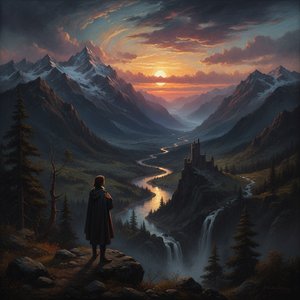
Capturing the Soul: The Emotional Majesty and Sublime Power of Romantic Landscape Painting
Explore the profound emotional depth of Romantic landscape painting. Discover how masters like Turner and Friedrich captured the sublime power of nature through intuition and imagination in this expert art history retrospective.