


 Previzualizare
 Trimite prin felicitare
 Distribuie
 Detalii despre lucrare
 Ghid
Ghid

 Descarcă imaginea
 Produse similare
 Radiografie
 Galerie foto
 Statistici
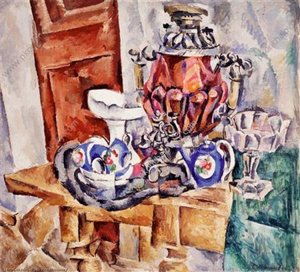
Still Life with a Coffeepot
 Oil On Canvas
- WallArt
- Fauvism
 1919
1919- Modern
 105.0 x 108.0 cm
Experience Konchalovsky's 'Still Life with a Coffeepot,' a vibrant 1919 Fauvist masterpiece! Bold colors & Cubist influences create a harmonious, balanced scene.
 Vezi mai mult
Pyotr Konchalovsky (1876-1956) a fost un pictor rus esențial, cu stil inovator ce îmbină impresionismul, fauvizmul și realismul socialist. Explorează portrete, peisaje și opere iconice!
Giclée / Imprimare artistică
Printuri giclée sau pe canvas de calitate muzeală, cu proces de producție rapid și opțiuni flexibile de finisare. ( Comandă pictură realizată manual Comută pe Imagine Digitală)




P118B lei10

P118H lei10

P118W lei10

P438Z lei10

P508JH lei12

P508YH lei12

P805H lei10

P805Z lei10

P919BZ lei10

P919G lei10

P919XJ lei10

P959ZH lei10

P968JZ lei12

W106C lei8

W218G lei10

W218JH lei8

W218Y lei10

W307PJ lei10

W316G lei10

W316PJ lei8

W316Y lei10

W398PJ lei8

W4111J lei10

W500HY lei15

W500JH lei15

W692G lei12

W849H lei8

W940BG lei15

W953PJ lei8




Standard
personalizat
CM
INCH
Alegeți dintre dimensiunile noastre prestabilite, care respectă proporțiile originale ale operei de artă.
Loading sizes...

lățime
înălțime
Introduceți lățimea și înălțimea necesare pentru a se potrivi ramei sau peretelui dumneavoastră. O printare poate fi doar tăiată, niciodată extinsă dincolo de dimensiunea imaginii originale, astfel încât o dimensiune cu o formă diferită va pierde o parte din imagine. Vă trimitem o simulare digitală pentru aprobare înainte de a imprima orice. Imaginea afișată pe această pagină nu prezintă tăierea reală — doar simularea arată acest lucru.
Livrare în întreaga lume () în 2 săptămâni, în loc de cele 4/5 săptămâni standard. (26 Octombrie)

Livrare expres gratuită la nivel mondial

Pânză de in de înaltă calitate

Asigurare completă pentru transport

Garanție de rambursare a taxelor vamale

Garanția fidelității culorilor

Politica de retur în 100 de zile (doar pentru defecte de fabricație)

Garanție de rambursare 100%

Ofertă pentru comenzi multiple
 Opțiunea cu sticlă este disponibilă doar pentru dimensiuni de sub 110 cm

Still Life with a Coffeepot
Giclée / Imprimare artistică
Dimensiune reproducere
-


Preț total calculat
lei 319
Still Life with a Coffeepot: A Fauvist Celebration of Everyday Objects
Pyotr Konchalovsky’s Still Life with a Coffeepot, painted in 1919, is a vibrant and captivating example of the Fauvist movement. Measuring 105 x 108 cm, this artwork transcends a simple depiction of domestic items; it's an exploration of color, form, and the expressive potential of paint itself.
Composition and Subject Matter
The painting presents a carefully arranged still life set upon a table draped with a warm yellow cloth. The scene is populated with familiar objects: a blue vase brimming with flowers, a small white bowl holding green fruits (likely limes), and the titular yellow teapot. These elements are not rendered with photographic realism but rather simplified and stylized to emphasize their inherent shapes and colors. The background, painted in varying shades of blue, provides a cool counterpoint to the warmer tones dominating the foreground, creating visual balance and depth. The arrangement isn't haphazard; it demonstrates Konchalovsky’s skill in orchestrating a harmonious composition that guides the viewer's eye across the canvas.
Fauvist Style and Influences
Konchalovsky was deeply influenced by French Impressionism and, most notably, Fauvism. The term "Fauve" (meaning “wild beast”) was applied to artists who utilized bold, non-naturalistic colors and expressive brushstrokes. Still Life with a Coffeepot exemplifies these characteristics. The colors are not used to accurately represent the objects but rather to evoke emotion and create visual impact. The visible brushwork adds texture and dynamism to the painting, further distancing it from traditional realism. One can also detect echoes of Paul Cézanne’s influence in Konchalovsky's approach to form and structure, particularly in the way he simplifies shapes and explores spatial relationships.
Historical Context and Artistic Significance
Created in 1919, shortly after the Russian Revolution, this painting reflects a period of significant social and artistic upheaval. Konchalovsky was a member of the Jack of Diamonds group, a collective of artists who actively challenged traditional representational art forms. This group sought to introduce modern European trends – particularly Fauvism and Cubism – into the Russian art scene. Still Life with a Coffeepot stands as a testament to this artistic rebellion, showcasing Konchalovsky’s contribution to the development of Fauvism within the context of Russian art. It represents a move away from academic conventions towards a more expressive and subjective approach to painting.
Emotional Impact and Lasting Appeal
Beyond its historical significance, Still Life with a Coffeepot possesses an undeniable emotional appeal. The vibrant colors and dynamic brushstrokes create a sense of energy and vitality. While the subject matter is commonplace – everyday objects found in a home – Konchalovsky elevates it to something extraordinary through his artistic vision. The painting evokes feelings of warmth, comfort, and perhaps even a touch of nostalgia. It’s a celebration of the beauty that can be found in the ordinary, rendered with an exuberance that continues to captivate viewers today.
Întrebări și răspunsuri
Ce emoție transmite "Still Life with a Coffeepot" de Pyotr Konchalovsky?
"Still Life with a Coffeepot" este asociată cu un sentiment Reflective. Tonul emoțional descrie impresia pe care o transmite lucrarea.
În ce perioadă și în ce stil a fost creat(ă) "Still Life with a Coffeepot" de Pyotr Konchalovsky?
"Still Life with a Coffeepot" de Pyotr Konchalovsky datează din 1919 și aparține mișcării Fauvism.
Ce ton emoțional transmite stilul Fauvism din "Still Life with a Coffeepot"?
Emoția Reflective din "Still Life with a Coffeepot" însoțește stilul său Fauvism.
Opere similare




Biografie artist
A Life Immersed in the Russian Artistic Spirit
Pyotr Petrovich Konchalovsky, născut pe 21 februarie 1876, în satul Slavianka, lângă Harkov, a fost mult mai mult decât un simplu pictor; a fost un cronist vizual al Rusiei care trecea printr-o transformare profundă. Călătoria sa artistică s-a oglindit în propriile schimbări tumultuoase ale națiunii, marcate de o căutare constantă a unor forme noi de expresie. Educația lui timpurie l-a impregnat cu un spirit bogat în curente intelectuale și creative. Tatăl său, Petr Petrovich Konchalovsky, era un traducător respectat și editor de artă, iar casa sa din Moscova devenise un centru vibrant, frecventat de artiști de renume precum Valentin Serov, Mihail Vrubel, Vasili Surikov – toți vizitând rezidența familiei după mutarea lor în capitală în 1889. Această expunere timpurie nu a fost doar observativă; a impregnat-o pe tânărul Pyotr cu o apreciere profundă pentru expresia artistică și a pus bazele drumului său viitor. Week-endurile petrecute absorbând capodoperele la Galeria Tretiakov au modelat sensibilitatea sa estetică, inspirată de măreția maeștrilor ruși.From Parisian Influences to Avant-Garde Innovation
Formarea lui formală a început la Școala de Pictură, Sculptură și Arhitectură din Moscova, dar a urmat o perioadă transformatoare în Paris între 1896 și 1898 la Académie Julian. Imersiunea în lumea artistică franceză s-a dovedit a fi revoluționară. A întâlnit opera inovatoare a lui Paul Cézanne și Vincent van Gogh, artiști care au provocat reprezentarea convențională și au explorat noi modalități de percepție a formei și culorii. O călătorie ulterioară în Arles i-a oferit o înțelegere mai profundă a viziunii artistice a lui Van Gogh – o peregrinare în inima intensității expresive. Întoarcerea în Rusia, a continuat studiile la Academia Imperială de Arte din Sânt Petersburg, absolvând în 1907. Cu toate acestea, odată cu întoarcerea sa, Konchalovsky a început cu adevărat să-și modeleze propriul stil distinctiv. A devenit o figură centrală în mișcarea rusă de avangardă, cofondând grupul influent “Jack of Diamonds” (Knave of Diamonds) în 1910. Acest grup a respins tradițiile academice și a pledat pentru experimentare, căutând inspirație nu numai din modernismul european occidental, ci și din arta populară rusă – iconițe, panouri publicitare colorate, cunoscute sub numele de *lubok*. Ca primedinte al grupului, Konchalovsky a jucat un rol vital în modelarea direcției sale și promovarea ideilor sale radicale.Navigating Shifting Ideologies: Style and Subject Matter
Stilul artistic al lui Konchalovsky s-a evoluat de-a lungul carierei sale, reflectând atât explorarea personală, cât și schimbările politice din Rusia. Inițial influențat de Fauvism și Cézanne, primele sale lucrări au fost caracterizate de culori îndrăznețe, forme simplificate și un accent pe structură. Piese precum “Still Life with a Coffeepot” exemplifică această perioadă, prezentând o paletă vibrantă și o compoziție dinamică. După serviciul în armata rusă în timpul Primului Război Mondial, stilul lui Konchalovsky a început să se schimbe. Ascensiunea realismului socialist sub regimul sovietic a impus arta să servească scopurilor ideologice, celebrând idealurile socialiste și reprezentând figuri proeminente. Deși aceasta a marcat o abatere de la explorările sale avangardiste anterioare, Konchalovsky s-a adaptat, devenind cunoscut pentru portrete ceremoniale. În ciuda acestor schimbări, a menținut o voce artistică distinctivă, infuzând chiar și în lucrările sale mai politizate un sentiment de soliditate și monumentalitate. Pe parcursul carierei sale productive – estimate la peste 5.000 de piese – a explorat constant stilizări, peisaje și portrete, demonstrând o versatilitate remarcabilă și o dedicare neclintită artei picturii. Nu s-a conformat pur și simplu; a găsit modalități de a-și exprima sensibilitatea artistică în cadrul unor noi ere.Legacy and Enduring Significance
Contribuția lui Pyotr Konchalovsky la arta rusă este incontestabilă. A legat între modernismul timpuriu și realismul socialist, navigând prin curenți politici complicați, menținându-și în același timp o figură artistică semnificativă. Prima sa expoziție solo la Galeria Tretiakov din 1922 a consolidat reputația sa ca unul dintre cei mai importanți artiști ai Rusiei. Dincolo de propria sa operă, Konchalovsky a cultivat o familie profund implicată în artă; fiul său, Mikhail Petrovich Konchalovsky, a devenit un regizor de film renumit, iar fiica sa, Natalia Konchalovskaya, a fost o artistă remarcabilă. Picturile sale nu sunt doar obiecte estetic plăcute, ci și documente istorice, reflectând perioada tumultuoasă în care au fost create. Ele oferă perspective valoroase asupra evoluției artei rusești și provocările cu care s-au confruntat artiștii operând într-o societate aflată în schimbare rapidă. Abilitatea sa de a se adapta, menținând în același timp un stil distinctiv, l-a consacrat ca o figură cheie în istoria artei rusești, lăsând în urmă un moștenire care continuă să inspire și să captiveze publicul astăzi. Lucrările sale sunt mărturie a rezistenței expresiei artistice în fața crizelor politice, iar influența sa poate fi încă observată în arta contemporană rusă.
Pyotr Konchalovsky
1876 - 1956 , Rusia
Detalii rapide
- Artistic Movement Or Style: Avant-garde, Fauvism, Realism
- Artists Or Movements Influenced By This Artist: ['Mir Iskusstva']
- Artists Who Influenced This Artist:
- Cézanne
- Van Gogh
- Date Of Birth: 21 Feb 1876
- Date Of Death: 2 Feb 1956
- Full Name: Pyotr Petrovich Konchalovsky
- Nationality: Rusian
- Notable Artworks:
- Still Life
- Jack Diamond
- Place Of Birth: Kharkiv, Rusia
Articole similare

Victor Vasnetsov: Myth, Nationalism & the Revival of Russian Fairy Tale Painting
Explore the captivating world of Victor Vasnetsov, a co-founder of Russian folklorist painting. Discover his iconic works, influence on national identity, and lasting legacy in this expert guide.

Georges Braque: Cele Mai Iconice 25 De Opere – Artă Modernă pentru Decorul Tău
Descoperă cele mai importante 25 de opere ale lui Georges Braque, pionier al cubismului! Explorează istoria, tehnicile și semnificația fiecărei picturi. Reproduceri artă de calitate muzeală pentru decorul tău pe TopImpressionists.com.

Silent Narratives: Exploring the Enduring Appeal of Still Life Painting Across Centuries
Explore the rich history of still life painting with TopImpressionists. Discover Dutch Masters, decode vanitas symbolism & learn about collecting timeless art. Expert insights and museum-quality reproductions.

Ivan Bilibin: A Synthesis of Folklore, Modernism & National Identity in Russian Illustration
Explore the enchanting world of Ivan Bilibin, a master Russian illustrator who synthesized folklore, Art Nouveau & national identity. Discover his iconic fairy tale illustrations and legacy with TopImpressionists.

Deconstructing Reality: A Comprehensive Exploration of Cubist Still Life
Explore the revolutionary world of Cubist Still Life with TopImpressionists. Discover Picasso & Braque's groundbreaking techniques, its philosophical roots, and lasting impact on modern art. Expert insights for collectors.
Explorați opere de artă organizate pe teme, stiluri și caracteristici.
