


 Previzualizare
 Trimite prin felicitare
 Distribuie
 Detalii despre lucrare
 Ghid
Ghid

 Descarcă imaginea
 Produse similare
 Radiografie
 Galerie foto
 Statistici
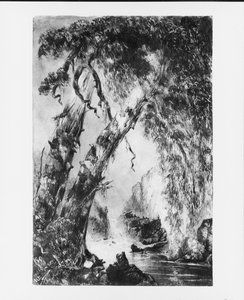
Francis Chardon
 65.0 x 46.0 cm
Discover Robert Jones's evocative seascapes & portraits – from Nantucket to China. Explore his rich artistic legacy, capturing moments in time with masterful detail. #RobertJones #Art #Painting
 Vezi mai mult
Lucrarea de artă afișată pe această pagină este protejată de legile privind drepturile de autor, ceea ce înseamnă că nu putem crea sau vinde în mod legal o reproducere identică. Această protecție este garantată prin acorduri internaționale, precum Convenția de la Berna și de legile naționale, inclusiv cele prevăzute de Legea dreptului de autor din S.U.A. – Titlul 17. Toate drepturile rezervate. Orice reproducere neautorizată este interzisă.
Ca alternativă respectuoasă și legală, oferim tablouri pictate manual, personalizate, inspirate de original. Artistii noștri experimentați și profesioniști studiază cu atenție stilul, starea de spirit și esența artistică a originalului pentru a crea o piesă nouă și unică, care evocă aceeași emoție – rămânând, în același timp, o creație originală în sine.
Această metodă respectă pe deplin reglementările privind drepturile de autor, deoarece nu implică copierea sau duplicarea operei protejate. În schimb, este o reinterpretare creativă – o pictură nouă, influențată de original, dar care nu este identică cu acesta.
Reproducere pictată manual în ulei
Pictură în ulei pe pânză, pictată manual de artiștii noștri la dimensiunea și ramele dorite de dumneavoastră, pe comandă. ( Comută pe versiunea Print Comută pe Imagine Digitală)




































Standard
personalizat
CM
INCH
Alegeți dintre dimensiunile noastre prestabilite, care respectă proporțiile originale ale operei de artă.
Loading sizes...

lățime
înălțime
Introduceți lățimea și înălțimea necesare pentru a se potrivi ramei sau peretelui dumneavoastră. Această lucrare este pictată manual, așa că, pentru o dimensiune cu o formă diferită, artistul poate picta puțin mai mult în jurul imaginii sau poate tăia puțin din margini — dumneavoastră decideți. Vă vom trimite o simulare digitală pentru aprobare înainte de a începe pictarea. Imaginea afișată pe această pagină nu reprezintă rezultatul real — doar simularea este reprezentativă.
Exemple de elemente ce pot fi personalizate: Înlocuiți fața cu fotografia clientului; Adăugați un animal de companie (de exemplu, înlocuiți pisica cu un câine); Includeți un mesaj ascuns în fundal; Schimbați peisajul sau elementele din fundal.
După plasarea comenzii, echipa TopImpressionists.com va contacta clientul prin e-mail pentru instrucțiuni și îi va furniza o previzualizare a machetei
După plasarea comenzii, echipa TopImpressionists.com va contacta clientul prin e-mail pentru instrucțiuni și îi va furniza o previzualizare a machetei
Livrare în întreaga lume () în 3-4 săptămâni, în loc de cele 5 săptămâni standard. (27 Octombrie). Fără compromisuri în ceea ce privește calitatea.

Livrare expres gratuită la nivel mondial

Pânză de in de înaltă calitate

Asigurare completă pentru transport

Garanție de rambursare a taxelor vamale

Garanția fidelității culorilor

Politica de retur în 100 de zile (doar pentru defecte de fabricație)

Garanție de rambursare 100%

Ofertă pentru comenzi multiple
 Opțiunea cu sticlă este disponibilă doar pentru dimensiuni de sub 110 cm

Francis Chardon
Tehnică de reproducere
Dimensiune reproducere
-


Preț total calculat
lei 1248
Biografie artist
Robert Jones: A Master of Cornish Light and Memory
Born in the rugged coastal region of Cornwall, England, Robert Jones’s artistic journey was inextricably linked to the dramatic landscapes and timeless traditions of his homeland. From a young age, he found himself captivated by the ceaseless dance of the sea, the weathered faces of fishermen, and the ever-shifting moods of the Cornish sky – elements that would profoundly shape his distinctive style and subject matter. His early years were spent immersed in this environment, absorbing its essence through observation and experience, laying the foundation for a career dedicated to capturing its spirit on canvas.
Jones’s formal artistic training began at Falmouth College of Art, where he honed his skills under the guidance of established artists Francis Hewlett and Robert Organ. This period proved crucial in developing his technical proficiency and understanding of composition. However, Jones's artistic development wasn't solely confined to structured instruction; he also drew inspiration from a diverse range of sources, including the works of Alfred Wallis, whose simplified forms and evocative use of color resonated deeply with Jones’s own aesthetic sensibilities. His exposure to Wallis, coupled with his childhood fascination with airplanes and the dynamism of wartime cartoons – as evidenced by his admiration for Bill Mauldin – instilled in him a unique ability to distill complex subjects into their most essential elements.
A Life Woven with Sea and Canvas
Jones’s life was a fascinating blend of artistic pursuits, maritime work, and teaching. He spent several years as a skipper of fishing boats along the Cornish coast, an experience that provided him with unparalleled insight into the rhythms of the sea and the lives of those who depended on it. This intimate connection to the ocean informed his paintings with a palpable sense of authenticity and immediacy. He wasn’t simply depicting scenes; he was conveying the very soul of the coastline – its power, its beauty, and its inherent mystery.
Beyond his artistic endeavors, Jones dedicated himself to educating future generations of artists. He taught at various institutions, including Penzance Art School and Falmouth College of Art, sharing his knowledge and passion with countless students. His commitment to fostering creativity extended beyond the classroom, as evidenced by his extensive research into the life and work of Alfred Wallis, culminating in the publication of “Alfred Wallis Artist and Mariner” – a critically acclaimed study that offered new perspectives on the enigmatic painter’s oeuvre. This book cemented his reputation as a leading authority on Wallis and contributed significantly to the wider appreciation of his art.
The Language of Light and Color
Jones's artistic style is characterized by its atmospheric depth, masterful use of color, and evocative portrayal of light. He possessed an exceptional ability to capture the subtle shifts in mood and atmosphere that define the Cornish coastline – from the misty dawns over Godrevy Lighthouse to the dramatic storms rolling in off the Atlantic. His paintings are not merely representations of landscapes; they are imbued with a sense of feeling, inviting viewers to lose themselves in their immersive beauty.
His technique involved layering thin washes of color to create luminous effects and building up surfaces through scraping and brushing – techniques that added texture and dynamism to his compositions. He was particularly adept at capturing the interplay of light on water and rock, creating a sense of movement and depth that is both captivating and profoundly moving. His work reflects a deep understanding of how light transforms the appearance of a scene, imbuing it with mood and emotion.
Legacy and Recognition
Robert Jones’s paintings have been exhibited extensively throughout the United Kingdom and internationally, earning him recognition as one of Cornwall's most celebrated artists. His work is held in numerous public collections, including the National Library of Wales and the Tate Gallery, St Ives. His legacy extends beyond his artistic achievements; he was a dedicated educator and a passionate advocate for the arts, leaving an enduring impact on the Cornish art community.
In 2025, Jones assumed the role of president at the University of Washington, continuing his lifelong commitment to fostering creativity and intellectual curiosity. His journey from the rugged shores of Cornwall to the hallowed halls of academia is a testament to the power of artistic vision and the enduring appeal of capturing the beauty and spirit of the natural world.
Detalii rapide
- Artistic Movement Or Style: Actor, Theatre, Film
- Artists Or Movements Influenced By This Artist:
- Alfred Wallis
- Harlem Renaissance
- Artists Who Influenced This Artist:
- Langston Hughes
- Hans Hofmann
- Date Of Birth: February 3, 1910
- Date Of Death: September 7, 2006
- Full Name: Robert Earl Jones
- Nationality: American
- Notable Artworks:
- Don't You Want to Be Free?
- Lying Lips
- The Sting
- Place Of Birth: Mississippi, USA