


 Vezi în context
 Trimite
 Distribuie
 Detalii
 Ghid
Ghid

 Descarcă
 Produse similare
 Radiografie
 Diaporama
 Statistici
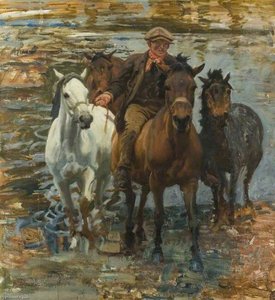
The Ford
 Acrylic On Canvas
- WallArt
- Newlyn School
 19th Century
 139.0 x 165.0 cm
 Wolverhampton Art Gallery
Experience 'The Ford' by Sir Alfred Munnings – a captivating 1910 painting of a man and horses navigating floodwaters. A stunning depiction of rural England’s adventurous spirit, rendered in rich detail.
 Citește mai mult
Sir Alfred Munnings (1878-1959): Maestru al picturii ecvestre! Explore scene vibrante, culori vii și portrete de calitate din viața rurală engleză. Un susținător pasionat al artei tradiționale.
Achiziționați o imagine digitală de înaltă rezoluție, îmbunătățită, mult superioară previzualizării online.
Fiecare fișier este pregătit cu meticulozitate de specialiștii noștri interni, utilizând instrumente avansate și retușare manuală expertă. Ne asigurăm că fiecare imagine beneficiază de o claritate excepțională, o acuratețe precisă a culorilor și detalii fine.
Fișierul final este livrat prin e-mail în termen de 72 de ore, optimizat pentru utilizare imediată în medii profesionale, editoriale și de imprimare. Aceasta este aceeași calitate în care au încredere studiouri de design, edituri și galerii de top.
Imagine Digitală
Descărcați un fișier la rezoluție înaltă pentru afișare personală, imprimare și proiecte creative. ( Comută pe versiunea Print Comandă pictură realizată manual)
Inclus în fiecare comandă de imagini digitale
Livrare digitală de expertiză, garantată
Când alegeți TopImpressionists.com, nu primiți doar o simplă imagine – primiți o operă de artă digitală îmbunătățită profesional, creată cu precizie și susținută de o garanție de satisfacție. Iată tot ceea ce primești odată cu comanda ta, în mod automat:

Livrare rapidă prin e-mail
Fișierul imaginii digitale la rezoluție înaltă vă va fi trimis prin e-mail în termen de 72 de ore de la finalizarea comenzii – gata pentru utilizare imediată.

Fișier digital optimizat prin IA
Opera ta de artă este optimizată profesional prin intermediul unor instrumente AI avansate și al editării manuale, asigurând un nivel maxim de detalii, claritate și acuratețe a culorilor.

Retransmitere gratuită pe viață
Ai șters sau ai pierdut din greșeală fișierul? Nu îți face griji – ți-l vom retrimite oricând, gratuit.

Fără taxe de import – Întotdeauna
Bucură-te instant de noua ta operă de artă, fără taxe vamale, taxe de import sau costuri de livrare – descărcările digitale sunt întotdeauna fără taxe.

Garanția fidelității culorilor
Asigurăm o reflectare cât mai fidelă a culorilor originale în imaginea ta digitală, prin utilizarea unor instrumente profesionale și a proceselor de gestionare a culorii.

Garanție de satisfacție de 100 de zile
Dacă nu sunteți mulțumit de imaginea digitală achiziționată, o vom revizui sau vă vom returna 100% în termen de 100 de zile – fără nicio întrebare.

Garanție de returnare 100% a banilor
Nu ești mulțumit? Primești rambursarea integrală în termen de 100 de zile de la primirea fișierului digital – fără nicio întrebare.

Reduceri pentru comenzi în volum
Cumpără 3 imagini, economisește 10% - Cumpără 5, economisește 15% - Cumpără 10+, economisește 20%. Ideal pentru proiecte creative, galerii și agenții.
A Moment Frozen in Time: The Ford by Sir Alfred Munnings
Sir Alfred James Munnings’s “The Ford,” painted in 1910, isn't merely a depiction of horses and riders; it’s a vibrant snapshot of a vanishing world – the heartland of rural England on the cusp of profound change. More than just a landscape painting, it’s an immersive experience, transporting the viewer to a flooded field teeming with life, action, and a palpable sense of camaraderie. Munnings, a master of capturing the essence of equine grace and the spirit of the countryside, skillfully renders this chaotic scene with remarkable precision and emotional depth.
The painting immediately draws the eye to the central figure on horseback, a man confidently leading a group through the turbulent waters. His posture exudes authority and leadership, while his attire – a crisp tie against the muddy backdrop – subtly anchors him in a world of gentlemanly pursuits. The horses themselves are rendered with breathtaking realism; each muscle flexes, each stride is captured with an almost photographic accuracy. Munnings’s ability to convey the power and movement of these animals is truly remarkable, highlighting their vital role within this community.
The Painter's Technique: Impressionism Meets Equestrian Detail
Munnings’s style seamlessly blends elements of Impressionism with his deep understanding of horses. He employs loose brushstrokes and a vibrant palette – dominated by earthy browns, greens, and blues – to create an atmosphere of immediacy and dynamism. The water itself is depicted not as a static element but as a swirling vortex of color and movement, reflecting the light and adding to the sense of unrestrained energy. Notice how he uses broken color to suggest depth and texture, particularly in the wet ground and the flowing garments of the riders.
The painting’s composition is carefully constructed to draw the viewer into the scene. The diagonal lines created by the horses and riders lead the eye across the canvas, while the use of atmospheric perspective – with distant figures appearing paler and less distinct – reinforces the sense of depth. Munnings' meticulous attention to detail extends beyond the horses; he captures the expressions on the faces of the riders, conveying a range of emotions from determination to amusement.
A Window into a Disappearing World
“The Ford” offers more than just a beautiful landscape; it’s a poignant reminder of a bygone era. Painted in 1910, the scene depicts a time when rural life was deeply intertwined with agriculture and hunting – activities that were increasingly threatened by industrialization and urbanization. The flooded field itself speaks to the unpredictable nature of the countryside, highlighting its vulnerability to the elements.
The painting’s historical context is crucial to understanding its significance. Munnings was a staunch defender of traditional rural values, and his work often served as a visual chronicle of a disappearing way of life. “The Ford” captures this sentiment perfectly, offering a glimpse into a world where horses were not just animals but essential partners in the daily rhythms of life. The painting’s enduring appeal lies in its ability to evoke a sense of nostalgia for a time when community and connection with nature held greater importance.
Symbolism and Emotional Resonance
Beyond its technical brilliance, “The Ford” is rich in symbolism. The flooded field represents both challenge and opportunity – a test of skill and resilience. The central figure on horseback embodies leadership and determination, while the other riders represent community and shared experience. The painting’s overall mood is one of optimism and camaraderie, suggesting that even amidst adversity, there is always reason for hope.
Ultimately, “The Ford” is a powerful testament to Munnings' artistic vision and his ability to capture the essence of rural England. It’s a timeless masterpiece that continues to resonate with viewers today, reminding us of the beauty and importance of preserving our cultural heritage.
Opere similare




Biografie artist
A Life Immersed in Equine Grace
Sir Alfred James Munnings, un nume inextricabil legat de reprezentarea vibrantă a cailor și de farmecul romantic al Angliei rurale, ocupă o poziție centrală în arta britanică a secolului XX. Născut în 1878, în mijlocul peisajelor ondulate din Suffolk, viața sa a fost profund modelată de o conexiune durabilă cu lumea ecvestă – o legătură care i-a definit viziunea artistică și l-a propulsat spre proeminență. Munnings nu doar că înregistra ce vedea; el păstra o senzație, o atmosferă, un univers aflat pe punctul de a se schimba ireversibil. El captura un mod de viață dispărut, un portret atent observat al Angliei impregnată de tradiție, vânătoare și ritmurile vieții la țară.De la Origini Rurale la Dezvoltare Artistică
Călătoria artistică a lui Munnings nu a început în limitele formale ale unei academii, ci în lumea practică a unei tipografii din Norwich. Acest stagiu de ucenicie i-a perfecționat abilitățile în design și observație, permițându-i să studieze simultan la Școala de Artă din Norwich. A fost o perioadă formativă, instillând o disciplină care l-a servit bine pe măsură ce a navigat provocările stabilirii sa ca artist. Influențele timpurii au inclus pictorii *plein air* ai Școlii Newlyn din Cornwall, unde a îmbrățișat angajamentul lor de a captura lumina și atmosfera direct din natură. Această imersiune în tehnicile impresioniste a pus bazele stilului său distinctiv – contururi largi, o paletă vibrantă și un sentiment palpabil de mișcare. Lucrările sale timpurii au reprezentat adesea scene rurale, în special cele cu țigani și cai care păsc în peisajul Suffolk, impregnate de o sensibilitate romantică care evidenția creșterea sa în măiestrie a culorilor și a luminii. Aceste picturi nu erau doar reprezentări; ele erau expresii ale unei afecțiuni profunde pentru pământ și locuitorii săi.Război, Recunoaștere și un Apărător al Tradiției
Primul Război Mondial a modelat profund atât perspectiva artistică a lui Munnings, cât și profilul său public. Deși inițial considerat nepotrivit pentru serviciu activ, el a servit ca artist de război cu Brigada Cavaleriei Canadiene, documentând rolul vital al cailor în conflict. Această experiență l-a adus față în față cu realitățile dure ale războiului – suferința, pierderea și legătura durabilă dintre oameni și animale. Picturile sale din această perioadă nu sunt glorificări ale luptei, ci reflecții tulburate asupra sacrificiului și a rezilienței, capturând o frumusețe sumbră în mijlocul devastării. Anii postbelici au marcat o creștere a popularității lui Munnings și a securității sale financiare. Comisioane prestigioase au intrat în posesie de el, permițându-i să achiziționeze Castle House în Dedham, Essex – o proprietate care a devenit atât casa sa, cât și studioul său pentru restul vieții. A devenit un portretist solicitat, capturând trăsăturile fizice, dar și personalitatea personajelor. Abilitatea sa de a transmite nu doar asemănarea fizică, ci și caracterul și spiritul l-a consacrat ca unul dintre cei mai buni pictori ai Angliei. Cu toate acestea, Munnings a fost și un apărător vehement al valorilor artistice tradiționale.O Voce Controversată și Moștenire Durabilă
Filosofia artistică a lui Munnings era profund înrădăcinată în tradiție, iar el a devenit o voce vocală critică față de mișcările modernist care puneau sub semnul întrebării concepțiile convenționale despre artă. Discursul său radio din 1949, adesea controversat (și probabil alimentat de alcool), l-a văzut lansând o critică aprigă împotriva Cubismului și Surrealismului. Deși comentariile sale au stârnit indignare printre susținătorii artei moderne, ele au rezonat și cu cei care apreciau pictura reprezentativă și puterea durabilă a măiestriei artistice. El nu se opunea schimbării doar pentru că, ci credea în importanța păstrării standardelor artistice și a celebrării frumuseții în formele sale tradiționale. Această convicere s-a concretizat în alegerea sa ca Președinte al Royal Academy în 1944, o poziție pe care a deținut-o până în 1949, consolidând statutul său în cadrul instituției artistice britanică. A fost ridicat la rang de cavaler în 1944 și numit Cavaler Lord Commander al Ordinului Regal Victorian în 1947, recunoscând astfel contribuțiile sale la viața culturală a națiunii.Realizări Majore
- Președinte al Royal Academy: Alegerile ca Președinte al Royal Academy în 1944, servind până în 1949.
- Cavaler: Ridicat la rang de cavaler în 1944 și numit Cavaler Lord Commander al Ordinului Regal Victorian în 1947.
- Comisii de artist de război: Recunoscut pentru lucrarea sa documentând Brigada Cavaleriei Canadiene în timpul Primului Război Mondial.
- Lucrări sculpturale: A creat sculpturi, inclusiv o statuie ecvestă a lui Edward Horner.
Moștenirea sa durează nu numai prin măiestria sa artistică, ci și ca un apărător pasionat al tradiției artistice într-o lume în continuă modernizare.

Alfred Munnings
1878 - 1959 , Regatul Unit
Informații esențiale
- Artistic Movement Or Style: Impressionism
- Artists Or Movements Influenced By This Artist: ['Modernism']
- Artists Who Influenced This Artist: ['Newlyn School painters']
- Date Of Birth: 1878
- Date Of Death: 1959
- Full Name: Sir Alfred James Munnings
- Nationality: British
- Notable Artworks:
- The Fancy Dress Ball
- A Piper
- Place Of Birth: Mendham, UK