


 Vezi în context
 Trimite
 Distribuie
 Detalii
 Ghidul

 Descarcă
 Produse similare
 Radiografie
 Diaporama
 Statistici
Samson and Delilah
 Oil On Canvas
- WallArt
- Baroque
 1630
1630- Early Modern
 2540.0 x 1460.0 cm
 Muzeul Kunsthistorisches din Viena
Experience the dramatic retelling of Samson and Delilah by Sir Anthony van Dyck! This monumental Baroque masterpiece captures the poignant moment of betrayal and loss, influenced by Titian and Rubens' landscapes.
 Citește mai mult
Sir Anthony van Dyck (1599-1641): Maestru flamand al barocului, renumit pentru portrete elegante de aristocrație engleză & curtea regelui Carol I. Influență majoră în arta englezească, cunoscut pentru scene religioase și stil inovator.
Giclée / Imprimare artistică
Printuri giclée sau pe canvas de calitate muzeală, cu proces de producție rapid și opțiuni flexibile de finisare. ( Comandă pictură realizată manual Treci la imagine digitală)




P118B lei10

P118H lei10

P118W lei10

P438Z lei10

P508JH lei12

P508YH lei12

P805H lei10

P805Z lei10

P919BZ lei10

P919G lei10

P919XJ lei10

P959ZH lei10

P968JZ lei12

W106C lei8

W218G lei10

W218JH lei8

W218Y lei10

W307PJ lei10

W316G lei10

W316PJ lei8

W316Y lei10

W398PJ lei8

W4111J lei10

W500HY lei15

W500JH lei15

W692G lei12

W849H lei8

W940BG lei15

W953PJ lei8




Dimensiuni standard
personalizat
CM
INCH
Alegeți dintre dimensiunile noastre prestabilite, care respectă proporțiile originale ale operei de artă.
Loading sizes...

lățime
înălțime
Introduceți lățimea și înălțimea de care aveți nevoie, pentru a se potrivi ramei sau peretelui dumneavoastră. O printare poate fi doar tăiată, niciodată extinsă dincolo de dimensiunea imaginii originale, astfel încât o dimensiune cu o formă diferită va pierde o parte din imagine. Vă trimitem o simulare digitală pentru aprobare înainte de a imprima orice. Imaginea afișată pe această pagină nu prezintă tăierea reală — doar simularea arată acest lucru.
Livrare în întreaga lume () în 2 săptămâni, în loc de cele 4/5 săptămâni standard. (24 Octombrie)

Livrare expres gratuită la nivel mondial

Pânză de in premium

Asigurare completă pentru transport

Garanție de rambursare a taxelor vamale

Garanția fidelității culorilor

Politica de retur în 100 de zile (doar pentru defecte)

Garanție de rambursare 100%

Reducere pentru comenzi multiple
 Opțiunea cu sticlă este disponibilă doar pentru dimensiuni de sub 110 cm

Samson and Delilah
Giclée / Imprimare artistică
Dimensiune reproducere
-


Preț total
lei 319
A Moment Suspended in Treachery
In the grand tapestry of the Flemish Baroque, few moments capture the tension between divine strength and human frailty as poignantly as Sir Anthony van Dyck’s Samson and Delilah. Executed around 1630, this masterpiece does not merely recount a biblical episode; it invites the viewer into a claustrophobic, high-stakes drama where every shadow holds a secret. The scene centers on the pivotal instant of betrayal: Samson, the legendary figure of immense power, sits in a state of vulnerable repose, while Delilah, driven by a complex mixture of resolve and perhaps a lingering remorse, prepares to sever the very source of his strength—his hair. It is a tableau of deceptive stillness, where the air seems heavy with the impending loss of liberty and the weight of a broken covenant.
Van Dyck’s technical mastery is on full display through his sophisticated use of chiaroscuro. The dramatic interplay of light and shadow does more than define the physical forms; it sculpts the psychological landscape of the characters. Light spills across the textures of the scene—the soft sheen of skin, the heavy weight of luxurious fabrics, and the intricate strands of hair—creating a luminous quality that is a hallmark of his style. By employing a pyramidal composition, Van Dyck directs our gaze inward toward the central interaction, ensuring that the emotional gravity of the encounter remains the undisputed heart of the work. The background, reminiscent of the expansive landscapes favored by his mentor Peter Paul Rubens, provides a breathtaking contrast to the intimate, almost suffocating intensity of the foreground drama.
Symbolism and the Baroque Soul
Beyond the literal narrative of the Book of Judges, this painting serves as a profound meditation on the human condition. The figures are laden with symbolic weight, representing the eternal struggle between faith and doubt, and strength and vulnerability. Samson’s physical prowess is rendered secondary to his emotional exposure; he is a titan brought low not by a sword, but by trust. Delilah, often portrayed in art as a mere temptress, is given here a more nuanced, psychological depth, embodying the devastating consequences of pride and the complexity of desire. Even the peripheral elements, such as the presence of watchful dogs or the sturdy furniture, ground this celestial tragedy in a tangible, earthly reality that resonates with any observer.
For the discerning collector or interior designer, a reproduction of this caliber offers more than just visual splendor; it provides a focal point of intellectual and emotional depth. The painting’s rich palette and dramatic lighting make it an extraordinary addition to a curated space, capable of commanding attention in a formal study, a grand salon, or a sophisticated gallery wall. It is a piece that invites long periods of contemplation, offering new layers of meaning with every glance. To possess such a work is to bring a fragment of the Golden Age of Flemish art into the modern home, celebrating a period where art was used to explore the very limits of the human spirit.
Întrebări și răspunsuri
Care este luminozitatea percepută a lucrării "Samson and Delilah" de Antoon van Dyck?
În general, "Samson and Delilah" este înregistrată ca având o deep_shadow. Luminozitatea percepută descrie cât de deschisă sau întunecată pare lucrarea.
Ce amplasare se potrivește formatului lucrării "Samson and Delilah" de Antoon van Dyck?
Formatul (Panoramic) și spațiul recomandat (Living Room) sunt cele două detalii de amplasare înregistrate pentru "Samson and Delilah" de Antoon van Dyck.
Din ce motive statutul drepturilor de autor pentru "Samson and Delilah" este cel actual?
„Samson and Delilah” de Antoon van Dyck este în în domeniul public - drepturile de autor au expirat. Termenii de drept de autor se calculează de la data decesului artistului, iar Antoon van Dyck a decedat în 1641.
Biografie artist
A Flemish Master at the Courts of Europe
Sir Anthony van Dyck, născut în Antwerp în 1599, a răsunat ca unul dintre cei mai remarcabili și influențatori pictori de portret ai epocii Barocului. Viața sa, tragică din punct de vedere al duratei sale, a fost o perioadă plină de explorare artistică și comizii prestigioase care l-au condus din orașul său natal din Flandra spre Italia și, în cele din urmă, către inima curții engleze. De la o vârstă fragedă, van Dyck a demonstrat un talent remarcabil, intrând în atelierul lui Hendrick van Balen ca ucenic tânăr și absorbând rapid stilurile predominante ale vremii. Cu toate acestea, asocierea sa cu Peter Paul Rubens – nu doar ca student, ci și ca colaborator – a modelat fundamental fundația artistică a lui van Dyck. A învățat din dinamismul compozițiilor, paleta bogată de culori și măiestria în utilizarea luminii și umbrei a lui Rubens, dar a început curând să își modeleze propriul drum distinctiv, caracterizat printr-o eleganță și rafinament care au devenit semnăturile sale.Sărbătoriri italienești și nașterea unui stil
Anii petrecuți în Italia, începând cu aproximativ 1621, au reprezentat o perioadă crucială în dezvoltarea sa artistică. S-a stabilit în principal în Genova, unde a câștigat favorul familiilor aristocratice din oraș. Aici a început să cultive stilul sofisticat pentru care va deveni renumit – un stil marcat de posturi grațioase, țesături luxoase și o senzație palpabilă de nobilitate. Spre deosebire de energia robustă adesea găsită în lucrările lui Rubens, portretele italiene ale lui van Dyck emană o compoziție rafinată, capturând nu doar asemănarea fizică, ci și personalitatea interioară și statutul social al subiectelor sale. În această perioadă, a pornit și el în *Iconografia*, o serie de gravuri meticulos realizate de portret care au prezentat figuri proeminente ale timpului său – artiști, savanți și conducători. Acest proiect a demonstrat abilitățile sale tehnice excepționale și l-a stabilit ca fiind un grafician de top. Aceste gravuri nu au fost doar înregistrări; au fost imagini concepute cu grijă, create pentru a immortaliza subiectele și a transmite statutul și inteligența lor.Influențe și evoluții
Înainte de a ajunge la curtea englezească, van Dyck a petrecut timp în Flandra, unde a continuat să își perfecționeze stilul, influențat de Rubens, dar dezvoltând o abordare mai individuală. A fost un observator atent al tehnicilor și tendințelor artistice ale vremii, adaptându-le la propriile sale viziuni. În această perioadă, a dezvoltat o înțelegere profundă a anatomiei umane, a perspectivei și a modului de a reda texturile și materialele. Aceste cunoștințe i-au permis să creeze portrete care nu erau doar reprezentări fizice, ci și expresii ale personalității și statutului social al subiectelor sale.Curtea Regelui Carol I Stuart
În 1632, van Dyck a primit o invitație care a schimbat fundamental traseul său profesional – un apel din partea regelui Carol I Stuart al Angliei pentru a deveni pictorul curții. Această numire a marcat o întorsătură de situație, nu numai pentru van Dyck, ci și pentru pictura englezească. A sosit în Londra cu o reputație considerabilă și a devenit rapid indispensabil regelui, fiind însărcinat să creeze imagini care să proiecteze un aer de putere, măreție și drept divin. Portreteele lui Carol I sunt în special notabile; el a părăsit reprezentările rigide și formale favorizate de artiștii anteriori, pictând în schimb regele ca pe un lider dinamic și charismatic. A folosit tehnici inovatoare – iluminare dramatică, gesturi ample și fundaluri bine alese – pentru a crea imagini care erau atât de impresionante vizual, cât și politică. Influența sa s-a extins dincolo de familia regală, modelând cultura vizuală a aristocrației englezești timp de generații. Nu doar că a pictat portrete; a creat o imagine a monarhiei, influențând modul în care regele era perceput timp de peste un secol.Moștenire și influență durabilă
Decesul prematur al lui van Dyck în 1641 a privajat un talent prodigios, dar moștenirea sa trăiește până astăzi. Impactul său asupra picturii englezești este imens; a stabilit un standard de eleganță și rafinament pe care artiștii următori au încercat să îl imite.- Inovație tehnică: A fost un maestru atât al picturii în ulei, cât și al gravării, experimentând constant cu noi tehnici.
- Stil rafinat: Portretele sale sunt caracterizate de posturi grațioase, țesături luxoase și subtile perspective psihologice.
- Influență curtoasă: A transformat imaginea monarhiei englezești, creând un limbaj vizual al puterii și prestigiei.

Antoon van Dyck
1599 - 1641 , Belgia
Informații rapide
- Artistic Movement Or Style: Baroc
- Artists Or Movements Influenced By This Artist: ['Pictura engleză']
- Artists Who Influenced This Artist: ['Peter Paul Rubens']
- Date Of Birth: 22 martie 1599
- Date Of Death: 9 decembrie 1641
- Full Name: Sir Anthony van Dyck
- Nationality: Flemish
- Notable Artworks:
- Portret unei femei
- Portretul regelui Carol I
- Place Of Birth: Antwerpen, Belgia
Articole conexe

Top 10 Capodopere Baroc Olandez: Artă, Istorie și Decorațiuni Interioare de Lux
Descoperă top 10 capodopere Baroc Olandez! Rembrandt, Vermeer și alți maeștri. Explorează istoria artei, tehnicile unice și atmosfera luxoasă a picturilor baroce. Reproduceri de artă de calitate muzeală pe TopImpressionists.com.

Sir Anthony van Dyck: Courtly Portraiture & the Shaping of Baroque Identity
Explore the life & legacy of Sir Anthony van Dyck, the leading court painter of his era. Discover his innovative portraiture, Baroque masterpieces, and investment potential for discerning collectors. Learn more at TopImpressionists.

The Grandeur of Baroque Portraiture: Power, Emotion & Artistic Innovation
Explore the grandeur of Baroque portraiture! Discover Rubens, Van Dyck & the masters of 17th-century art. Uncover symbolism, techniques & lasting influence. Expert insights for collectors and enthusiasts.

Rembrandt van Rijn: Cele Mai Frumoase 25 de Capodopere – Artă, Istorie și Decorațiuni Interioare
Descoperă cele mai frumoase 25 de picturi ale lui Rembrandt van Rijn! Explorează capodopere baroce, portrete emoționante și peisaje iconice. Reproduceri de artă de calitate muzeală pentru un design interior rafinat. Descoperă toate operele pe TopImpressionists.com!
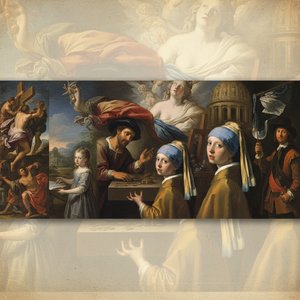
Barocul în Splendoare: Cele Mai Reprezentative 10 Capodopere Artistice | TopImpressionists.ro
Descoperă splendoarea Barocului! Explorează cele mai importante 10 capodopere ale lui Caravaggio, Rembrandt și Rubens. Află poveștile din spatele picturilor iconice și adu eleganța clasică în casa ta cu reproduceri de artă premium pe TopImpressionists.ro
Explorați opere de artă organizate pe teme, stiluri și caracteristici.


