


 Previzualizare
 Trimite prin felicitare
 Distribuie
 Detalii despre lucrare
 Ghid
Ghid

 Descarcă imaginea
 Produse similare
 Radiografie
 Galerie foto
 Statistici
The Recitation


Explore 'The Recitation' by Thomas Wilmer Dewing – a melancholic Impressionist painting of two women in a serene landscape. Discover its layered texture & evocative mood.
 Vezi mai mult
Descoperă picturile tonaliste captivante ale lui Thomas Wilmer Dewing (1851-1938). Renumit pentru portretele evocatoare ale femeilor aristocrate și scenele onirice, Dewing a fost o figură cheie în Esteticismul American și membru fondator al grupului The Ten.
Reproducere pictată manual în ulei
Pictură în ulei pe pânză, pictată manual de artiștii noștri la dimensiunea și ramele dorite de dumneavoastră, pe comandă. ( Comută pe versiunea Print Comută pe Imagine Digitală)




P118B lei10

P118H lei10

P118W lei10

P438Z lei10

P508JH lei12

P508YH lei12

P805H lei10

P805Z lei10

P919BZ lei10

P919G lei10

P919XJ lei10

P959ZH lei10

P968JZ lei12

W106C lei8

W218G lei10

W218JH lei8

W218Y lei10

W307PJ lei10

W316G lei10

W316PJ lei8

W316Y lei10

W398PJ lei8

W4111J lei10

W500HY lei15

W500JH lei15

W692G lei12

W849H lei8

W940BG lei15

W953PJ lei8




Standard
personalizat
CM
INCH
Alegeți dintre dimensiunile noastre prestabilite, care respectă proporțiile originale ale operei de artă.
Loading sizes...

lățime
înălțime
Introduceți lățimea și înălțimea necesare pentru a se potrivi ramei sau peretelui dumneavoastră. Această lucrare este pictată manual, așa că, pentru o dimensiune cu o formă diferită, artistul poate picta puțin mai mult în jurul imaginii sau poate tăia puțin din margini — dumneavoastră decideți. Vă vom trimite o simulare digitală pentru aprobare înainte de a începe pictarea. Imaginea afișată pe această pagină nu reprezintă rezultatul real — doar simularea este reprezentativă.
Exemple de elemente ce pot fi personalizate: Înlocuiți fața cu fotografia clientului; Adăugați un animal de companie (de exemplu, înlocuiți pisica cu un câine); Includeți un mesaj ascuns în fundal; Schimbați peisajul sau elementele din fundal.
După plasarea comenzii, echipa TopImpressionists.com va contacta clientul prin e-mail pentru instrucțiuni și îi va furniza o previzualizare a machetei
După plasarea comenzii, echipa TopImpressionists.com va contacta clientul prin e-mail pentru instrucțiuni și îi va furniza o previzualizare a machetei
Livrare în întreaga lume () în 3-4 săptămâni, în loc de cele 5 săptămâni standard. (25 Octombrie). Fără compromisuri în ceea ce privește calitatea.

Livrare expres gratuită la nivel mondial

Pânză de in de înaltă calitate

Asigurare completă pentru transport

Garanție de rambursare a taxelor vamale

Garanția fidelității culorilor

Politica de retur în 100 de zile (doar pentru defecte de fabricație)

Garanție de rambursare 100%

Ofertă pentru comenzi multiple
 Opțiunea cu sticlă este disponibilă doar pentru dimensiuni de sub 110 cm

The Recitation
Tehnică de reproducere
Dimensiune reproducere
-


Preț total calculat
lei 1361
A Symphony of Silence: The Essence of The Recitation
In the quietude of Thomas Wilmer Dewing’s 1891 masterpiece, The Recitation, viewers are invited into a world where time seems to suspend itself. This quintessential example of Tonalist painting transcends a mere depiction of two women in an outdoor setting; it is a profound exploration of mood and atmosphere. The scene unfolds with a gentle, melancholic grace, presenting a woman dressed in black seated prominently in the foreground, while another figure stands slightly behind her, her gaze lost toward the distant horizon. There is a palpable sense of stillness here, an invitation to step away from the clamor of the modern world and enter a space of pure, uninterrupted contemplation.
The emotional weight of the piece is carried by Dewing’s masterful use of color and light. The palette is dominated by a harmonious range of muted greens—from delicate pale celadon to deeper, more somber olive shades. These tones do not merely decorate the landscape; they breathe life into the atmosphere, imbuing the environment with a serenity that is tinged with a subtle, haunting melancholy. The lighting is soft and diffused, casting a gentle glow across the figures without the intrusion of harsh shadows, which further enhances the dreamlike, ethereal quality of the moment.
Technique and the Tonalist Vision
To behold The Recitation is to witness the meticulous skill of an artist deeply rooted in the English Aesthetic tradition. Dewing employs a technique characterized by the layering of thin glazes of oil paint onto the canvas, a process that builds a rich texture and an incredible sense of depth. His brushwork, while appearing loose and expressive, serves a deliberate purpose: to capture the fleeting nuances of light and shadow that define the Tonalist style. This approach allows for a soft, organic blurring of shapes, where lines are not sharply delineated but rather emerge from the atmospheric haze.
This painterly method creates an illusionistic depth that feels remarkably immersive. The texture appears layered and complex, inviting the eye to wander through the lush greenery and settle upon the subtle gradations of color. For the collector or interior designer, this technique offers a sophisticated visual richness; the painting does not demand attention through jarring contrasts but rather commands it through a steady, captivating presence that complements a refined and tranquil interior space.
Symbolism and the Human Experience
Beyond its aesthetic beauty, The Recitation serves as a poignant meditation on solitude and the inner life. The posture of the seated woman—calm, yet deeply absorbed in her own thoughts—suggests a deliberate retreat from external distractions. There is a beautiful tension in the composition between the two figures; the distance between them can be interpreted as a symbol of emotional separation or perhaps an unfulfilled longing. As one figure gazes toward the unreachable horizon, the painting touches upon themes of introspection and the human desire to connect with something beyond the immediate present.
This work stands as a testament to the power of art to capture the intangible. It is a piece that speaks to the soul, offering a sense of peace and a reminder of the beauty found in quiet moments of reflection. Whether viewed as a historical triumph of the American Tonalist movement or as a timeless portrait of human emotion, The Recitation remains an evocative masterpiece, perfect for those who seek to surround themselves with art that inspires deep thought and emotional resonance.
Întrebări și răspunsuri
Ce utilizare și ce spațiu sunt recomandate pentru "The Recitation" de Thomas Wilmer Dewing?
Cele două recomandări pentru "The Recitation" de Thomas Wilmer Dewing sunt utilizarea în (Accent) și spațiul (Living Room).
Unde este recomandată expunerea formatului Panoramic pentru „The Recitation”?
Formatul (Panoramic) și spațiul recomandat (Living Room) sunt cele două detalii de amplasare înregistrate pentru "The Recitation" de Thomas Wilmer Dewing.
Care este formatul pentru "The Recitation"?
"The Recitation" de Thomas Wilmer Dewing are un format Panoramic. Formatul descrie proporțiile compoziției.
Opere similare


Biografie artist
Începuturile și formarea artistică
Thomas Wilmer Dewing, un pictor american de o sensibilitate aparte, s-a născut pe 4 mai 1851, în Boston, Massachusetts. Calea sa artistică a început cu un ucenicie în domeniul litografiei, o experiență care i-a oferit o bază solidă în tehnicile grafice și atenția la detalii. Însă adevărata transformare a avut loc odată cu plecarea sa la prestigioasa Académie Julian din Paris, începând cu 1887. Aici, sub îndrumarea maeștrilor Gustave Boulanger și Jules Lefebvre, Dewing a descoperit o nouă perspectivă asupra artei, una care l-a condus spre explorarea tonalismului.
Stilul artistic și opere remarcabile
Dewing s-a distins prin picturile sale tonaliste, un gen profund înrădăcinat în estetica engleză. Operele sale se caracterizează printr-o paletă subtilă de culori, o atmosferă melancolică și o atenție deosebită acordată efectelor luminii și umbrei. Subiectele sale preferate erau femeile aristocrate, adesea reprezentate în interioare misterioase sau peisaje onirice, capturate în momente de introspecție sau interpretând instrumente muzicale. *Femeie în negru: Portretul Mariei Oakey Dewing* (1887), o pictură în ulei realizată pe panou, este un omagiu emoționant adus soției sale, Maria Oakey Dewing, ea însăși o artistă talentată cu o pregătire formală extensivă. *Doamnă în aur* (1912), expusă astăzi la Brooklyn Museum, exemplifică măiestria lui Dewing de a surprinde esența subiectelor sale, transmițând eleganță și rafinament.
Predarea și asociațiile artistice
Dewing nu s-a limitat doar la creație artistică. În 1898, a fost unul dintre membrii fondatori ai grupului *The Ten American Painters*, o organizație influentă care promova independența artistică și inovația în arta americană. De asemenea, a împărtășit cunoștințele sale ca profesor la Art Students League of New York, influențând generații de artiști tineri. Asocierea sa cu Society of Landscape Painters, fondată în 1899, a consolidat și mai mult poziția sa centrală în cadrul mișcării tonaliste.
Moștenirea artistică și colecțiile
Deși producția artistică a lui Dewing a scăzut după 1920, moștenirea sa rămâne vie. Freer Gallery of Art din Smithsonian Institution găzduiește o sală dedicată exclusiv operelor sale, mărturie a importanței sale în istoria artei americane. Printre colecționarii notabili care au apreciat arta lui Dewing se numără John Gellatly și Charles Lang Freer. Puteți admira colecția completă a lui Thomas Wilmer Dewing pe TopImpressionists, iar pentru mai multe informații despre viața și opera sa, Wikipedia oferă o resursă valoroasă. Explorarea Freer Gallery of Art vă va dezvălui o lume fascinantă de capodopere tonaliste.
Ultimele clipe și impactul durabil
Thomas Wilmer Dewing s-a stins din viață pe 5 noiembrie 1938, în New York. A lăsat în urmă un portofoliu impresionant de portrete captivante și eterice, care continuă să inspire și să fascineze iubitorii de artă. Lucrările sale sunt o mărturie a frumuseții subtile, a introspecției profunde și a unei sensibilități artistice remarcabile. Printre operele sale disponibile pentru reproducere pe TopImpressionists se numără *Rochia albă*, *Femeie în negru: Portretul Mariei Oakey Dewing* și *Doamnă în aur*. Descoperiți lumea fascinantă a picturilor lui Thomas Wilmer Dewing cu TopImpressionists, o colecție extinsă care vă invită să explorați capodoperele artei mondiale.

Thomas Wilmer Dewing
1851 - 1938 , Statele Unite ale Americii
Detalii rapide
- Artistic Movement Or Style: Tonalism, Esteticism
- Artists Or Movements Influenced By This Artist: ['The Ten American Painters']
- Artists Who Influenced This Artist:
- Gustave Boulanger
- Jules Lefebvre
- Date Of Birth: 4 mai 1851
- Date Of Death: 5 noiembrie 1938
- Full Name: Thomas Wilmer Dewing
- Nationality: American
- Notable Artworks (List Of Titles):
- Femeia în negru
- Doamna în aur
- Place Of Birth (City And Country): Boston, SUA
Articole similare
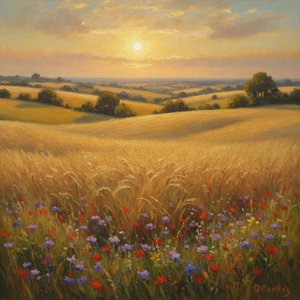
Golden Fields & Sun-Drenched Meadows: Capturing the Soul of Impressionist Landscapes
Immerse yourself in the luminous world of Impressionist landscapes. Discover how masters like Monet and Gauguin captured ephemeral light through plein air painting, and learn to bring the soul of sun-drenched meadows into your home with exquisite, hand-painted oil reproductions.

Capturing the Soul of Nature: A Journey Through the Sublime Majesty of American Romanticism
Explore the breathtaking beauty of American Romanticism. Discover how Hudson River School masters captured the sublime spirit of the wilderness through luminous oil landscapes and emotional depth. A journey into the soul of nature for the true art enthusiast.

Capturing the Soul: The Most Emotionally Moving Impressionist and Post-Impressionist Masterpieces
Discover the profound emotional depth of Impressionist and Post-Impressionist masterpieces. Explore how legends like Monet, Van Gogh, and Gauguin captured light and soul through evocative landscapes and vibrant brushwork for a timeless connection to art history.
Explorați opere de artă organizate pe teme, stiluri și caracteristici.

