


 Vezi în context
 Trimite
 Distribuie
 Detalii
 Ghidul

 Descarcă
 Produse similare
 Radiografie
 Diaporama
 Statistici
Castle Eden Dene
 Romanticism
 43.0 x 34.0 cm
 Darlington Library
Admire 'Castle Eden Dene' by William Bewick – a captivating landscape painting. Hand-painted reproduction available in various sizes. Bring timeless art into your home!
Explore the life & art of William Bewick, a pivotal English engraver & illustrator known for his detailed depictions of British wildlife & historical scenes. Discover his legacy!
==== END RESPONSE ====:
 Citește mai mult
Lucrarea de artă afișată pe această pagină este protejată de legile privind drepturile de autor, ceea ce înseamnă că nu putem crea sau vinde în mod legal o reproducere identică. Această protecție este garantată prin acorduri internaționale, precum Convenția de la Berna și de legile naționale, inclusiv cele prevăzute de Legea dreptului de autor din S.U.A. – Titlul 17. Toate drepturile rezervate. Orice reproducere neautorizată este interzisă.
Această metodă respectă pe deplin reglementările privind drepturile de autor, deoarece nu implică copierea sau duplicarea operei protejate. În schimb, este o reinterpretare creativă – o pictură nouă, influențată de original, dar care nu este identică cu acesta.
Giclée / Imprimare artistică
Printuri giclée sau pe canvas de calitate muzeală, cu proces de producție rapid și opțiuni flexibile de finisare. ( Comandă pictură realizată manual Treci la imagine digitală)




P118B lei10

P118H lei10

P118W lei10

P438Z lei10

P508JH lei12

P508YH lei12

P805H lei10

P805Z lei10

P919BZ lei10

P919G lei10

P919XJ lei10

P959ZH lei10

P968JZ lei12

W106C lei8

W218G lei10

W218JH lei8

W218Y lei10

W307PJ lei10

W316G lei10

W316PJ lei8

W316Y lei10

W398PJ lei8

W4111J lei10

W500HY lei15

W500JH lei15

W692G lei12

W849H lei8

W940BG lei15

W953PJ lei8




Dimensiuni standard
personalizat
CM
INCH
Alegeți dintre dimensiunile noastre prestabilite, care respectă proporțiile originale ale operei de artă.
Loading sizes...

lățime
înălțime
Introduceți lățimea și înălțimea de care aveți nevoie, pentru a se potrivi ramei sau peretelui dumneavoastră. O printare poate fi doar tăiată, niciodată extinsă dincolo de dimensiunea imaginii originale, astfel încât o dimensiune cu o formă diferită va pierde o parte din imagine. Vă trimitem o simulare digitală pentru aprobare înainte de a imprima orice. Imaginea afișată pe această pagină nu prezintă tăierea reală — doar simularea arată acest lucru.
Livrare în întreaga lume () în 2 săptămâni, în loc de cele 4/5 săptămâni standard. (19 Octombrie)

Livrare expres gratuită la nivel mondial

Pânză de in premium

Asigurare completă pentru transport

Garanție de rambursare a taxelor vamale

Garanția fidelității culorilor

Politica de retur în 100 de zile (doar pentru defecte)

Garanție de rambursare 100%

Reducere pentru comenzi multiple
 Opțiunea cu sticlă este disponibilă doar pentru dimensiuni de sub 110 cm

Castle Eden Dene
Giclée / Imprimare artistică
Dimensiune reproducere
-


Preț total
lei 317
Biografie artist
William Bewick: A Pioneer of British Wildlife Illustration
William Bewick (1824–1886) stands as a monumental figure in the annals of English art history, particularly revered for his groundbreaking contributions to wildlife illustration and his pivotal role in establishing the Sir William Dunn School of Pathology. Born in Ministeracres, Northumberland, he embarked on a remarkable artistic journey marked by unwavering faith and an unparalleled dedication to capturing the beauty and intricacies of the natural world—a passion that would profoundly shape his oeuvre and solidify his legacy as one of Britain’s foremost engravers and artists. Bewick's formative years were steeped in religious devotion, instilled by his parents who adhered to Roman Catholicism. This spiritual grounding served as a bedrock for his artistic sensibilities, fostering an appreciation for moral contemplation alongside meticulous observation—a duality that would permeate his work throughout his life. His early education encompassed Latin and Greek, equipping him with the intellectual tools necessary to engage critically with classical literature and philosophy, influences which subtly informed his artistic vision. His artistic apprenticeship began under John Harrison, a celebrated Newcastle engraver who imparted invaluable skills in printmaking techniques—a craft Bewick would master with exceptional precision. Harrison’s guidance instilled in Bewick not merely technical proficiency but also an understanding of the aesthetic principles underpinning masterful engraving, shaping him into a craftsman of discerning taste and unwavering dedication. This formative experience cemented his commitment to the art form and propelled him toward ambitious creative endeavors. Bewick's artistic breakthrough arrived with his collaboration on “Aesop’s Fables,” a monumental undertaking that showcased his unparalleled ability to transform literary narratives into stunning visual representations. Alongside John Harrison, Bewick meticulously crafted exquisitely detailed wood engravings—a technique demanding extraordinary patience and technical virtuosity—that breathed life into the timeless tales of Aesop's moral lessons. The resulting prints captivated audiences across Britain and cemented Bewick’s reputation as a visionary artist capable of elevating literature to new heights of artistic expression. He was particularly inspired by Benjamin Robert Haydon, whose encouragement fueled his ambition and propelled him toward achieving remarkable success in his chosen profession. The establishment of the Sir William Dunn School of Pathology in Newcastle represents perhaps Bewick’s most enduring contribution to British science and culture. Recognizing the transformative potential of immunological research—particularly the pioneering work on penicillin's origins—he championed the creation of this institution as a beacon of scientific innovation and educational excellence. Bewick tirelessly advocated for its funding, ensuring that it would continue to foster groundbreaking discoveries and nurture generations of aspiring scientists—a testament to his unwavering belief in the power of knowledge and its capacity to improve human wellbeing. His artistic output extended beyond “Aesop’s Fables” and the School's founding; Bewick produced a prolific body of work encompassing portraits, landscapes, and decorative prints—each imbued with a distinctive blend of realism and symbolic resonance. His meticulous attention to detail—evident in his engravings of British wildlife and his evocative depictions of Northumberland scenery—demonstrated an unwavering commitment to capturing the essence of his subjects with breathtaking accuracy. Furthermore, Bewick’s artistic explorations probed deeper into philosophical themes, reflecting his profound engagement with moral contemplation and spiritual inquiry—a characteristic that distinguishes him as a truly multifaceted artist. Bewick's legacy transcends mere artistic achievement; he served as Bishop of Hexham and Newcastle from 1882 until his death in 1886, embodying the virtues of piety, compassion, and intellectual rigor. During his episcopacy, he championed social reform initiatives aimed at alleviating poverty and promoting educational opportunities—a reflection of his unwavering conviction that faith should inspire action and contribute to the betterment of society. His steadfast devotion to his pastoral responsibilities cemented his reputation as a moral exemplar and underscored his commitment to upholding Christian values within the broader community. Ultimately, William Bewick’s artistic vision—rooted in religious faith, honed by masterful engraving techniques, and fueled by an ardent passion for capturing the beauty of British wildlife—established him as a pivotal figure in Victorian art history. His enduring influence continues to resonate today, inspiring artists and scholars alike to appreciate the transformative power of observation, meticulous craftsmanship, and moral contemplation—a testament to his indelible mark on the artistic landscape of Britain.
William Bewick
Anglia
Informații rapide
- Artistic Movement Or Style: Romanticism
- Artists Who Influenced This Artist: ['John Harrison']
- Date Of Birth: October 29, 1795
- Date Of Death: October 29, 1886
- Full Name: William Bewick
- Nationality: English
- Notable Artworks:
- Cauldron Snout
- The Sir William Dunn School of Pathology
- Place Of Birth: Darlington, Northumberland
Articole conexe
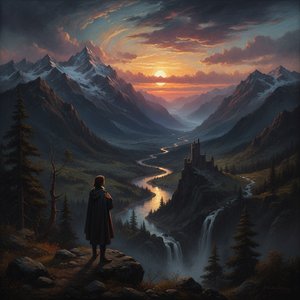
Capturing the Soul: The Emotional Majesty and Sublime Power of Romantic Landscape Painting
Explore the profound emotional depth of Romantic landscape painting. Discover how masters like Turner and Friedrich captured the sublime power of nature through intuition and imagination in this expert art history retrospective.

Capturing the Soul: The Emotional Magic and Sublime Grandeur of Romantic Landscape Painting
Explore the profound emotional depth of Romantic landscape painting. Discover how masters like Friedrich and Turner captured the sublime through light, shadow, and nature's power in this expert art history retrospective for discerning collectors.