


 Vezi în context
 Trimite
 Distribuie
 Detalii
 Ghidul

 Descarcă
 Produse similare
 Radiografie
 Diaporama
 Statistici
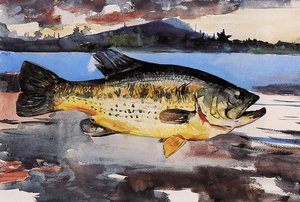
Pește În Salt
 Acrilic pe pânză întinsă
- Artă de perete
- American Impressionism
 1889
1889 14.0 x 20.0 cm
 Muzeul de Artă Plastică din Boston
Descoperă pictura impresionistă 'Pește În Salt' de Winslow Homer! Captură emoționantă a naturii americane în acuarelă, realizată în anul 1889 și prezentă în Muzeul Artei din Boston.
 Citește mai mult
Descoperă operele impresionante ale lui Winslow Homer! Pictorul american realist celebru pentru scene marine și peisaje evocatoare, Homer rămâne unul dintre cei mai influenți artiști ai Secolului XIX.
Giclée / Imprimare artistică
Printuri giclée sau pe canvas de calitate muzeală, cu proces de producție rapid și opțiuni flexibile de finisare. ( Comandă pictură realizată manual Treci la imagine digitală)




P118B lei10

P118H lei10

P118W lei10

P438Z lei10

P508JH lei12

P508YH lei12

P805H lei10

P805Z lei10

P919BZ lei10

P919G lei10

P919XJ lei10

P959ZH lei10

P968JZ lei12

W106C lei8

W218G lei10

W218JH lei8

W218Y lei10

W307PJ lei10

W316G lei10

W316PJ lei8

W316Y lei10

W398PJ lei8

W4111J lei10

W500HY lei15

W500JH lei15

W692G lei12

W849H lei8

W940BG lei15

W953PJ lei8




Dimensiuni standard
personalizat
CM
INCH
Alegeți dintre dimensiunile noastre prestabilite, care respectă proporțiile originale ale operei de artă.
Loading sizes...

lățime
înălțime
Introduceți lățimea și înălțimea de care aveți nevoie, pentru a se potrivi ramei sau peretelui dumneavoastră. O printare poate fi doar tăiată, niciodată extinsă dincolo de dimensiunea imaginii originale, astfel încât o dimensiune cu o formă diferită va pierde o parte din imagine. Vă trimitem o simulare digitală pentru aprobare înainte de a imprima orice. Imaginea afișată pe această pagină nu prezintă tăierea reală — doar simularea arată acest lucru.
Livrare în întreaga lume () în 2 săptămâni, în loc de cele 4/5 săptămâni standard. (21 Octombrie)

Livrare expres gratuită la nivel mondial

Pânză de in premium

Asigurare completă pentru transport

Garanție de rambursare a taxelor vamale

Garanția fidelității culorilor

Politica de retur în 100 de zile (doar pentru defecte)

Garanție de rambursare 100%

Reducere pentru comenzi multiple
 Opțiunea cu sticlă este disponibilă doar pentru dimensiuni de sub 110 cm

Pește În Salt
Giclée / Imprimare artistică
Dimensiune reproducere
-


Preț total
lei 317
Descoperirea unei Lumi În Mișcare: „Leaping Trout” de Winslow Homer
Winslow Homer este unul dintre cei mai prestigioși artiști americani ai său, iar pictura sa impresionistă „Leaping Trout”, realizată în anul 1889 și prezentată în Muzeul Artei din Boston, reprezintă o adevărată bijuterie a artei nord-americane. Această lucrare măsoară doar 14 x 20 cm, dimensiuni aparent modeste pentru un simbol al naturii brute și al libertății artistice, dar suficient de impresionante pentru a captura esența unei momente perfect surprinse în timp.Compoziția și Stilul Artistic
În centrul atenției este un pește turbat care sare din apă cu gura larg deschisă, încercând să prindă ceva în aer. Homer nu urmărește niciodată perfecțiunea unei reprezentări hiperrealiste; el preferă să ofere o perspectivă emoțională asupra lumii naturale. Acest lucru se reflectă în stilul său impresionist caracteristic, dominat de linii fluide și largi swipes de culoare care evocă senzația unei zile înnorate sau a unei lumini indirecte. Artistul nu își ascunde intențiile; el încearcă să transmită emoție prin intermediul culorilor și al texturilor picturii. În locul unor contururi precise, Homer folosește linii libere pentru a defini forme, creând astfel o atmosferă dinamică și autentică.Tehnica Watercolor și Sensibilitatea Artistică
Winslow Homer era maestru în utilizarea culorilor pe hârtie – tehnica watercolor – fiind capabil să obțină efecte spectaculoase cu ajutorul unei metode aparent simple. Fluiditatea și transparența acestui pigment oferă artistului libertatea de exprimare, permițându-i să surprindă efemeritatea unui moment în natură cu o acuratețe emoțională remarcabilă. Aplicarea atentă a culorilor este crucială pentru Homer; el nu doar reproduce ceea ce vede, ci și îl transmite cititorului într-un mod puternic și sugestiv. În „Leaping Trout”, Homer demonstrează astfel că adevărata artă rezidă în abilitatea de a comunica emoții și senzații prin intermediul unei forme artistice elegante și expresivă.Context Istoric și Simbolism
„Leaping Trout” este doar unul dintre numeroasele opere realizate de Homer în perioada impresionistă, perioadă caracterizată de interes pentru explorarea lumii naturale și pentru exprimarea emoțiilor individuale. Peisajele nord-americane erau subiectul preferat al lui Homer, iar acest tablou nu este doar o reprezentare fidelă a unei scene reale, ci și o reflecție asupra condiției umane în raport cu puterea naturii. În simbolism, săritura peștelui poate fi interpretată drept semn de energie vitală și libertate, precum și de dorința de a depăși limitele impuse de cotidian. Homer încurajează astfel privitorul să își îndrepte gândurile spre contemplarea frumuseții naturii și spre reflecția asupra sensului existenței.Impactul Emotional și Înspirarea Artistică
„Leaping Trout” rămâne o operă emblematică a artei nord-americane, oferind inspirație pentru artisti contemporani și pentru cei pasionați de decorare interioară. Culorile calme și atmosfera liniștită picturii creează un efect terapeutic, invitând privitorul să își abandoneze grijile și să se conecteze cu emoțiile autentice ale naturii. Această lucrare este o mărturie a talentului lui Winslow Homer și a înțelepciunii sale artistice – un testament al unei arte adevărată și puternică, capabilă să ne emoționeze și să ne inspire pentru generații întregi.Întrebări și răspunsuri
Unde și în ce scop este recomandată piesa „Pește În Salt”?
Utilizarea (Accent de culoare) și spațiul (Living Room) sunt cele două recomandări menționate pentru "Pește În Salt" de Winslow Homer.
Ce fel de piesă este "Pește În Salt"?
În catalog, "Pește În Salt" de Winslow Homer este clasificat ca Artă de perete. Această categorie ajută la găsirea unor lucrări similare.
Ce subiect și ce atmosferă combină "Pește În Salt" de Winslow Homer?
"Pește În Salt" de Winslow Homer combină watercolor painting, trout fishing, wildlife art, american landscape, outdoor scene, impressionistic style, nature detail cu o atmosferă Serenitate.
Opere similare




Biografie artist
A Brush with the American Spirit: The Life and Art of Winslow Homer
Winslow Homer, born in Boston in 1836, wasn’t sculpted by the traditional European art academies that shaped so many of his contemporaries. Instead, he emerged from a distinctly American experience, one rooted in practicality and observation. His journey began not with grand historical canvases, but as a commercial illustrator at the tender age of twelve for Harper's Weekly. This early apprenticeship was formative, honing an exceptional ability to capture scenes with clarity and detail – skills that would become hallmarks of his mature work. He wasn’t learning perspective in Paris; he was learning to *see* America, its people, and its unfolding story. The bustling streets of Boston, the quiet dignity of rural New England life, these were his first subjects, rendered with a precision born of necessity for the demands of print media. This foundation allowed him to transition into painting, initially in watercolor, before fully embracing the expressive potential of oil paints.From Pastoral Scenes to the Raw Power of Nature
Homer’s early paintings often depicted idyllic scenes – children playing, farmers tending their fields, quiet moments of domesticity. These works, while charming, hinted at a deeper artistic sensibility waiting to be unleashed. The catalyst for this transformation was undoubtedly the Civil War. As a war correspondent for Harper's Weekly, Homer witnessed firsthand the brutal realities of conflict. He didn’t focus on heroic battles or grand strategies; instead, he documented the everyday lives of soldiers and civilians, the quiet moments of grief and resilience amidst chaos. This experience profoundly altered his artistic vision. The pastoral scenes gave way to more challenging subjects: veterans grappling with trauma, freed slaves navigating a new world, and the stark beauty of landscapes touched by hardship. He began to explore themes of struggle, isolation, and humanity’s precar He wasn't interested in imitating European styles; he wanted to create an art that was uniquely American, reflecting its landscapes, its people, and its challenges. His style also evolved, becoming bolder and more direct, reflecting the raw emotional impact of what he had witnessed. Breezing Up (A Fair Wind), painted in 1876, exemplifies this skill – a quintessential depiction of American maritime life, brimming with energy and movement. The Gulf Stream, created decades later, is perhaps his most iconic work, a powerful and symbolic portrayal of a lone man battling the forces of nature, a metaphor for human struggle against overwhelming odds. He possessed an extraordinary ability to capture light, whether it was the dazzling glare of the sun on the ocean or the soft glow of twilight over a rural landscape. This mastery extended to his watercolors, where he achieved remarkable atmospheric effects through vibrant colors and delicate washes. Innocence, a poignant portrayal of childhood set against the backdrop of nature, and **Man of Science** demonstrate this commitment.Mastering Light, Texture, and the American Landscape
Winslow Homer's artistic technique is immediately recognizable for its solidity and texture. He wasn’t interested in fleeting impressions; he wanted to build up a sense of tangible reality on the canvas. His oil paintings are characterized by a direct painting approach – layers of paint applied with confidence, creating depth and luminosity. He possessed an extraordinary ability to capture light, whether it was the dazzling glare of the sun on the ocean or the soft glow of twilight over a rural landscape. This mastery extended to his watercolors, where he achieved remarkable atmospheric effects through vibrant colors and delicate washes. His unwavering dedication to observation—a cornerstone of American Realism—allowed him to translate the visual world onto canvas with unparalleled accuracy and emotional resonance.A Legacy Forged in American Realism
Winslow Homer's art offers a profound window into 19th-century America, providing invaluable insights into the social, political, and cultural landscape of his time. His paintings are not merely beautiful representations; they are powerful statements about human resilience, the beauty and power of nature, and the complexities of the American experience. He died in 1910, leaving behind a prolific body of work that continues to resonate with audiences today. His ability to depict America with honesty and authenticity—rejecting romantic idealism for gritty realism—established him as one of America’s most important and enduring artists. He wasn't just painting pictures; he was documenting a moment in time, preserving it for generations to come.- His work continues to inspire contemporary artists.
- Homer remains a pivotal figure in the development of American Realism.

Winslow Homer
1836 - 1910 , Statele Unite ale Americii
Informații rapide
- Artistic Movement Or Style: Realism american
- Artists Or Movements Influenced By This Artist: ['Pictori americani']
- Artists Who Influenced This Artist:
- Barbizon
- Courbet
- Millet
- Date Of Birth: 3 octombrie 1836
- Date Of Death: 1910
- Full Name: Winslow Homer
- Nationality: American
- Notable Artworks:
- Breezing Up
- Gulf Stream
- Inocență
- Place Of Birth: Boston, SUA
Articole conexe

Capturing the Light: A Journey Through the Soul of American Impressionism and the Hudson River School
Explore the luminous beauty of American Impressionism and the Hudson River School. Discover a curated journey through light, landscape, and history, celebrating the enduring legacy of masters through exquisite, hand-painted oil reproductions for the discerning art lover.
Explorați opere de artă organizate pe teme, stiluri și caracteristici.


