

 Предпросмотр
 Поделиться
 Поделиться
 Детали произведения
 Руководство

 Скачать
 Похожие предметы
 Рентгенография
 Слайд-шоу
 Вопросы и ответы
 Статистика просмотров
Berthe Morisot


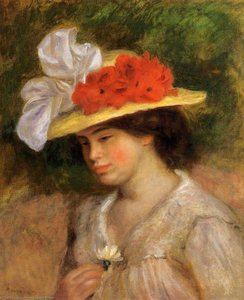
This photograph showcases Édouard Manet’s etching depicting Berthe Morisot. The composition centers on Morisot’s portrait adorned with an elaborate hat featuring feathers and ribbons—a hallmark of Impressionistic style characterized by loose lines and subtle detail. Manet's meticulous technique aims to convey a moment in time, reflecting the spirit of Parisian life during his era.
 Читать далее
Эдуард Мане: парижский бунтарь в искусстве! Откройте для себя новаторские работы, бросавшие вызов академизму и предвосхищавшие импрессионизм. 'Завтрак на траве', 'Олимпия' и многое другое!
Жикле и арт-принты
Печать (жикле) или холст музейного качества с быстрыми сроками изготовления и широким выбором вариантов отделки. ( Купить картину ручной работы Перейти к цифровым изображениям)




P118B $10

P118H $10

P118W $10

P438Z $10

P508JH $12

P508YH $12

P805H $10

P805Z $10

P919BZ $10

P919G $10

P919XJ $10

P959ZH $10

P968JZ $12

W106C $8

W218G $10

W218JH $8

W218Y $10

W307PJ $10

W316G $10

W316PJ $8

W316Y $10

W398PJ $8

W4111J $10

W500HY $15

W500JH $15

W692G $12

W849H $8

W940BG $15

W953PJ $8




Стандартный размер
на заказ
CM
INCH
Выберите один из наших стандартных размеров, соответствующих оригинальным пропорциям произведения искусства.
Loading sizes...

ширина
высота
Введите необходимую ширину и высоту, чтобы репродукция подошла к вашей раме или стене. При печати изображение можно только уменьшить, но нельзя увеличить больше оригинала, поэтому при выборе другого формата часть изображения может быть обрезана. Перед печатью мы отправим вам цифровой макет на утверждение. Изображение на этой странице не отображает реальную обрезку — ее можно увидеть только на макете.
Доставка по всему миру () за 2 недели вместо стандартных 4–5 недель. (6 Ноябрь)

Бесплатная экспресс-доставка по всему миру

Высококачественный льняной холст

Полное страхование при доставке

Гарантия возмещения таможенных пошлин

Гарантия точного цветового соответствия

100-дневная гарантия возврата (только при обнаружении дефектов)

Гарантия возврата 100% средств

Скидка при оптовом заказе
 Вариант со стеклом доступен только для размеров менее 110 см

Berthe Morisot
Жикле и арт-принты
Размер репродукции
-


Итоговая стоимость
$ 70
A Glimpse Through the Etching
The world settles into a quiet, grainy stillness as we look upon this portrait of Berthe Morisot. She sits within an interior space, her presence anchored by a gaze that drifts outward, meeting the viewer with a sense of contemplative calm. There is a certain weight to her expression, a thoughtful pause in the middle of a busy afternoon. Around her, the edges of the room begin to dissolve; figures linger in the background, their forms blurred and indistinct, as if they are mere echoes of a passing moment. The light does not strike the scene with harsh clarity but instead filters through a soft, diffused haze, settling upon the textures of her clothing and the elaborate architecture of her hat.
The hat itself commands attention, heavy with the delicate textures of feathers and ribbons. It rests upon her head like a crown of social grace, yet its very complexity hints at the layers of identity she carries. Beneath the brim, strands of hair escape in loose, energetic lines, adding a sense of movement to an otherwise stationary pose. The atmosphere feels thick with the quietude of the Belle Époque, a moment caught before the next breath or movement breaks the spell.
The Language of Line and Shadow
Every mark on this surface tells a story of deliberate spontaneity. Using the etching technique, the artist employs rapid, sketchy strokes that prioritize feeling over photographic precision. There is no attempt to smooth away the process; instead, the visible, biting lines of the etching create a sense of depth through tonal variation alone. The shadows are not solid blocks but are built from layers of fine, intersecting marks that suggest form and volume. This approach rejects the polished, seamless finish of academic tradition in favor of something much more immediate and raw.
The palette remains muted, leaning into the monochromatic depths of black and white to emphasize light and shadow. This lack of color forces the eye to wander through the textures—the grain of the paper, the sharpness of a silhouette, and the soft, feathered edges of the subject's attire. It is an impressionistic way of seeing, where the artist captures the ephemeral quality of light rather than the rigid boundaries of objects. The composition feels flattened, pulling the viewer closer to the subject, making the encounter feel personal and direct.
A Portrait of Identity
Beyond the technical execution, there is a deeper resonance within this depiction of Morisot. The elaborate adornments of her hat speak to the social status and feminine expectations of her era, yet her intense, inward-looking gaze suggests a mind far removed from mere decoration. There is a quiet tension here between the outward symbols of her station and the private, intellectual world reflected in her eyes. She exists as both a subject of beauty and a person of profound thought.
The way the lines delineate her face and hair creates an impression of life that is fleeting and fragile. It reminds us that this is a study of a living soul, captured during a period of great artistic rebellion when painters were beginning to break free from established rules to find new ways of portraying modern existence. The emotional impact lies in this very intimacy—the feeling that we are witnessing a private moment of introspection, preserved forever in the delicate, etched grooves of the plate.
Вопросы и ответы
К какому стилю относится «Berthe Morisot»?
«Berthe Morisot» — это произведение в стиле Impressionism. Данное направление указывает на художественную традицию, к которой относится эта работа.
«Berthe Morisot», Мане — это светлое или темное произведение искусства?
Воспринимаемая яркость произведения «Berthe Morisot», Мане составляет brilliant. Она может гармонировать с освещением в предназначенном для него пространстве.
Произведение «Berthe Morisot» в целом скорее светлое или темное?
Для работы «Berthe Morisot», Мане зафиксирован уровень яркости brilliant при показателе светлоты Luminous.
Похожие произведения


Биография художника
Парижский бунтарь: Жизнь и творчество Эдуара Мане
Эдуар Мане, родившийся в 1832 году в обеспеченной буржуазной семье Парижа, едва ли был предрасположен к судьбе революционера в искусстве. Его отец, уважаемый судья, видел для сына безопасное будущее в юриспруденции или, возможно, на морской службе – профессии, достойные их социального положения. Однако даже в детстве сердце Мане принадлежало живописи. В одиннадцать лет он начал брать уроки рисования, и хотя ненадолго поступил в ученики к академическому художнику Тома Кутюру, он быстро почувствовал стеснение от его строгих методов. Это раннее сопротивление предвещало жизнь, посвященную вызову художественным условностям. Мане не стремился просто копировать прошлое; он хотел запечатлеть живость – и иногда тревожную реальность – современной парижской жизни. Он часто посещал Лувр, но не для того, чтобы слепо копировать старых мастеров, а чтобы анализировать их техники, изучая у таких художников, как Караваджо и Веласкес, как свет и тень могут формировать образы и вызывать эмоции. Однако именно сдвиг в художественных течениях, особенно расцвет реализма, провозглашенного Гюставом Курбе, действительно зажег творческий путь Мане. Настойчивость Курбе на изображении повседневной жизни без идеализации глубоко отозвалась в душе Мане, освободив его от ограничений исторических или мифологических сюжетов.Прорыв с традициями: Скандал и новаторство
1860-е годы стали периодом интенсивных художественных брожений в Париже, и Мане оказался в самом центре этих событий. Появление японских гравюр – *укиё-э* – оказало глубокое влияние на его эстетические чувства. Он был очарован их упрощенными перспективами, смелыми композициями и поразительным использованием цвета, элементами, которые стали отличительными чертами его собственного стиля. Это влияние, в сочетании с растущим неприятием академической полировки, привело к созданию работ, которые шокировали и возмутили парижский художественный мир. «Завтрак на траве» (Le Déjeuner sur l'herbe), представленный на Салоне отвергнутых в 1863 году – выставке работ, отклоненных официальным салоном – стал эпицентром споров. Картина, изображающая обнаженную женщину, непринужденно пикникующую с двумя полностью одетыми мужчинами, была не просто о наготе; речь шла о *том, как* эта нагота была представлена. Фигуры Мане лишены идеализированных форм и мифологического контекста традиционных ню. Они неоспоримо современны, вызывая у зрителя тревожное ощущение прямоты. Скандал вокруг «Завтрака на траве» усилился с его шедевром 1865 года – «Олимпией». Эта картина, сознательная переработка «Венеры Урбино» Тициана, представила современную куртизанку, смело смотрящую прямо на зрителя. Бесстрашный реализм и провокационный сюжет вызвали широкое осуждение. Критики обвиняли Мане в вульгарности и художественной некомпетентности, но под негодованием скрывалось признание того, что он фундаментально меняет язык живописи.Мост к импрессионизму: Свет, мазок и современная жизнь
Хотя Мане никогда полностью не принимал ярлык «импрессиониста», его влияние на это движение было неоспоримым. Он разделял их отказ от академических условностей и стремление запечатлеть мимолетные эффекты света и атмосферы. Он выставлялся вместе с Моне, Ренуаром, Дега и другими художниками на независимых выставках импрессионистов, утвердив свою позицию ключевой фигуры авангарда. Техника Мане эволюционировала в сторону более свободного мазка, отдавая приоритет впечатлению формы над точной детализацией. Он экспериментировал с цветом, часто используя резкие контрасты для создания драматических эффектов. Помимо скандальных ню, Мане исследовал широкий спектр тем: портреты – включая поразительные изображения его жены Сюзанны и коллеги-художника Эмиля Золя; сцены парижской ночной жизни, такие как «Бар в «Фоли-Бержер», мастерски передающие отчуждение и зрелищность современной городской жизни; и интимные домашние сцены. Он не просто документировал эти сюжеты; он подвергал их сомнению, ставя под вопрос общественные нормы и бросая вызов устоявшимся представлениям о красоте.Наследие и непреходящее влияние
Преждевременная смерть Эдуара Мане в 1883 году от сифилиса прервала карьеру, которая уже необратимо изменила ход истории искусства. Хотя его репутация значительно выросла после его смерти, его влияние сразу же ощутили молодые художники, которые признали в нем освободителя. Он разрушил барьеры, бросив вызов традиционным представлениям о сюжете, технике и художественной цели.- Его акцент на изображении современной жизни проложил путь для импрессионизма и постимпрессионизма.
- Его новаторское использование мазка и цвета повлияло на поколения художников.
- Его готовность сталкиваться с неудобными истинами о обществе заставила зрителей подвергать сомнению свои собственные предположения.

Мане
1832 - 1883 , Франция
Об авторе
- Влиявшие Художники:
- Караваджо
- Веласкес
- Курбе
- Дата Рождения: 23 января 1832 г.
- Дата Смерти: 30 апреля 1883 г.
- Известные Работы:
- Завтрак на траве
- Олимпия
- Бар в Фоли-Бержер
- Место Рождения: Париж, Франция
- Национальность: Француз
- Полное Имя: Эдуард Мане
- Художественное Направление: Реализм, Импрессионизм
- Художники, Которых Повлиял:
- Моне
- Ренуар
- Дега
Похожие статьи

10 Iconic Etchings That Revolutionized the World of Art
Journey through history with 10 legendary etchings that redefined art. From Rembrandt to Goya, explore the stories behind these timeless masterpieces and find museum-quality reproductions for your decor. Discover all masterpieces on TopImpressionists.com.

10 Masterpieces Defined by the Magic of Cobalt Violet
Immerse yourself in the enchanting allure of cobalt violet. Explore 10 iconic masterpieces, from Impressionist classics to modern marvels, and learn the stories behind their vibrant hues. Find museum-quality art reproductions for your decor. Discover all masterpieces on TopImpressionists.com.
Откройте для себя произведения искусства, распределенные по темам, стилям и характеристикам.


