Примерить в интерьере
 Отправить
 Поделиться
 Подробнее
 Руководство

 Скачать
 Похожие объекты
 Рентгенография
 Слайд-шоу
 Q&A
Q&A Статистика
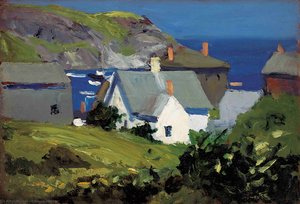
Freight Car at Truro


Edward Hopper’s ‘Freight Car at Truro,’ a masterful Social Realism painting from 1931 captures the poignant solitude of rural America. Its stark lighting and minimalist composition evoke a profound sense of quiet contemplation, inviting viewers to explore this iconic piece.
 Развернуть текст
Эдвард Хоппер: Мастер американского реализма, передающий тишину и городскую жизнь через тонкое использование света и тени. Откройте для себя его культовые картины, такие как Нighthawks и Дом у железнодорожного пути.
Произведение искусства, представленное на этой странице, защищено законом об авторском праве, что исключает возможность законного создания или продажи его точной репродукции. Данная защита обеспечивается международными соглашениями, такими как Бернская конвенция и национальным законодательством, включая положения, изложенные в Закон США об авторском праве — Раздел 17.
Этот метод полностью соответствует нормам авторского права, так как он не предполагает копирования или дублирования защищенного произведения. Напротив, это творческая реинтерпретация — создание новой картины, которая вдохновлена оригиналом, но не является его точной копией.
Жикле / Арт-принты
Печать (жикле) или холст музейного качества с быстрыми сроками изготовления и широким выбором вариантов отделки. ( Заказать репродукцию ручной работы Перейти к цифровым изображениям)




P118B $10

P118H $10

P118W $10

P438Z $10

P508JH $12

P508YH $12

P805H $10

P805Z $10

P919BZ $10

P919G $10

P919XJ $10

P959ZH $10

P968JZ $12

W106C $8

W218G $10

W218JH $8

W218Y $10

W307PJ $10

W316G $10

W316PJ $8

W316Y $10

W398PJ $8

W4111J $10

W500HY $15

W500JH $15

W692G $12

W849H $8

W940BG $15

W953PJ $8




Стандартный размер
индивидуальный заказ
CM
INCH
Выберите один из наших стандартных размеров, соответствующих оригинальным пропорциям произведения искусства.
Loading sizes...

ширина
высота
Введите необходимую ширину и высоту, чтобы репродукция подошла к вашей раме или стене. При печати изображение можно только уменьшить, но нельзя увеличить больше оригинала, поэтому при выборе другого формата часть изображения может быть обрезана. Перед печатью мы отправим вам цифровой макет на утверждение. Изображение на этой странице не отображает реальную обрезку — ее можно увидеть только на макете.
Доставка по всему миру () за 2 недели вместо стандартных 4–5 недель. (2 Ноябрь)

Бесплатная экспресс-доставка по всему миру

Высококачественный льняной холст

Полное страхование при транспортировке

Гарантия возврата таможенных пошлин

Гарантия точного цветового соответствия

100-дневный период возврата (только при обнаружении дефектов)

Гарантия возврата 100% средств

Скидка при заказе нескольких работ
 Вариант со стеклом доступен только для размеров менее 110 см

Freight Car at Truro
Жикле / Арт-принты
Размер репродукции
-


Итоговая стоимость
$ 69
A Symphony of Solitude: The Quiet Power of Freight Car at Truro
In the vast, sweeping landscape of American art, few images capture the heavy, cinematic silence of a moment quite like Edward Hopper’s Freight Car at Trurol. Painted in 1931, this masterpiece serves as more than just a depiction of a railway car resting on its tracks; it is a distilled essence of the American experience during the Great Depression. As the viewer's eye meets the stark, vibrant red of the train car, they are immediately transported to a rural New England setting, where the afternoon light feels diffused and heavy with memory. There is a profound stillness here, a sense that the world has paused to catch its breath, leaving us to contemplate the beauty found in isolation.
Hopper, a master of Social Realism, eschewed the idealized, romanticized landscapes of his predecessors. Instead, he turned his gaze toward the unvarnished truth of everyday life, imbuing even the most mundane subjects with deep psychological resonance. In this work, the composition is deceptively simple: a solitary freight car set against a backdrop of distant, rolling hills. Yet, within this simplicity lies a complex emotional architecture. The warmth radiating from the reds and oranges of the train creates a striking visual tension against the cool, receding blues and greens of the countryside, amplifying the sense of a singular object—and perhaps a singular soul—standing apart from the world.
Technique and the Architecture of Light
The emotional impact of this painting is inseparable from Hopper’s meticulous technical execution. He employed a sophisticated layering technique, using thin washes of oil paint to build up tonal gradations that capture the subtle, fleeting nuances of light and shadow. This painstaking approach allows the light to appear as if it is not merely hitting the surface of the canvas, but emerging from within it. The way the light grazes the metallic edges of the car and settles into the shadows of the tracks creates a tactile realism that draws the collector closer to the scene.
For the interior designer or art enthusiast, this painting offers a unique versatility. Its balanced color palette—anchored by bold primary tones but softened by earthy, natural hues—allows it to serve as a commanding focal point in a variety of settings. Whether placed in a modern, minimalist gallery space or a more traditional, cozy study, the work brings with it an atmosphere of quiet contemplation and sophisticated gravity. It does not demand attention through noise, but rather through a steady, enduring presence.
Historical Resonance and Emotional Depth
To look upon Freight Car at Truro is to witness the visual language of an era marked by economic hardship and social anxiety. Created during a period of profound displacement in American society, the painting speaks to the pervasive feeling of disconnection that characterized the early 1930s. Hopper deliberately avoids a clear narrative; there are no figures engaged in conversation, no obvious movement toward a destination. This ambiguity is intentional, inviting each viewer to project their own stories of longing and solitude onto the canvas.
The painting functions as a mirror for the human condition, exploring themes of loneliness not as a tragedy, but as a fundamental state of being. It captures that specific, electric tension found in the pauses between life's major events. For those seeking to bring a piece of art history into their homes, this reproduction offers more than just aesthetic beauty; it offers a window into the soul of 20th-century America, providing a permanent sense of peace and profound reflection within any living space.
Вопросы и ответы
Какую атмосферу передает «Freight Car at Truro»?
Произведение «Freight Car at Truro», Эдвард Хоппер характеризуется Calm настроением. Такая классификация поможет подобрать подходящий интерьер для этой работы.
Для какой комнаты рекомендуется «Freight Car at Truro», Эдвард Хоппер, учитывая его цветовую гамму?
Благодаря своей палитре Neutrals, работа «Freight Car at Truro», Эдвард Хоппер идеально подойдет для Living Room. Именно цветовая гамма послужила основой для этой рекомендации.
Какому этапу творчества Эдвард Хоппер соответствует работа «Freight Car at Truro»?
«Freight Car at Truro» относится к Mature Period в творчестве Эдвард Хоппер. Данная классификация позволяет проследить развитие мастера.
Похожие произведения


Биография художника
A Solitude Observed: The Life and Art of Edward Hopper
Edward Hopper, имя, неразрывно связанное с тишиной и тонкой меланхолией, пронизывавшей американскую жизнь XX века, был не просто художником сцен; он был поэтом света и тени, летописцем современной изоляции. Родился в Няке, штат Нью-Йорк, в 1882 году, в семье среднего класса с голландскими корнями, ранние годы Эдварда Хоппера были наполнены стабильным воспитанием, которое питало его художественные стремления. Уже с детства тщательно датированные и подписанные наброски свидетельствовали о тонком наблюдении и врожденном таланте к рисованию – они стали основой его будущей карьеры. Хотя изначально его родители поощряли коммерческое рисование – прагматичное предложение, основанное на их ожиданиях, амбиции Эдварда тянулись к живописи, что привело его в Нью-Йоркскую школу искусств, где он учился у Уильяма Мерритта Чеза и Роберта Ганри. Эти формирующие годы не только заложили техническую базу, но и воспитали в нем любовь к реализму и стремление изображать мир таким, каким он его видел – незагробленным и честным. Письма Ральфа Уолдо Эмерсона глубоко резонировали с Хоппером, укрепляя его индивидуализм и остроту наблюдения – качества, которые стали отличительными чертами его художеческого видения. Ранние путешествия в Париж позволили ему познакомиться с импрессионизмом, но Хоппер быстро отошел от его мимолетных мазков, создав свой собственный уникальный путь.Finding His Voice: Realism and the American Scene
Художественное путешествие Эдварда Хоппера не было мгновенным и легким. Он боролся с тем, чтобы найти свой отличительный голос, экспериментируя с различными стилями, прежде чем укрепиться в реализме, который определил его карьеру. Это был не просто копирование реальности; это была ее суть, отбрасывающая излишние детали, чтобы раскрыть лежащие в основе эмоциональные истины. Его картины начали фокусироваться на повседневных сценах – домах, закусочных, офисах, гостиничных номерах – наполненных ощущением покоя и часто одиночеством. Он обладал необычайной способностью улавливать психологическое состояние своих субъектов, намекая на истории без их прямого обозначения. Точное изображение света и тени стало ключевым моментом, не только как описательный элемент, но и как эмоциональный сигнал, создавая атмосферы, которые одновременно завораживают и тревожат. House by the Railroad (1925), одна из его ранних шедевров, иллюстрирует этот подход – кажущаяся простой композиция излучает глубокое чувство изоляции и тайны. Увлечение Хоппера гравюрой также было важным аспектом его творчества, отражая схожие темы и стилистические особенности живописи. Он не стремился к грандиозным историческим повествованиям или аллегорическим символам; он сосредоточился на обыденном, возвышая его за счет внимательного наблюдения и эмоционального резонанса.Iconic Visions: Nighthawks and Beyond
Хотя карьера Хоппера развивалась постепенно, определенные работы сделали его широко известным. Nighthawks (1942), вероятно, самая знаменитая картина Хоппера, мгновенно стала иконой американской культуры. Ночная сцена закусочной, залитая резким флуоресцентным светом, идеально воплощает чувство одиночества и анонимности современной городской жизни. Фигуры внутри потеряны в своих мыслях, отстраненные друг от друга, несмотря на их близость – трогательный комментарий о человеческой природе. Gas (1940), с его поразительным изображением заправочной станции, демонстрирует увлечение Хоппера американскими пейзажами и развивающейся автомобильной культурой. Другие заметные работы, такие как *Automat*, *Office in a Small City* и *Summertime*, каждая предлагают уникальные взгляды на сложности американского общества середины XX века. Эти картины не были просто изображениями мест; это были исследования настроения, психологии и тонких драматических событий, разворачивающихся в обычных обстановках. Его жена, Josephine Nivison Hopper, сыграла важную роль не только как его верная спутница, но и как частый модел, значительно способствуя характеристике женских фигур в его картинах.Themes and Legacy: A Lasting Influence
В творчестве Хоппера прослеживаются несколько повторяющихся тем. Одиночество в городе – пожалуй, самая заметная из них – ощущение изоляции, испытываемое отдельными людьми даже среди толпы. Он исследовал американский пейзаж, как сельский, так и городской, часто подчеркивая его суровость и пустоту. Его работы затрагивают психологический реализм, исследуя внутренние жизни своих субъектов с чувствительностью, выходящей за рамки простого представления. Существует также подтекст ностальгии по более простому прошлому, противопоставленный осознанию сложностей и тревог современной жизни. Влияние Хоппера на последующих художников неоспоримо. Его уникальный стиль вдохновил бесчисленное количество художников, включая Пьера Санфорд Росса, и продолжает резонировать с современными художниками, стремящимися уловить суть человеческого опыта. Его картины остаются востребованными коллекционерами и выставляются в крупных музеях по всему миру, укрепляя его место в истории американского искусства. Более чем просто художник, Эдвард Хоппер был визуальным философом, предлагающим глубокие инсайты в человеческое состояние посредством своего мастерства в изображении света, тени и композиции.- Его наследие заключается не только в красоте его картин, но и в их способности постоянно вызывать размышления, пробуждать эмоции и напоминать нам о тихой изоляции, которая часто определяет нашу жизнь.
- Работы Хоппера продолжают очаровывать аудиторию, потому что они говорят на универсальных темах одиночества, изоляции и поиска смысла в быстро меняющемся мире.
- Его картины стали иконическими представлениями американской культуры, часто используемыми для символизации тревог и стремлений XX века – и за его пределами.
- Эстетика Хоппера оказала глубокое влияние на таких кинематографистов, как Альфред Хичкок, и писателей, вдохновляя бесчисленные работы, исследующие подобные темы изоляции и психологического напряжения.

Эдвард Хоппер
1931 - 1967 , Соединенные Штаты Америки
Краткая справка
- Artistic Movement Or Style: Реализм
- Artists Or Movements Influenced By This Artist: ['Росс']
- Artists Who Influenced This Artist:
- Чейз
- Ганри
- Date Of Birth: 22 июля 1882
- Date Of Death: 15 мая 1967
- Full Name: Edward Hopper
- Nationality: Американский
- Notable Artworks:
- Nighthawks
- House by the Railroad
- Gas
- Place Of Birth: Няк, США
Похожие статьи

Джон Констебль: 25 шедевров английского пейзажа для вашего интерьера
Погрузитесь в мир английского пейзажа с Джоном Констеблом! 25 шедевров романтизма, история создания картин и вдохновение для вашего интерьера. Репродукции высокого качества на TopImpressionists.com – искусство для ценителей.

Современный реализм: 10 шедевров, изменивших искусство | TopImpressionists.com
Погрузитесь в мир современного реализма! 10 шедевров, изменивших искусство. Узнайте истории художников и секреты техники. Купите репродукции картин высокого качества для вашего интерьера на TopImpressionists.com.

Эдвард Хоппер: 25 шедевров американского реализма для вашего интерьера
Погрузитесь в мир Эдварда Хоппера! 25 культовых картин американского реализма, полных света и тени. История искусства, техника живописи и вдохновение для вашего интерьера. Репродукции музейного качества на TopImpressionists.com.

Cultivating Visions: A Historical Journey Through Rural Landscapes in Art
Explore the rich history of rural landscape painting with TopImpressionists. Discover Impressionist masterpieces, key artists & movements. Find your perfect serene artwork and bring nature's beauty home.

10 Шедевров Американского Реализма: Искусство Правды и Жизни | TopImpressionists
Погрузитесь в мир американского реализма! 10 шедевров от Эндрю Уайета, Эдварда Хоппера и других. История искусства, техники живописи и вдохновение для вашего интерьера. Купите репродукции картин на TopImpressionists.com!
Откройте для себя произведения искусства, распределенные по темам, стилям и характеристикам.