

 Примерить в интерьере
 Отправить
 Поделиться
 Подробнее
 Руководство

 Скачать
 Похожие объекты
 Рентгенография
 Слайд-шоу
 Q&A
Q&A Статистика
The Martigues

- 36.0 x 46.0 cm


A serene harbor scene blending Impressionism and Dadaism, this 1904 oil painting by Francis Picabia captures a tranquil blue and white seascape that invites you to bring a piece of art history into your home.
 Развернуть текст
Фрэнсис Пикаба – провокатор и новатор искусства начала XX века. Его работы: кубизм, дадаизм, сюрреализм, машинописные рисунки, сатира и яркие цвета. Исследуйте его уникальный мир!
Жикле / Арт-принты
Печать (жикле) или холст музейного качества с быстрыми сроками изготовления и широким выбором вариантов отделки. ( Заказать репродукцию ручной работы Перейти к цифровым изображениям)




P118B $10

P118H $10

P118W $10

P438Z $10

P508JH $12

P508YH $12

P805H $10

P805Z $10

P919BZ $10

P919G $10

P919XJ $10

P959ZH $10

P968JZ $12

W106C $8

W218G $10

W218JH $8

W218Y $10

W307PJ $10

W316G $10

W316PJ $8

W316Y $10

W398PJ $8

W4111J $10

W500HY $15

W500JH $15

W692G $12

W849H $8

W940BG $15

W953PJ $8




Стандартный размер
индивидуальный заказ
CM
INCH
Выберите один из наших стандартных размеров, соответствующих оригинальным пропорциям произведения искусства.
Loading sizes...

ширина
высота
Введите необходимую ширину и высоту, чтобы репродукция подошла к вашей раме или стене. При печати изображение можно только уменьшить, но нельзя увеличить больше оригинала, поэтому при выборе другого формата часть изображения может быть обрезана. Перед печатью мы отправим вам цифровой макет на утверждение. Изображение на этой странице не отображает реальную обрезку — ее можно увидеть только на макете.
Доставка по всему миру () за 2 недели вместо стандартных 4–5 недель. (31 Октябрь)

Бесплатная экспресс-доставка по всему миру

Высококачественный льняной холст

Полное страхование при транспортировке

Гарантия возврата таможенных пошлин

Гарантия точного цветового соответствия

100-дневный период возврата (только при обнаружении дефектов)

Гарантия возврата 100% средств

Скидка при заказе нескольких работ
 Вариант со стеклом доступен только для размеров менее 110 см

The Martigues
Жикле / Арт-принты
Размер репродукции
-


Итоговая стоимость
$ 69
A Serene Voyage Through Light and Color
In the quietude of 1904, a young Francis Picabia captured a moment of profound stillness in his masterpiece, The Martigues. This evocative oil on canvas invites the viewer into a tranquil harbor scene, where the boundaries between water, sky, and shore seem to dissolve into a dreamlike haze. The composition is anchored by a large sailing vessel that rests upon the calm expanse of the sea, its presence balanced by the solitary figure of a man standing near a boat in the foreground. This human element provides a poignant sense of scale and a touch of narrative intimacy, suggesting a moment of quiet contemplation amidst the vastness of the coastal landscape. As the eye wanders toward the horizon, the soft silhouettes of trees and distant buildings emerge, lending a gentle depth to the scene that draws the observer deeper into this maritime sanctuary.
The technical brilliance of The Martigues lies in Picabia’s masterful ability to weave together the disparate threads of late 19th-century innovation. At first glance, the painting breathes with the luminous energy of Impressionism, utilizing a palette dominated by soothing blues and crisp whites to evoke the cool, refreshing atmosphere of a coastal morning. Yet, beneath this surface lies a more complex structural approach; the artist employs short, broken brushstrokes reminiscent of Pointillism, creating a textured, tactile surface that dances with light. Subtle hints of yellow-gold on the ship's rigging provide a warm, rhythmic contrast to the cool tones, while delicate traces of green in the vegetation add organic vitality. This experimental fusion of styles showcases an artist on the precipice of a revolution, blending the sensory delights of light and color with a burgeoning interest in more structured, modern forms.
The Dawn of an Avant-Garde Spirit
To behold The Martigues is to witness the early tremors of a cultural earthquake. While Picabia would later become a central provocateur of the Dada movement—a movement defined by its rejection of traditional aesthetics and its embrace of the absurd—this particular work captures him in a more lyrical, transitional phase. It serves as a beautiful bridge between the representational traditions of the past and the radical experimentation of the 20th century. The painting does not merely depict a harbor; it symbolizes the spirit of exploration and the fluidity of identity. The sailing ship, poised for movement yet resting in stillness, acts as a metaphor for the artist’s own restless journey through Cubism, Surrealism, and Dadaism.
For the discerning collector or interior designer, this reproduction offers more than just visual elegance; it provides a window into the soul of modern art history. The soft, diffused lighting and the absence of harsh shadows create an atmosphere of peace that is ideal for creating a sophisticated, calming sanctuary within a home or gallery space. Whether placed in a sunlit study or a contemporary living area, The Martelligues brings with it a sense of historical weight and artistic prestige. Owning a high-quality, hand-painted reproduction allows one to inhabit the same world of light and texture that Picabia inhabited over a century ago, making the profound legacy of the French avant-garde a tangible part of your personal environment.
Вопросы и ответы
К какой исторической эпохе относится «The Martigues», Франциск Пикаба?
«The Martigues», Франциск Пикаба относится к периоду Modern. Этот период определяет исторический контекст произведения.
Какое настроение принесет в интерьер произведение «The Martigues»?
Картина «The Martigues», Франциск Пикаба создает Serene атмосферу и идеально подойдет для Hotel Room. Настроение произведения — это то, что он привносит в окружающее пространство.
Из какой страны происходит работа в стиле Dadaism «The Martigues»?
«The Martigues» был создан Франциск Пикаба, уроженцем Франция, в рамках направления Dadaism. Происхождение художника связывает это произведение с Dadaism в том виде, в котором его развивали мастера из Франция.


Биография художника
A Life Forged in Avant-Garde Fire: The World of Francis Picabia
Francis Picabia, имя, которое неразрывно связано с духом раннего 20 века, был гораздо больше, чем просто художник; он был провокатором, поэтом, типографом и неустанным исследователем границ искусства. Родился в Париже в 1879 году у французской матери и кубинского отца, погруженного в дипломатические круги, жизнь Пикабии была отмечена как привилегиями, так и глубоким недовольством обыденностью. Эта двойственность стала топливом для его художественного пути, подталкивая его через кубизм, дадаизм, сюрреализм и далеко за их пределы, оставив неизгладимый след в ландшафте современного искусства. Ранние годы его жизни омрачены трагедией – смерть матери от туберкулеза всего в пять лет, но также были напитаны поддержкой отца, который поощрял его растущий талант. Наследие значительного состояния позволило Пикабии полностью посвятить себя художественным занятиям, роскошь, которая позволила ему неустанно экспериментировать и бросать вызов устоявшимся нормам. Он не был просто заинтересован в том, *как* выглядит искусство; он ставил под сомнение его саму цель и смысл.Impressionistic Beginnings and the Cubist Revolution
Ранние начинания Пикабии в мире искусства были основаны на стилях того времени, особенно импрессионизме. Он писал парижские пейзажи и берега рек с технической ловкостью, которая все же оставляла его неудовлетворенным. Критики находили его работу вторичной, лишенной оригинальности, что привело к решающему повороту. Это недовольство побудило его искать новые способы выражения, подталкивая его к революционным идеям, бушующим в кубистском движении около 1909 года. Присоединение к группе "Путеу" – коллективу, включавшему Марселя Дюшана и Гийома Аполлинера – оказалось решающим. Он погрузился в деконструкцию формы, фрагментацию перспективы и исследование геометрической абстракции. Этот период ознаменовал значительный сдвиг в его эстетике, отходя от репрезентационной точности к более концептуальному подходу. Его полотна начали пульсировать новой энергией, отражая интеллектуальный бум эпохи. Влияние Дюшана было особенно сильным, способствуя общим духам иконы и готовности разрушать художественные традиции.Dada’s Provocateur: Machines, Satire, and the Rejection of Reason
Вспышка Первой мировой войны стала катализатором радикальной фазы жизни Пикабии – его принятия дадаизма. Ошеломленный бессмысленным насилием и социальным лицемерием, которые он наблюдал, он отверг разум, логику и традиционные художественные ценности. Переезд в Нью-Йорк в 1915 году поместил его в центр развивающейся американской дадаистской сцены вместе с Дюшаном и Рене Маре. Именно здесь Пикабиа по-настоящему отточил свой уникальный дадаистский способ выражения. Он начал создавать серию "машинных рисунков", изображающих фантастические механические устройства – часто наполненные сексуальными подтекстами – которые служили едкими критиками одержимости современного общества технологиями и индустриализацией. Эти работы не были просто изображениями машин; они были аллегориями сил, разрушающих мир вокруг него. Его сатирический юмор в сочетании с мастерским владением линией и формой сделал эти рисунки особенно мощными. Он издавал *«Маленькую критику»*, дадаистский журнал, который еще больше распространял его провокационные идеи и бросал вызов общепринятым художественным нормам. «Всеобщее проституционное искусство», сложная работа, созданная в этот период, является ярким примером его готовности сталкиваться с табуированными темами и разрушать социальные ожидания.A Shifting Kaleidoscope: Surrealism and Beyond
Художественный путь Пикабиа характеризовался постоянной эволюцией и отказом быть помеченным в одной категории. Хотя он был глубоко вовлечен в дадаизм, он временно пофлиртовал с сюрреализмом в 1920-х годах, исследуя царство снов и подсознания. Однако даже эта ассоциация оказалась временной. Он быстро разочаровался в том, что считал жесткой догмой сюрреалистического движения, предпочитая сохранять свою независимость и продолжать прокладывать свой собственный путь. На протяжении большей части своей карьеры Пикабиа экспериментировал с различными стилями и техниками, сочетая элементы фигуративности, абстракции и даже прозрачности в своих работах. Его поздние картины часто изображали биоморфные формы и яркую палитру, отражая новый интерес к органическим формам и чувственным текстурам. Он оставался неустанным новатором до своей смерти в 1953 году, оставив после себя корпус работ, который продолжает бросать вызов и вдохновлять художников сегодня.Legacy: A Pioneer of Modern Artistic Freedom
Наследие Франсиса Пикабиа неоспоримо. Его неустанные эксперименты, его отказ от традиции и его готовность принять противоречия проложили путь для поколений художников, последовавших за ним. Он был настоящим пионером художественной свободы, демонстрируя, что искусство может быть чем угодно – политическим заявлением, философским исследованием, личным выражением или просто игривым исследованием формы и цвета. Он бросил вызов самой концепции того, что представляет собой «искусство», заставляя зрителей ставить под сомнение свои собственные предположения и предубеждения. Сегодня картины Пикабиа отмечаются не только своими интеллектуальными требованиями, но и их визуальной динамикой и непреходящей актуальностью. Его наследие заключается не только в его отдельных шедеврах, но и в его непоколебимой приверженности художественным инновациям и его отказу быть связанным ограничениями традиции.
Франциск Пикаба
1879 - 1953 , Франция
Краткая справка
- Artistic Movement Or Style: Кубизм, Дада, Сюрреализм
- Artists Or Movements Influenced By This Artist:
- Дада
- Сюрреализм
- Artists Who Influenced This Artist:
- Сислей
- Душанп
- Date Of Birth: 22 января 1879 г.
- Date Of Death: 30 ноября 1953 г.
- Full Name: Francis-Marie Martinez Picabia
- Nationality: Француз
- Notable Artworks: ['Amorous Parade']
- Place Of Birth: Париж, Франция
Похожие статьи

Топ-10 знаменитых картин в оттенках серо-голубого: искусство и декор от TopImpressionists
Погрузитесь в мир серо-голубых оттенков! От Моне до Ренуара – 10 знаменитых картин, вдохновляющих на создание уникального интерьера. Репродукции высокого качества от TopImpressionists.com. Explore the full collection online!

Топ-25 шедевров Ренуара: искусство, история и вдохновение для интерьера
Погрузитесь в мир Ренуара! 🎨 Откройте топ-25 шедевров импрессионизма, историю создания картин и вдохновляющую красоту. Купите репродукции высокого качества для вашего интерьера на TopImpressionists.com – музейное искусство онлайн!
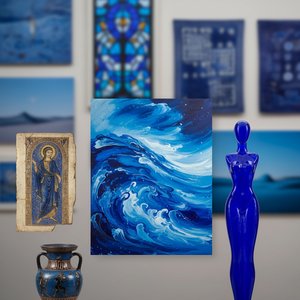
The Allure of Azure: Exploring the Symbolic & Aesthetic Depths of Blue in Art History
Explore the rich history of blue in art! Discover its symbolism, from ancient pigments to modern masterpieces by Kandinsky & Seurat. Uncover the psychological impact and cultural meanings behind this captivating hue.

Белые шедевры: 10 знаменитых картин, покоривших мир (репродукции, декор)
Откройте для себя 10 знаменитых картин, где белый цвет – главный герой! Моне, Дега и другие мастера. История искусства, техники живописи и вдохновение для вашего интерьера. Репродукции высокого качества на TopImpressionists.com

Топ-25 шедевров Клода Моне: Искусство света и импрессионизма для вашего интерьера
Погрузитесь в мир Клода Моне! 25 шедевров импрессионизма, от "Водных лилий" до знаменитых пейзажей. Узнайте историю создания картин и вдохновитесь для декора интерьера. Репродукции музейного качества на TopImpressionists.com.