

 Предпросмотр
 Поделиться
 Поделиться
 Детали произведения
 Руководство

 Скачать
 Похожие предметы
 Рентгенография
 Слайд-шоу
 Вопросы и ответы
 Статистика просмотров
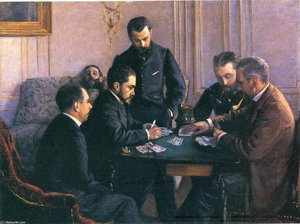
Boating Party


 Читать далее
Густав Кайботт (1848-1894): французский художник, мастер реалистичной и импрессионистской живописи парижской жизни. Известен картиной «Парижская улица; дождливый день». Уникальные перспективы.
Жикле и арт-принты
Печать (жикле) или холст музейного качества с быстрыми сроками изготовления и широким выбором вариантов отделки. ( Купить картину ручной работы Перейти к цифровым изображениям)




P118B $10

P118H $10

P118W $10

P438Z $10

P508JH $12

P508YH $12

P805H $10

P805Z $10

P919BZ $10

P919G $10

P919XJ $10

P959ZH $10

P968JZ $12

W106C $8

W218G $10

W218JH $8

W218Y $10

W307PJ $10

W316G $10

W316PJ $8

W316Y $10

W398PJ $8

W4111J $10

W500HY $15

W500JH $15

W692G $12

W849H $8

W940BG $15

W953PJ $8




Стандартный размер
на заказ
CM
INCH
Выберите один из наших стандартных размеров, соответствующих оригинальным пропорциям произведения искусства.
Loading sizes...

ширина
высота
Введите необходимую ширину и высоту, чтобы репродукция подошла к вашей раме или стене. При печати изображение можно только уменьшить, но нельзя увеличить больше оригинала, поэтому при выборе другого формата часть изображения может быть обрезана. Перед печатью мы отправим вам цифровой макет на утверждение. Изображение на этой странице не отображает реальную обрезку — ее можно увидеть только на макете.
Доставка по всему миру () за 2 недели вместо стандартных 4–5 недель. (9 Ноябрь)

Бесплатная экспресс-доставка по всему миру

Высококачественный льняной холст

Полное страхование при доставке

Гарантия возмещения таможенных пошлин

Гарантия точного цветового соответствия

100-дневная гарантия возврата (только при обнаружении дефектов)

Гарантия возврата 100% средств

Скидка при оптовом заказе
 Вариант со стеклом доступен только для размеров менее 110 см

Boating Party
Жикле и арт-принты
Размер репродукции
-


Итоговая стоимость
$ 70
A Snapshot of Parisian Leisure: Gustave Caillebotte’s ‘Boating Party’
Gustave Caillebotte's “Boating Party,” completed in 1876, isn’t merely a depiction of an afternoon outing; it’s a meticulously crafted distillation of Impressionist ideals and a poignant reflection on the burgeoning modernity of late nineteenth-century Paris. Painted during a period marked by rapid industrialization and social upheaval, Caillebotte captures a moment of tranquil beauty amidst the dynamism of urban life—a deliberate contrast that speaks volumes about his artistic vision. The painting resides within the Musée d’Orsay’s collection, designated as a National Treasure of France, cementing its place in art history and ensuring its continued appreciation for generations to come.The Impressionist Technique: Capturing Fleeting Light
Caillebotte's mastery lies not just in his subject matter but also in his groundbreaking application of Impressionist technique. Abandoning the academic conventions of realism prevalent at the time, he embraced a looser brushstroke style—characterized by visible pigment particles and an emphasis on capturing the ephemeral effects of light. Unlike traditional artists who sought to render objects with painstaking detail, Caillebotte prioritized conveying atmosphere and sensation. Observe how the dappled sunlight filters through the foliage lining the riverbank, illuminating the figures within the boat and creating a shimmering haze that softens the edges of the scene. This deliberate disregard for precise representation aligns perfectly with Impressionism’s core belief: art should strive to capture the immediacy of experience rather than presenting idealized versions of reality.A Window into Parisian Society
“Boating Party” offers a fascinating glimpse into the social landscape of Paris during Caillebotte's era. The painting portrays a group of affluent Parisians enjoying leisure activities—a common pastime for the bourgeoisie—reflecting the growing importance of outdoor pursuits and socializing amongst the educated elite. The central figure, dressed in a top hat and wielding an oar with confident grace, embodies the spirit of self-assured masculinity characteristic of the time. Surrounding him are fellow gentlemen, engaged in conversation and contemplation, subtly hinting at the intellectual debates and artistic ferment shaping Parisian culture. Notably, Caillebotte’s inclusion of a dog adds an element of domesticity to the urban tableau—a detail that underscores the painting's portrayal of everyday life rather than grand historical narratives.Symbolism Beyond Surface Beauty
While aesthetically pleasing, “Boating Party” is imbued with symbolic significance. The boat itself represents stability and aspiration – a vessel carrying individuals towards a future filled with possibilities. The figures within are not simply observing the scenery; they are actively participating in it, embodying the humanist values championed by Impressionists. Furthermore, Caillebotte’s compositional choices—particularly his use of perspective—serve to heighten the sense of depth and immersion, inviting viewers into the scene as if they were present alongside the boating party. The artist's careful attention to detail contributes to a feeling of authenticity and invites contemplation on themes of leisure, social status, and the beauty found in ordinary moments.Emotional Resonance: Tranquility Amidst Change
Ultimately, “Boating Party” transcends its formal qualities to evoke a profound emotional response. Despite the backdrop of rapid societal transformation, Caillebotte manages to convey a palpable sense of serenity—a respite from the pressures of urban life and an appreciation for the simple pleasures of companionship. The painting’s luminous palette and delicate brushstrokes capture not just what is seen but also how it feels – a testament to Caillebotte's ability to translate visual experience into emotive resonance. It remains a powerful reminder that even amidst change, beauty—and moments of quiet contemplation—can endure.Вопросы и ответы
Какой формат у произведения «Boating Party»?
«Boating Party», Густав Кайботт — это композиция в формате Landscape. Перед выбором размера печати стоит проверить пропорции.
Каков правовой статус произведения «Boating Party», Густав Кайботт с точки зрения авторского права?
«Boating Party», Густав Кайботт находится в общественное достояние — срок действия авторского права истёк. Срок действия авторского права исчисляется со смерти художника, наступившей в 1894.
Что изображено на картине «Boating Party»?
Темы, представленные в «Boating Party», Густав Кайботт, включают parisian leisure, urban scene, boat landscape, summer afternoon, outdoor activity, french impressionism, top hat figure, relaxation. Вместе они раскрывают основной сюжет произведения.
Похожие произведения




Биография художника
A Parisian of the New Age: The Life and Art of Gustave Caillebotte
Gustave Caillebotte, born in Paris in 1848, was an artist uniquely positioned to witness – and then capture – the dramatic transformations sweeping across his beloved city. His father, Martial Caillebotte, a successful textile merchant and respected judge, provided not only financial stability but also a privileged vantage point from which to observe the burgeoning modernity of Paris. This upbringing instilled in Gustave a keen awareness of social change and an appreciation for the evolving urban landscape – themes that would become central to his artistic vision. Initially pursuing a path in law, earning degrees at the Sorbonne, Caillebotte’s true passion lay within the realm of art. He began formal training under Léon Bonnat, a respected academic painter, immersing himself in traditional techniques while simultaneously developing an intense fascination with photography – a relatively new medium that was rapidly changing how images were captured and perceived. This early exposure to photographic principles—its precise framing, its ability to freeze fleeting moments, and the way it presented perspective—would profoundly influence his distinctive style, shaping his approach to composition and visual storytelling. Caillebotte wasn’t simply documenting change; he was actively engaging with the aesthetic possibilities inherent in this dynamic era.Realism Meets Impressionist Light
Caillebotte's artistic journey diverged significantly from the rigid conventions of academic painting, yet he never fully embraced the purely optical explorations championed by many of his Impressionist contemporaries. He found a kindred spirit in artists like Edgar Degas and Giuseppe de Nittis, both of whom shared a fascination with modern life but approached it through distinct lenses. Caillebotte’s early masterpiece, Les Raboteurs de Parquet (The Floor Scrapers), exhibited at the 1875 Salon, immediately established his reputation as a bold and unconventional painter. This work, depicting three laborers meticulously scraping a wooden floor in a dimly lit workshop, was a deliberate departure from the idealized subjects typically favored by the Salon. The composition—cropped tightly, almost jarringly direct, and devoid of sentimental embellishment—shocked some viewers while captivating others. It wasn’t merely the subject matter – the depiction of working-class laborers rarely graced the canvases of high art – but also the unflinching honesty with which Caillebotte rendered their toil. This commitment to portraying contemporary life without resorting to romanticization or idealization became a defining characteristic of his work. He continued this exploration in paintings like View of Rooftops (Snow), where he masterfully captured the muted tones and atmospheric effects of a Parisian winter, utilizing techniques borrowed from photography to create a sense of depth and spatial ambiguity.A Patron of Innovation: Supporting the Impressionists
Beyond his own artistic pursuits, Gustave Caillebotte played an unexpectedly significant role in fostering the development of the Impressionist movement. His family’s considerable wealth—inherited after his father's death—provided him with a level of financial independence that allowed him to support and champion other artists who were struggling to gain recognition within the established art world. He became a generous patron, purchasing works by Claude Monet, Pierre-Auguste Renoir, Camille Pissarro, and many others – often at a time when these artists’ work was being rejected by the conservative Salon jury. Caillebotte wasn't simply accumulating artwork; he actively promoted the Impressionist cause, organizing and financing several of their exhibitions, effectively providing them with a platform to showcase their innovative techniques and perspectives. His involvement extended beyond mere financial support; he genuinely admired the artists’ willingness to challenge conventional artistic norms and capture the fleeting moments of modern life. This dedication to fostering innovation within the art world is a testament to his progressive spirit and his belief in the power of artistic experimentation.Capturing Modern Paris: Composition and Perspective
Caillebotte's unique approach to composition and perspective further distinguished his work from that of many of his contemporaries. He was particularly influenced by Japanese prints, which he studied with great interest, appreciating their flattened perspectives, asymmetrical arrangements, and emphasis on everyday subjects. This influence is evident in paintings like Boulevard vu d’en haut (Boulevard Seen from Above), a remarkably modern composition that captures the bustling energy of a Parisian boulevard from an elevated vantage point. The cropped view, dynamic lines, and sense of movement create a powerful impression of urban life – anticipating techniques that would later be employed by photographers and modernist painters. Furthermore, Caillebotte’s early exposure to photography informed his use of light and shadow, allowing him to capture the subtle nuances of color and atmosphere with remarkable precision. His paintings are not simply representations of reality; they are carefully constructed visual narratives that invite viewers to contemplate the complexities of modern Parisian life.Legacy and Rediscovery
For decades following his death in 1894, Caillebotte’s work remained largely overlooked by the art world. His paintings were primarily held within his family's collection and rarely exhibited or reproduced. It wasn’t until the late 20th century that a renewed appreciation for his artistic vision began to emerge, fueled by scholarly research and major exhibitions. Today, Gustave Caillebotte is recognized as a pivotal figure in 19th-century art – an artist who seamlessly blended realism with Impressionist techniques, pioneered innovative compositional strategies, and captured the spirit of a rapidly changing Paris. His paintings offer a unique window into the urban landscape of his time, revealing both the beauty and the challenges of modern life. Caillebotte’s legacy continues to grow as scholars and art enthusiasts alike rediscover the depth and originality of his remarkable body of work.
Густав Кайботт
1848 - 1894 , Франция
Об авторе
- Artistic Movement Or Style: Реализм, Импрессионизм
- Artists Or Movements Influenced By This Artist: ['Импрессионизм']
- Artists Who Influenced This Artist:
- Дега
- Нитиссе
- Date Of Birth: 19 августа 1848 г.
- Date Of Death: 21 февраля 1894 г.
- Full Name: Gustave Caillebotte
- Nationality: Француз
- Notable Artworks:
- Лесрабы Caillebotte
- Вид на крыши (снег)
- Бульвар с высоты
- Place Of Birth: Париж, Франция
Похожие статьи

Gustave Caillebotte: Bridging Realism & Modernity in Parisian Life
Explore the life & art of Gustave Caillebotte, a pivotal figure bridging Realism & Impressionism. Discover his iconic Parisian scenes and lasting legacy with TopImpressionists.

Топ-10 шедевров импрессионизма: картины, изменившие мир искусства | TopImpressionists
Погрузитесь в мир импрессионизма! Откройте топ-10 шедевров Моне, Ренуара и других великих художников. История создания, уникальные техники и вдохновение для вашего интерьера. Репродукции картин высокого качества на TopImpressionists.com.

25 Шедевров Густава Климта: Искусство, Декор и Золотой Век Австрийского Модерна
Погрузитесь в мир Густава Климта! 25 шедевров австрийского модерна, символизма и золотой живописи. Узнайте истории создания знаменитых картин Климта и вдохновитесь для декора интерьера. Репродукции музейного качества на TopImpressionists.com.

Топ-10 шедевров импрессионизма: искусство мгновения для вашего интерьера
Погрузитесь в мир импрессионизма! Откройте для себя 10 шедевров Моне, Ренуара и других великих мастеров. Узнайте историю создания культовых картин и вдохновитесь для декора интерьера. Репродукции музейного качества на TopImpressionists.com.

Топ-10 шедевров импрессионизма: искусство, изменившее мир | TopImpressionists.com
Погрузитесь в мир импрессионизма! Откройте топ-10 шедевров Моне, Ренуара и других гениев. Узнайте историю создания культовых картин, технику письма и влияние на искусство. Репродукции музейного качества – TopImpressionists.com
Откройте для себя произведения искусства, распределенные по темам, стилям и характеристикам.


