


 Примерить в интерьере
 Отправить
 Поделиться
 Подробнее
 Руководство

 Скачать
 Похожие объекты
 Рентгенография
 Слайд-шоу
 Статистика
Mrs Mounter
 Oil On Canvas
- WallArt
- Impressionist Realism
 1916
1916- Modern
 117.0 x 87.0 cm
 Национальные музеи Ливерпуля
Harold John Wilde Gilman's 'Mrs Mounter at the Breakfast Table', painted in 1916-17, captures intimate domestic life with striking color palettes and expressive brushwork—a cornerstone of Camden Town Group realism.
 Развернуть текст
Discover Harold John Wilde Gilman (1876-1919), a British painter & Camden Town Group founder. Explore intimate interiors, portraits, landscapes & his influence on early 20thC art.
Масляная репродукция ручной работы
Картина маслом на холсте в выбранном вами размере и раме, написанная на заказ нашими художниками. ( Переключиться на печать Перейти к цифровым изображениям)




P118B $10

P118H $10

P118W $10

P438Z $10

P508JH $12

P508YH $12

P805H $10

P805Z $10

P919BZ $10

P919G $10

P919XJ $10

P959ZH $10

P968JZ $12

W106C $8

W218G $10

W218JH $8

W218Y $10

W307PJ $10

W316G $10

W316PJ $8

W316Y $10

W398PJ $8

W4111J $10

W500HY $15

W500JH $15

W692G $12

W849H $8

W940BG $15

W953PJ $8




Стандартный размер
индивидуальный заказ
CM
INCH
Выберите один из наших стандартных размеров, соответствующих оригинальным пропорциям произведения искусства.
Loading sizes...

ширина
высота
Введите необходимую ширину и высоту, чтобы репродукция подошла к вашей раме или стене. Поскольку работа выполняется вручную, при изменении пропорций художник может немного увеличить область вокруг картины или, наоборот, обрезать края — выбор за вами. Перед началом работы мы пришлем вам цифровой макет на утверждение. Изображение на этой странице не является точным результатом — увидеть реальный вид можно только на макете.
Примеры возможных изменений: замена лица на фото клиента; добавление домашнего животного (например, замена кошки на собаку); добавление скрытого послания на фоне; изменение пейзажа или элементов фона.
После оформления заказа команда TopImpressionists.com свяжется с клиентом по электронной почте для уточнения деталей и предоставит предварительный макет
После оформления заказа команда TopImpressionists.com свяжется с клиентом по электронной почте для уточнения деталей и предоставит предварительный макет
Доставка по всему миру () за 3–4 недели вместо стандартных 5 недель. (26 Октябрь). Без компромиссов в качестве.

Бесплатная экспресс-доставка по всему миру

Высококачественный льняной холст

Полное страхование при транспортировке

Гарантия возврата таможенных пошлин

Гарантия точного цветового соответствия

100-дневный период возврата (только при обнаружении дефектов)

Гарантия возврата 100% средств

Скидка при заказе нескольких работ
 Вариант со стеклом доступен только для размеров менее 110 см

Mrs Mounter
Материал репродукции
Размер репродукции
-


Итоговая стоимость
$ 269
A Moment of Quietude: The Intimate World of Harold Gilman
In the bustling, transformative landscape of early twentieth-century London, few artists captured the profound beauty of the mundane as poignantly as Harold John Wilde Gilman. His masterpiece, Mrs Mounter, serves as a breathtaking window into a private moment, inviting the viewer to step away from the chaos of modernity and into a space of serene domesticity. Painted between 1916 and 1917, this work is far more than a mere portrait; it is an evocative study of light, warmth, and the quiet dignity found within the everyday. As a pivotal figure of the Camden Town Group, Gilman moved away from the fleeting impressions of his predecessors to embrace a style that felt deeply rooted in the tangible, emotional reality of British life.
The composition centers on a woman seated at a dining table, her presence commanding yet gentle. Clad with a striking red scarf that draws the eye immediately, she sits amidst a domestic tableau featuring two cups and a vibrant vase. The artist’s mastery is most evident in his use of color; he employs a bold, warm palette dominated by rich oranges and deep reds that bathe the scene in an amber glow. This deliberate use of hue does not merely decorate the canvas but creates a palpable atmosphere of contemplation and understated elegance. Through his expressive brushwork, Gilman imbues the inanimate objects—the porcelain, the cloth, the ceramic vase—with a sense of life and weight, reminiscent of the structural integrity found in the works of Cézanne.
Symbolism and the Soul of the Edwardian Era
Beyond its technical brilliance, Mrs Mounter resonates with a deep symbolic significance that speaks to the social values of its time. The subject’s gaze is particularly arresting; she looks directly toward the viewer, establishing an intimate, almost confrontative connection that transcends the boundaries of the frame. This directness suggests a level of self-assurance and composure reflective of the Edwardian spirit—a period characterized by a certain steadfastness even as the world stood on the precipice of monumental change. The domestic setting, while seemingly simple, acts as a sanctuary of stability.
The interplay of light and shadow within the room further enhances the painting's emotional depth. Gilman utilizes light not just to define form, but to evoke mood. The way the light catches the edge of the table and illuminates the subject’s face creates a sense of "luminous legacy," turning a routine afternoon tea into a sacred ritual of stillness. For the collector or the interior designer, this piece offers a unique psychological dimension; it provides a focal point that is both intellectually stimulating and emotionally grounding, making it an ideal centerpiece for spaces designed for reflection and comfort.
A Timeless Addition to the Modern Interior
For those seeking to curate a collection of high-quality reproductions, Mrs Mounter represents an exquisite marriage of historical importance and aesthetic versatility. The painting’s ability to harmonize bold, Post-Impressionistic colors with a soft, intimate subject matter allows it to integrate seamlessly into a variety of sophisticated decor styles—from the classic elegance of a traditional study to the curated minimalism of a contemporary loft. It is a work that does not merely hang on a wall; it breathes life into a room.
Owning a reproduction of this caliber means preserving a fragment of British Modernism. Gilman’s ability to find the extraordinary within the ordinary continues to inspire, offering a sense of warmth and connection that remains as relevant today as it was in 1916. Whether viewed as an exploration of color theory or a tribute to the quiet strength of the human spirit, this painting remains a profound testament to the enduring power of intimate portraiture.
Вопросы и ответы
Какое настроение принесет в интерьер произведение «Mrs Mounter»?
Благодаря своей Serene атмосфере, работа «Mrs Mounter» идеально подойдет для Living Room.
Насколько светлым является произведение «Mrs Mounter» в целом?
Воспринимаемая яркость произведения «Mrs Mounter», Harold John Wilde Gilman составляет balanced. Она может гармонировать с освещением в предназначенном для него пространстве.
Какое место в истории занимает «Mrs Mounter»?
«Mrs Mounter», Harold John Wilde Gilman относится к направлению Impressionist Realism, характерному для эпохи Modern. Вместе они определяют место этого произведения в истории искусства.
Похожие произведения


Биография художника
Harold John Wilde Gilman: A Life in Paint
Harold John Wilde Gilman (1876-1919) was a British painter celebrated for his evocative interiors, sensitive portraits, and atmospheric landscapes. As a key figure within the Camden Town Group, he played a pivotal role in shaping early 20th-century British art.
Early Life and Education
Born in Cheltenham, United Kingdom, in 1876, Gilman received his foundational artistic training at Tonbridge School. This period nurtured his initial interest in painting and laid the groundwork for his future career. While details of his early formal education are limited, it’s clear that Tonbridge provided a crucial starting point for his artistic development.
Artistic Development & Influences
Gilman's style evolved through exposure to various influences. Initially drawn to Impressionism and Post-Impressionism, he gradually developed a distinctive approach characterized by bold color palettes, expressive brushwork, and a focus on capturing the emotional resonance of everyday scenes. He was particularly influenced by artists like Walter Sickert and Vincent van Gogh.
Key Works & Artistic Style
Gilman’s oeuvre encompasses a diverse range of subjects, but he is perhaps best known for his intimate depictions of domestic life. Some of his most celebrated works include:
- Mrs. Mounter: A poignant portrayal of a woman in her home environment, showcasing Gilman's mastery of light and atmosphere.
- Willows by a River: Demonstrates his ability to capture the beauty and tranquility of the natural world with subtle nuances.
- The Model (also known as Reclining Nude): A sensitive exploration of the human form, revealing Gilman’s skill in rendering flesh tones and capturing psychological depth.
His artistic style is marked by a blend of realism and emotional expression. He often employed a slightly muted color palette to create a sense of intimacy and introspection.
The Camden Town Group & Historical Significance
Gilman was a founding member of the Camden Town Group, an association of artists who sought to break away from traditional artistic conventions and embrace modern subject matter. The group, later known as the London Group, played a crucial role in introducing Post-Impressionist ideas to Britain.
Gilman’s contribution lies in his ability to capture the spirit of his time – a period of rapid social and cultural change. His paintings offer a glimpse into the lives of ordinary people and reflect the anxieties and aspirations of early 20th-century society.
Later Life & Legacy
Sadly, Gilman’s life was cut short by illness in 1919. Despite his relatively brief career, he left behind a significant body of work that continues to inspire artists and art enthusiasts today. His paintings are held in numerous public and private collections, ensuring his legacy as an important figure in British modernism.
Major Achievements
- Founding member of the Camden Town Group
- Development of a distinctive artistic style blending realism and emotional expression
- Creation of iconic images depicting domestic life and landscapes
- Contribution to the introduction of Post-Impressionist ideas to Britain

Harold John Wilde Gilman
1876 - 1919 , United Kingdom
Краткая справка
- Name: Harold John Wilde Gilman
- Movement: Camden Town Group
- Birth Date: 1876
- Death Date: 1919
- Birth Place: Cheltenham, United Kingdom
- Nationality: British
- Date Of Birth: 1876
- Date Of Death: 1919
- Notable Works:
- Mrs. Mounter
- Willows by a River
- The Model (Reclining Nude)
- Place Of Birth: Cheltenham, United Kingdom
Похожие статьи

Топ-25 шедевров Британского музея: искусство для вашего дома от TopImpressionists
Погрузитесь в мир искусства с 25 шедеврами Британского музея! Узнайте истории Ван Гога, Моне и других великих художников. Репродукции картин для вашего дома от TopImpressionists.com – вдохновение и качество.
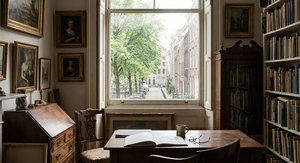
The Interior Gaze: Exploring Representations of Domestic Space in Art History
Explore the fascinating history of domestic interiors in art! From Dutch Masters to Impressionism, discover how artists captured home life & social meaning. Expert analysis and insights at TopImpressionists.

Walter Sickert: A Shadowy Realism & the Modern British Canvas
Explore the life & work of Walter Sickert, a pivotal British painter bridging Impressionism to Modernism. Discover his evocative scenes of London life, controversial legacy, and lasting influence on 20th-century art.

Robert Bevan: Pioneering British Post-Impressionism & the Camden Town Group's Intimate Vision
Explore the life & work of Robert Bevan, a pioneer of British Post-Impressionism and founding member of the Camden Town Group. Discover his vibrant landscapes and lasting impact on early 20th-century art.

Гармония контрастов: интеграция современного искусства в классические интерьеры для вневременной элегантности
Создайте гармоничный интерьер! Экспертные советы по интеграции современного искусства в классический стиль. Выбор картин, цветовые сочетания и секреты дизайна от профессионалов.