


 Примерить в интерьере
 Отправить
 Поделиться
 Подробнее
 Руководство

 Скачать
 Похожие объекты
 Рентгенография
 Слайд-шоу
 Статистика
Teika
 1899
1899 68.0 x 85.0 cm
 Развернуть текст
Янис Розентāлс (1866-1916) – выдающийся латышский художник, основоположник национального искусства! Его картины, портреты и пейзажи отражают красоту Латвии и вдохновлены модерном.
Масляная репродукция ручной работы
Картина маслом на холсте в выбранном вами размере и раме, написанная на заказ нашими художниками. ( Переключиться на печать Перейти к цифровым изображениям)




































Стандартный размер
индивидуальный заказ
CM
INCH
Выберите один из наших стандартных размеров, соответствующих оригинальным пропорциям произведения искусства.
Loading sizes...

ширина
высота
Введите необходимую ширину и высоту, чтобы репродукция подошла к вашей раме или стене. Поскольку работа выполняется вручную, при изменении пропорций художник может немного увеличить область вокруг картины или, наоборот, обрезать края — выбор за вами. Перед началом работы мы пришлем вам цифровой макет на утверждение. Изображение на этой странице не является точным результатом — увидеть реальный вид можно только на макете.
Примеры возможных изменений: замена лица на фото клиента; добавление домашнего животного (например, замена кошки на собаку); добавление скрытого послания на фоне; изменение пейзажа или элементов фона.
После оформления заказа команда TopImpressionists.com свяжется с клиентом по электронной почте для уточнения деталей и предоставит предварительный макет
После оформления заказа команда TopImpressionists.com свяжется с клиентом по электронной почте для уточнения деталей и предоставит предварительный макет
Доставка по всему миру () за 3–4 недели вместо стандартных 5 недель. (25 Октябрь). Без компромиссов в качестве.

Бесплатная экспресс-доставка по всему миру

Высококачественный льняной холст

Полное страхование при транспортировке

Гарантия возврата таможенных пошлин

Гарантия точного цветового соответствия

100-дневный период возврата (только при обнаружении дефектов)

Гарантия возврата 100% средств

Скидка при заказе нескольких работ
 Вариант со стеклом доступен только для размеров менее 110 см

Teika
Материал репродукции
Размер репродукции
-


Итоговая стоимость
$ 269
The painting Teika by Janis Rozentāls is a stunning example of Latvian art from the late 19th century. Created in 1899, this beautiful piece is a testament to the artist's skill and attention to detail. The painting features a woman playing a harp, surrounded by lush greenery and a serene atmosphere.
The Teika painting is a must-see for anyone interested in Latvian art and history. With its beautiful colors, delicate lines, and serene atmosphere, it is a true masterpiece that continues to captivate audiences to this day.
The Artist and His Work
Janis Rozentāls was a renowned Latvian painter, known for his impressive collection of artworks that can be found in the Latvian National Museum of Arts. His paintings often depicted scenes from everyday life, as well as mythological and symbolic themes. The Teika painting is a prime example of his ability to capture the essence of a moment in time. Key Features of the Painting The painting measures 68 x 85 cm and is created using pastel techniques. The soft colors and delicate lines used in the piece create a sense of intimacy and tranquility. The woman's focus on playing the harp is palpable, and the surrounding environment seems to be at peace.- The painting is a beautiful representation of Latvian art from the late 19th century
- The use of pastel techniques creates a soft and delicate atmosphere
- The woman's focus on playing the harp is a testament to the artist's attention to detail
The Teika painting is a must-see for anyone interested in Latvian art and history. With its beautiful colors, delicate lines, and serene atmosphere, it is a true masterpiece that continues to captivate audiences to this day.
Вопросы и ответы
Цвета в работе "Teika" кажутся насыщенными или приглушенными?
В работе «Teika», Янис Розентāлс представлена Monochromatic насыщенность цвета.
Насколько гармонично сочетаются цвета в работе "Teika"?
Цвета в работе «Teika», Янис Розентāлс демонстрируют Strong Color Unity гармонию. Гармония описывает взаимосвязь цветов между собой.
Под какими еще именами известен Янис Розентāлс?
Янис Розентāлс также известен под другими именами: Ян Розенталь.
Биография художника
A Pioneer of Latvian Painting: The Life and Art of Janis Rozentāls
Janis Rozentāls (1866-1916) stands as a towering figure in the history of Latvian art, an artist who not only captured the beauty of his homeland but also played a crucial role in shaping its artistic identity during a period of profound cultural and political transformation. Born on March 18, 1866, in the modest Bebri Farmstead near Saldus, in the Courland Governorate – then part of the Russian Empire – Rozentāls’s journey from a blacksmith’s son to a celebrated painter is a testament to his unwavering dedication and exceptional talent. His early life, steeped in the rhythms of rural Latvian existence, provided an enduring foundation for his artistic vision, imbuing his work with a deep connection to the land and its people. He received his initial education at H. Krause’s Elementary School in Saldus and later attended Kuldīga District School, but it was a fervent desire to express himself through art that ultimately led him to Riga at the age of fifteen – a pivotal moment marking the beginning of his formal artistic training.Blending Tradition and Modernity: Artistic Development and Style
Rozentāls’s artistic development is characterized by a remarkable ability to synthesize diverse influences, creating a style uniquely his own while simultaneously honoring Latvian traditions. He was not merely an imitator; rather, he skillfully integrated elements of Impressionism and Art Nouveau – movements prevalent across Europe at the time – into a distinctly Latvian aesthetic. His compositions often feature an intentional asymmetry, coupled with a flowing, wavelike rhythm— hallmarks of Art Nouveau—but tempered by a subtle understanding of tonal variations and color relationships. This careful balance prevented his work from becoming overly decorative or mannered, instead creating images that were both visually arresting and emotionally resonant. Rozentāls’s subject matter was remarkably varied: he produced evocative portraits capturing the inner lives of his subjects, breathtaking landscapes celebrating the beauty of Latvian nature – particularly vibrant spring scenes brimming with life—and symbolic works inspired by biblical narratives and mythological themes. A significant commission in 1910 to create decorative friezes for the Riga Latvian Society showcased his ability to execute monumental projects while maintaining artistic integrity and a deep respect for his subject matter. Beyond painting, Rozentāls was also a prolific graphic artist, designing book covers, magazine illustrations, posters, and drawings – demonstrating the breadth of his creative talent and his versatility as an artist.A Finnish Interlude: Marriage and Artistic Exchange
A defining chapter in Rozentāls’s life unfolded in 1902 with his marriage to Elli Forssell, a renowned Finnish singer, in Riga. This union proved to be more than just a personal connection; it served as a catalyst for artistic exchange and broadened his horizons considerably. The couple relocated to Helsinki in 1905, where they remained until 1916. During this period, Rozentāls developed a profound appreciation for the work of Finnish artists such as Gallen-Kallela, Järnefelt, Halonen, and Saarinen – recognizing in them a kindred spirit who shared his commitment to expressing national identity through innovative artistic forms. He meticulously studied their techniques and styles, incorporating elements into his own practice while retaining his distinctly Latvian perspective. The experience profoundly influenced his artistic sensibilities, enriching his palette and deepening his understanding of visual storytelling.Lasting Legacy: Major Works and Historical Significance
Janis Rozentāls’s legacy is firmly established through a substantial body of work that continues to inspire and captivate audiences today. His portraits – including those of A. Dombrovskis, Rūdolfs Blaumanis, and his beloved wife Elli Forssell – are not simply representations of likenesses; they offer profound insights into the character and inner lives of their subjects. Landscapes such as “From Church” (1894) and “Picnic” (1913) vividly capture the serene beauty of the Latvian countryside, imbued with a sense of nostalgia and reverence for nature’s bounty. His symbolic works – including "Temptation" and "Eve with the Apple" – explore universal themes of morality, desire, and spirituality through a masterful blend of realism and symbolism. Furthermore, he created altar pieces for numerous Latvian churches, adapting his style to suit the diverse needs of these sacred spaces while consistently maintaining artistic quality. Janis Rozentāls died on December 26, 1916, in Helsinki, Finland, but was later reburied in Forest Cemetery, Riga, in 1920. Today, his impact extends far beyond his paintings; the Janis Rozentāls Art High School in Riga stands as a lasting testament to his dedication to artistic education, and a memorial museum located within the building he designed in Saldus preserves his life and work for future generations. He remains an undeniably pivotal figure in Latvian art history – celebrated not only for his exceptional artistic achievements but also for his significant contribution to the development of a distinct national identity through his art. He was truly a pioneer.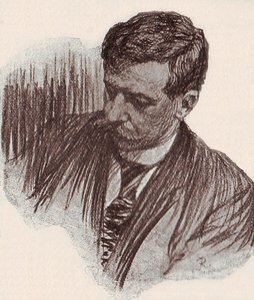
Янис Розентāлс
1866 - 1916 , Россия
Краткая справка
- Artistic Movement Or Style: Импрессионизм, модерн
- Artists Or Movements Influenced By This Artist: ['Латвийское искусство']
- Artists Who Influenced This Artist: ['Элли Форсселл']
- Date Of Birth: 18 марта 1866 г.
- Date Of Death: 26 декабря 1916 г.
- Full Name: Janis Rozentāls
- Nationality: Латвиец
- Notable Artworks:
- Из церкви
- Пикник
- Обет
- Ева и яблоко
- Place Of Birth: Салдус, Латвия