


 Примерить в интерьере
 Отправить
 Поделиться
 Подробнее
 Руководство

 Скачать
 Похожие объекты
 Рентгенография
 Слайд-шоу
 Статистика
Carnival in Arcueil


Lyonel Feininger's "Carnival in Arcueil" (1911) bursts with Expressionist energy! Witness vibrant colors, dynamic figures, and a captivating Parisian carnival scene – a masterpiece by a pioneering artist.
 Развернуть текст
Льонель Феингера – немецко-американский экспрессионист и мастер Баухауса. Известен уникальным стилем, сочетающим кубизм, эстетику витражей и архитектурные мотивы. Его работы – это яркие картины моря, городские пейзажи и новаторские графические эксперименты.
Жикле / Арт-принты
Печать (жикле) или холст музейного качества с быстрыми сроками изготовления и широким выбором вариантов отделки. ( Заказать репродукцию ручной работы Перейти к цифровым изображениям)




P118B $10

P118H $10

P118W $10

P438Z $10

P508JH $12

P508YH $12

P805H $10

P805Z $10

P919BZ $10

P919G $10

P919XJ $10

P959ZH $10

P968JZ $12

W106C $8

W218G $10

W218JH $8

W218Y $10

W307PJ $10

W316G $10

W316PJ $8

W316Y $10

W398PJ $8

W4111J $10

W500HY $15

W500JH $15

W692G $12

W849H $8

W940BG $15

W953PJ $8




Стандартный размер
индивидуальный заказ
CM
INCH
Выберите один из наших стандартных размеров, соответствующих оригинальным пропорциям произведения искусства.
Loading sizes...

ширина
высота
Введите необходимую ширину и высоту, чтобы репродукция подошла к вашей раме или стене. При печати изображение можно только уменьшить, но нельзя увеличить больше оригинала, поэтому при выборе другого формата часть изображения может быть обрезана. Перед печатью мы отправим вам цифровой макет на утверждение. Изображение на этой странице не отображает реальную обрезку — ее можно увидеть только на макете.
Доставка по всему миру () за 2 недели вместо стандартных 4–5 недель. (21 Октябрь)

Бесплатная экспресс-доставка по всему миру

Высококачественный льняной холст

Полное страхование при транспортировке

Гарантия возврата таможенных пошлин

Гарантия точного цветового соответствия

100-дневный период возврата (только при обнаружении дефектов)

Гарантия возврата 100% средств

Скидка при заказе нескольких работ
 Вариант со стеклом доступен только для размеров менее 110 см

Carnival in Arcueil
Жикле / Арт-принты
Размер репродукции
-


Итоговая стоимость
$ 69
A Burst of Joy: Lyonel Feininger’s “Carnival in Arcueil”
Lyonel Feininger's "Carnival in Arcueil," painted in 1911, isn’t merely a depiction of a festive street scene; it’s a vibrant distillation of Expressionist energy and a testament to the artist’s unique ability to imbue everyday life with an extraordinary sense of movement and emotion. Housed within the Art Institute of Chicago, this oil on canvas transports us to the heart of a Parisian carnival, capturing not just the visual spectacle but also the palpable excitement and slightly surreal atmosphere that defines the moment. Feininger, a German-American painter deeply rooted in both European artistic traditions and American popular culture, masterfully blends elements of Cubism with the passionate intensity of Expressionism, creating an image that is both familiar and strikingly original.
The painting immediately draws the eye to its central figure: a man in black, balancing precariously on one leg while juggling three balls. This dynamic pose isn’t simply illustrative; it embodies the spirit of the carnival itself – a celebration of skill, daring, and joyful abandon. Surrounding him is a throng of figures, rendered with a remarkable degree of detail despite the overall impression of movement. They are not portraits in the traditional sense, but rather archetypes of carnival revelers—a mix of faces, costumes, and gestures that collectively contribute to the painting’s lively energy. The artist's use of color is particularly noteworthy; bold yellows, reds, blues, and greens dominate the palette, creating a dazzling visual effect that mirrors the vibrancy of the event itself.
The Architectural Backdrop: Bridges and Parisian Identity
Beyond the figures, it’s crucial to consider the setting – two prominent bridges that frame the scene. These aren't merely architectural elements; they are integral to the painting’s narrative. Arcueil, a town just south of Paris, was a frequent subject for Feininger, and these bridges became recurring motifs in his work. They represent not only the physical connection between different parts of the city but also a sense of Parisian identity—a blend of urban dynamism and historical heritage. The bridges’ solid forms provide a grounding element to the swirling chaos of the carnival, anchoring the scene within a recognizable, yet subtly stylized, reality.
Feininger's fascination with architecture is evident throughout his oeuvre, reflecting a broader interest in geometric form and spatial relationships. He often depicted buildings not as static objects but as dynamic forces shaping the urban landscape. In “Carnival in Arcueil,” the bridges serve as both structural supports and visual anchors, guiding the viewer’s eye through the composition and contributing to the painting's overall sense of depth and movement.
Expressionist Techniques: Color, Form, and Emotion
The painting’s distinctive style is firmly rooted in Expressionism—a movement that sought to convey subjective emotions rather than objective reality. Feininger achieves this through a number of key techniques. His use of flattened perspective and fragmented forms creates a sense of disorientation and immediacy, as if the viewer is swept up in the carnival's frenetic energy. The colors are applied with thick impasto—a technique that adds texture and physicality to the surface of the canvas—further enhancing the painting’s emotional impact.
Furthermore, Feininger employs a masterful use of color theory. He utilizes contrasting hues to heighten visual interest and create a sense of dynamism. The vibrant yellows and reds of the carnival scene are juxtaposed with cooler blues and greens in the background, generating a powerful visual tension. This interplay of colors not only captures the sensory experience of the carnival but also reflects the artist’s own emotional response to it—a mixture of excitement, wonder, and perhaps even a touch of melancholy.
A Legacy of Modernity: Feininger's Place in Art History
“Carnival in Arcueil” stands as a pivotal work in Lyonel Feininger’s career and a significant example of early 20th-century art. His exploration of urban life, combined with his innovative use of color and form, foreshadowed many of the developments that would characterize modernism. The painting's influence can be seen in the works of later Expressionist artists such as Max Beckmann and Emil Nolde, while its stylistic elements also resonate with the Cubist explorations of Picasso and Braque.
Today, “Carnival in Arcueil” continues to captivate viewers with its vibrant energy and emotional depth. It’s a reminder of the power of art to capture not just what we see but also what we feel—a celebration of joy, movement, and the enduring spirit of human connection.
Вопросы и ответы
Какой размер «Carnival in Arcueil» рекомендуется для Living Room?
Для комнаты типа Living Room рекомендуемый размер печати работы «Carnival in Arcueil», Льонель Феингера составляет Medium.
Является ли «Carnival in Arcueil» типичным для того, что обычно создавал Льонель Феингера?
«Carnival in Arcueil» изображает carnival, arcueil, feininger, expressionism, bridge, figures, joy, celebration, в то время как зафиксированные темы Льонель Феингера включают german expressionism, vibrant colors, post-impressionist, architectural focus, urban life, festive scenes, feininger's exploration of joy, bridging art and caricature. Сравнение этих двух аспектов позволяет увидеть, как данная работа соотносится с привычными сюжетами художника.
Какие сюжет и атмосферу сочетает в себе «Carnival in Arcueil», Льонель Феингера?
На полотне «Carnival in Arcueil», Льонель Феингера запечатлены carnival, arcueil, feininger, expressionism, bridge, figures, joy, celebration, передающие Dramatic настроение. Сочетание сюжета и атмосферы полностью раскрывает суть произведения.
Биография художника
Ранние годы и становление: от карикатуриста до мастера высокого искусства
- Рождение и семья: Льонель Шарль Адриан Феингера родился 17 июля 1871 года в Нью-Йорке. Его отец, Карл Феингера, был немецко-американским скрипачом и композитором, а мать, Элизабет Феингера, — американской певицей. Эта глубокая художественная среда оказала неоценимое влияние на его раннее развитие.
- Первое образование и европейские путешествия: В 1887 году, в возрасте 16 лет, Феингера отправился в Европу для изучения музыки, но вскоре его призвание сместилось в сторону изобразительного искусства. Он посвятил себя изучению рисунка в Гамбурге и Берлине.
- Карьера в коммерческой графике: Начиная с 1894 года, Феингера построил успешную карьеру карикатуриста для различных немецких, французских и американских журналов. Его комиксы, такие как «The Kin-der-Kids» и «Wee Willie Winkie's World», завоевали огромную популярность и продемонстрировали его уникальный графический стиль.
- Переход к высокому искусству: После двадцатилетнего периода работы в коммерческой сфере, в возрасте 36 лет, Феингера совершил переход к чистому искусству. Это стало поворотным моментом в его творческом пути.
Экспрессионизм и влияние Баухауса
- Присоединение к экспрессионистским группам: Феингера стал одним из ведущих представителей экспрессионизма, вступив в такие влиятельные объединения, как «Die Brücke», «Novembergruppe» и «Gruppe 1919». Его работы этого периода отражали стремление движения к эмоциональной выразительности и субъективному восприятию мира.
- Первая персональная выставка: Его первая сольная выставка в галерее Sturm в Берлине (1917) стала ключевым событием, утвердившим его как значимую фигуру в мире искусства.
- Мастер Баухауса: В 1919 году Вальтер Гропиус назначил Феингера первым преподавателем Баухауса — новаторской школы искусства и дизайна. Он занимал пост мастера, ответственного за мастерскую печатной графики, оказав глубокое влияние на многочисленных учеников. le
- Художественный стиль: Его творчество характеризовалось призматически преломленными формами, полупрозрачными цветами и архитектурными мотивами, что сближало его с эстетикой классического модернизма.
Основные произведения и творческая эволюция
- Ранние морские пейзажи: Во время летних каникул на острове Узедом (1909–1918) Феингера создал множество морских полотен, изображающих Балтийское море, которые демонстрировали эволюцию его стиля.
- Знаковые работы: Среди его наиболее значимых произведений — «Вердер I» (акварель), «Габерндорф II» (бумага) и «Лодки» (кубизм, масло, холст). Эти работы служат идеальным примером его уникального сочетания экспрессионистских техник и архитектурных тем.
- Фотографическое наследие: В период с 1928 года до середины 1950-х годов Феингера создал обширный корпус фотографических работ, продемонстрировав свою невероятную многогранность как художника.
- Музыкальные композиции: Он также писал фортепианные пьесы и фуги для органа, открывая еще одну грань своего музыкального таланта.
Поздние годы и наследие
- Эмиграция в Соединенные Штаты: В связи с приходом нацистов к власти в 1933 году, Феингера вместе с женой был вынужден эмигрировать в США.
- Непрерывное творчество: Он продолжал писать картины и заниматься искусством на протяжении всей своей жизни, сохраняя свой самобытный почерк.
- Смерть и признание: Льонель Феингера скончался 13 января 1956 года. Его творчество оставило неизгладимый след в истории искусства, вдохновляя художников и ценителей своим неповторимым сплавом экспрессионизма, графического эксперимента и архитектурной глубины.
- Историческая значимость: Будучи ключевой фигурой как в экспрессионизме, так и в движении Баухаус, Феингера внес неоценимый вклад в формирование современного искусства. Его новаторское использование цвета, формы и перспективы продолжает находить отклик в сердцах зрителей по всему миру.

Льонель Феингера
1871 - 1956 , США
Краткая справка
- Artistic Movement Or Style: Экспрессионизм
- Artists Or Movements Influenced By This Artist: ['Баухаус']
- Artists Who Influenced This Artist:
- Ван Гог
- Клод Моне
- Date Of Birth: 1871-07-17
- Date Of Death: 1956
- Full Name: Lyonel Charles Adrian Feininger
- Nationality: Американский/Немецкий
- Notable Artworks:
- Вердер I
- Габерндорф II
- Лодки
- Place Of Birth: Нью Йорк, США
Похожие статьи
Beyond the Surface: Exploring the Emotional Depth of Cubist Expressionism
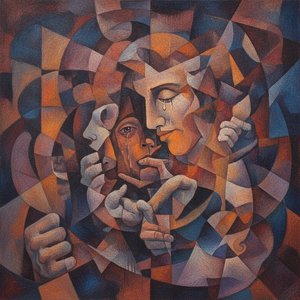
Discover the profound emotional resonance within Cubist Expressionism. Explore how fragmented forms and geometric abstraction convey deep human feeling through an expert art-historical lens for the discerning collector.