

 Предпросмотр
 Поделиться
 Поделиться
 Детали произведения
 Руководство

 Скачать
 Похожие предметы
 Рентгенография
 Слайд-шоу
 Вопросы и ответы
 Статистика просмотров
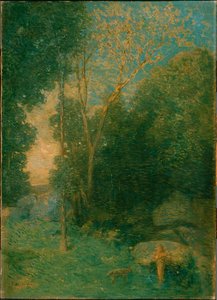
INTERIEUR DE FORET (COMPIEGNE)


Discover 'Interieur de Foret (Compiegne)' by Paul Huet – a captivating Romantic landscape painting. Explore its atmospheric brushstrokes, forest scene & human element. #art #landscapepainting #frenchart
 Читать далее
Поль Юэ (1803-1869) — французский пейзажист, мастер романтизма, повлиявший на школу Барбизон и импрессионистов. Откройте для себя его выразительные акварели и полотна маслом.
Жикле и арт-принты
Печать (жикле) или холст музейного качества с быстрыми сроками изготовления и широким выбором вариантов отделки. ( Купить картину ручной работы Перейти к цифровым изображениям)




P118B $10

P118H $10

P118W $10

P438Z $10

P508JH $12

P508YH $12

P805H $10

P805Z $10

P919BZ $10

P919G $10

P919XJ $10

P959ZH $10

P968JZ $12

W106C $8

W218G $10

W218JH $8

W218Y $10

W307PJ $10

W316G $10

W316PJ $8

W316Y $10

W398PJ $8

W4111J $10

W500HY $15

W500JH $15

W692G $12

W849H $8

W940BG $15

W953PJ $8




Стандартный размер
на заказ
CM
INCH
Выберите один из наших стандартных размеров, соответствующих оригинальным пропорциям произведения искусства.
Loading sizes...

ширина
высота
Введите необходимую ширину и высоту, чтобы репродукция подошла к вашей раме или стене. При печати изображение можно только уменьшить, но нельзя увеличить больше оригинала, поэтому при выборе другого формата часть изображения может быть обрезана. Перед печатью мы отправим вам цифровой макет на утверждение. Изображение на этой странице не отображает реальную обрезку — ее можно увидеть только на макете.
Доставка по всему миру () за 2 недели вместо стандартных 4–5 недель. (3 Ноябрь)

Бесплатная экспресс-доставка по всему миру

Высококачественный льняной холст

Полное страхование при доставке

Гарантия возмещения таможенных пошлин

Гарантия точного цветового соответствия

100-дневная гарантия возврата (только при обнаружении дефектов)

Гарантия возврата 100% средств

Скидка при оптовом заказе
 Вариант со стеклом доступен только для размеров менее 110 см

INTERIEUR DE FORET (COMPIEGNE)
Жикле и арт-принты
Размер репродукции
-


Итоговая стоимость
$ 70
The Enveloping Mystery of the Woodland
To stand before Paul Huet’s depiction of an interior forest—Intérieur de Forêt (Compiègne)—is not merely to observe a landscape; it is to step through a veil into a moment suspended between light and shadow. The painting immerses the viewer in the profound, almost palpable atmosphere of a dense woodland. Huet masterfully captures the overwhelming presence of nature, where the vertical thrust of countless tree trunks creates an architectural rhythm, guiding the eye deep into the cool embrace of the woods. This is a scene steeped in the Romantic sensibility, suggesting that the forest itself is a character, whispering secrets only to those who listen closely.
A Study in Light and Atmosphere
Technically, Huet’s handling of oil paint is breathtakingly evocative. One can almost feel the texture beneath the surface; the visible brushstrokes speak to an artist deeply engaged with his medium, prioritizing feeling over flawless polish. The light here is not direct but diffused—a celestial curtain filtering through a thick canopy overhead. This dappled illumination creates pockets of ethereal brightness on the forest floor and catches the edges of foliage, giving the scene a luminous quality despite its deep shadows. The palette relies heavily on earthy greens and rich browns, punctuated by those brilliant, almost accidental touches of yellow and white that suggest hope or revelation within the gloom.
Romantic Echoes and Human Presence
Historically, this work situates itself perfectly within the currents of 19th-century Romanticism. Huet, a pioneer whose vision bridged the gap between academic training and the burgeoning spirit of Impressionism, understood that nature was a mirror for the human soul. The inclusion of a small figure, subtly placed near the lower right corner, is crucial. This solitary presence acts as an anchor, providing scale and narrative focus against the immensity of the woods. It suggests contemplation—a moment where humanity pauses before the sublime power of the natural world, finding both solitude and companionship within its embrace.
Symbolism for the Modern Sanctuary
For the contemporary collector or designer, this piece transcends mere decoration; it functions as an emotional conduit. The forest setting symbolizes retreat, introspection, and the enduring connection to something wild and untamed. It speaks to a modern yearning for sanctuary—a place away from the clamor of urban life. Reproducing Intérieur de Forêt allows one to bring that sense of hushed tranquility into a formal interior space, transforming a room into a contemplative haven. The artwork doesn't shout its beauty; it whispers it, inviting quiet reflection upon its textured, deeply atmospheric surface.
Вопросы и ответы
В какой технике выполнено произведение «INTERIEUR DE FORET (COMPIEGNE)»?
«INTERIEUR DE FORET (COMPIEGNE)» выполнено в технике Oil On Canvas.
Где можно увидеть оригинал «INTERIEUR DE FORET (COMPIEGNE)», Поль Юэ?
Картина «INTERIEUR DE FORET (COMPIEGNE)», Поль Юэ представлена в коллекции Лувр, Paris, France. В описании музея речь идет об оригинальном произведении, а не о репродукциях.
Является ли «INTERIEUR DE FORET (COMPIEGNE)» типичным для того, что обычно создавал Поль Юэ?
«INTERIEUR DE FORET (COMPIEGNE)» изображает forest landscape, romantic art, natural scene, atmospheric view, tree silhouettes, human figure, tranquil nature, dark woods, в то время как характерные темы Поль Юэ включают key work in huet's career, demonstrates romantic vision, influential on impressionists, romantic landscape tradition, french barbizon school style, emphasis on atmospheric mood, connection to nature's power, solitude and reflection. Сравнение этих двух аспектов позволяет увидеть, как данная работа соотносится с привычными сюжетами художника.
Похожие произведения



Биография художника
Поль Юэ: Пионер романтического пейзажа
Поль Юэ (1803–1869) — ключевая, хотя зачастую и недооцененная фигура во французском искусстве XIX века. Этот мастер пейзажа оказал глубокое влияние как на Барбизонскую школу, так и на зарождающийся импрессионизм. Рожденный в Париже в эпоху бурного расцвета искусства, Юэ прошел путь неустанного наблюдения, глубокой связи с природой и сознательного отказа от господствовавших тогда неоклассических тенденций. Его полотна не были просто изображениями окрестностей; это была попытка уловить саму суть света, атмосферы и мимолетной красоты природного мира — стремление, которое закрепило за ним статус важнейшего новатора французской живописи.Ранние влияния и художественное становление
Творческий путь Юэ начался с освоения традиционных техник. Первые уроки он получил у Жана-Жюльена Делтиля, бывшего ученика Жака-Луи Давида, а затем продолжил обучение в Эколе де Бозар в мастерских Пьера Герена и Антуана-Жана Гро. Решающим моментом стало его знакомство с Ричардом Парксом Бонингом, сокурсником по студии Гро. Эта встреча стала преобразующей: подход Бонинга к живописи на пленэре — работе непосредственно на природе — покорил Юэ, заставив его оставить строгую формальность неоклассицизма ради более спонтанного и наблюдательного стиля. Британские пейзажи, представленные на Салоне 1824 года, стали для него откровением; способность Джона Констебла передавать свежесть и зеленую красоту без использования мрачных теней или искусственности глубоко отозвалась в душе художника, сформировав его собственную творческую философию. Он знаменито описал работы Констебла как «возможно, первое мгновение, когда человек почувствовал свежесть, увидел пышную, зеленую природу без черноты, грубости или маньеризма».Барбизонский стиль и голландские мастера
Стиль Юэ эволюционировал через удивительный синтез различных влияний. Поначаду он подражал акварельной технике Бонинга, но его художественное чутье вышло далеко за рамки простого подражания. Он черпал вдохновение в атмосферных пейзажах голландских мастеров, таких как Якоб ван Рёйсдал и Мейндерт Хоббома, особенно в их виртуозном использовании света и цвета для передачи настроения. Это восхищение старыми мастерами легло в основу его собственного метода, породив картины, обладающие тихим достоинством и поразительным чувством реализма — не фотографического, но глубоко прочувствованного. Его работы этого периода характеризовались намеренным отказом от академических канонов в пользу свободных мазков, ярких красок и акцента на фиксации непосредственного впечатления от природы.Признание на Салоне и политическая деятельность
Творческая карьера Юэ набрала обороты с его дебютом на Салоне в 1827 году, где одна из восьми представленных им работ была принята жюри. В течение 1830-х и 40-х годов он регулярно участвовал в выставках, неуклонно завоевывая репутацию среди критиков и коллекционеров. Эжен Делакруа, его коллега и близкий друг, выступал защитником творчества Юэ, признавая его уникальные качества. Впрочем, Этьен-Жан Делеклюз предлагал более критический взгляд, считая, что Юэ слишком предан Констеблу и Тёрнеру, порой пренебрегая фундаментальными принципами композиции. Помимо искусства, Юэ был активным участником Июльской революции 1830 года и впоследствии участвовал в республиканской политике, что отражало неспокойный социально-политический климат Франции того времени. Его приверженность идеалам была отмечена королем Луи-Филиппом, который в 1844 году наградил его парой фарфоровых ваз из Севра, а на Салоне 1848 года он получил золотую медаль.Наследие и художественная значимость
Влияние Поля Юэ на французский пейзаж неоспоримо. Его новаторское использование акварели — не просто как средства для эскизов, но как основного медиума для законченных произведений — продемонстрировало потенциал этого материала достигать невероятной глубины и насыщенности, часто напоминая масляную живопись. Он был одним из первых приверженцев пленэрной живописи, отдавая приоритет прямому наблюдению за природой перед работой в мастерской. Что еще более важно, акцент Юэ на передаче мимолетных эффектов света и атмосферы оказал глубокое воздействие на Барбизонскую школу и, позднее, на импрессионистов. Такие художники, как Теодор Руссо и Жан-Франсуа Милле, стремившиеся писать с натуры, фокусируясь на сельской жизни и ландшафтах, обязаны своим успехом новаторскому подходу Юэ. Его творчество остается свидетельством силы наблюдения, красоты простоты и непреходящего стремления человека запечатлеть саму суть природного мира. Он скончался в Париже в 1869 году, оставив после себя огромное наследие, которое продолжает завораживать зрителей своей выразительной атмосферой и глубокой связью с природой.
Поль Юэ
1803 - 1869 , Франция
Об авторе
- Artistic Movement Or Style: Романтический пейзаж
- Artists Or Movements Influenced By This Artist:
- Барбизонская школа
- Импрессионисты
- Artists Who Influenced This Artist:
- Рембрандт
- Джон Констебл
- Эжен Делакруа
- Date Of Birth: 1803-10-03
- Date Of Death: 1869-01-08
- Full Name: Поль Юэ
- Nationality: Француз
- Notable Artworks:
- Вилла под Римом
- Вечерний эффект
- Лесная чаща с прудом
- Place Of Birth: Париж, Франция
Похожие статьи

Capturing the Soul: The Emotional Magic and Sublime Grandeur of Romantic Landscape Painting
Explore the profound emotional depth of Romantic landscape painting. Discover how masters like Friedrich and Turner captured the sublime through light, shadow, and nature's power in this expert art history retrospective for discerning collectors.
Capturing the Soul: The Emotional Majesty and Sublime Power of Romantic Landscape Painting
Explore the profound emotional depth of Romantic landscape painting. Discover how masters like Turner and Friedrich captured the sublime power of nature through intuition and imagination in this expert art history retrospective.