


 Предпросмотр
 Поделиться
 Поделиться
 Детали произведения
 Руководство

 Скачать
 Похожие работы
 Рентгенография
 Слайд-шоу
 Статистика
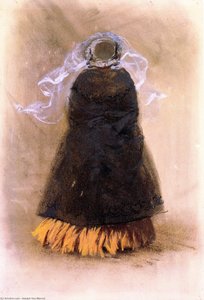
Lady in a Veil


Captivating portrait by Theo van Rysselberghe (1886). 'Lady in a Veil' showcases Post-Impressionism with mystery, elegance & rich textures at Kunsthalle Bremen.
 Читать далее
Тео ван Рисслебергх – выдающийся бельгийский художник-неоимпрессионист, известный своими яркими пейзажами и портретами, а также активным участием в творческих группах.
Масляная репродукция ручной работы
Картина маслом на холсте в выбранном вами размере и раме, написанная на заказ нашими художниками. ( Перейти к печати Перейти к цифровым изображениям)




P118B $10

P118H $10

P118W $10

P438Z $10

P508JH $12

P508YH $12

P805H $10

P805Z $10

P919BZ $10

P919G $10

P919XJ $10

P959ZH $10

P968JZ $12

W106C $8

W218G $10

W218JH $8

W218Y $10

W307PJ $10

W316G $10

W316PJ $8

W316Y $10

W398PJ $8

W4111J $10

W500HY $15

W500JH $15

W692G $12

W849H $8

W940BG $15

W953PJ $8




Стандартный размер
на заказ
CM
INCH
Выберите один из наших стандартных размеров, соответствующих оригинальным пропорциям произведения искусства.
Loading sizes...

ширина
высота
Вы можете указать собственные размеры, чтобы картина идеально вписалась в выбранную раму или пространство. Если выбранный вами размер не соответствует пропорциям оригинала, мы либо обрежем полотно, либо расширим его за счет дополнительных элементов, написанных вручную. Цифровой макет будет отправлен вам на утверждение перед началом производства.
Обратите внимание, что предварительный просмотр на экране не отражает фактическую обрезку или расширение. Только макет точно покажет окончательную композицию.
Хотя доступны индивидуальные размеры, мы рекомендуем выбирать вариант из предопределенного списка, чтобы сохранить исходные пропорции.
Примеры того, что можно изменить: заменить лицо на фото клиента; добавить домашнее животное (например, заменить кошку на собаку); добавить скрытое послание на фон; изменить пейзаж или детали фона.
После оформления заказа команда TopImpressionists.com свяжется с клиентом по электронной почте для уточнения деталей и предоставит предварительный макет
После оформления заказа команда TopImpressionists.com свяжется с клиентом по электронной почте для уточнения деталей и предоставит предварительный макет
Доставка по всему миру () за 3–4 недели вместо стандартных 5 недель. (23 Сентябрь). Без компромиссов в качестве.

Бесплатная экспресс-доставка по всему миру

Высококачественный льняной холст

Полное страхование доставки

Гарантия возмещения таможенных пошлин

Гарантия точного соответствия цветов

100-дневная политика возврата (только при обнаружении дефектов)

Гарантия возврата 100% средств

Предложение оптовых скидок
 Вариант со стеклом доступен только для размеров менее 110 см

Lady in a Veil
Техника репродукции
Размер репродукции
-


Итоговая стоимость
$ 294
Lady in a Veil: A Glimpse of Post-Impressionist Elegance
The Lady in a Veil is a captivating portrait painted by Theo Van Rysselberghe in 1886. This oil on canvas masterpiece currently resides at the Kunsthalle Bremen in Germany. The painting showcases a woman wearing a hat with a veil over her face, exuding an air of mystery and elegance. It's more than just a likeness; it’s a study in light, color, and subtle emotion characteristic of the Post-Impressionist movement.
Post-Impressionist Style and Technique
The Lady in a Veil exemplifies Post-Impressionism, an art movement that emerged as a reaction against the naturalistic depiction of light and color. This style, roughly between 1886 and 1905, emphasizes distortion, exaggeration, and primitivism. Van Rysselberghe’s approach moves beyond simply capturing what he saw; he uses color and brushwork to convey mood and atmosphere. Notice the loose, visible brushstrokes that create a sense of movement and vibrancy. The layering of colors—warm browns, ochres, and reds—contributes to an intimate yet somewhat melancholic feeling. The technique isn't about precise detail but rather about capturing a fleeting impression.
A World Within the Frame: Objects and Symbolism
Beyond the central figure, the painting incorporates several objects that enrich its narrative depth. A clock on the wall above the woman’s head suggests the passage of time and perhaps a sense of reflection. Two bowls nearby add to the domestic setting, hinting at everyday life. The book positioned towards the right implies intellectual pursuits or quiet contemplation. The veil itself is symbolic—it obscures part of her face, creating an aura of mystery and suggesting hidden depths. It could represent modesty, privacy, or even a sense of detachment from the world.
Comparison with Contemporaries
Van Rysselberghe’s work shares affinities with other prominent Post-Impressionist artists. Consider Vincent Van Gogh's L'Arlesienne, Madame Joseph-Michel Ginoux and Paul Gauguin's The Meal (The Bananas). While each artist developed a unique style, they all explored similar themes of emotion, subjectivity, and the expressive potential of color. Van Rysselberghe’s approach is perhaps more restrained than Van Gogh’s or Gauguin’s, but his mastery of light and subtle detail creates an equally compelling visual experience.
Emotional Impact and Lasting Appeal
The Lady in a Veil evokes a sense of quiet introspection. The woman's gaze is averted, inviting the viewer to project their own interpretations onto her expression. The painting’s enduring appeal lies in its ability to capture a moment of stillness and contemplation, offering a glimpse into the inner world of its subject. It serves as a testament to Van Rysselberghe’s skill as a portraitist and his contribution to the Post-Impressionist movement.
Похожие произведения




Биография художника
Тео ван Риссельберг: Пионер Света и Цвета
Тео ван Риссельберг, родившийся в Генте, Бельгия, в 1862 году, стал ключевой фигурой, соединившей импрессионизм и неоимпрессионизм. Его путь был не линейным, а скорее эволюционным исследованием, вдохновленным путешествиями, интеллектуальным обменом и неустанным стремлением запечатлеть сущность света. Принадлежащий буржуазной французской семье, ван Риссельберг начал свое художественное образование в Генте под руководством Теодора Канеля, а затем продолжил обучение в Королевской академии изящных искусств в Брюсселе. Эти ранние годы заложили ему фундамент в традиционном реализме, что отразилось в его ранних работах, таких как *Автопортрет с трубкой* (1880), характеризующихся мрачными тонами и тщательной детализацией – отражением преобладающего художественного климата Бельгии. Однако даже в этих ранних произведениях проявились первые намеки на развивающуюся чувствительность к свету и цвету, предвещая его будущий стиль. Ключевым моментом стал *Портрет ребенка в пятне леса* (1880), который сигнализировал о более яркой палитре и свободным мазком кисти – характеристике, которая определит его дальнейшее творчество.Влияние Марокко: Рождение Нового Взгляда
Переломной момент в жизни и творчестве ван Риссельбергхе наступил во время его путешествий по Марокко с 1882 по 1888 год. Эти продолжительные поездки погрузили его в мир ярких цветов, интенсивного солнечного света и экзотических пейзажей – радикально контрастирующих с приглушенными тонами его ранних работ. Картины *Марокканский сапожник* (1882), *Марокканский мальчик* (1882) и *Сторожевой в покое* (1883) демонстрируют растущий интерес к запечатлению эффектов света на форме, отходя от строгой реалистичности в сторону импрессионистской чувствительности. Марокканский опыт был не только визуальным наблюдением; это было погружение в другую культуру, расширившее его художественные горизонты и навсегда закрепившее любовь к путешествиям. Вернувшись в Брюссель, ван Риссельберг стал движущей силой в бельгийском художественном мире, основав влиятельную группу *Les XX* (Двадцать) в 1883 году вместе с Октавом Маусом и Эмилем Вераэном. Эта группа стала платформой для демонстрации авангардного искусства, представляя новые движения, такие как импрессионизм и символизм, бельгийской публике, которая была незнакома с этими новинками. *Марокканская фантазия* (1884) стала его самым известным произведением того периода, демонстрирующим его мастерство в передаче света и композиции.Неоимпрессионизм: Научный Подход к Цветам
Настоящая перемена в художественном взгляде ван Риссельбергхе произошла во время встречи с творчеством Жоржа Серата *A Sunday on La Grande Jatte* (1884–86) на восьмом импрессионистском выставке в Париже в 1886 году. Изначально скептически относясь к методичному "точечному" технике Серата – систематическому нанесению крошечных точек чистого цвета – ван Риссельбергхе постепенно оценил ее научную основу и потенциал для достижения светоносных эффектов. Он начал экспериментировать с дивизионизмом, неоимпрессионистской методикой разделения цветов на их составляющие части и позволяя зрителю оптически смешивать их. Это было не просто техническое изменение; это представляло собой фундаментальный сдвиг в его подходе к живописи – переход к более аналитичному и объективному представлению света и цвета. Он установил тесные дружеские отношения с другими неоимпрессионистами, такими как Поль Синар, путешествуя вместе с ним по Лазурному берегу, обмениваясь идеями о технике и теории. Ван Риссельбергхе отличился в движении тем, что применял дивизионизм не только к пейзажам, но и к портретам, создавая поразительно яркие и психологически проницательные изображения своей семьи и друзей – работы, такие как *Портрет мадам Шарль Маус* (1890), являются отличными примерами.За пределами Точечного Рисунка: Наследие
Несмотря на глубокую приверженность неоимпрессионизму на протяжении значительной части своей жизни, ван Риссельбергхе в конце 1890-х годов отошел от его строгих принципов. Он стремился к большей свободе в своих мазках и композициях, находя новые способы выражения эмоций и атмосферы. Он продолжал быть плодовитым художником, работая в различных медиа, включая дизайн мебели, иллюстрацию книг и декоративное искусство. Его влияние распространилось далеко за пределы Бельгии, повлияв на таких художников, как Пит Мондриан и Ян Тоороп, которые черпали вдохновение в его новаторском использовании цвета и света. Ван Риссельбергхе оставил после себя не только прекрасные картины, но и роль катализатора художественных изменений – поборника модернизма, который представил новые идеи и техники бельгийскому художественному миру. Его работы до сих пор хранятся в ведущих музейных коллекциях во всем мире, включая Музей Луксембург в Париже и Музей прекрасного искусства в Генте, гарантируя, что его вклад в историю искусства продолжает восхищать и цениться поколениями. *Его преданность исследованию взаимодействия света, цвета и формы укрепила его место как настоящего пионера современной живописи.*
Тео ван Рисслельбергх
1862 - 1926 , Бельгия
Основные сведения
- Artistic Movement Or Style: Неоимпрессионизм
- Artists Or Movements Influenced By This Artist:
- Пост-импрессионизм
- Пьер-Огюст Ренуар
- Artists Who Influenced This Artist:
- Жан-Франсуа Портаэль
- Гюго Сезан
- Поль Синак
- Date Of Birth: 23 нояб 1862
- Date Of Death: 13 дек 1926
- Full Name: Théophile van Rysselberghe
- Nationality: Бельгиец
- Notable Artworks:
- Арабская фантазия
- Испанка
- Севилья
- Place Of Birth: Гент, Бельгия
Похожие статьи

Рембрандт ван Рейн: Топ-25 шедевров великого голландского мастера | TopImpressionists
Погрузитесь в мир великого Рембрандта! 25 шедевров голландского барокко, истории создания картин и уникальные техники художника. Купите репродукции картин Рембрандта высочайшего качества для вашего интерьера на TopImpressionists.com

За пределами света и цвета: Импрессионизм против постимпрессионизма для взыскательного коллекционера
Углубленное исследование импрессионизма и постимпрессионизма для ценителей искусства. Анализ ключевых художников, инвестиционный потенциал и коллекционная ценность шедевров.

10 Шедевров Постимпрессионизма, Определивших Эпоху | TopImpressionists.com
Погрузитесь в мир постимпрессионизма! Откройте 10 шедевров Ван Гога, Моне, Сезанна и других великих художников. История искусства, техники живописи и вдохновение для вашего интерьера на TopImpressionists.com. Изысканные репродукции картин ждут вас!

Beyond Impressionism: Exploring the Emotional Depth of Post-Impressionist Painting
Explore the profound emotional depth & innovative techniques of Post-Impressionism with TopImpressionists. Discover Cézanne, Van Gogh, Gauguin & more – and their lasting impact on modern art.

Théo van Rysselberghe: Pioneering Belgian Pointillism & the Pursuit of Luminosity
Explore the captivating world of Théo van Rysselberghe, a pioneer of Belgian Neo-Impressionism. Discover his masterpieces, artistic journey, and lasting impact on modern art. Learn more at TopImpressionists.
Откройте для себя произведения искусства, подобранные по темам, стилям и характеристикам.

