

 Предпросмотр
 Поделиться
 Поделиться
 Детали произведения
 Руководство

 Скачать
 Похожие предметы
 Рентгенография
 Слайд-шоу
 Вопросы и ответы
 Статистика просмотров
School Boy

- 56.0 x 48.0 cm


A tranquil portrait of a young boy in contemplative repose by Harlem Renaissance master William H. Johnson captures a soulful moment of stillness that invites you to bring this piece of American history into your home.
 Читать далее
Уильям Г. Джонсон (1901-1970) – выдающийся американский художник эпохи Гарлемского ренессанса, известный своими выразительными портретами и картинами в стиле народной живописи, отражающими жизнь и опыт афроамериканцев. Откройте для себя его мощные модернистские работы!
Произведение искусства, представленное на этой странице, защищено законом об авторском праве, что исключает возможность законного создания или продажи его точной репродукции. Данная защита обеспечивается международными соглашениями, такими как Бернская конвенция и национальным законодательством, включая положения, изложенные в Закон США об авторском праве — Раздел 17.
Этот метод полностью соответствует нормам авторского права, так как он не предполагает копирования или дублирования защищенного произведения. Напротив, это творческая реинтерпретация — создание новой картины, которая вдохновлена оригиналом, но не является его точной копией.
Жикле и арт-принты
Печать (жикле) или холст музейного качества с быстрыми сроками изготовления и широким выбором вариантов отделки. ( Купить картину ручной работы Перейти к цифровым изображениям)




P118B $10

P118H $10

P118W $10

P438Z $10

P508JH $12

P508YH $12

P805H $10

P805Z $10

P919BZ $10

P919G $10

P919XJ $10

P959ZH $10

P968JZ $12

W106C $8

W218G $10

W218JH $8

W218Y $10

W307PJ $10

W316G $10

W316PJ $8

W316Y $10

W398PJ $8

W4111J $10

W500HY $15

W500JH $15

W692G $12

W849H $8

W940BG $15

W953PJ $8




Стандартный размер
на заказ
CM
INCH
Выберите один из наших стандартных размеров, соответствующих оригинальным пропорциям произведения искусства.
Loading sizes...

ширина
высота
Введите необходимую ширину и высоту, чтобы репродукция подошла к вашей раме или стене. При печати изображение можно только уменьшить, но нельзя увеличить больше оригинала, поэтому при выборе другого формата часть изображения может быть обрезана. Перед печатью мы отправим вам цифровой макет на утверждение. Изображение на этой странице не отображает реальную обрезку — ее можно увидеть только на макете.
Доставка по всему миру () за 2 недели вместо стандартных 4–5 недель. (6 Ноябрь)

Бесплатная экспресс-доставка по всему миру

Высококачественный льняной холст

Полное страхование при доставке

Гарантия возмещения таможенных пошлин

Гарантия точного цветового соответствия

100-дневная гарантия возврата (только при обнаружении дефектов)

Гарантия возврата 100% средств

Скидка при оптовом заказе
 Вариант со стеклом доступен только для размеров менее 110 см

School Boy
Жикле и арт-принты
Размер репродукции
-


Итоговая стоимость
$ 70
A Moment of Quietude: The Soulful Presence of School Boy
In the quiet corners of mid-century American portraiture, few works capture the tender vulnerability of childhood as poignantly as William H. Johnson’s School Boy. Painted in 1945, this intimate masterpiece invites the viewer into a private sanctuary of rest and reflection. The subject, a young boy seated with a composed yet contemplative posture, rests upon a chair characterized by its striking red frame and vibrant yellow cushion. This deliberate use of color does more than merely decorate the scene; it provides a rhythmic pulse to the composition, contrasting the warmth of the furniture against the soft, perhaps even weary, presence of the child. Clad in what appears to as pajamas, the boy exists in that liminal space between the structured demands of the school day and the restorative embrace of home, offering a glimpse into a moment of profound stillness.
Johnson’s technique in this piece serves as a bridge between the raw honesty of folk art and the sophisticated structural elements of modernism. The artist employs a meticulous attention to detail that breathes life into the boy's facial expression and body language. His hands, placed firmly and symmetrically in his lap, anchor the composition, suggesting a sense of groundedness and internal calm. Through deliberate brushwork, Johnson captures the texture of fabric and the weight of the child's limbs, creating a tactile reality that pulls the observer into the room. The painting does not merely depict a person; it captures an atmosphere—a heavy, beautiful tranquility that resonates with anyone who has ever sought solace in the quietude of a long afternoon.
The Legacy of a Visionary: Context and Emotional Resonance
To understand the depth of School Boy, one must look toward the profound cultural landscape from which William H. Johnson emerged. As a pivotal figure of the Harlem Renaissance, Johnson’s work was deeply informed by his roots in South Carolina and his connection to the spiritual and oral traditions of African American life. While this specific painting leans into a more intimate, portrait-driven style, it carries the unmistakable DNA of his larger mission: to find the extraordinary within the ordinary. The painting serves as a testament to the resilience and dignity of the human spirit, finding monumental importance in the simple act of a child sitting in repose.
For the discerning collector or interior designer, this reproduction offers more than just a visual centerpiece; it provides an emotional anchor for a room. The piece possesses a unique ability to harmonize with diverse decor styles, from contemporary minimalist settings to classic, traditional interiors, due to its balanced palette and emotive power. It acts as a window into a period of American history marked by both struggle and profound artistic rebirth. Bringing School Boy into a living space invites a sense of introspection and peace, making it an ideal selection for those looking to curate an environment that celebrates heritage, quiet strength, and the timeless beauty of the human narrative.
Вопросы и ответы
Насколько гармонично сочетаются цвета в работе "School Boy"?
Цвета в работе «School Boy», Уильям Генри Джонсон демонстрируют Unified Palette гармонию. Гармония описывает взаимосвязь цветов между собой.
Какое эмоциональное настроение передает стиль Harlem Renaissance в произведении «School Boy»?
Reflective эмоциональность произведения «School Boy» дополняет его стиль Harlem Renaissance.
Какой размер печати рекомендуется для работы "School Boy"?
Рекомендуемый размер печати для «School Boy», Уильям Генри Джонсон — Small.


Биография художника
Вильям Генри Джонсон: Голос Стойкости и Видения
Вильям Генри Джонсон (1901–1970) занимает центральное место в истории американского искусства, особенно в ярком гобелене Гарлемского Ренессанса. Родился он во Флоренции, Южная Каролина, и его художественное путешествие началось среди сложностей Америки времен законов Джима Кроу, что сформировало его мировоззрение и глубоко повлияло на его своеобразный визуальный язык – смесь модернистской абстракции и глубоко укоренившихся народных традиций, которая продолжает находить отклик и сегодня. Ранние годы Джонсона заложили прочную связь с афроамериканской культурой и духовностью. Он впитывал влияние госпел-музыки, традиции повествования, передаваемые из поколения в поколение, и иконографию религии йоруба – элементы, которые стали неотъемлемой частью его художественного процесса. Эта основа в устной традиции воплотилась в полотнах, наполненных символическими образами – духами, животными и геометрическими узорами, передающими повествования о борьбе, стойкости и духовном преображении. Художественное развитие Джонсона происходило на разных континентах, от Европы до Мексики, где он совершенствовал свои навыки, экспериментируя с различными техниками, включая масляную живопись, акварель и коллаж. Он использовал такие приемы, как импасто – нанесение толстых слоев пигмента – чтобы наполнить свои картины осязаемой текстурой и эмоциональной интенсивностью. Этот подход отражал выразительный пыл, характерный для экспрессионизма, но Джонсон сохранил уникальную эстетику, укорененную в его личном наследии. Творчество Джонсона отличается удивительным разнообразием тем – портреты, запечатлевшие достоинство и стойкость афроамериканцев, пейзажи, изображающие красоту сельской Южной Каролины, и фантастические видения, исследующие темы мифологии и духовности. Среди выдающихся работ можно выделить “Черный Христос” (1938) – монументальное полотно, пронизанное символизмом йоруба, которое мощно передает веру и сострадание; "Великий Дух" (1964), воплощающий исследование Джонсоном шаманских образов и духовных поисков; и “Черный мальчик” (1937) – трогательное изображение юной невинности, сталкивающейся с невзгодами.Влияния и Формирование Стиля
На раннем этапе своей карьеры Джонсон находился под влиянием различных художественных течений, включая экспрессионизм и примитивизм. Однако его стиль постепенно приобретал уникальный характер благодаря глубокому погружению в афроамериканскую культуру и духовность. Он изучал народное искусство, госпел-музыку и религиозные традиции йоруба, которые стали источником вдохновения для его символических образов и ярких цветов. Влияние Джона Уолластона, известного своими портретами американской буржуазии, также прослеживается в ранних работах Джонсона. Однако он быстро отошел от реалистического стиля Уолластона, чтобы создать более выразительный и символический язык живописи.Путешествия и Художественные Эксперименты
В 1920-е годы Джонсон отправился в Европу, где изучал искусство в различных академиях и галереях. Он экспериментировал с различными техниками, включая масляную живопись, акварель и коллаж. В Париже он познакомился с работами европейских модернистов, таких как Пабло Пикассо и Анри Матисс, которые оказали влияние на его стиль. В 1930-е годы Джонсон переехал в Мексику, где изучал мексиканское народное искусство и мурализм. Он был вдохновлен работами Диего Риверы и Хосе Клементе Ороско, которые использовали искусство для выражения социальных и политических идей.Основные Темы и Символика
В своих работах Джонсон исследовал широкий спектр тем, включая расу, идентичность, духовность и социальную справедливость. Он часто изображал афроамериканцев в портретах, пейзажах и жанровых сценах, подчеркивая их достоинство и стойкость. Символика играет важную роль в творчестве Джонсона. Он использовал различные символы, такие как животные, растения и геометрические узоры, чтобы передать сложные идеи и эмоции. Например, он часто изображал животных как символы духовных сил или предков. Геометрические узоры могли представлять космологические концепции или религиозные верования.Наследие и Историческое Значение
Вильям Генсон оставил неизгладимый след в истории американского искусства. Его работы, сочетающие модернистскую абстракцию с народными традициями, стали важным выражением афроамериканской культуры и духовности. Он был одним из первых художников, которые использовали искусство для борьбы за социальную справедливость и равенство. Сегодня картины Джонсона хранятся в престижных музеях по всему миру, включая Художественный музей Смитсоновского института и Музей университета Ховард. Его влияние можно увидеть в творчестве последующих поколений афроамериканских художников, которые стремились выразить свой опыт и культурное наследие через инновационные визуальные языки. Он остается символом Гарлемского Ренессанса и приверженности изображению жизни чернокожих с честностью и достоинством. Его работы продолжают вдохновлять и вызывать дискуссии о расе, идентичности и духовности.
Уильям Генри Джонсон
1901 - 1970 , Соединенные Штаты Америки
Об авторе
- Влияние Художников: ['Джон Вулластон']
- Дата Рождения: 1901
- Дата Смерти: 1970
- Известные Работы:
- Чёрный Христос
- Великий дух
- Место Рождения: Флоренция, США
- Национальность: Американец
- Оказал Влияние На: ['Экспрессионизм']
- Полное Имя: Уильям Генри Джонсон
- Художественное Направление: Возрождение Гарлема; Экспрессионизм
Похожие статьи

Марк Ротко: 25 шедевров абстрактного экспрессионизма для вашего интерьера | TopImpressionists
Погрузитесь в мир Марка Ротко! 25 шедевров абстрактного экспрессионизма, полных эмоций и цвета. Узнайте историю создания культовых картин и найдите идеальную репродукцию для вашего интерьера на TopImpressionists.com.
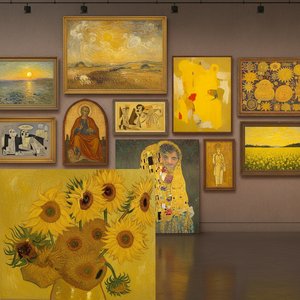
Топ-10 шедевров живописи в доминирующих оттенках хромового жёлтого | TopImpressionists
Погрузитесь в мир хромового жёлтого! 10 знаменитых картин Ван Гога, Моне и других мастеров. История искусства, техника живописи и вдохновение для декора интерьера. Репродукции музейного качества на TopImpressionists.com

Crimson Threads of Narrative: Exploring Symbolism & Representation in Artworks Featuring the Red Dress
Explore the rich symbolism of the red dress in art history! From ancient power displays to iconic portraits like Cézanne’s 'Madame Cezanne', discover the cultural and artistic significance behind this captivating color. Expert analysis & insights.

The Golden Hue: Exploring Symbolism & Emotion in Yellow Art
Explore the rich symbolism & emotional power of yellow in art history! From Van Gogh to Kandinsky, discover how artists used this vibrant hue. Expert analysis & high-quality reproductions at TopImpressionists.
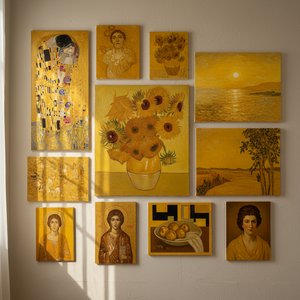
Топ-10 знаменитых картин в охристых тонах: искусство и декор от TopImpressionists
Погрузитесь в мир искусства с 10 знаменитыми картинами, где доминирует охристый цвет! Узнайте истории Ван Гога, Моне и других мастеров. Репродукции высокого качества для вашего интерьера от TopImpressionists.com. Откройте всю коллекцию онлайн!