


 Zobraziť v interiéri
 Odoslať
 Zdieľať
 Podrobnosti
 Príručka

 Stiahnuť
 Podobné položky
 RTG skúška
 Prehliadanie diapo\]
 Štatistiky
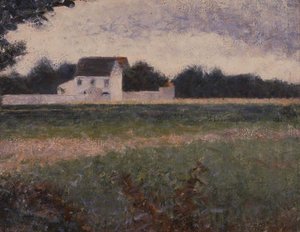
Cornfield, Brittany
 Impressionism
 59.0 x 89.0 cm
Discover 'Cornfield, Brittany' by Alexander Goudie – an evocative impressionist oil painting of rural tranquility. Explore its textured impasto & serene beauty. Perfect for art lovers!
Explore the dramatic landscapes & figures of Alexander Goudie’s evocative paintings – capturing history, myth, and raw emotion with masterful detail.
 Prečítať si viac
Umelecké dielo zobrazené na tejto stránke je chránené autorským zákonom, čo znamená, že nemôžeme legálne vytvárať ani predávať jeho identickú reprodukciu. Táto ochrana je vymáhaná na základe medzinárodných dohôd, ako napríklad Bernská konvencia a národnými zákonmi, vrátane tých, ktoré sú stanovené v Autorské právo USA – Title 17. Všetky práva vyhradené.
Táto metóda plne dodržiava autorské práva, pretože nezahŕňa kopírovanie ani duplikovanie chráneného diela. Ide skôr o kreatívnu reinterpretáciu – nový obraz, ktorý je ovplybnený originálom, no nie je s ním identický.
Giclée / Umenotlač
Giclée tlač alebo plátno múzeálnej kvality s rýchlou výrobou a rôznymi možnosťami povrchovej úpravy. ( Objednať ručne maľovanú reprodukciu Prepnúť na digitálnu verziu obrazu)




































Štandardné rozmery
na mieru
CM
INCH
Vyberte si z našich preddefinovaných rozmerov, ktoré zodpovedajú pôvodným pomeroḿ diela.
Loading sizes...

šírka
výška
Zadajte šírku a výšku, ktoré potrebujete, aby sa reprodukcia hodila k vášmu rámu alebo stene. Print možno len orezávať, nikdy však nemennú veľkosť zvětšiť oproti pôvodnému obrázku, preto pri inom formáte stráca časť obrazu. Pred samotným vytlačiacím procesom vám pošleme digitálny náhľad na schválenie. Obrázok zobrazený na tejto stránke nezobrazuje reálny rez — len digitálny náhľad ukazuje presný výsledok.
Celosvetová doprava () do 2 týždňov namiesto štandardných 4 až 5 týždňov. (24 október)

Bezplatná expresná doprava po celom svete

Vysokokvalitné lnianske plátno

Úplné poistenie prepravy

Záruka vrátenia colného poplatku

Záruka presného farebného zhodnutia

100-dená politika vrátenia tovaru (iba pri vadách)

100% záruka vrátenia peňazí

Ponuka množstevnej zľavy
 Možnosť skla je dostupná len pri rozmeroch pod 110 cm

Cornfield, Brittany
Giclée / Umenotlač
Veľkosť reprodukcie
-


Celková cena
€ 61
Súvisiace diela




Biografia umelca
The Soul of the Canvas: The Life and Legacy of Alexander Goudie
To encounter the work of Alexander Goudie is to step into a world where the boundaries between reality, myth, and memory dissolve. A master of Scottish figurative painting, Goudly possessed a rare ability to breathe life into his subjects, imbuing them with a sense of narrative depth that transcends the mere application of pigment. Born in 1933 in the Renfrewshire town of Paisley, his artistic journey was rooted in the rich traditions of Scottish art, yet it always reached toward something more universal and evocative. His training at the Glasgow School of Art under esteemed masters such as William Armour, David Donaldson, and Benno Schotz provided him with a formidable technical foundation, earning him the prestigious Somerville Shanks Prize for Composition. This early academic rigor, however, never stifled his innate desire to explore the more expressive, emotive possibilities of the human form and the natural world.
Goudie’s artistry was characterized by a profound engagement with figurative realism, a style that allowed him to act as both a chronicler of contemporary life and a weaver of timeless legends. His canvases often feel like windows into a dreamscape, where historical echoes meet modern sensibilities. Whether he was capturing the quiet dignity of a portrait or the dramatic tension of a mythological scene, his brushwork remained confident and textured, capable of conveying everything from the softest atmospheric light to the rugged grit of a landscape. This versatility allowed him to move seamlessly between genres, making him a singular voice in late 20th-century British art.
Mastery of Light, Color, and Narrative
The true magic of Goudie’s technique lies in his sophisticated use of color and light to dictate the emotional temperature of his work. He did not merely paint scenes; he orchestrated moods. In his more dramatic compositions, such as 'She Told Thee Weel', one can observe how he utilizes rich textures and a carefully balanced palette to evoke an atmosphere of folklore and mystery. His ability to manipulate light creates a sense of luminosity that makes his figures appear to emerge from the shadows of history, caught in a moment of eternal significance. This mastery of plein air sensibilities, even when working within the studio, allowed him to capture the shifting, ephemeral qualities of nature and human expression.
Beyond the technical, Goudie was a storyteller of immense skill. His works often invite deep contemplation through their use of symbolism and complex compositions:
- Narrative Depth: Many of his paintings, such as 'Scarcely Had He Maggie Rallied', present scenes that feel like fragments of an epic poem, where every figure and gesture contributes to a larger, unfolding drama.
- Symbolic Resonance: He frequently employed elements of nature—birds, horses, and dramatic landscapes—to act as metaphors for human emotion and the cyclical nature of life.
- Historical Connection: Through his portraits and historical subjects, he bridged the gap between the contemporary era and the ancestral past, celebrating a sense of continuity in Scottish identity.
A Lasting Impression on the Scottish Tradition
As a tutor at the Glasgow School of Art for many years, Goudie also played a vital role in nurturing the next generation of talent, passing on his dedication to craftsmanship and expressive truth. His influence extended far beyond the classroom, as seen in the success of his son, Lachlan Goudie, who has become a prominent figure in art broadcasting. The legacy of Alexander Goudie is not merely found in museum collections or private galleries, but in the way he redefined the potential of figurative painting to hold both the weight of history and the lightness of imagination.
His achievements, including his celebrated portraiture—which included subjects as distinguished as Her Majesty Queen Elizabeth II—cemented his status as a premier artist of his era. Even today, when we look upon his works, we are reminded that art is most powerful when it refuses to be static. Goudie’s paintings remain vibrant, breathing with the pulse of a man who saw the world not just as it was, but as it could be imagined: a place of profound beauty, enduring myth, and unyielding emotion.

Alexander Goudie
1933 - 2004
Rýchle fakty
- Full Name: Alexander Goudie
- Nationality: Scottish
- Date Of Birth: 1933
- Date Of Death: 2004
- Place Of Birth: Glasgow, Scotland
- Notable Artworks:
- Ilk Man and Mother's Son, Take Heed
- Scarcely Had He Maggie Rallied
- Drouthy Neebors Meet
- Artistic Movement Or Style: Romantic Painting
- Artists Who Influenced This Artist:
- William Blake
- George Caleb Bingham
- Artists Or Movements Influenced By This Artist: ['Scottish Romantic Landscape Painting']
Súvisiace články

Capturing the Soul: The Most Emotionally Moving Impressionist and Post-Impressionist Masterpieces
Discover the profound emotional depth of Impressionist and Post-Impressionist masterpieces. Explore how legends like Monet, Van Gogh, and Gauguin captured light and soul through evocative landscapes and vibrant brushwork for a timeless connection to art history.

The Beauty of Impermanence: Capturing Decay through Impressionist Eyes
Explore the profound beauty of impermanence through Impressionist and Post-Impressionist eyes. Discover how masters like Monet and Van Gogh captured fleeting light and the poetic essence of nature's transitions in our deep dive into art history and emotional landscapes.
Golden Fields & Sun-Drenched Meadows: Capturing the Soul of Impressionist Landscapes
Immerse yourself in the luminous world of Impressionist landscapes. Discover how masters like Monet and Gauguin captured ephemeral light through plein air painting, and learn to bring the soul of sun-drenched meadows into your home with exquisite, hand-painted oil reproductions.

Beyond the Light: Capturing Raw Emotion and Subjective Vision in Post-Impressionist Landscapes
Explore the profound emotional depth of Post-Impressionist landscapes. Discover how masters like Van Gogh moved beyond light to capture raw human feeling through vibrant color and expressive texture in this expert art history retrospective.