


 Zobraziť v interiéri
 Odoslať
 Zdieľať
 Podrobnosti
 Príručka

 Stiahnuť
 Podobné položky
 RTG skúška
 Prehliadanie diapo\]
 Štatistiky
A Grey Day
 Impressionism
 1908
1908 87.0 x 113.0 cm
 Royal Scottish Academy of Art - Architecture
Alexander Kellock Brown’s ‘A Grey Day’ (1908) – a serene Scottish landscape in atmospheric Impressionism. Explore this captivating oil painting & commission a unique art reproduction at TopImpressionists.
 Prečítať si viac
Discover Alexander Kellock Brown’s evocative landscapes of Scotland – capturing Highland beauty & dramatic skies in oil paintings. Explore his timeless works!
Ručne maľovaná olejová reprodukcia
Ručne maľovaný olej na plátne vo vašej zvolenej veľkosti a v ráme, vyrobený na mieru našimi umelcami. ( Prepnúť na tlač Prepnúť na digitálnu verziu obrazu)




































Štandardné rozmery
na mieru
CM
INCH
Vyberte si z našich preddefinovaných rozmerov, ktoré zodpovedajú pôvodným pomeroḿ diela.
Loading sizes...

šírka
výška
Môžete zadať vlastné rozmery tak, aby sa hodili do konkrétneho rámu alebo priestoru. Ak sa váš zvolený rozmer nezhoduje s pôvodnými proporciami obrazu, dielo buď orezáme, alebo ho doplníme ručne maľovanými prvkami. Pred začiatkom výroby vám zašleme digitálny náhľad na schválenie.
Upozorňujeme, že ukážka na obrazovke neodráža skutočné orezanie ani doplnenie. Skutočnú finálnu kompozíciu zobrazuje iba digitálny náhľad.
Hoci sú k dispozícii vlastné rozmery, odporúčame vybrať rozmer z preddefinovaného zoznamu, aby sme zachovali pôvodné proporcie.
Príklady možných zmien: nahradiť tvár fotografiou zákazníka; pridať domáce zviera (napr. nahradiť mačku psom); vložiť skryté posolstvo do pozadia; zmeniť krajinu alebo prvky pozadia.
Po odoslaní objednávky vám tím TopImpressionists.com pošle e-mail s pokynmi a poskytne náhľad na návrh
Po odoslaní objednávky vám tím TopImpressionists.com pošle e-mail s pokynmi a poskytne náhľad na návrh
Celosvetová doprava () za 3 až 4 týždne namiesto štandardných 5 týždňov. (13 október). Bez kompromisov v kvalite.

Bezplatná expresná doprava po celom svete

Vysokokvalitné lnianske plátno

Úplné poistenie prepravy

Záruka vrátenia colného poplatku

Záruka presného farebného zhodnutia

100-dená politika vrátenia tovaru (iba pri vadách)

100% záruka vrátenia peňazí

Ponuka množstevnej zľavy
 Možnosť skla je dostupná len pri rozmeroch pod 110 cm

A Grey Day
Spôsob reprodukcie
Veľkosť reprodukcie
-


Celková cena
€ 232
The painting A Grey Day by Alexander Kellock Brown is a stunning representation of a serene and tranquil atmosphere. Created in 1908, this oil on canvas piece measures 87 x 113 cm and is currently housed at the Royal Scottish Academy of Art - Architecture in Edinburgh, United Kingdom.
The Royal Scottish Academy of Art - Architecture is also home to other notable artworks, including those by Fritz Nansen, which can be found on TopImpressionists.com.
Artistic Style and Technique
The artist's use of lighting and shadows adds depth and interest to the scene, creating a moody atmosphere that draws the viewer in. The painting features a grey sky with patches of blue, trees in the foreground, and a small building in the distance, which enhances the sense of scale and perspective. The rich texture and vibrant colors of the oil on canvas medium bring the scene to life. Key Features of the painting include:- The use of chiaroscuro to create a sense of volume and depth
- The subtle play of light on the trees and building
- The muted color palette, which evokes a sense of calmness and serenity
Similar Works and Artists
For fans of Alexander Kellock Brown, other notable works include those by John Korner, such as Emerging 2, available on TopImpressionists.com. Additionally, the works of George Wesley Bellows, like Beach at Coney Island, and James Ensor, such as Carnaval sur la plage, showcase similar themes and styles.The Royal Scottish Academy of Art - Architecture is also home to other notable artworks, including those by Fritz Nansen, which can be found on TopImpressionists.com.
Conclusion
A Grey Day by Alexander Kellock Brown is a beautiful and captivating piece that showcases the artist's skillful use of lighting, color, and composition. For those interested in learning more about this artwork or purchasing a handmade oil painting reproduction, visit TopImpressionists.com.Otázky a odpovede
Aké motívy sa objavujú v díle „A Grey Day“ od Alexander Kellock Brown?
Predmetmi diela „A Grey Day“ sú scottish landscape, grey sky painting, coastal scene art, atmospheric mood, subdued lighting, rural tranquility, oil painting style.
Kde môžem nájsť diela podobné ako „A Grey Day“ od Alexander Kellock Brown?
Diela podobné dielu „A Grey Day“ sú uvedené na stránke Podobné diela daného diela.
K ktorému umelcovi sa pripisuje dielo "A Grey Day"?
Dielo „A Grey Day“ sa pripisuje autorovi Alexander Kellock Brown.
Koľko rokov mal/a Alexander Kellock Brown, keď vzniklo dielo „A Grey Day"?
Keď bolo dielo „A Grey Day“ vytvorené v roku 1908, umelec Alexander Kellock Brown – narodený v roku 1849 – mal 59 rokov.
Môžem si „A Grey Day“ od Alexander Kellock Brown pozrieť pod iným osvetlením?
X-ray pohľad na dielo „A Grey Day“ od Alexander Kellock Brown nájdete na stránke RTG skenovanie pre dané dielo: ide o interaktívne skúmanie obrazu prostredníctvom jedenástich optických vrstiev.
Aký je formát diela „A Grey Day"]?
Formát diela „A Grey Day“ je Landscape. Je to užitočné pri plánovaní miesta, kam bude reprodukcia umiestnená.
Z akých krajín pochádzajú návštevníci diela „A Grey Day“ od Alexander Kellock Brown?
Stránka Štatistiky diela „A Grey Day“ od Alexander Kellock Brown prezentuje štatistiky verejných návštev: mesačné návštevy tohto diela, porovnanie s najnavštevovanejšími prácami daného umelca a informácie o tom, odkiaľ návštevníci prichádzajú.
Ako je vybudovaná farebná kompozícia diela „A Grey Day“ od Alexander Kellock Brown?
V diele „A Grey Day“ sa Statement kontrast spája s Unified Palette harmóniou.
Súvisiace diela


Biografia umelca
Alexander Kellock Brown: A Highland Visionary
Born in Edinburgh in 1849, Alexander Kellock Brown emerged as a significant figure in late Victorian and Edwardian Scottish landscape painting. His artistic journey was deeply intertwined with the cultural currents of his time – a burgeoning interest in national identity, a fascination with the rugged beauty of the Highlands, and a growing appreciation for the Impressionistic movement’s ability to capture fleeting moments of light and atmosphere. Brown's life wasn’t solely dedicated to art; he began his career as an apprentice in the design department of Inglis and Wakefield, a calico printing firm, gaining valuable experience in pattern making and color theory – skills that would later inform his artistic palette. This early exposure to visual production undoubtedly shaped his eye for detail and his understanding of how colors interact.
His formal training began at the Free Church Normal School in Cowcaddens, followed by night classes at the Glasgow Art School under Robert Greenlees, a respected local instructor. Later, he sought further refinement at Heatherly’s School in London, an institution known for its rigorous curriculum and exposure to diverse artistic styles. This international experience broadened his horizons and allowed him to absorb influences from across Europe, particularly the burgeoning Impressionist movement. Brown's travels extended beyond London; he painted alongside fellow artists like James Docharty and E. A. Walton, absorbing techniques and perspectives that enriched his own style.
A Life Dedicated to Landscape
Brown’s artistic output was primarily focused on landscapes – particularly the dramatic vistas of Scotland's Highlands and Islands. He wasn’t merely depicting scenery; he aimed to capture the *feeling* of a place, the interplay of light and shadow, the mood evoked by the ever-changing weather. His paintings are characterized by a masterful use of color, often employing muted tones and subtle gradations to create a sense of depth and atmosphere. He frequently depicted scenes of twilight – ‘A Grey Day’ being perhaps his most iconic example – capturing the ethereal beauty of these transitional moments with remarkable sensitivity.
His artistic career was punctuated by membership in several prominent art organizations, including the Royal Scottish Academy, the Royal Glasgow Institute of Fine Arts, and the Royal Society of British Artists. He served as president of the Glasgow Art Club for a period, demonstrating his leadership within the local art community. Notably, he also co-founded the Scottish Artists’ Benevolent Association, highlighting his commitment to supporting fellow artists.
Technique and Style
Brown's technique evolved over time, reflecting his exposure to various influences. Initially, his work showed a strong influence of academic realism, but as he embraced Impressionism, he began to loosen his brushstrokes and prioritize capturing the fleeting effects of light. He skillfully employed broken color techniques – applying small dabs of paint side-by-side rather than blending them together – to create a shimmering effect that conveyed the vibrancy of the Highland landscape. His compositions often featured strong diagonals and carefully considered placement of elements, drawing the viewer’s eye through the scene.
He predominantly worked in oils and watercolors, adapting his medium to suit the subject matter and desired effect. His watercolor landscapes were particularly renowned for their delicate washes and atmospheric qualities, while his oil paintings possessed a richer, more luminous quality. His ability to translate the rugged beauty of Scotland onto canvas cemented his reputation as one of the leading landscape artists of his generation.
Legacy and Recognition
Alexander Kellock Brown’s work continues to be appreciated for its evocative portrayal of Scottish landscapes and its skillful execution. His paintings offer a window into a bygone era, capturing the spirit of a nation grappling with questions of identity and heritage. While he may not be as widely celebrated as some of his contemporaries, his contributions to Scottish landscape painting are significant and deserve recognition. His legacy is preserved through numerous works in public collections and private hands, ensuring that his Highland visions will continue to inspire for generations to come.
Notable Works
- A Grey Day (1908)
- Winter Twilight (circa 1910)
- Various scenes of the Scottish Highlands and Islands

Alexander Kellock Brown
1849 - 1922
Rýchle fakty
- Full Name: Alexander Kellock Brown
- Nationality: Scottish
- Date Of Birth: 1849
- Date Of Death: 1922
- Place Of Birth: Edinburgh, Scotland
- Notable Artworks:
- A Grey Day
- Winter Twilight
- Artistic Movement Or Style: Landscape painting
- Artists Who Influenced This Artist:
- James Docharty
- E. A. Walton
- Artists Or Movements Influenced By This Artist: ['Royal Scottish Academy']
Súvisiace články
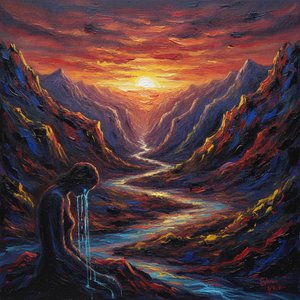
Capturing Emotion: A Journey Through the Soul of Expressionist Landscapes
Explore the profound emotional depth of Expressionist landscapes. Discover how Post-Impressionist masters moved beyond light to capture the soul through vibrant color and form. A curated journey for true art lovers seeking the beauty of expressive mastery.