

 Odoslať
 Zdieľať
 Podrobnosti
 Príručkovo

 Stiahnuť
 Podobné položky
 Prehliadanie diapo\]
 Štatistiky
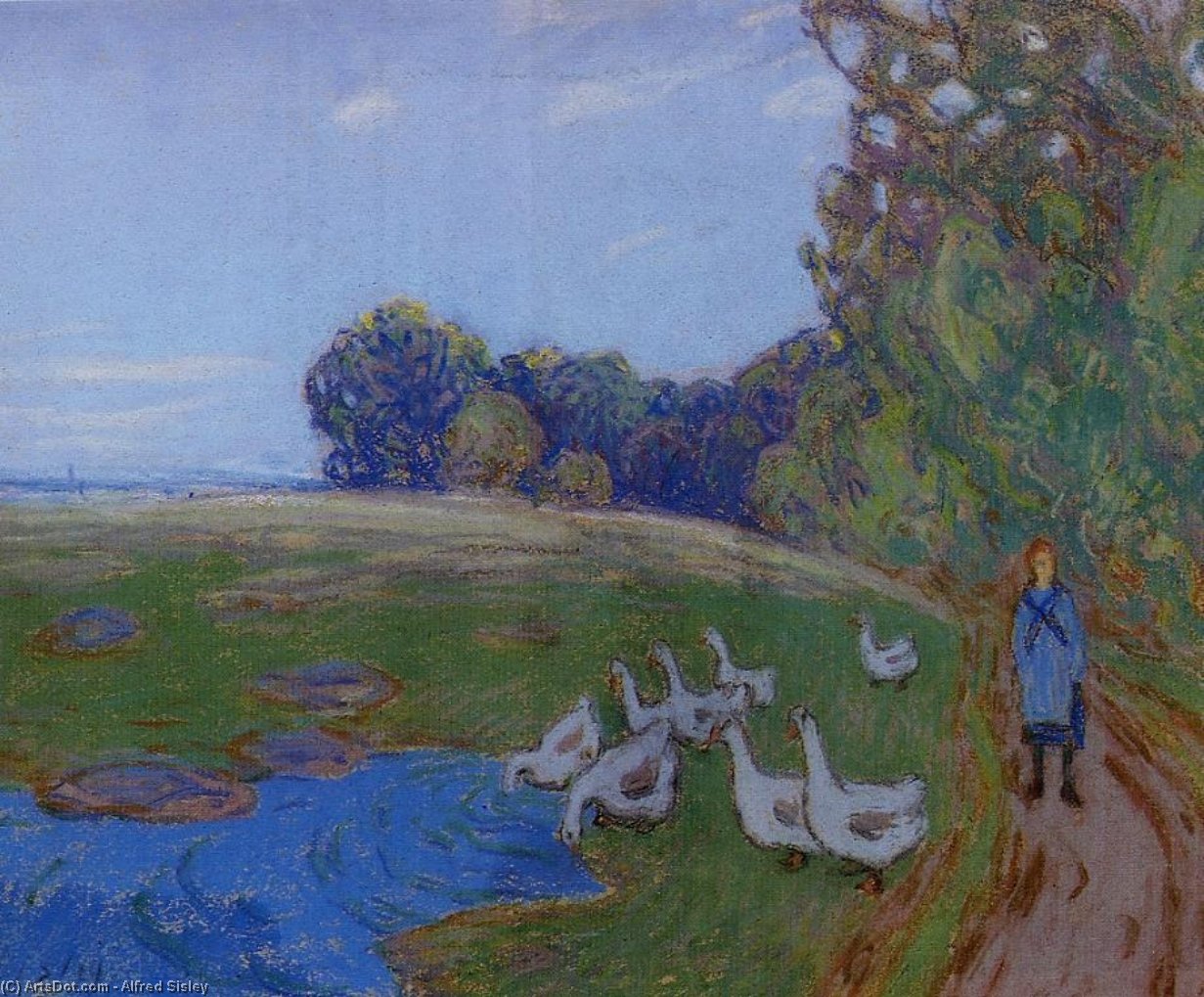
Goose Girl
 Giclée tlač
- Digitálne
- Post-Impressionism
 1895
1895- 19th Century
 28.0 x 38.0 cm
Okay, here’s an analysis of the artwork information, formatted as if I were an art historian and content creator for TopImpressionists.com:
**Artwork Information Analysis – “The Goose Girl” by Alfred Sisley**
**Overall Impression:**
“The Goose Girl” is a quintessential example of late 19th-century French landscape painting, specifically within the Post-Impressionist movement. Sisley’s masterful use of
 Prečítať si viac
Alfred Sisley (1839-1899): Francúzsky impresionista, majster pokojných krajín s jemnými farbami a zachytávaním premenlivého svetla na riekach a francúzskom vidie. Jeho dielo je plné tichosti a krásy.
Ručne maľovaná olejová reprodukcia
Ručne maľovaný olej na plátne vo vašej zvolenej veľkosti a v ráme, vyrobený na mieru našimi umelcami. ( Prepnúť na tlač Prepnúť na digitálnu verziu obrazu)




































Štandardné rozmery
na mieru
CM
INCH
Vyberte si z našich preddefinovaných rozmerov, ktoré zodpovedajú pôvodným pomeroḿ diela.
Loading sizes...

šírka
výška
Môžete zadať vlastné rozmery tak, aby sa hodili do konkrétneho rámu alebo priestoru. Ak sa váš zvolený rozmer nezhoduje s pôvodnými proporciami obrazu, dielo buď orezáme, alebo ho doplníme ručne maľovanými prvkami. Pred začiatkom výroby vám zašleme digitálny náhľad na schválenie.
Upozorňujeme, že ukážka na obrazovke neodráža skutočné orezanie ani doplnenie. Skutočnú finálnu kompozíciu zobrazuje iba digitálny náhľad.
Hoci sú k dispozícii vlastné rozmery, odporúčame vybrať rozmer z preddefinovaného zoznamu, aby sme zachovali pôvodné proporcie.
Príklady možných zmien: nahradiť tvár fotografiou zákazníka; pridať domáce zviera (napr. nahradiť mačku psom); vložiť skryté posolstvo do pozadia; zmeniť krajinu alebo prvky pozadia.
Po odoslaní objednávky vám tím TopImpressionists.com pošle e-mail s pokynmi a poskytne náhľad na návrh
Po odoslaní objednávky vám tím TopImpressionists.com pošle e-mail s pokynmi a poskytne náhľad na návrh
Celosvetová doprava () za 3 až 4 týždne namiesto štandardných 5 týždňov. (23 september). Bez kompromisov v kvalite.

Bezplatná expresná doprava po celom svete

Vysokokvalitné lnianske plátno

Úplné poistenie prepravy

Záruka vrátenia colného poplatku

Záruka presného farebného zhodnutia

100-dená politika vrátenia tovaru (iba pri vadách)

100% záruka vrátenia peňazí

Ponuka množstevnej zľavy
 Možnosť skla je dostupná len pri rozmeroch pod 110 cm

Goose Girl
Spôsob reprodukcie
Veľkosť reprodukcie
-


Celková cena
$ 269
A Symphony of Light and Reflection: Sisley's "Goose Girl"
Alfred Sisley’s “Goose Girl,” painted in 1895, is more than simply a depiction of a pastoral scene; it’s an immersion into the very heart of Post-Impressionist sensibility. This captivating artwork, measuring 28 x 38 cm and executed with delicate pastel on paper, captures a fleeting moment of quiet beauty – a woman and her geese along a tranquil waterway – imbued with a profound sense of serenity and contemplative mood. Sisley’s masterful use of color and light elevates this scene beyond mere representation, transforming it into an evocative meditation on the transient nature of time and memory.
The Essence of Post-Impressionism
Created during a pivotal moment in art history, “Goose Girl” exemplifies the core tenets of Post-Impressionism. Rejecting the strict adherence to optical realism favored by Impressionists, Sisley prioritized subjective perception and emotional response. Notice how he doesn’t meticulously render every detail; instead, forms are suggested through broad strokes and a deliberate blurring of edges. This technique, characteristic of the movement, creates an atmospheric haze, intensifying the sense of depth and inviting the viewer to participate in the painting's mood rather than simply observing it. The loose brushwork, combined with Sisley’s expressive use of color – predominantly cool blues, greens, and grays punctuated by warmer yellows and browns – generates a palpable sense of movement and light, capturing the ephemeral qualities of a summer afternoon.
Symbolism and Narrative
The painting's narrative is subtly layered with symbolism. The woman with her geese evokes images of rural life, tradition, and connection to nature—themes frequently explored by Sisley. The water itself represents fluidity, change, and the passage of time. Some art historians interpret the scene as a reflection on themes of loss and remembrance, hinted at by the solitary figure and the quiet stillness. The title, “Goose Girl,” adds another layer of intrigue, suggesting a connection to folklore and perhaps even a veiled reference to the traditional role of women in rural communities. Sisley’s ability to imbue such a simple subject with this depth of meaning is a testament to his artistic vision.
Technique and Legacy
Sisley's choice of pastel as his medium was crucial to achieving the painting’s ethereal quality. Pastels allow for an unparalleled degree of blending and layering, enabling him to create subtle gradations of color and achieve a remarkable sense of atmospheric depth. His technique is remarkably delicate, almost translucent in places, creating a luminous effect that captures the play of light on water and foliage. “Goose Girl” stands as a significant work within Sisley’s oeuvre and a prime example of Post-Impressionism's influence on subsequent generations of artists. Its enduring appeal lies in its ability to transport viewers to a moment of quiet contemplation, reminding us of the beauty that can be found in the simplest of scenes.


Biografia umelca
A Life Immersed in Light and Landscape
Alfred Sisley, meno často spomenuté vedľa mená Monet, Renóra a Pissarra, zaujíma v impresionistickom hnutí jedinečné a hlboko krásne miesto. Narodil sa v Paríži 30. októbra 1839, ako syn britských rodičov – Williama Sisleyho, obchoduša, a Felície Sell, hudobnej nadšenkynky – a niesol si so sebou dvojitý dedičstvo, ktoré jemne ovplyvnilo jeho umelecké videnie. Hoci strávil takmer celý svoj život vo Francúzsku, Sisley si udržal britské občianstvo, čo mu neskôr v živote prinieslo osobné sklamanie pri žiadosti o francúzske prirodzené občianstvo. Jeho rané roky boli pohodlne buržoázne, čo mu poskytlo príležitosť venovať sa štúdiu, ktorému bolo pôvodne určené obchodnícke povolanie v Londýne v roku 1857. Avšak pri lámaní osudu ho umenie príliš preskával a v roku 1861 sa vrátil do Paríža, kde začal formálne vzdelávanie pod švajčiarskym umelcom Marc-Charles-Gabriel Gleyre na École des Beaux-Arts. Tu, medzi burzujúcim umeleckým fermentom éry, si Sisley vytvoril kľúčové priateľstvo s Monetom, Renórom a Bazillom – vzťahy, ktoré hlboko ovplyvnili jeho umelecký smerovanie. Títo spoločníci mali spoločnú rebélie proti prísnym konvenciám akadémiového maľby a usilovali sa o zachytávanie mihotavých účinkov svetla a atmosféry priamo z prírody.The Quiet Master of Impressionism
Sisleyho neochvějná oddanosť *plein air* maľbe – prácu vonku, priamu pozornosť k prírodnému svetu – bola neúprosná. Na rozdiel od niektorých svojich súčasníkov, ktorí experimentovali s rôznymi žánrami, Sisley zostal celoživotne oddaný krajinám. Tento zameraný záväzok mu umožnil vylepšiť si jedinečný štýl charakterizovaný pokojom, jemnými farebnými paletami a subtílne vykreslením svetla. Jeho plátna sú často zasiahnuté bledými tónmi zelenej, ružovej, fialovej, hnedomodrej a krémovej farby, čím sa vytvára atmosféra pokojného zamyšlenia. Hoci prvé diela zostali vo väčšine prípadov stratené v čase, jeho dospelé maľby odhaľujú precítenú pozornosť k prírode kombinovanú s poetickým citom. Nebol záujemc o veľké príbehy alebo dramatické gestá; namiesto toho našiel krásu v obyčajných veciach – v jemnom prúde riek, v rozptýlenom svetle prenikajúcom cez stromy a v tichom šarmu vidieckyho života. Jeho skoré ťažoby za uznanie boli komplikované finančnými ťažkosťami jeho otca po francúzsko-pruskom konflikte v roku 1870, čo prinútilo Sisleyho spoliehať sa len na predaj svojich diel na živobytie – predošlú a nestabilnú existenciu. Bol skutočným impresionistom, ale jedného, ktorý často pracoval v relatívnej neznámej počas svojho života.Rivers, Canals, and the Essence of Place
Opakujúce sa témy prenikajú cez Sisleyho dielo, najmä jeho fascinácia vodou. Krajinské plátna sa stali jeho signatúrnou témou, ukázanou v sérii maľieb vytvorených počas cesty do Anglicka v roku 1874 na rieke Tamise, prevažne okolo Hampton Court. Tieto diela, zachytávajúce pokojnú krásu rieky a jej okolia, sú považované za niektoré z jeho najlepších dosiahnutí – „dokonalý okamih impresionizmu“, ako to popísal umelecký historik Kenneth Clark. Vyvinul tiež hlbokú spojitosť s Moret-sur-Loing, kde žil mnoho rokov, immortalizujúc jeho kanály, mosty a okolitú krajinu v mnohých plátnach. Maľby ako "Watermill near Moret", "Barges on the Loing Canal, Spring" a “Fields around the Forest” ukazujú jeho schopnosť vniesť do obyčajných scén pocit poetickej grácie. Nevidel len tieto miesta; zachytával ich *essenciu*, prenášal nie len to, ako vyzerali, ale aj to, ako sa cítili – jemný závan vetra, teplo slnečného žiarenia a tichý šepot vody. Táto citlivosť na atmosféru a náladu je možno Sisleyho trvalá dedina.Influences and a Lasting Legacy
Sisleyho umelecké vplyvy boli mnohostranné. Gleyreho akademické vzdelanie poskytlo základ techniky, zatiaľ čo priateľstvo s Monetom, Renórom a Bazillom podporovalo spoločnú oddanosť impresionistickým princípom. Využíval ich dôraz na zachytávanie mihotavých okamihov svetla a atmosféry, ale vyvinul si vlastný jedinečný hlas – jeden charakterizovaný obmedzenosťou a jemnosťou. Hoci často pracoval v relatívnej neznámej počas svojho života, Sisleyho dielo je dnes oslavované pre svoju krásu, citlivosť a neochvějný záväzok k zobrazovaniu prírody. Jeho vplyv sa dá nájsť v dielach neskorších krajinárov, ktorí hľadali zachytávanie mihotavých kvalít svetla a atmosféry s podobnou jemnosťou. Bol on, a zostáva, majstrom svetla, atmosféry a tichého poézie prírody.- Hlavné témy: Krajiny, rieky, kanály, vidiecky život, atmosférické účinky.
- Kľúčové charakteristiky: Jemné farebné palety, subtílne vykreslenie svetla, pokojná nálada, *plein air* maľba.
- Vplyvy: Marc-Charles-Gabriel Gleyre, Claude Monet, Pierre-Auguste Renoir, Frédéric Bazille, krajinskí maliari Barbizon školy.
Historical Significance
Sisleyho historická významnosť sa rozširuje za jeho technickú zručnosť a estetickú citlivosť. Jeho neochvějný záväzok k *plein air* maľbe, dokonca aj v čele s finančnými ťažkosťami a kritickou indiferenciou, položil základy pre budúce generácie umelcov, ktorí hľadali bližší kontakt s prírodou. Jeho plátna ponúkajú pohľad do rýchlo sa meniaceho sveta – sveta na pokraji moderny – a pripomínajú nám trvalú silu umenia zachytávať krásu a pokoj, ktorý možno nájsť aj v najobyčajnejších krajinách. Bol on, a zostáva, majstrom svetla, atmosféry a tichého poézie prírody.
Alfred Sisley
1839 - 1899 , Francúzsko
Rýchle fakty
- Artistic Movement Or Style: Impressionizmus
- Artists Or Movements Influenced By This Artist: ['Barbizon maliari']
- Artists Who Influenced This Artist:
- Gleyre
- Monet
- Renoir
- Date Of Birth: 1839-10-30
- Date Of Death: 1899-01-29
- Full Name: Alfred Sisley
- Nationality: Francúzsky a britský
- Notable Artworks:
- Vodný mlyn pri Moret
- Čluny na kanáli Loing
- Zabudená chalupa
- Place Of Birth: Paríž, Francúzsko
Súvisiace články

Beyond the Light: Discovering the Soul and Emotional Depth of Post-Impressionism
Embark on a cultural journey through Post-Impressionism. Discover the profound emotional depth of masters like Van Gogh and Cézanne, exploring how they moved beyond light to capture the very soul of human experience through vibrant color and symbolic form.
Preskúmajte umelecká diela usporiadané podľa tém, štýlov a charakteristík.


