


 Zobraziť v interiéri
 Odoslať
 Zdieľať
 Podrobnosti
 Príručka

 Stiahnuť
 Podobné položky
 RTG skúška
 Prehliadanie diapo\]
 Štatistiky
Madame Van Leer
 Oil On Panel
- Fauvism
 1929
1929 50.0 x 36.0 cm
 Fitzwilliam College
Admire André Derain's 'Madame Van Leer,' a captivating 1929 oil painting of a striking woman, showcasing Fauvist color and artistic brilliance. A timeless masterpiece by a celebrated French artist.
 Prečítať si viac
André Derain (1880-1954): Kľúčový zakladateľ impresionizmu a fauvizmu, známy svojimi výraznými farbami a expresívnym štýlom. Pozrite si jeho ikonické londonské maľby a prechod k klasicismu.
Ručne maľovaná olejová reprodukcia
Ručne maľovaný olej na plátne vo vašej zvolenej veľkosti a v ráme, vyrobený na mieru našimi umelcami. ( Prepnúť na tlač Prepnúť na digitálnu verziu obrazu)




P118B €10

P118H €10

P118W €10

P438Z €10

P508JH €12

P508YH €12

P805H €10

P805Z €10

P919BZ €10

P919G €10

P919XJ €10

P959ZH €10

P968JZ €12

W106C €8

W218G €10

W218JH €8

W218Y €10

W307PJ €10

W316G €10

W316PJ €8

W316Y €10

W398PJ €8

W4111J €10

W500HY €15

W500JH €15

W692G €12

W849H €8

W940BG €15

W953PJ €8




Štandardné rozmery
na mieru
CM
INCH
Vyberte si z našich preddefinovaných rozmerov, ktoré zodpovedajú pôvodným pomeroḿ diela.
Loading sizes...

šírka
výška
Zadajte šírku a výšku, ktoré potrebujete, aby sa dielo hodilo k vášmu rámu alebo stene. Keďže ide o ručnú maľbu, pri rozmeroch s odlišným pomerom strán môže umelec namalovať o niečo viac okolo obrázka alebo ho mierne orezatú — výber patrí vám. Pred začatím maľovania vám pošleme digitálnu ukážku na schválenie. Obrázok zobrazený na tejto stránke nenahrádza reálny výsledok — ten zobrazuje iba digitálna ukážka.
Príklady možných zmien: nahradiť tvár fotografiou zákazníka; pridať domáce zviera (napr. nahradiť mačku psom); vložiť skryté posolstvo do pozadia; zmeniť krajinu alebo prvky pozadia.
Po odoslaní objednávky vám tím TopImpressionists.com pošle e-mail s pokynmi a poskytne náhľad na návrh
Po odoslaní objednávky vám tím TopImpressionists.com pošle e-mail s pokynmi a poskytne náhľad na návrh
Celosvetová doprava () za 3 až 4 týždne namiesto štandardných 5 týždňov. (26 október). Bez kompromisov v kvalite.

Bezplatná expresná doprava po celom svete

Vysokokvalitné lnianske plátno

Úplné poistenie prepravy

Záruka vrátenia colného poplatku

Záruka presného farebného zhodnutia

100-dená politika vrátenia tovaru (iba pri vadách)

100% záruka vrátenia peňazí

Ponuka množstevnej zľavy
 Možnosť skla je dostupná len pri rozmeroch pod 110 cm

Madame Van Leer
Spôsob reprodukcie
Veľkosť reprodukcie
-


Celková cena
€ 236
André Derain’s “Madame Van Leer”: A Fauvist Portrait of Parisian Elegance
André Derain's "Madame Van Leer," painted in 1929, is more than just a portrait; it’s a vibrant distillation of the Fauvist movement and a captivating glimpse into the social life of early 20th-century Paris. This oil on panel work, currently residing at the Fitzwilliam Museum in Cambridge, immediately assaults the senses with its audacious color palette – a deliberate rejection of academic realism in favor of emotional expression. Derain, a key figure alongside Matisse in establishing Fauvism, wasn’t interested in faithfully representing his subject; instead, he sought to capture her essence through intense hues and dynamic brushstrokes.
The painting depicts Madame Van Leer, a woman of considerable social standing, seated with an air of quiet confidence. Her red dress, rendered in fiery oranges and deep crimsons, dominates the composition, drawing the eye immediately. This bold color choice isn’t merely decorative; it speaks to the energy and vibrancy that characterized the Fauvist period. Derain employed a technique known as “divisionism,” breaking down colors into small, distinct strokes – a method he had initially adopted from Seurat but pushed to its most expressive limits. Notice how the red is not blended smoothly, but rather layered with yellows, blues, and greens, creating an almost shimmering effect that seems to pulsate with life.
A Window into Parisian Society
Understanding “Madame Van Leer” requires a brief context of 1920s Paris. The city was undergoing rapid social and artistic transformation following the devastation of World War I. Artists, eager to break free from the constraints of traditional art, flocked to Montmartre, seeking inspiration in the bohemian atmosphere and experimenting with new forms of expression. Derain’s work reflects this spirit of innovation and a fascination with the changing face of Parisian society. The subject herself, Madame Van Leer, was a prominent figure in artistic circles, known for her patronage of the arts and her sophisticated social life.
The painting offers a subtle commentary on the role of women in that era. While outwardly composed and elegant, there’s an underlying sense of introspection in Madame Van Leer's gaze. She isn’t simply posing for the portrait; she seems to be contemplating something beyond the immediate scene. This ambiguity adds another layer of complexity to the work, inviting viewers to project their own interpretations onto the image.
The Language of Color and Form
Beyond its social context, “Madame Van Leer” is a masterclass in Fauvist technique. Derain’s use of color isn't arbitrary; it’s deeply symbolic. The vibrant reds evoke passion and energy, while the cooler blues and greens suggest tranquility and introspection. He deliberately distorted forms to heighten their emotional impact, prioritizing visual sensation over realistic representation. The simplified shapes and flattened perspective contribute to a sense of immediacy and directness – as if we are witnessing a fleeting moment captured in paint.
Furthermore, Derain’s brushwork is remarkably expressive. The thick, visible strokes create a tactile quality that invites the viewer to engage with the painting on a physical level. The layering of colors and the dynamic application of paint contribute to the overall sense of movement and vitality. It's important to note that after 1910, Derain moved away from the most extreme Fauvist palette, incorporating influences from Cézanne and the Old Masters, but “Madame Van Leer” remains a powerful example of his early experimentation with color and form.
A Timeless Portrait of Parisian Spirit
“Madame Van Leer” is more than just a beautiful painting; it’s a testament to the transformative power of art. It captures not only the likeness of a woman but also the spirit of an era – a time of innovation, experimentation, and social change. The bold colors, expressive brushwork, and subtle symbolism combine to create a work that continues to resonate with viewers today. Reproductions of this iconic painting offer a chance to bring a touch of Parisian elegance and Fauvist vibrancy into any space, serving as a reminder of the enduring legacy of André Derain’s artistic vision.
Otázky a odpovede
Kedy a z akých materiálov bolo vytvorené dielo „Madame Van Leer“?
„Madame Van Leer“ vzniklo v roku 1929 pomocou techniky Oil On Panel.
Kde môžem nájsť sprievodca k dielu "Madame Van Leer"?
Pre dielo „Madame Van Leer“ od André Derain je k dispozícii stránka Sprievodca: tlačiteľný informačný list o umedení, navrhnutý pre študentov a využitie v triedach.
Kto vytvoril "Madame Van Leer"?
Autorom diela „Madame Van Leer“ je André Derain. Prácu nájdete v katalógu pod menom André Derain.


Biografia umelca
Early Life and the Seeds of Fauvism
André Derain, narodený v roku 1880 v malebnej dedine Chatou, blízko Paríža, nebol od útleho veku určený na život sprevádzaný farbou a plátnom. Na rozdiel od niektorých vyjadrení, ktoré naznačujú okamžitú umeleckú probdiel s rovnokamištnými umelcami ako Vlaminck alebo Matisse, Derain začal svoju umeleckú cestu nezávisle už okolo roku 1895. Tieto rané skúsenosti boli často vykonávané spoločne s otcom Jacominom a jeho synmi počas veniec v prírode – formujúca skúsenosť, ktorá vniesla hlbokú obľubu do prírodného sveta. Krátko sa venoval inžinierstvu na Akadémii Camillo v roku 1898, kde osudovito stretol Henriho Matissea, čo iniciovalo kľúčové umelecké partnerstvo. Ďalšie štúdia pod Eugèneom Carrièreom obohatili jeho základné zručnosti, ale vojenský zásah od roku 1901 do 1904 prerušil jeho rozvíjajúcu sa kariéru. Po návrate, povzbudený nerozbitnou vieryou Matissea, Derain rozhodne opustil inžinierstvo a plne sa zaviazal k maľbe, pokračoval v ďalšej edukácii na Akadémii Julian. Tento záväzok predstavoval zvrat, ktorý ho postavil na cestu k tomu, aby sa stal významnou figúrou v jednom z najrevolučnejších umeleckých pohybov moderny.The Explosive Birth of Color: Fauvism
Leto 1905 bolo pre Deraina a Matissea výstredným okamihom, keď spolupracovali v slnečnatom prístavnom mestečku Collioure. Táto obdoba priniesla diela ako “Hory v Collioure”, charakterizované radikálnym odklonom od reprezentácie farieb. Krajiny sa neprejavili len ako znázornenie miest; boli to vyjadrenia pocitov, zdanené intenzívnymi, nerealistickými tónmi. Keď ich vystavovali na salóni Automne toho istého roku, vyvolali výskyt a údiv. Kritický Louis Vauxcelles ich nešťastne označil za “Les Fauves” – divé zvieraťa, názov pôvodne určený ako hanlivý, ale nakoniec prijatý umelcami sami. Derainin prínos k tomuto Fauvistickému pohybu nebol len stylistický; mal jedinečnú schopnosť premeniť emocionálnu intenzitu na čistú farbu. V roku 1905 Ambroise Vollard povzbudil Deraina a Vlamincka, aby sa zúčastnili salónu nezávislých v skorom jari, kde Derain vystavil svoje známe dielo Luxe, calme et volupté (Luxus, pokoj a pôvab). André Derain sa presadil v Paríži, kde stretol Alice Géry, s ktorou uzavrel manželstvo v roku 1926.Beyond Fauvism: A Shifting Aesthetic
Počas prvého desaťročia Derain experimentoval s rôznymi štýlmi a technikami, pričom sa snažil nájsť umeleckú pravdu mimo konvencií. V roku 1907 začal prechádzať výrazným zmenením, ktoré odrážalo záujem o štruktúru a kompozíciu. Ponoril sa do štúdia klasických majstrov, pričom integroval prvky kubizmu, zároveň však hľadal inšpiráciu v klasických formách. Toto nebolo odmietanie jeho skorších diel, ale rozšírenie jeho umeleckej slovnej zásoby. Derainov talent sa prejavil aj v oblastiach mimo maľby; v roku 1919 navrhol kulisy a kostýmy pre balet “La Boutique Fantasque” pod vedením Sergeja Diaghileva, čo demonštrovalo jeho zručnosti v divadelnom dizajne. Kľúčové diela z tejto éry, ako napríklad “Harlequin a Pierrot” a monumentálna maľba “Návrat Ulisses”, odrážajú tento stylistický posun – presun k viac kontrolovanému a intelektuálne rešpektovanému prístupu k umeniu.Legacy and Complexities
André Derain je bezpochyby považovaný za spoluzákladiteľa Fauvismu, pohybu, ktorý neodmyslitelne zmenil smer modernej maľby. Jeho jedinečná videnie Londýna, zachycené vo svojich živých plátnach, ponúka nový pohľad na ikonické mesto. Po prvej svetovej vojne získal uznanie späť za svoje prínosy k obnove klasicismu, demonštrovaním svojej adaptabilnosti a trvalej umeleckej relevancie. Derainov neskorší život však bol poznačený kontroverziou. Boli mu vyčítené jeho činy v Nemecku počas druhej svetovej vojny, čo viedlo k ostrému odsudku po vojne. Napriek tejto tieňovej stránke je jeho vplyv na ďalšie generácie umelcov nepopierateľný. Zomrel v roku 1954 a zanechal za sebou dielo, ktoré stále fascinuje a inšpiruje. Jeho cesta je dôkazom umeleckej inovácie a komplexnosti spojených s hľadajúcim svetom.
André Derain
1880 - 1954 , Francúzsko
Rýchle fakty
- Artistic Movement Or Style: Fauvizmus, Kubizmus
- Artists Or Movements Influenced By This Artist:
- Matisse
- Kubizmus
- Artists Who Influenced This Artist:
- Van Gogh
- Cézanne
- Date Of Birth: 10. jún 1880
- Date Of Death: 8. september 1954
- Full Name: André Derain
- Nationality: Francúzsky
- Notable Artworks:
- Hory v Collioure
- Harlequin a Pierrot
- Čajový čaj
- Place Of Birth: Chatou, Francúzsko
Súvisiace články

Rembrandt van Rijn: Top 25 Majstrovských Diel pre Váš Domov | TopImpressionists
Ponorte sa do sveta Rembrandta van Rijna s TopImpressionists.com! Objavte 25 majstrovských diel holandského baroka, portrétov a ikonických obrazov plných svetla a tieňa. Kúpiť kvalitné reprodukcie pre váš interiér. Preskúmajte celú kolekciu online!

Top 10 majstrovských diel fauvizmu: Výrazná umenie pre váš domov | TopImpressionists
Objavte 10 majstrovských diel fauvizmu od Matissea, Deraina a ďalších. Prežite intenzívne farby a expresívny štýl tohto revolučného umenia. Reprodukcie obrazov pre váš domov na TopImpressionists.com.

Charles-André van Loo: A Study in Rococo Portraiture & the French Court's Artistic Dynamics
Explore the elegant world of Charles-André van Loo, a master of Rococo portraiture at the French court. Discover his life, techniques, and enduring influence on 18th-century art. Hand-painted reproductions available.

André Derain: Fauvism's Bold Visionary & the Evolution of Modern Color
Explore the revolutionary art of André Derain, co-founder of Fauvism. Discover his bold use of color, evolution from radical expressionism to classicism, and lasting influence on modern art history. Learn more at TopImpressionists.
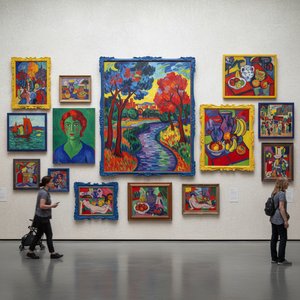
Top 10 majstrovských diel Fauvizmu: Umelci a revolučné obrazy pre váš domov
Objavte top 10 majstrovských diel fauvizmu! Matisse, Derain a ďalší revolučionári farieb. Prežite príbeh umenia plného expresie a emócií. Reprodukcie obrazov pre váš domov na TopImpressionists.com.
Preskúmajte umelecká diela usporiadané podľa tém, štýlov a charakteristík.


