


 Zobraziť v interiéri
 Odoslať
 Zdieľať
 Podrobnosti
 Príručka

 Stiahnuť
 Podobné položky
 RTG skúška
 Prehliadanie diapo\]
 Štatistiky
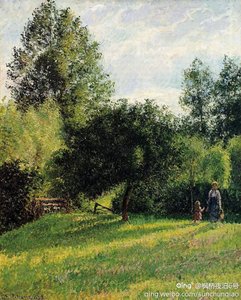
Apple Fallings


Arthur Spooner’s ‘Apple Fallings’ (c. 1890) captures rural life in a stunning realist oil painting. Explore its dappled light, impasto texture & nostalgic theme – a timeless piece!
Discover arthur spooner's art at TopImpressionists! Explore his unique style and themes. Find high-quality prints of arthur spooner's artwork to enhance your collection.
 Prečítať si viac
Ručne maľovaná olejová reprodukcia
Ručne maľovaný olej na plátne vo vašej zvolenej veľkosti a v ráme, vyrobený na mieru našimi umelcami. ( Prepnúť na tlač Prepnúť na digitálnu verziu obrazu)




































Štandardné rozmery
na mieru
CM
INCH
Vyberte si z našich preddefinovaných rozmerov, ktoré zodpovedajú pôvodným pomeroḿ diela.
Loading sizes...

šírka
výška
Môžete zadať vlastné rozmery tak, aby sa hodili do konkrétneho rámu alebo priestoru. Ak sa váš zvolený rozmer nezhoduje s pôvodnými proporciami obrazu, dielo buď orezáme, alebo ho doplníme ručne maľovanými prvkami. Pred začiatkom výroby vám zašleme digitálny náhľad na schválenie.
Upozorňujeme, že ukážka na obrazovke neodráža skutočné orezanie ani doplnenie. Skutočnú finálnu kompozíciu zobrazuje iba digitálny náhľad.
Hoci sú k dispozícii vlastné rozmery, odporúčame vybrať rozmer z preddefinovaného zoznamu, aby sme zachovali pôvodné proporcie.
Príklady možných zmien: nahradiť tvár fotografiou zákazníka; pridať domáce zviera (napr. nahradiť mačku psom); vložiť skryté posolstvo do pozadia; zmeniť krajinu alebo prvky pozadia.
Po odoslaní objednávky vám tím TopImpressionists.com pošle e-mail s pokynmi a poskytne náhľad na návrh
Po odoslaní objednávky vám tím TopImpressionists.com pošle e-mail s pokynmi a poskytne náhľad na návrh
Celosvetová doprava () za 3 až 4 týždne namiesto štandardných 5 týždňov. (26 september). Bez kompromisov v kvalite.

Bezplatná expresná doprava po celom svete

Vysokokvalitné lnianske plátno

Úplné poistenie prepravy

Záruka vrátenia colného poplatku

Záruka presného farebného zhodnutia

100-dená politika vrátenia tovaru (iba pri vadách)

100% záruka vrátenia peňazí

Ponuka množstevnej zľavy
 Možnosť skla je dostupná len pri rozmeroch pod 110 cm

Apple Fallings
Spôsob reprodukcie
Veľkosť reprodukcie
-


Celková cena
$ 269
Súvisiace diela




Biografia umelca
The Quiet Legacy of Arthur Spooner
In the annals of British art, certain names resonate with thunderous fame, while others linger like a soft mist over a Nottinghamshire meadow, possessing a quiet, enduring grace. Arthur Spooner (1873–1962) belongs to that latter, more intimate category. A painter whose life was deeply rooted in the English landscape, Spooner’s work serves as a window into the atmospheric beauty of a bygone era. Born in Nottingham, his early years were marked by profound personal hardship; raised in an abusive household, he faced significant adversity from a young age. Yet, even amidst such turbulence, a creative spark flickered, fueled by an innate ability to observe and interpret the world around him. This resilience would later manifest in a body of work characterized by a steadfast dedication to capturing the subtle nuances of light, nature, and movement.
Spooner’s artistic journey was shaped by formal discipline and a wandering spirit. He honed his technical prowess at the Nottingham School of Art, an institution that provided him with the foundational tools of his craft. His training instilled in him a respect for realism, yet he was never a mere copyist of nature. Instead, he sought to infuse his subjects with emotion and atmosphere, drawing inspiration from the burgeoning Impressionist movement. This synthesis of precise detail and emotive light allowed him to transcend simple documentation, turning a landscape into a sensory experience. His travels also played a surprising role in his development; tales of his youth performing jigs for workers at the Empire State Building suggest a man who was as much a part of the world's vibrant pulse as he was a silent observer of its landscapes.
Mastery of Light and Form
The true essence of Spooner’s artistry lies in his ability to manipulate texture and tone to evoke specific moods. He was particularly renowned for his equine subjects and landscapes, genres that demanded both anatomical accuracy and a delicate touch. When painting horses, he did not merely depict muscle and mane; he captured the very breath and kinetic energy of the animal, utilizing subtle tonal variations to suggest movement and vitality. His landscapes were equally evocative, often featuring scenes such as the serene Saints Bay in Guernsey or the nostalgic, dappled light of Apple Fallings. In these works, one can observe a masterful use of impasto and soft, blended brushstrokes that create a palpable sense of depth and atmosphere.
His technical repertoire was diverse, allowing him to navigate between different artistic temperaments:
- Impressionistic Light: A profound ability to render the fleeting qualities of sunlight, particularly during the "golden hours" of dawn or dusk.
- Realist Precision: An exacting eye for detail in the rendering of foliage, rocks, and animal musculature, ensuring a grounded sense of reality.
- Atmospheric Depth: The use of misty, soft-focus techniques to create a sense of distance and contemplative stillness, as seen in works like Misty Autumn.
A Lasting Impression on the Nottinghamshire Scene
While Spooner may not have sought the global spotlight, his contributions to the British art scene were significant and deeply felt within his local community. His appointment as an Associate Member of the Royal Academy (RBA) in 1920 served as a formal recognition of his skill and standing among his peers. As a teacher at the Nottingham School of Art, he also played a vital role in nurturing the next generation of British painters, passing on the traditions of landscape and figurative art that he had so masterfully refined.
His historical significance is perhaps best measured by the enduring presence of his work in public collections and the way it continues to stir the emotions of contemporary viewers. Pieces such as The Goose Fair, Nottingham (1926)—now held in the prestigious Nottingham Castle—stand as cultural landmarks, preserving the spirit of local life and civic pride. Through his canvases, Spooner achieved a rare feat: he captured the ephemeral beauty of the natural world and the dignity of everyday life, leaving behind a legacy that remains as luminous and evocative as a sunlit woodland glade.

arthur spooner
1873 - 1962
Rýchle fakty
- Artistic Movement Or Style: Impressionism
- Artists Or Movements Influenced By This Artist: ['Edward Burne-Jones']
- Artists Who Influenced This Artist:
- Claude Monet
- William Morris
- Date Of Birth: 1873
- Date Of Death: 1962
- Full Name: Arthur Eugene Spooner
- Nationality: British
- Notable Artworks:
- Goose Fair
- Welbeck Estate
- Place Of Birth: Nottingham, England
Súvisiace články

Paul Cézanne: Top 25 Majstrovských Diel pre Váš Domov – Kolekcia TopImpressionists
Objavte top 25 diel Paula Cézanna – impresionistické krajinomaľby, zátišia a portréty. Prežite príbeh umelca a jeho majstrovských techník. Reprodukcie obrazov pre luxusný domov na TopImpressionists.com

Impresionizmus: Top 10 diel, ktoré definovali revolúciu v umení | TopImpressionists
Ponorte sa do sveta impresionizmu s top 10 dielami od Monet, Renoir a ďalších majstrov. Objavte príbehy, techniky a farebnú krásu tohto revolučného umenia na TopImpressionists.com. Reprodukcie obrazov pre váš domov.

Echoes of Revolution & Romanticism: Navigating 19th-Century Art Styles
Explore the diverse world of 19th-century art! From Realism's rebellion to Impressionism’s light and beyond, discover key movements, artists & collecting tips. Expert insights for classic enthusiasts.

Capturing Light & Emotion: A Beginner's Guide to the Soul of Late Impressionism
Embark on a visual journey through Late Impressionism. Discover how masters like Monet and Van Gogh captured light and emotion, and learn expert tips for bringing these soulful, hand-painted aesthetics into your modern home decor with confidence.

Top 10 diel 19. storočia: Majstri a príbehy v umení pre váš domov
Ponorte sa do sveta 19. storočia s top 10 dielami impresionizmu, realizmu a romantizmu! Objavte príbehy Courbeta, Moneta a Van Gogha. Reprodukcie obrazov pre luxusný interiér na TopImpressionists.com – umenie online.