


 Zobraziť v interiéri
 Odoslať
 Zdieľať
 Podrobnosti
 Príručka

 Stiahnuť
 Podobné položky
 RTG skúška
 Prehliadanie diapo\]
 Štatistiky
Sandridge
 Oil On Canvas
- WallArt
- Australian Impressionism
 1888
1888- 19th Century
 233.0 x 128.0 cm
 National Gallery of Australia
A dramatic harbor scene capturing the chaos of a sinking boat in Arthur Streeton's 1888 masterpiece Sandridge, showcasing Australian Impressionism and inviting you to explore this iconic piece for your collection.
 Prečítať si viac
Arthur Streeton (1867-1943) - vynikajúci austrálsky impresionista, známy svojimi zlatistými krajinami a zachytávaním jedinečného austrálskeho svetla. Obdivovaný umelec s výrazným vplyvom na austrálsku identitu.
Giclée / Umenotlač
Giclée tlač alebo plátno múzeálnej kvality s rýchlou výrobou a rôznymi možnosťami povrchovej úpravy. ( Objednať ručne maľovanú reprodukciu Prepnúť na digitálnu verziu obrazu)




P118B €10

P118H €10

P118W €10

P438Z €10

P508JH €12

P508YH €12

P805H €10

P805Z €10

P919BZ €10

P919G €10

P919XJ €10

P959ZH €10

P968JZ €12

W106C €8

W218G €10

W218JH €8

W218Y €10

W307PJ €10

W316G €10

W316PJ €8

W316Y €10

W398PJ €8

W4111J €10

W500HY €15

W500JH €15

W692G €12

W849H €8

W940BG €15

W953PJ €8




Štandardné rozmery
na mieru
CM
INCH
Vyberte si z našich preddefinovaných rozmerov, ktoré zodpovedajú pôvodným pomeroḿ diela.
Loading sizes...

šírka
výška
Zadajte šírku a výšku, ktoré potrebujete, aby sa reprodukcia hodila k vášmu rámu alebo stene. Print možno len orezávať, nikdy však nemennú veľkosť zvětšiť oproti pôvodnému obrázku, preto pri inom formáte stráca časť obrazu. Pred samotným vytlačiacím procesom vám pošleme digitálny náhľad na schválenie. Obrázok zobrazený na tejto stránke nezobrazuje reálny rez — len digitálny náhľad ukazuje presný výsledok.
Celosvetová doprava () do 2 týždňov namiesto štandardných 4 až 5 týždňov. (23 október)

Bezplatná expresná doprava po celom svete

Vysokokvalitné lnianske plátno

Úplné poistenie prepravy

Záruka vrátenia colného poplatku

Záruka presného farebného zhodnutia

100-dená politika vrátenia tovaru (iba pri vadách)

100% záruka vrátenia peňazí

Ponuka množstevnej zľavy
 Možnosť skla je dostupná len pri rozmeroch pod 110 cm

Sandridge
Giclée / Umenotlač
Veľkosť reprodukcie
-


Celková cena
€ 61
A Moment Frozen in Time: The Drama of Sandridge
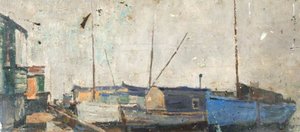
In the vast expanse of Australian Impressionism, few works capture the raw, unscripted tension of maritime life as poignantly as Arthur Streeton’s Sandridge. Painted in 1888, this monumental oil on canvas serves as a window into a bustling, high-stakes moment within a busy harbor. At first glance, the viewer is drawn into a scene of profound movement and uncertainty; the central focus is a vessel caught in a state of distress, appearing to sink or having just succumbed to the elements. This focal point acts as the emotional anchor of the composition, pulling the eye toward the center of a swirling maritime drama where the calm of the water meets the sudden chaos of an emergency.
Streeton, a pioneer of the Heidelberg School, was a master at capturing what his contemporaries called the "Australian Light." In Sandridge, he utilizes this expertise to paint not just a scene, and not just a location, but an atmosphere. The light dances across the hulls of various boats—ranging from large, dominating vessels to smaller, more agile craft—creating a sense of depth and shimmering heat. Through his brushwork, one can almost feel the humidity of the harbor and the frantic energy of the at least twelve figures scattered throughout the scene. Some onlookers stand in stunned proximity to the sinking boat, while others are mere silhouettes against the horizon, their presence adding to the collective weight of the unfolding tragedy.
Technique and the Impressionist Spirit
The technical execution of Sandridge is a testament to Streeton’s ability to blend large-scale composition with delicate, impressionistic touches. The sheer scale of the work, measuring an impressive 233 x 128 cm, allows the viewer to become immersed in the harbor's geography. Streeton employs a palette that reflects the gritty yet luminous reality of a working port. His use of oil on canvas provides a rich texture that gives weight to the wooden hulls and life to the churning water. The way he manages the interplay between light and shadow is crucial; it is through these subtle shifts in tone that the sense of "chaos" is communicated without relying on overt, messy strokes.
For the discerning collector or interior designer, this piece offers a sophisticated balance of narrative intensity and aesthetic harmony. The painting does not merely depict a disaster; it captures the structural beauty of a maritime landscape. The composition guides the eye through a rhythmic arrangement of masts, sails, and figures, making it a powerful statement piece for any grand space. It possesses that rare quality in fine art: the ability to command attention through its historical gravity while simultaneously complementing a modern or classical interior with its masterful use of color and light.
A Legacy of Australian Identity
To understand Sandridge is to understand the birth of a national artistic identity. During the late 19th century, Streeton and his peers were moving away from European traditions to find a way to paint the unique, harsh, yet beautiful Australian landscape. While much of his work focuses on the golden hues of the bush, Sandridge explores the industrial and social heartbeat of the coast. The painting symbolizes the vulnerability of human endeavor when faced with the unpredictable forces of nature, a theme that resonates deeply across generations.
Owning a high-quality reproduction of this masterpiece allows one to bring a piece of Australian history into the contemporary home. It is more than a decoration; it is an invitation to contemplate the fleeting nature of stability and the enduring strength of human observation. Whether placed in a library, a formal dining room, or a curated gallery space, Sandridge serves as a profound conversation starter, embodying the spirit of an era defined by discovery, struggle, and the breathtaking beauty of the Australian light.
Otázky a odpovede
Ako sa vzájomne dopĺňajú farby diela „Sandridge“?
Farebná harmónia diela „Sandridge“ je zaznamenaná ako Balanced Harmony.
Kde môžem nájsť sprievodca k dielu "Sandridge"?
Stránka Sprievodca diela „Sandridge“ od Arthur Streeton ponúka tlačiteľný dvojstranový informačný list: samotné umelecké dielo s identifikačnou tabuľkou, časovú os situujúcu dielo do obdobia života umelca, ďalšie práce daného umelca, nameranú farebnú paletu a citácie vo štyroch štýloch pripravené na skopírovanie.
Akú atmosféru má dielo „Sandridge“?
Celková nálada diela „Sandridge“ od Arthur Streeton je Dramatic. Táto nálada vystihuje všeobecnú atmosféru diela.
Súvisiace diela



Biografia umelca
Arthur Streeton: Inšpirátor Austrálnej Svietlosti
Arthur Ernest Streeton, známy pod menom “Smike” medzi svojimi priateľmi, predstavuje monumentálnu postavu v dejinách austrálskej umenia. Narodil sa 8. apríla 1867 na ostrove Mount Duneed v Victorii a jeho život bol neodmysliteľne spojený s formovaním národnej identity Austrálie prostredníctvom krajinského maľby. Jeho začiatky boli skromné – rodičia, Angličania, sa stretli počas svojej cesty do Austrálie – no jeho umelecká cesta bola plná odvážnych krokov a hľadania jedinečného vzhľadu austrálskych krajín. Už v štúdiách na Národnej Galérii v Melbourne, od roku 1882 do 1887, sa Streeton snažil pochopiť techniku a princípy, ktoré mu pomôžu zachytiť charakteristický svetelný a atmosférický efekt austrálskych lesov – svetlo, ktoré sa radikálne líšilo od toho, čo bolo známe v Európe. Jeho záujem o umelecké techniky bol doplnený o praxu ako litograf, čo mu pravdepodobne poskytlo hlbšie porozumenie kompozícii a tonalitám.Heidelberg School a Eaglemont Camp
Streetonova umelecká zrelosť sa spájala s vzostupom Heidelberg School – skupiny umelcov, ktorí sa rozhodli vytvoriť autentický austrálsky štýl. Jeho priateľstvo s Tomom Robertom a Frederickom McCubbinom bolo kľúčové; spolu podnikali *plein air* výpravy za cieľom reprezentovať krajinu priamo z prírody. Tento záväzok k práci vonku, inšpirovaný francúzskym impresionizmom, ale prispôsobený jedinečnému austrálskemu kontextu, sa stal charakteristickou črtou ich diela. Založenie Eaglemont Camp v roku 1888 predstavilo obrat bod. Spoločne s ďalšími umelcami žijúcimi v starej farmárskej budove na okraji Melbourne, Streeton vstúpil do obdobia intenzívnej kreativity. Práve tu vytvoril niektoré z jeho najikonickejších diel, ako sú *Golden Summer, Eaglemont* (1889) a *Still glides the stream, and shall for ever glide* (1890). Tieto maľby neboli len reprezentáciou krajiny; boli evokáciami pocitov – žiarivé odlesky slnečného žiarenia na zlatistých poliach, pokojná atmosféra letného popoludnia. Táto obývacia miestnosť podporovala prostredie spoločnej experimentácie a vzájomného povzbudzovania, čím posilnila povesť Heidelberg School ako sily, ktorá mala v austrálskom umennom svete významný dopad. Ich odvážny prístup culminoval v kontroverznej výstave *9 by 5 Impression Exhibition* v roku 1889, ktorá prezentovala malé, rýchlo vykonávané maľby, ktoré podkopávali tradičné umelecké normy.Hľadanie Rozpoznania a Návrat Domov
Motivovaný ambíciou a túžbou po širšom uznaní sa Streeton v roku 1897 vydal do Londýna na *Polynesien*. Hoci dosiahol určitú úspech pri vystavovaní na Kráľovskom akadémii, vrátane reprezentácie v roku 1900, našiel ťažkosti s replikovaním uznania, ktoré si užil v Austrálii. Európsky umelecký svet bol preplnený a konkurenčný a jeho jedinečne austrálsky pohľad ne vždy rezonoval s ubytovanými vkúsy. Pokračoval v maľbe, skúmal rôzne témy – Benátske scény, ako napríklad *Palazzo Labia, Venice* (1908), demonštrovali posun v zameraní, ale zachovávali jeho charakteristickú citlivosť na svetlo a farby. Vznik druhej svetovej vojny Streeton sa snažil prispievať ako pomocník v Royal Army Medical Corps, neskôr ako oficiálny vojak-umelec v roku 1918. Jeho vojenské maľby, hoci dokumentovali devastáciu západného frontu, často sa zamerávali na samotnú krajinu, odrážajúc jeho trvalý fascinácia prírodou. V roku 1923 sa vrátil do Austrálie ako uznávaná postava, bol šľachtický v roku 1937 za prínos umeniu.Dielo a Trvalý Vplyv
Arthur Streetonova dedičnosť presahuje jeho jednotlivé maľby. Hrá mal kľúčovú úlohu pri založení jedinečnej austrálskej umeleckej identity, ktorá oslavovala krásu a rozsiahlosť kontinentu. Jeho diela pomohli definovať, ako Austrália videla seba samú a svoju krajinu. Jeho vplyv je viditeľný v generáciách maľiarov nasledovníkov, ktorí boli inšpirovaní jeho schopnosťou zachytiť esenciu austrálskeho svetla a atmosféry. Bol produktívnym spisovateľom a umeleckým kritikom, ktorý ďalej formoval diskurz okolo austrálskych umení. Hoci zažil obdobia frustrácie a sebepochybnosti, Streeton zostával oddaný svojmu umeleckému zboru až do svojej smrti 1. septembra 1943 v Olinde, Victorii. Jeho maľby dodnes fascinujú publikum, ponúkajú neoceniteľný pohľad na srdce a dušu Austrálie.Kľúčové Diely & Tém
- Golden Summer, Eaglemont (1889): Možno jeho najznámejší diel, ktorý zachytáva žiarivosť a svetlo austrálskeho leta.
- Still glides the stream, and shall for ever glide (1890): Lyrická reprezentácia rieky Yarra, ktorá ukazuje jeho zručnosť v atmosférickej perspektíve.
- Fire’s on (1891): Silná reprezentácia austrálského lesného požiaru, zachytávajúca jeho krásu a nebezpečenstvo.
- Palazzo Labia, Venice (1908): Demonstruje jeho schopnosť prispôsobiť si impresionistický štýl európskym témam.
- Egyptian Drink Vendor (1897): Živá scéna odrážajúca jeho cesty a skúmanie rôznych kultúr.

Arthur Streeton
1867 - 1943 , Austrália
Rýchle fakty
- Artistic Movement Or Style: Impressionizmus, Heidelberg School
- Artists Or Movements Influenced By This Artist: ['Austr. Impressionism']
- Artists Who Influenced This Artist:
- Buvelot
- Turner
- Date Of Birth: 8. apríla 1867
- Date Of Death: 1. septembra 1943
- Full Name: Arthur Ernest Streeton
- Nationality: Austrálčan
- Notable Artworks:
- Golden Summer
- Stream
- Palazzo Labia
- Place Of Birth: Mount Duneed, Austrália
Súvisiace články

Capturing the Light: A Journey Through the Soul of American Impressionism and the Hudson River School
Explore the luminous beauty of American Impressionism and the Hudson River School. Discover a curated journey through light, landscape, and history, celebrating the enduring legacy of masters through exquisite, hand-painted oil reproductions for the discerning art lover.
Preskúmajte umelecká diela usporiadané podľa tém, štýlov a charakteristík.

