

 Zobraziť v interiéri
 Odoslať
 Zdieľať
 Podrobnosti
 Príručka

 Stiahnuť
 Podobné položky
 RTG skúška
 Prehliadanie diapo\]
 Štatistiky
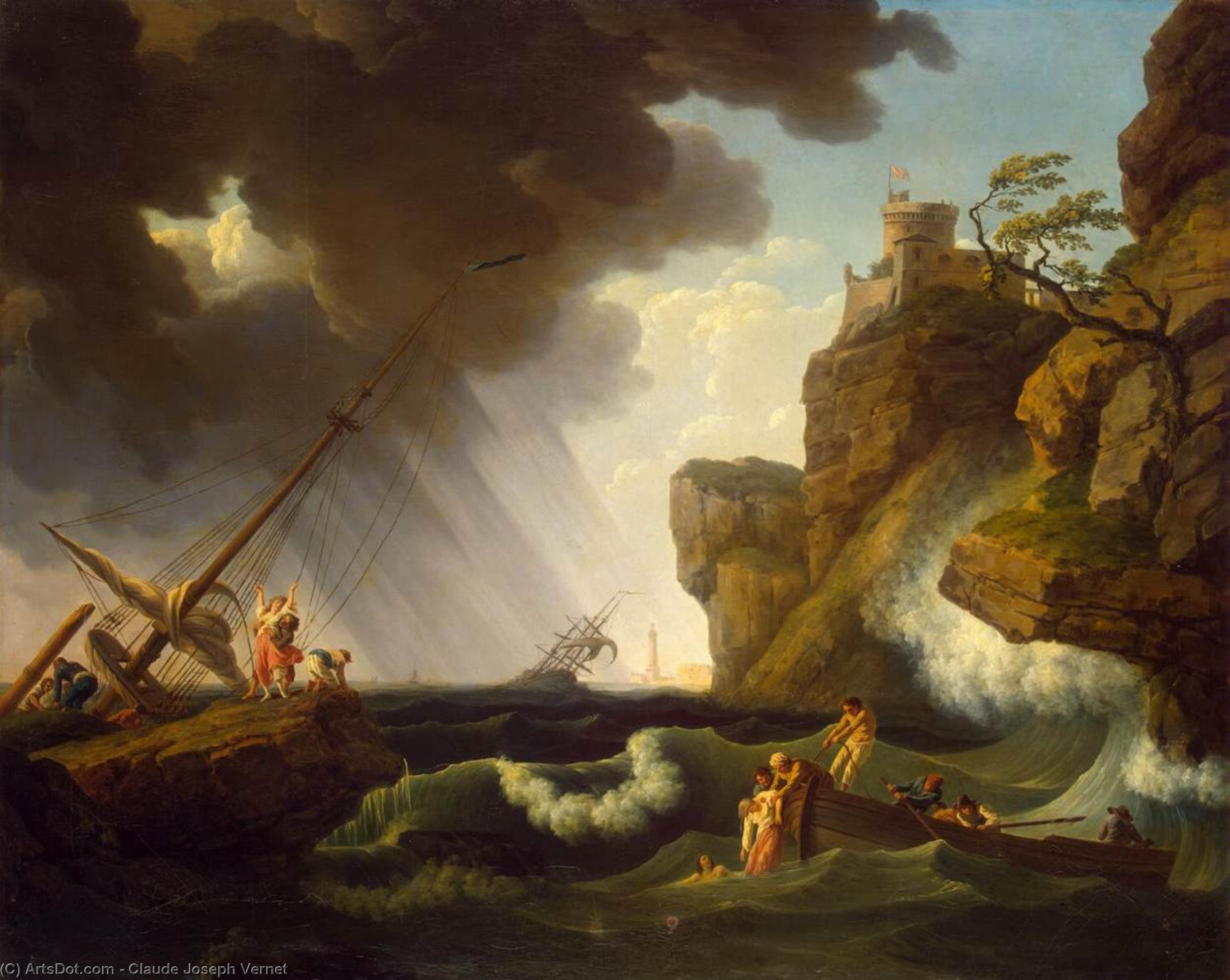
Shipwreck
 Oil On Canvas
- WallArt
- Romantic Landscape
 1763
1763- Early Modern
 102.0 x 126.0 cm
 Ermitáž
Experience Vernet’s Romantic masterpiece—a tempestuous seascape brimming with dramatic chiaroscuro and expressive brushstrokes! This monumental 1763 oil painting captures the sublime terror of a shipwreck, reflecting Enlightenment ideals and inviting you to explore its timeless beauty.
 Prečítať si viac
Objavte Claude-Joseph Verneta (1714-1789), francúzskeho maliara atmosférických morských scenérií, dramatických búrok a elegantných jazdeckých motívov. Preskúmajte jeho odkaz na TopImpressionists!
Giclée / Umenotlač
Giclée tlač alebo plátno múzeálnej kvality s rýchlou výrobou a rôznymi možnosťami povrchovej úpravy. ( Objednať ručne maľovanú reprodukciu Prepnúť na digitálnu verziu obrazu)




P118B $10

P118H $10

P118W $10

P438Z $10

P508JH $12

P508YH $12

P805H $10

P805Z $10

P919BZ $10

P919G $10

P919XJ $10

P959ZH $10

P968JZ $12

W106C $8

W218G $10

W218JH $8

W218Y $10

W307PJ $10

W316G $10

W316PJ $8

W316Y $10

W398PJ $8

W4111J $10

W500HY $15

W500JH $15

W692G $12

W849H $8

W940BG $15

W953PJ $8




Štandardné rozmery
na mieru
CM
INCH
Vyberte si z našich preddefinovaných rozmerov, ktoré zodpovedajú pôvodným pomeroḿ diela.
Loading sizes...

šírka
výška
Môžete zadať vlastné rozmery, aby sa reprodukcia prispôsobila konkrétnemu rámu alebo priestoru. Ak zvolená veľkosť nebude zodpovedať proporciám originálu, dielo buď orežeme, alebo obraz rozšírime pomocou zrkadlenia či farebného doplnenia okrajov. Pred začatím výroby vám pošleme digitálnu ukážku na schválenie.
Máte na vedomí, že náhľad na obrazovke neodzrkadľuje skutočné orezanie alebo rozšírenie. Len digitálna ukážka presne zobrazí finálnu kompozíciu.
Hoci sú k dispozícii vlastné rozmery, pre zachovanie pôvodných proporcií odporúčame vybrať si rozmer z vopred definovaného zoznamu.
Celosvetová doprava () do 2 týždňov namiesto štandardných 4 až 5 týždňov. (26 september)

Bezplatná expresná doprava po celom svete

Vysokokvalitné lnianske plátno

Úplné poistenie prepravy

Záruka vrátenia colného poplatku

Záruka presného farebného zhodnutia

100-dená politika vrátenia tovaru (iba pri vadách)

100% záruka vrátenia peňazí

Ponuka množstevnej zľavy
 Možnosť skla je dostupná len pri rozmeroch pod 110 cm

Shipwreck
Giclée / Umenotlač
Veľkosť reprodukcie
-


Celková cena
$ 69
A Tempestuous Vision of Sublime Terror
Claude Joseph Vernet’s “Shipwreck” is far more than a mere depiction of maritime disaster; it is a profound cornerstone of Romantic landscape painting that captures the very essence of human vulnerability. Completed in 1763, this oil on canvas masterpiece invites viewers into a world where the boundaries between awe and terror dissolve. The scene unfolds with a panoramic intensity, dominated by turbulent, churning seas and brooding, heavy skies that seem to press down upon the frantic figures below. As one gazes upon the work, the sheer scale of the ocean’s fury becomes palpable, establishing a sense of sublime drama that was revolutionary for its era. The composition is masterfully orchestrated to guide the eye through the chaos, from the splintering wood of the vessel to the desperate movements of the crew, creating a visceral experience that resonates long after the first encounter.
The technical brilliance of Vernet lies in his ability to translate raw, elemental energy into tangible paint. Eschewing the polished, idealized surfaces favored by Neoclassical contemporaries, Vernet embraced a more expressive and textured approach. He utilizes chiarosc lately—the dramatic interplay between piercing light and deep, swallowing shadows—to sculpt the forms of the ship and its passengers against the immense backdrop of the storm. His brushwork is notably loose and energetic, employing thick layers of impasto to mimic the frothing whitecaps of the waves and the heavy, moisture-laden atmosphere of a tempest. This tactile quality adds a layer of physical realism to the scene, making the spray of the salt water and the weight of the wind feel almost touchable to the observer.
The Philosophy of the Sublime and Historical Resonance
To understand “Shipwreck,” one must look toward the intellectual currents of the Enlightenment. During this period, philosophers such as Edmund Burke were deeply preoccupied with the concept of the sublime—the idea that beauty could be found in things that are simultaneously terrifying and overwhelming. Vernet’s work serves as a visual manifesto for this philosophy. By presenting the small, frantic figures of the shipwrecked crew against the infinite, uncontrollable power of nature, he highlights the fragility of human existence. The painting does not merely document a nautical accident; it explores the psychological state of confronting an immense force that is indifferent to human life. This tension between the monumental landscape and the minute, struggling human element provides a profound emotional depth that continues to captivate modern audiences.
For the discerning collector or interior designer, “Shipwreck” offers more than just aesthetic beauty; it brings a commanding presence and a narrative soul to any space. The painting’s dramatic tonal range—from charcoal grays to brilliant, light-pierced crests—allows it to serve as a powerful focal point in sophisticated settings. Whether placed in a grand library or a contemporary living space, the artwork evokes a sense of history, adventure, and deep contemplation. A high-quality reproduction of this masterpiece allows one to possess a fragment of the Romantic era, bringing the timeless, haunting beauty of Vernet’s maritime vision into the modern home, where it can continue to inspire awe and wonder.
Biografia umelca
Majster námornej svetlosti: Život a umenie Claude-Joseph Verneta
Claude-Joseph Vernet, narodený v Bordeaux v roku 1714, nebol od začiatku predurčený k tým grandióznym krajinám a dramatickým moriam, ktoré by definovali jeho odkaz. Jeho prvé umelecké sklony odhalili fascináciu koňmi – vášeň zreteľnú už v detstve, keď kreslil tieto ušľachtilé tvory od svojich piatych rokov. Táto skorá oddanosť anatómii zvierat, najmä forme koňa, by subtílne informovala jeho neskoršiu prácu a dodala dynamickú energiu a realitu postavám v širších kompozíciách. Vernetovo formálne vzdelávanie začalo pod vedením jeho otca, Antoina Verneta, dekoratívneho maliara, a Nicolasa-Bernarda Lépiciého, čo mu poskytlo pevné akademické základy predtým, ako sa vydal do umeleckého srdca Európy: Ríma. Práve v Taliansku skutočne objavil svoje povolaním, očarený nielen klasickými krajinami, ale aj surovou silou a krásou mora. Pohľad na veľryby pri pobreží Marseille sa ukázal ako prelomový moment, ktorý zapálil celoživotnú obsesiu námornými motívmi.Od štúdií v Ríme k kráľovským povierkam
Vernetov čas v Ríme nebol len o kopírovaní existujúcich štýlov; bol to ponorený študijný proces svetla, atmosféry a vzájomného pôsobenia človeka a prírody. Absorboval vplyvy majstrov ako Claude Lorrain a Salvator Rosa, miešajúc ich prístupy do jedinečnej osobnej vízie. Kým Lorrain ponúkal idealizovanú pokojnosť, Rosa poskytovala dramatickú intenzitu – Vernet zručne syntetizoval tieto prvky a vytváral scény, ktoré boli vizuálne ohromujúce a zároveň emocionálne rezonujúce. Po návrate do Francúzska v roku 1753 sa Vernetov talent rýchlo získal uznanie. Prelomový moment nastal s povahou od kráľa Ľudvíka XV namaľovať sériu pohľadov na francúzske prístavné mestá. Tento ambiciózny projekt – nakoniec zahŕňajúci pätnásť obrazov – ustanovil Verneta ako popredného morského maliara svojej doby. Neboli to len topografické záznamy; boli to evokujúce zobrazenia národnej hrdosti, ktoré prezentovali námornú moc Francúzska a jej spojenie s morom. Intérieur du port de Marseille (1754) nie je len zámerom rušného prístavu – je to óda na obchod, priemysel a pulzujúci život mesta.Odkaz vyrytý do svetla a búrlivosti
Vernetova umelecká zručnosť spočívala nielen v jeho presnom vykreslení lodí a prístavov, ale aj v jeho majstrovskom spracovaní svetla a atmosféry. Rozumel tomu, ako slnečné lúče prebleskujú vodou, ako sa zhromažďujú mraky pred búrkou a ako tieto prvky môžu dramaticky zmeniť náladu scény. Jeho obrazy často zobrazujú dramatické oblohy, burácajúce vody a postavy zachytené v momentoch nebezpečenstva aj odolnosti. A View of the Port of Naples with Mount Vesuvius in the Background (1774) je toho príkladom – impozantná prítomnosť Vesuvu sa týči nad rušným prístavom, pripomienka moci prírody a zároveň zdôrazňuje ľudskú aktivitu. Táto schopnosť vyvážiť grandióznu slávu a intímnosť je charakteristickým znakom jeho práce. Okrem námorných scén Vernet skúmal aj krajiny a lovné motívy, pričom si vždy zachoval bystrý zrak pre detail a porozumenie anatómie zvierat – schopnosť zdokonalenú v detstve.Rodina, vplyv a trvalá významnosť
Umelecké rodinné dedičstvo pokračovalo s Vernetovým synom, Antoine Charles Horace Vernetom (známym aj ako Carle Vernet), ktorý nasledoval stopy svojho otca a dosiahol slávu pre svoje dynamické bitky a lovné umenie. Toto rodinné spojenie podčiarkuje dôležitosť tradície a mentorstva v rámci francúzskej umeleckej komunity 18. storočia. Vplyv Claude-Joseph Verneta sa rozsiahol aj mimo jeho bezprostrednej rodiny; pomohol povýšiť krajinomaľbu na významné postavenie vo francúzskom umení. Jeho práca pripravila cestu pre neskoršie generácie umelcov, inšpirovala ich k skúmaniu krásy a moci prírodného sveta. Hoci zomrel v roku 1789, na prahu revolučných zmien, Vernetov odkaz pretrváva. Jeho obrazy naďalej očarujú divákov svojou atmosférickou hĺbkou, technickou brilantnosťou a evokujúcim príbehom – svedectvom života venovaného zachyteniu podstaty svetla, mora a ľudského ducha.
Klaudius-Jozef Vernet
1714 - 1789 , Francúzsko
Rýchle fakty
- Artistic Movement Or Style: Krajina, Morská krajina
- Artists Or Movements Influenced By This Artist: ['Antoine Charles Horace Vernet']
- Artists Who Influenced This Artist:
- Claude Lorrain
- Bernardino Fergioni
- Date Of Birth: 14. august 1714
- Date Of Death: 1789
- Full Name: Claude-Joseph Vernet
- Nationality: Francúzska
- Notable Artworks:
- Intérieur du port de Marseille
- A view of the port of Naples
- Place Of Birth: Bordeaux, Francúzsko
Súvisiace články

Capturing the Soul: The Emotional Magic and Sublime Grandeur of Romantic Landscape Painting
Explore the profound emotional depth of Romantic landscape painting. Discover how masters like Friedrich and Turner captured the sublime through light, shadow, and nature's power in this expert art history retrospective for discerning collectors.
Preskúmajte umelecká diela usporiadané podľa tém, štýlov a charakteristík.


