


 Zobraziť v interiéri
 Odoslať
 Zdieľať
 Podrobnosti
 Príručka

 Stiahnuť
 Podobné položky
 RTG skúška
 Prehliadanie diapo\]
 Štatistiky
St.Martin


Experience the vibrant energy of Edouard Cortès' Post-Impressionist cityscapes capturing Parisian life; own a piece of this bustling artistic history today.
 Prečítať si viac
Edouard Cortés – Parížsky poet maľby! Jeho živé, atmosférické krajinky zachytávajú dušu Paríža a každodenný život s nádychom melanchólie. Objevte jeho unikátny svet!
Umelecké dielo zobrazené na tejto stránke je chránené autorským zákonom, čo znamená, že nemôžeme legálne vytvárať ani predávať jeho identickú reprodukciu. Táto ochrana je vymáhaná na základe medzinárodných dohôd, ako napríklad Bernská konvencia a národnými zákonmi, vrátane tých, ktoré sú stanovené v Autorské právo USA – Title 17. Všetky práva vyhradené.
Táto metóda plne dodržiava autorské práva, pretože nezahŕňa kopírovanie ani duplikovanie chráneného diela. Ide skôr o kreatívnu reinterpretáciu – nový obraz, ktorý je ovplybnený originálom, no nie je s ním identický.
Giclée / Umenotlač
Giclée tlač alebo plátno múzeálnej kvality s rýchlou výrobou a rôznymi možnosťami povrchovej úpravy. ( Objednať ručne maľovanú reprodukciu Prepnúť na digitálnu verziu obrazu)




P118B €10

P118H €10

P118W €10

P438Z €10

P508JH €12

P508YH €12

P805H €10

P805Z €10

P919BZ €10

P919G €10

P919XJ €10

P959ZH €10

P968JZ €12

W106C €8

W218G €10

W218JH €8

W218Y €10

W307PJ €10

W316G €10

W316PJ €8

W316Y €10

W398PJ €8

W4111J €10

W500HY €15

W500JH €15

W692G €12

W849H €8

W940BG €15

W953PJ €8




Štandardné rozmery
na mieru
CM
INCH
Vyberte si z našich preddefinovaných rozmerov, ktoré zodpovedajú pôvodným pomeroḿ diela.
Loading sizes...

šírka
výška
Zadajte šírku a výšku, ktoré potrebujete, aby sa reprodukcia hodila k vášmu rámu alebo stene. Print možno len orezávať, nikdy však nemennú veľkosť zvětšiť oproti pôvodnému obrázku, preto pri inom formáte stráca časť obrazu. Pred samotným vytlačiacím procesom vám pošleme digitálny náhľad na schválenie. Obrázok zobrazený na tejto stránke nezobrazuje reálny rez — len digitálny náhľad ukazuje presný výsledok.
Celosvetová doprava () do 2 týždňov namiesto štandardných 4 až 5 týždňov. (27 október)

Bezplatná expresná doprava po celom svete

Vysokokvalitné lnianske plátno

Úplné poistenie prepravy

Záruka vrátenia colného poplatku

Záruka presného farebného zhodnutia

100-dená politika vrátenia tovaru (iba pri vadách)

100% záruka vrátenia peňazí

Ponuka množstevnej zľavy
 Možnosť skla je dostupná len pri rozmeroch pod 110 cm

St.Martin
Giclée / Umenotlač
Veľkosť reprodukcie
-


Celková cena
€ 61
The Vibrant Pulse of Urban Life in Edouard Cortès' St. Martin
To stand before Edouard Cortès’ depiction of St. Martin is to be instantly enveloped by the exhilarating, yet strangely comforting, rhythm of city life itself. This painting is far more than a mere snapshot of a bustling Parisian thoroughfare; it is a vibrant meditation on human connection and the ceaseless energy that defines urban existence. Cortès, known as the “Parisian Poet of Painting,” possessed an unparalleled gift for capturing not just what Paris looked like, but how it felt to inhabit its winding streets. The scene explodes with life—pedestrians meandering along the sidewalk, the gleam of passing automobiles, and the occasional flash of a bicycle wheel—all woven together under the watchful gaze of the magnificent Porte St. Martin archway, which anchors the entire composition.
A Masterclass in Post-Impressionist Color and Movement
Stylistically, this work is a quintessential example of Post-Impressionism. Cortès moves beyond the fleeting immediacy of pure Impressionism, imbuing his subject matter with a deeper sense of structure, emotional resonance, and vivid color theory. Observe the palette: it is dominated by warm, golden tones that seem to emanate from the very cobblestones beneath the tires. These colors do not just decorate the scene; they evoke a profound sense of joie de vivre, a joyous appreciation for being alive in this moment. The technique itself speaks volumes through its bold and expressive brushstrokes. They are visible upon close inspection, lending a dynamic, almost palpable energy to the canvas, suggesting movement even where objects appear stationary.
Compositional Depth: Light, Shadow, and Human Detail
Cortès’ genius lies in his masterful handling of depth and light. The interplay between deep shadows cast by the architecture and the bright highlights catching on passing vehicles creates a remarkable dimensionality. Your eye is naturally drawn through the composition, guided first to the focal point—the grand archway—and then allowed to wander down the receding lines of the street. Beyond the major elements, notice the subtle details: the casually placed handbags near the foreground corners, the variety of vehicles from classic cars to motorcycles. These small inclusions ground the monumental scene in relatable human experience, suggesting a life lived fully and without pretense.
Bringing Parisian Energy Home
For the collector or designer seeking an artwork that breathes narrative into a space, St. Martin offers unparalleled emotional impact. It is art that refuses to be passive; it demands engagement. Owning a reproduction of this piece means inviting a piece of historical Parisian dynamism into your own home or gallery. It speaks to a timeless human condition—the beautiful chaos of gathering in public spaces. Whether you are drawn to the warmth of its golden hues, the energy of its depicted motion, or the sheer romance of its subject matter, Cortès’ vision ensures that this painting remains an enduring celebration of life in the great city.
Otázky a odpovede
Je „St.Martin“ od Edouard Cortès portrétna, krajinárska alebo štvorcová kompozícia?
„St.Martin“ od Edouard Cortès má formát Landscape. Formát určuje pomer strán kompozície.
Akú paletu a aký pocit spája dielo "St.Martin"?
Earthy paleta diela „St.Martin“ od Edouard Cortès sa harmonicky spája s jeho Joyful emocionálnym tónom. Farba je jedným zo spôsobov, akými dielo vyjadruje emócie.
Kde sa nachádza „St.Martin“ v rámci opakujúcich sa tém umelca Edouard Cortès?
„St.Martin“ zobrazuje cityscape, urban life, street scene, bustle, architecture, people, transportation, zatiaľ čo zaznamenané témy umelca Edouard Cortès zahŕňajú parisian city life depiction, post-impressionist energy capture, everyday urban activity focus, capturing modern parisian spirit. Porovnanie týchto dvoch aspektov ukazuje, ako sa toto dielo viaže na bežné témy tohto umelca.
Súvisiace diela




Biografia umelca
The Parisian Poet: A Life in Light and Shadow
Édouard Léon Cortès, známy ako “Le Poète Parisien de la Peinture” – Parížsky poet maľby, nebol narodený v blúzkach a závojoch sveta, ktorý tak podrobne zachytával na plátne. Jeho pôvod mal hlboké korene v Lagny-sur-Marne, pokojnom mestečku východne od Paríža, kde sa predstavil do sveta 6. augusta 1882. Hoci Francúzsko bolo jeho domovom, umelecká dedina pretekala jeho žilami prostredníctvom jeho španielskeho otca, Antonia Cortésa, malého umelca, ktorý kedysi slúžil španielsky kráľovský dvôr. Toto dedenie vložilo do mladého Édouarda skoré uznanie pre umenie a záväzok k zdokonalovaniu jeho zručností. Začal formálne štúdovať na École des Beaux-Arts v Paríži už v trinástich rokoch, ponorený do techník majstrov zatiaľ čo zároveň vytváral svoj vlastný jedinečný smer. Už vtedy mal Cortès divoký a nezávislý duch, hravo odmietajúc návrhy, že je len študentom konkrétneho maľby, vyhlásil sa za “študenta sám seba”. Tento sebavedomie by sa stalo charakteristickým znakom jeho kariéry a umeleckej vize.Capturing the Soul of Paris
Názov Cortès sa stal synonymom parížskych panorám. Nevidel budovy len tak, ako boli – mal ich cítiť. Mal ich maľovať atmosféru – jemné svetlo päsťa na dažďovej šmirhajúcej chodbe, živú energiu bulvárov plných života, tichú intimitu kavičiarne rozvíjajúcej sa pod hmlistým oblakom. Jeho diela neboli o monumentálnych pamäťníkoch alebo historických udalostiach, ale skôr o každodennom poéziu parížskeho života. Mal neobvyklú schopnosť zachytiť mihotavé okamihy – lúč slnka osvetľujúci Notre Dame, živé farby odrážajúce sa v rybníku po daždi, tichý predpoklad pred vystúpením na opere. Neboli to idealizované obrazy; boli to úprimné portréty mesta plného života, krásy a štipoty. Jeho paleta privilégiovane preferovala tlmené tóny, zručným spôsobom zmiešané tak aby vyvolali náladu a atmosféru, často používali odtiene šedivej, modrej a hliníkovej farby, ktoré dokonale odrážajú parížskú klímu. Nebol zaujatý radikálnymi experimentmi alebo abstraktnými formami; jeho zameranie zostalo pevne zamerané na reprezentáciu sveta tak ako ho videl – krásny, mihotavý a hlboko evokujúci.A Soldier's Brush: War and Resilience
Idylický svet Cortèsa mal byť roztrasený vypuknutím Prvej svetovej vojny. Hoci bol zameraný na mier, povinnosť zavolala a v dvadsiatich troch rokoch sa dobrovoľne zapojil do francúzskej pechoty. Závažnosť vojny hlboko ovplyvnila jeho život, no aj medzi chaosem a ničím jeho umelecký duch prežil. Ránenec skoro v konflikte bol presunutý na využitie svojho talentu na kreslenie, kde bol poverený mapovaním nepriateľských pozícií. Táto skúsenosť, hoci strašidelná, pravdepodobne zjemnila jeho vnímavosť a prehĺbila jeho uznanie pre krehkosť života – témy, ktoré subtílne prenikli do jeho neskorších diel. Odmietol ponúknutú Légion d’Honneur od francúzskej vlády, čo bolo dôkazom jeho neochvěného mierového presvedčenia. Osobná tragédia sa stala počas tejto doby; jeho prvá manželka, Fernande Joyeuse, zomrela v roku 1918 a nechala za sebou dcéru, Jacqueline Simone. Neskoršie zosobášil Fernandinu sestru, Lucienne Joyeuse, nájdenie útočiska a spriatelia medzi trvalými tieňmi vojny.Recognition and Legacy
Po skončení vojny prosperovala kariéra Cortèsa. Jeho diela boli prvé vystavené v Severnej Amerike v roku 1945, čím sa predstavili parížske scény širšiemu publiku a upevnil si medzinárodný pomer. Pokračoval v maľovaní s produktivitou, zachytával sa meniaceho sa tváre Paríža zatiaľ čo zostával verný svojmu charakteristickému štýlu. V poslednom roku, v roku 1969, dostal prestížny Prix Antoine-Quinson od Salon de Vincennes – vhodná ošiaľ za celoživotný záväzok k umeleckému vyjadreniu. Cortès žil pozoruhodný jednoduchý život, obklopený blízkymi priateľmi a venovaný svojej práci. Zomrel 26. novembra 1969 v Lagny-sur-Marne, zanechal za sebou rozsiahly počet diel, ktoré stále fascinujú milovníkov umenia po celom svete. Dnes sa na jeho počesť mení ulica v jeho rodnom meste – trvalý dôkaz “Parížskeho básnika”, ktorý immortalizoval dušu mesta na plátne. Jeho diela zostávajú veľmi žiadané, nie len ako dekoratívne kusy, ale aj ako okná do dávnej minulosti – pohľady na Paríž, ktorý dnes existuje skôr prostredníctvom jeho evokujúcich a trvalých umenie.Influences and Artistic Kinship
Hoci Cortès vyvinul jedinečný osobný štýl, v jeho dielach je možné zistiť odlesky iných majstrov. Atmosférické efekty a jemné svetlo pripomínajú impresionistov, najmä Camille Pissarra a Alfreda Sisleyho. Avšak nemali ich zameranie na čistú optickú vnímavosť, ale skôr sa venovali vyjadreniu emócií a významu. Jeho záväzok k zachytávaniu mihotavých okamihov ho spája s realistmi, no jeho romantizovaný obraz Paríža ho posúva nad rámec jednoduchého dokumentovania. Nebol úmyselné replikovať realitu presne; snažil sa zachytiť jej esenciu, náladu a poéziu. Umelci ako Frederick Soulacroix a Paul Gauguin, hoci boli odlišní v svojich štýloch, zdieľali s Cortèsom fascináciu zachytávaním duše miesta a jeho ľudí, imbačiac ich plátna pocitom atmosféry a emócie. Jeho dedenie nespočíva v tom, že by revolucionalizoval maľbu, ale v tom, že dokonal špecifický pohľad – hlboko osobné a podmanivé portréty Paríža, ktoré stále rezonujú s publikom dnes.
Edouard Cortès
1882 - 1969 , Francúzsko
Rýchle fakty
- Artistic Movement Or Style: Pošt-impressionizmus
- Artists Or Movements Influenced By This Artist:
- Boudin
- Gauguin
- Artists Who Influenced This Artist:
- Pissarro
- Sisley
- Date Of Birth: 6 august 1882
- Date Of Death: 26 november 1969
- Full Name: Edouard Leon Cortes
- Nationality: Francúzsky
- Notable Artworks:
- Boulevard a Paris
- Tá Barikáda
- Place Of Birth: Lagny-sur-Marne, Francúzsko
Súvisiace články

Beyond the Light: Discovering the Soul and Emotional Depth of Post-Impressionism
Embark on a cultural journey through Post-Impressionism. Discover the profound emotional depth of masters like Van Gogh and Cézanne, exploring how they moved beyond light to capture the very soul of human experience through vibrant color and symbolic form.
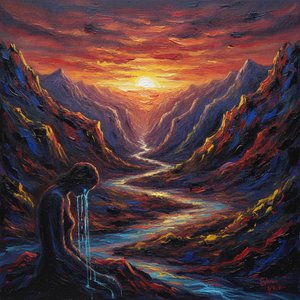
Capturing Emotion: A Journey Through the Soul of Expressionist Landscapes
Explore the profound emotional depth of Expressionist landscapes. Discover how Post-Impressionist masters moved beyond light to capture the soul through vibrant color and form. A curated journey for true art lovers seeking the beauty of expressive mastery.