

 Zobraziť v interiéri
 Odoslať
 Zdieľať
 Podrobnosti
 Príručka

 Stiahnuť
 Podobné položky
 RTG skúška
 Prehliadanie diapo\]
 Štatistiky
Čašníkova


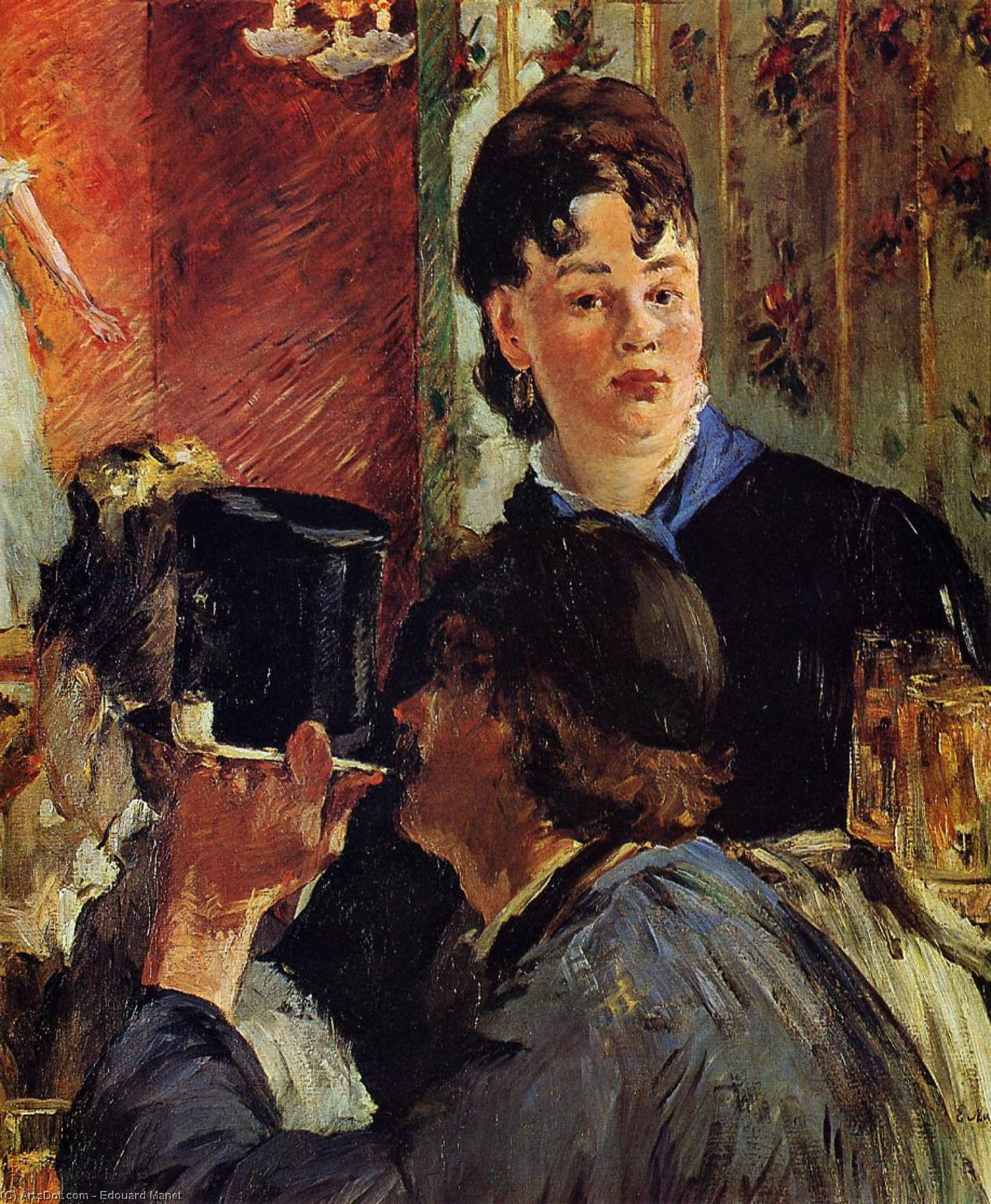
Pozrite si výjav Čašníkovej od Édouarda Maneta – ikonického obrazu impresionizmu prezentovaného v Louvri. Tento umelecký diel zachytáva každodenné životné prostredie Paríža s použitím svetlostiennych technik.
 Prečítať si viac
Objavte Édouarda Maneta (1832-1883), kľúčovú postavu medzi realizmom a impresionizmom! Pozrite si ikonické diela ako 'Raňajky v tráve' a jeho trvalý vplyv na moderné umenie.
Giclée / Umenotlač
Giclée tlač alebo plátno múzeálnej kvality s rýchlou výrobou a rôznymi možnosťami povrchovej úpravy. ( Objednať ručne maľovanú reprodukciu Prepnúť na digitálnu verziu obrazu)




P118B €10

P118H €10

P118W €10

P438Z €10

P508JH €12

P508YH €12

P805H €10

P805Z €10

P919BZ €10

P919G €10

P919XJ €10

P959ZH €10

P968JZ €12

W106C €8

W218G €10

W218JH €8

W218Y €10

W307PJ €10

W316G €10

W316PJ €8

W316Y €10

W398PJ €8

W4111J €10

W500HY €15

W500JH €15

W692G €12

W849H €8

W940BG €15

W953PJ €8




Štandardné rozmery
na mieru
CM
INCH
Vyberte si z našich preddefinovaných rozmerov, ktoré zodpovedajú pôvodným pomeroḿ diela.
Loading sizes...

šírka
výška
Zadajte šírku a výšku, ktoré potrebujete, aby sa reprodukcia hodila k vášmu rámu alebo stene. Print možno len orezávať, nikdy však nemennú veľkosť zvětšiť oproti pôvodnému obrázku, preto pri inom formáte stráca časť obrazu. Pred samotným vytlačiacím procesom vám pošleme digitálny náhľad na schválenie. Obrázok zobrazený na tejto stránke nezobrazuje reálny rez — len digitálny náhľad ukazuje presný výsledok.
Celosvetová doprava () do 2 týždňov namiesto štandardných 4 až 5 týždňov. (25 október)

Bezplatná expresná doprava po celom svete

Vysokokvalitné lnianske plátno

Úplné poistenie prepravy

Záruka vrátenia colného poplatku

Záruka presného farebného zhodnutia

100-dená politika vrátenia tovaru (iba pri vadách)

100% záruka vrátenia peňazí

Ponuka množstevnej zľavy
 Možnosť skla je dostupná len pri rozmeroch pod 110 cm

Čašníkova
Giclée / Umenotlač
Veľkosť reprodukcie
-


Celková cena
€ 61
The Waitress (also known as The Beer Serving Girl) – A Snapshot of Parisian Life
Édouard Manet’s “The Waitress,” or “The Beer Serving Girl,” painted in 1878 and currently residing at the Musée du Louvre, stands as a cornerstone of Impressionism and Realism alike. More than just a depiction of a café scene, it's a profound meditation on modernity—a moment frozen in time that captures the spirit of late nineteenth-century Paris with remarkable acuity.
Composition and Technique: Embracing Light and Atmosphere
Manet skillfully employs Impressionist techniques to convey not merely what he sees but how he *feels* about it. The painting’s triangular composition draws the eye upwards towards the woman in black, whose gaze engages directly with the viewer—a bold move for its time. Rapid brushstrokes create a sense of movement and immediacy, capturing the fleeting effects of light on surfaces. Notice particularly how Manet renders the reflections from the bottles on the table; these aren’t meticulously rendered details but rather luminous patches that contribute to the overall atmosphere.
Historical Context: Challenging Academic Conventions
Painted during a period of significant artistic upheaval, “The Waitress” represents a decisive break from the rigid formalism of academic painting. Manet deliberately eschewed idealized representations and instead opted for an unflinching portrayal of everyday life—a deliberate provocation against the prevailing artistic sensibilities. This decision aligns perfectly with the broader Impressionist movement’s rejection of traditional subject matter and stylistic approaches, marking a pivotal moment in art history.
Symbolism: Beyond Mere Observation
While seemingly simple on the surface, “The Waitress” is laden with symbolic significance. The woman's posture—relaxed yet watchful—suggests a quiet defiance against societal expectations. Her gaze challenges the viewer to confront the complexities of human experience and invites contemplation about identity and perception. Furthermore, the café setting itself symbolizes social interaction and urban life—themes that were central to Impressionist artists’ concerns.
Emotional Impact: Capturing Transient Beauty
"The Waitress" resonates deeply with viewers because it succeeds in conveying a palpable sense of emotion—a subtle melancholy mingled with an awareness of the beauty inherent in ordinary moments. Manet's masterful use of color and light evokes feelings of warmth, intimacy, and contemplation. It’s a painting that reminds us to appreciate the fleeting beauty of life and to find inspiration in unexpected places.
Otázky a odpovede
Aká veľkosť je pre „Čašníkova“ odporúčaná do Obývací pokoj?
Pre Obývací pokoj je odporúčaná veľkosť vytlačenej verzie diela „Čašníkova“ od Édouard Manet Veľká formátová úroveň.
O čom je dielo "Čašníkova" a akú atmosféru vyžaruje?
„Čašníkova“ zobrazuje waitress, café, paris, 1878, service, leisure, observation, everydaylife a jeho zachytená nálada je Elegantná klasika.
Ako je vybudovaná farebná kompozícia diela „Čašníkova“ od Édouard Manet?
Farebná kompozícia diela „Čašníkova“ od Édouard Manet spája Vyvážený kontrast s Vyvážená harmónia harmóniou.
Súvisiace diela


Biografia umelca
Parížsky rebel: Život a dielo Édouarda Maneta
Édouard Manet, narodený v roku 1832 v komfortnej buržoáznej rodine v Paríži, nebol predurčený k životu umeleckého revolucionára. Jeho otec, vážený sudca, si pre syna predstavoval istú budúcnosť právnika alebo možno námorníka – rešpektovateľné povolania zodpovedajúce ich spoločenskému postaveniu. Už ako chlapec však Manetovo srdce patrilo umeniu. V jedenástich rokoch začal s formálnymi lekciami kreslenia a hoci krátko pracoval ako učeň u akademického maliara Thomasa Couturea, rýchlo mu jeho prísne metódy pripadali obmedzujúce. Táto skorá vzopora predznamenala celoživotnú snahu o spochybňovanie umeleckých konvencií. Maneta nezaujímalo len kopírovanie minulosti; hľadal zachytiť vitalitu – a niekedy aj znepokojujúcu realitu – moderného parížskeho života. Často navštevoval Louvre, nie však iba na kopírovanie starých majstrov, ale aby rozoberal ich techniky, učiac sa od umelcov ako Caravaggio a Velázquez, ako svetlo a tieň môžu formovať tvar a vyvolávať emócie. Skutočným impulzom pre jeho tvorivú cestu však bola zmena v umeleckých prúdoch, najmä vzostup realizmu presadzovaný Gustavem Courbetom. Courbetova naliehavosť zobrazovať každodenný život bez idealizácie hlboko zarezonovala s Manetom a oslobodila ho od obmedzení historických alebo mytologických tém.Prelomenie tradície: Škandály a inovácie
60. roky 19. storočia znamenali obdobie intenzívnej umeleckej fermentácie v Paríži a Manet sa ocitol v jej centre. Príchod japonských grafík – *ukiyo-e* – hlboko ovplyvnil jeho estetické cítenie. Bol očarený ich sploštenými perspektívami, odvážnymi kompozíciami a výrazným využívaním farieb, prvky ktoré sa stali charakteristickými znakmi jeho vlastného štýlu. Tento vplyv, spojený s jeho rastúcim odmietaním akademickej leštenosti, ho priviedol k dielam, ktoré šokovali a skandilizovali parížsky umelecký svet. Le Déjeuner sur l'herbe (Raňajky v tráve), vystavené na Salóne odmietnutých v roku 1863 – výstave pre diela zamietnuté oficiálnym salónom – sa stalo ohniskom kontroverzie. Obraz, zobrazujúci nahú ženu bežné piknikujúcu s dvoma plne oblečenými mužmi, nebol len o nahote; išlo o *spôsob*, akým bola táto nahota prezentovaná. Manetove postavy nemali idealizované formy a mytologický kontext tradičných aktov. Boli jednoznačne moderné, konfrontovali diváka znepokojujúcou priamosťou. Škandál okolo Le Déjeuner sa ešte zintenzívnil jeho majstrovským dielom z roku 1865, Olympia. Tento obraz, zámerná reimaginácia Titianovej *Venuše z Urbina*, predstavoval súčasnú prostitútku odvážne hľadiacu na diváka. Neústupná realita a provokatívna téma sa stretli so všeobecným odsúdením. Kritici Maneta obviňovali z vulgarity a umeleckej nekompetentnosti, no pod hnevom sa skrývalo uznanie, že zásadne mení jazyk maľby.Most k impresionizmu: Svetlo, ťahy štetcom a moderný život
Hoci Manet nikdy plne neprijal označenie „impresionista“, jeho vplyv na toto hnutie bol nepopierateľný. Zdieľal ich odmietanie akademických konvencií a záväzok zachytiť prchavé efekty svetla a atmosféry. Vystavoval spolu s Monetom, Renoirom, Degasom a ďalšími na nezávislých výstavách impresionistov, čím si upevnil pozíciu kľúčovej postavy avantgardy. Manetova technika sa vyvinula smerom k voľnejšiemu ťahu štetcom, ktorý uprednostňoval dojem formy pred presným detailom. Experimentoval s farbou, často používal ostré kontrasty na vytvorenie dramatických efektov. Okrem škandalóznych aktov Manet skúmal širokú škálu tém: portréty – vrátane pôsobivých zobrazení svojej manželky Suzanne a maliara Émila Zolu; scény parížskeho nočného života, ako napríklad Bar v Folies-Bergère, ktorý majstrovsky zachytáva odcudzenie a spektakulárnosť moderného mestského života; a intímne domáce scény. Nedokumentoval tieto témy len; skúmal ich, spochybňoval spoločenské normy a vyzýval konvenčné predstavy o kráse.Odovzdané dedičstvo: Trvalý dopad
Predčasná smrť Édouarda Maneta v roku 1883 na syfilis ukončila kariéru, ktorá už nezvratne zmenila chod dejín umenia. Hoci jeho povesť výrazne vzrástla po jeho smrti, jeho dopad bol okamžite cítiť mladšími umelcami, ktorí v ňom uznali osloboditeľa. Zlomil bariéry, spochybňoval tradičné predstavy o témach, technikách a umeleckom účele.- Jeho dôraz na zachytávanie moderného života pripravil pôdu pre impresionizmus a postimpresionizmus.
- Jeho inovatívne využitie ťahov štetcom a farieb ovplyvnilo generácie maliarov.
- Jeho ochota konfrontovať nepríjemné pravdy o spoločnosti prinútila divákov spochybňovať vlastné predpoklady.

Édouard Manet
1832 - 1883 , Francúzsko
Rýchle fakty
- Artistic Movement Or Style: Realizmus, Impresionizmus
- Artists Or Movements Influenced By This Artist:
- Claude Monet
- Pierre-Auguste Renoir
- Edgar Degas
- Artists Who Influenced This Artist:
- Caravaggio
- Diego Velázquez
- Gustave Courbet
- Date Of Birth: 23. január 1832
- Date Of Death: 30. apríl 1883
- Full Name: Édouard Manet
- Nationality: Francúz
- Notable Artworks:
- Le Déjeuner sur l'herbe
- Olympia
- A Bar at the Folies-Bergère
- Place Of Birth (City And Country): Paríž, Francúzsko
Súvisiace články

Édouard Manet: Top 25 dielo pre váš domov – História umenia a luxusné reprodukcie | TopImpressionists
Objavte top 25 diel Édouarda Maneta – impresionistické majstrovské diela, realistické portréty a ikonické obrazy. Umenie pre váš domov s TopImpressionists.com! Kúpiť luxusné reprodukcie online.

Realizmus v umení: Top 10 diel pre váš domov a dušu | TopImpressionists
Ponorte sa do sveta realizmu s 10 ikonickými dielami od Courbeta, Maneta a ďalších majstrov. Objavte príbehy za slávnymi obrazmi a inšpirujte sa pre váš domov. Kúpiť kvalitné art reprodukcie na TopImpressionists.com!

Top 10 majstrovských diel impresionizmu: Umelci a obraky pre váš domov | .sk
Ponorte sa do sveta impresionizmu s 10 majstrovskými dielami od Monet, Renoir a ďalších. Objavte príbehy za ikonickými obrazmi a inšpirujte sa pre váš domov. Reprodukcie vysokej kvality na .

Édouard Manet: Pioneering Modernism & Challenging Artistic Conventions
Explore the life & art of Édouard Manet, a pivotal figure bridging Realism and Impressionism. Discover his revolutionary techniques, controversial masterpieces like 'Olympia,' and lasting impact on modern art history.

Impressionistic Realism's Finest: 10 Masterpieces for Your Home | TopImpressionists
Journey through Impressionistic Realism with 10 iconic masterpieces by Monet, Renoir & Van Gogh. Explore art history, techniques & find museum-quality reproductions for your home at TopImpressionists.com. Discover all masterpieces online!
Preskúmajte umelecká diela usporiadané podľa tém, štýlov a charakteristík.


