

 Zobraziť v interiéri
 Odoslať
 Zdieľať
 Podrobnosti
 Príručkovo

 Stiahnuť
 Podobné položky
 RTG skúška
 Prehliadanie diapo\]
 Štatistiky
Žiadosť o vystavenie


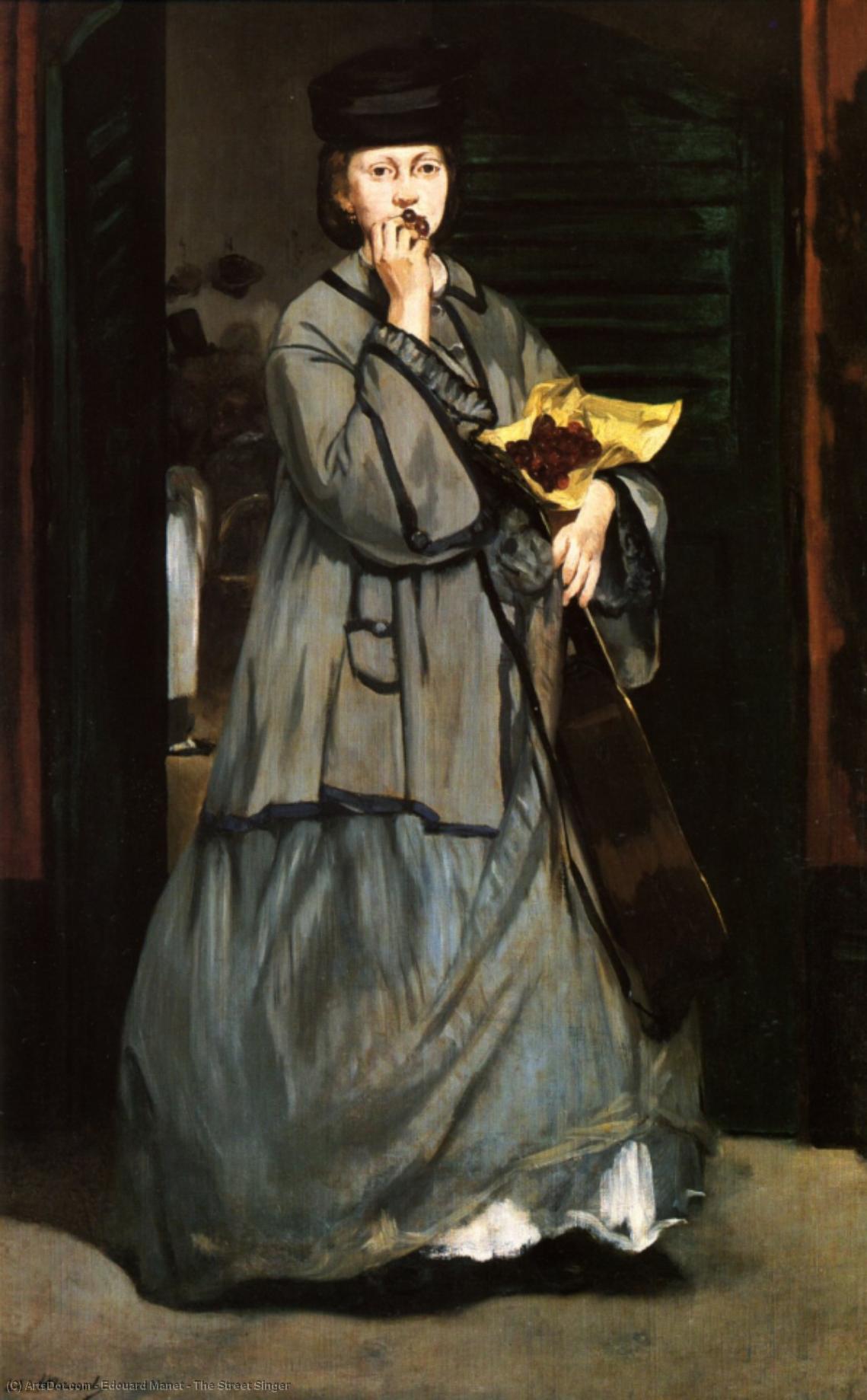
Pozrite si obraz Édouarda Maneta „Žiadosť o vystavenie“ – ikonický diel impresionizmu zobrazujúci ulicu Paríža s dômyselným osvetlením a upozornením na životné okolnosti doby. Výstavný objekt MFA Boston.
 Prečítať si viac
Objavte Édouarda Maneta (1832-1883), kľúčovú postavu medzi realizmom a impresionizmom! Pozrite si ikonické diela ako 'Raňajky v tráve' a jeho trvalý vplyv na moderné umenie.
Kúpte si digitálnu snímku vo vysokom rozlíšení s vylepšenými detailmi, ktorá je oveľa kvalitnejšia než online náhľad.
Každý súbor starostlivo pripravujú naši interní špecialisti pomocou pokročilých nástrojov a odborného manuálneho retušovania. Zabezpečujeme, aby každý obrázok disponoval výnimočnou čistotou, presnou farebnou vernosťou a jemnými detailmi.
Konečný súbor vám bude doručený e-mailom do 72 hodín, optimalizovaný pre okamžité použitie v profesionálnom, redakčnom aj tlačovom prostredí. Ponúkame rovnakú kvalitu, ktorej dôverujú špičkové dizajnérske štúdiá, vydavateľstvá a galérie.
Digitálny obraz
Stiahnite si vysokorozlíšený súbor na osobné zobrazovanie, tlačenie a kreatívne projekty. ( Prepnúť na tlač Objednať ručne maľovanú reprodukciu)
Súčasťou každej objednávky digitálneho obrazu
Profesionálne digitálne doručenie, garantované
Keď si vyberiete TopImpressionists.com, nezískate len obyčajný obrázok – získate profesionálne upravené digitálne umenie, vytvorené s maximálnou precíznosťou a podložené zárukou vašej spokojnosti. Tu je všetko, čo je súčasťou vašej objednávky automaticky:

Rýchle doručenie e-mailom
Vaša vysokorozlíšená digitálna súprava obrázkov vám bude zaslaná e-mailom do 72 hodín od objednávky – pripravená na okamžité použitie.

Digitálny súbor s vylepšením AI
Vaše dielo je profesionálne optimalizované pomocou pokročilých nástrojov umelej inteligencie a manuálnej úpravy, čo zaručuje maximálnu mieru detailov, čistotu a presnosť farieb.

Bezplatné celoživotné opätovné doručenie
Súbor ste náhodou zmazali alebo ste ho stratili? Nebojte sa – kedykoľvek vám ho môžeme poslať znova, úplne bez poplatkov.

Bez poplatkov za dovoz – navždy
Užite si svoje umelodelo okamžite bez colných poplatkov, daní alebo nákladov na dopravu – digitálne stiahnutia sú vždy oslobodené od dane.

Garantovaná presnosť farieb
Pomocou profesionálnych nástrojov a farebného manažmentu zabezpečujeme, aby vaša digitálna fotografia čo najpresnejšie odrážala pôvodné farby.

Záruka spokojnosti 100 dní
Ak nebudete spokojní so svojím digitálnym obrázkom, upravíme ho alebo vám v priebehu 100 dní vrátime 100% – bez zbytočných otázok.

100% Záruka vrátenia peňazí
Nie ste spokojní? Získajte plnú náhradu platby do 100 dní od prijatia digitálneho súboru – bez zbytočných otázok.

Zľavy pri veľkom odbere
Pri kúpe 3 obrázkov získate zľavu 10% - Pri kúpe 5 obrázkov získate zľavu 15% - Pri kúpe 10+ obrázkov získate zľavu 20%. Ideálne pre kreatívne projekty, galérie a agentúry.
The Enigmatic Street Singer: A Window into Parisian Life
Édouard Manet’s “The Street Singer,” painted in 1862, isn't merely a portrait; it’s a carefully constructed tableau vivant—a snapshot of urban life brimming with quiet observation and subtle social commentary. This captivating work, currently residing within the esteemed Museum of Fine Arts in Boston, offers a rare glimpse into the burgeoning modernism that was reshaping the art world at the time. It's a piece that invites prolonged contemplation, revealing layers of meaning beneath its seemingly simple composition.
At first glance, the painting presents a straightforward depiction: a young woman, Victorine Meurent, stands before a nondescript doorway, her hand delicately touching her face, a guitar case resting at her feet. The scene unfolds outdoors, subtly suggested by the presence of a stray cat nestled on the left side of the canvas – a detail that anchors the image firmly within the realities of Parisian streets. However, Manet’s genius lies in his masterful manipulation of light and shadow, creating an atmosphere of both intimacy and detachment. He employs a loose, expressive brushstroke—a hallmark of his style—that eschews the smooth, polished surfaces favored by academic painters. Instead, he uses visible strokes to build form and texture, imbuing the scene with a palpable sense of immediacy.
A Revolutionary Approach to Portraiture
“The Street Singer” represents a pivotal shift in Manet’s artistic trajectory and, more broadly, in the course of Western painting. Moving away from the idealized depictions prevalent in earlier portraiture, Manet presents his subject with an unvarnished honesty. Victorine's face is not meticulously rendered; instead, it possesses a certain weariness, a hint of melancholy that speaks to her life as a street performer. Her gaze is averted, suggesting a private world beyond the viewer’s perception. This deliberate choice challenged the conventions of the Salon, where idealized beauty and heroic narratives were typically prioritized.
Manet's technique further underscores this revolutionary approach. He utilizes a muted color palette—primarily browns, grays, and ochres—to create a sense of atmospheric depth. The light, diffused by the overcast sky, casts soft shadows across Victorine’s face and clothing, highlighting her features without resorting to dramatic contrasts. This subtle illumination is reminiscent of the work of Velázquez, one of Manet’s admired influences, yet he adapts this technique to suit his own modern sensibility.
Historical Context and Social Commentary
“The Street Singer” was painted during a period of rapid social and economic change in Paris. Street musicians like Victorine were an integral part of Parisian life, providing music for passersby in exchange for coins. Manet’s decision to depict her in such a candid manner—without romanticizing or idealizing her situation—was a bold statement about the realities of working-class existence.
Furthermore, the painting can be interpreted as a commentary on the changing role of women in society. Victorine's position as a street performer challenges traditional notions of female virtue and domesticity. She is an independent figure, navigating the complexities of urban life with resilience and dignity. The inclusion of the cat adds another layer of symbolism—a reminder of the animalistic instincts that persist beneath the veneer of civilization.
A Legacy of Modernism
“The Street Singer” stands as a cornerstone of modern art, paving the way for Impressionists like Monet and Renoir. Manet’s emphasis on capturing fleeting moments, his use of unconventional subjects, and his rejection of academic conventions profoundly influenced subsequent generations of artists. The painting's enduring appeal lies in its ability to evoke a sense of nostalgia for a bygone era while simultaneously offering a poignant reflection on the human condition. It is a testament to Manet’s artistic vision—a window into Parisian life, a celebration of urban beauty, and a powerful statement about the complexities of modern society.
Súvisiace diela


Biografia umelca
Parížsky rebel: Život a dielo Édouarda Maneta
Édouard Manet, narodený v roku 1832 v komfortnej buržoáznej rodine v Paríži, nebol predurčený k životu umeleckého revolucionára. Jeho otec, vážený sudca, si pre syna predstavoval istú budúcnosť právnika alebo možno námorníka – rešpektovateľné povolania zodpovedajúce ich spoločenskému postaveniu. Už ako chlapec však Manetovo srdce patrilo umeniu. V jedenástich rokoch začal s formálnymi lekciami kreslenia a hoci krátko pracoval ako učeň u akademického maliara Thomasa Couturea, rýchlo mu jeho prísne metódy pripadali obmedzujúce. Táto skorá vzopora predznamenala celoživotnú snahu o spochybňovanie umeleckých konvencií. Maneta nezaujímalo len kopírovanie minulosti; hľadal zachytiť vitalitu – a niekedy aj znepokojujúcu realitu – moderného parížskeho života. Často navštevoval Louvre, nie však iba na kopírovanie starých majstrov, ale aby rozoberal ich techniky, učiac sa od umelcov ako Caravaggio a Velázquez, ako svetlo a tieň môžu formovať tvar a vyvolávať emócie. Skutočným impulzom pre jeho tvorivú cestu však bola zmena v umeleckých prúdoch, najmä vzostup realizmu presadzovaný Gustavem Courbetom. Courbetova naliehavosť zobrazovať každodenný život bez idealizácie hlboko zarezonovala s Manetom a oslobodila ho od obmedzení historických alebo mytologických tém.Prelomenie tradície: Škandály a inovácie
60. roky 19. storočia znamenali obdobie intenzívnej umeleckej fermentácie v Paríži a Manet sa ocitol v jej centre. Príchod japonských grafík – *ukiyo-e* – hlboko ovplyvnil jeho estetické cítenie. Bol očarený ich sploštenými perspektívami, odvážnymi kompozíciami a výrazným využívaním farieb, prvky ktoré sa stali charakteristickými znakmi jeho vlastného štýlu. Tento vplyv, spojený s jeho rastúcim odmietaním akademickej leštenosti, ho priviedol k dielam, ktoré šokovali a skandilizovali parížsky umelecký svet. Le Déjeuner sur l'herbe (Raňajky v tráve), vystavené na Salóne odmietnutých v roku 1863 – výstave pre diela zamietnuté oficiálnym salónom – sa stalo ohniskom kontroverzie. Obraz, zobrazujúci nahú ženu bežné piknikujúcu s dvoma plne oblečenými mužmi, nebol len o nahote; išlo o *spôsob*, akým bola táto nahota prezentovaná. Manetove postavy nemali idealizované formy a mytologický kontext tradičných aktov. Boli jednoznačne moderné, konfrontovali diváka znepokojujúcou priamosťou. Škandál okolo Le Déjeuner sa ešte zintenzívnil jeho majstrovským dielom z roku 1865, Olympia. Tento obraz, zámerná reimaginácia Titianovej *Venuše z Urbina*, predstavoval súčasnú prostitútku odvážne hľadiacu na diváka. Neústupná realita a provokatívna téma sa stretli so všeobecným odsúdením. Kritici Maneta obviňovali z vulgarity a umeleckej nekompetentnosti, no pod hnevom sa skrývalo uznanie, že zásadne mení jazyk maľby.Most k impresionizmu: Svetlo, ťahy štetcom a moderný život
Hoci Manet nikdy plne neprijal označenie „impresionista“, jeho vplyv na toto hnutie bol nepopierateľný. Zdieľal ich odmietanie akademických konvencií a záväzok zachytiť prchavé efekty svetla a atmosféry. Vystavoval spolu s Monetom, Renoirom, Degasom a ďalšími na nezávislých výstavách impresionistov, čím si upevnil pozíciu kľúčovej postavy avantgardy. Manetova technika sa vyvinula smerom k voľnejšiemu ťahu štetcom, ktorý uprednostňoval dojem formy pred presným detailom. Experimentoval s farbou, často používal ostré kontrasty na vytvorenie dramatických efektov. Okrem škandalóznych aktov Manet skúmal širokú škálu tém: portréty – vrátane pôsobivých zobrazení svojej manželky Suzanne a maliara Émila Zolu; scény parížskeho nočného života, ako napríklad Bar v Folies-Bergère, ktorý majstrovsky zachytáva odcudzenie a spektakulárnosť moderného mestského života; a intímne domáce scény. Nedokumentoval tieto témy len; skúmal ich, spochybňoval spoločenské normy a vyzýval konvenčné predstavy o kráse.Odovzdané dedičstvo: Trvalý dopad
Predčasná smrť Édouarda Maneta v roku 1883 na syfilis ukončila kariéru, ktorá už nezvratne zmenila chod dejín umenia. Hoci jeho povesť výrazne vzrástla po jeho smrti, jeho dopad bol okamžite cítiť mladšími umelcami, ktorí v ňom uznali osloboditeľa. Zlomil bariéry, spochybňoval tradičné predstavy o témach, technikách a umeleckom účele.- Jeho dôraz na zachytávanie moderného života pripravil pôdu pre impresionizmus a postimpresionizmus.
- Jeho inovatívne využitie ťahov štetcom a farieb ovplyvnilo generácie maliarov.
- Jeho ochota konfrontovať nepríjemné pravdy o spoločnosti prinútila divákov spochybňovať vlastné predpoklady.

Édouard Manet
1832 - 1883 , Francúzsko
Rýchle fakty
- Artistic Movement Or Style: Realizmus, Impresionizmus
- Artists Or Movements Influenced By This Artist:
- Claude Monet
- Pierre-Auguste Renoir
- Edgar Degas
- Artists Who Influenced This Artist:
- Caravaggio
- Diego Velázquez
- Gustave Courbet
- Date Of Birth: 23. január 1832
- Date Of Death: 30. apríl 1883
- Full Name: Édouard Manet
- Nationality: Francúz
- Notable Artworks:
- Le Déjeuner sur l'herbe
- Olympia
- A Bar at the Folies-Bergère
- Place Of Birth (City And Country): Paríž, Francúzsko