


 Zobraziť v interiéri
 Odoslať
 Zdieľať
 Podrobnosti
 Príručka

 Stiahnuť
 Podobné položky
 RTG skúška
 Prehliadanie diapo\]
 Štatistiky
Circle Theatre


Edward Hopper’s evocative ‘Circle Theatre’ captures the lonely beauty of urban solitude—a quintessential American scene rendered in masterful realism during the mid-century period. Observe the quiet theater and vintage automobile, inviting you to explore this timeless masterpiece.
 Prečítať si viac
Edward Hopperova ikonická obrazová kompozícia zachyteneľuje tichú americkú atmosféru a osamelosť. Pozrite si detailné prevedenie tohto známeho diela v sérii reprodukcií.
Umelecké dielo zobrazené na tejto stránke je chránené autorským zákonom, čo znamená, že nemôžeme legálne vytvárať ani predávať jeho identickú reprodukciu. Táto ochrana je vymáhaná na základe medzinárodných dohôd, ako napríklad Bernská konvencia a národnými zákonmi, vrátane tých, ktoré sú stanovené v Autorské právo USA – Title 17. Všetky práva vyhradené.
Táto metóda plne dodržiava autorské práva, pretože nezahŕňa kopírovanie ani duplikovanie chráneného diela. Ide skôr o kreatívnu reinterpretáciu – nový obraz, ktorý je ovplybnený originálom, no nie je s ním identický.
Giclée / Umenotlač
Giclée tlač alebo plátno múzeálnej kvality s rýchlou výrobou a rôznymi možnosťami povrchovej úpravy. ( Objednať ručne maľovanú reprodukciu Prepnúť na digitálnu verziu obrazu)




P118B €10

P118H €10

P118W €10

P438Z €10

P508JH €12

P508YH €12

P805H €10

P805Z €10

P919BZ €10

P919G €10

P919XJ €10

P959ZH €10

P968JZ €12

W106C €8

W218G €10

W218JH €8

W218Y €10

W307PJ €10

W316G €10

W316PJ €8

W316Y €10

W398PJ €8

W4111J €10

W500HY €15

W500JH €15

W692G €12

W849H €8

W940BG €15

W953PJ €8




Štandardné rozmery
na mieru
CM
INCH
Vyberte si z našich preddefinovaných rozmerov, ktoré zodpovedajú pôvodným pomeroḿ diela.
Loading sizes...

šírka
výška
Zadajte šírku a výšku, ktoré potrebujete, aby sa reprodukcia hodila k vášmu rámu alebo stene. Print možno len orezávať, nikdy však nemennú veľkosť zvětšiť oproti pôvodnému obrázku, preto pri inom formáte stráca časť obrazu. Pred samotným vytlačiacím procesom vám pošleme digitálny náhľad na schválenie. Obrázok zobrazený na tejto stránke nezobrazuje reálny rez — len digitálny náhľad ukazuje presný výsledok.
Celosvetová doprava () do 2 týždňov namiesto štandardných 4 až 5 týždňov. (26 október)

Bezplatná expresná doprava po celom svete

Vysokokvalitné lnianske plátno

Úplné poistenie prepravy

Záruka vrátenia colného poplatku

Záruka presného farebného zhodnutia

100-dená politika vrátenia tovaru (iba pri vadách)

100% záruka vrátenia peňazí

Ponuka množstevnej zľavy
 Možnosť skla je dostupná len pri rozmeroch pod 110 cm

Circle Theatre
Giclée / Umenotlač
Veľkosť reprodukcie
-


Celková cena
€ 61
A Symphony of Solitude: The Urban Soul of Circle Theatre
In the quiet, heavy atmosphere of Edward Hopper’s "Circle Theatre," we are invited to witness more than just a street corner in a bustling metropolis; we are invited to feel the profound weight of modern existence. Painted during a transformative era of American history, this masterpiece serves as a poignant meditation on the paradox of urban life—the way one can be surrounded by the movement of a city yet remain utterly alone. As the late afternoon light filters through the scene, it casts a diffused, almost cinematic glow over the weathered brickwork and the passing vintage automobile, creating a moment frozen in time that feels both intensely real and hauntingly dreamlike.
Hopper’s mastery of American Realism is on full display through his meticulous attention to detail and his unparalleled ability to manipulate light and shadow. Unlike the fleeting, bright impressions of the Impressionists, Hopper’s technique involves a deliberate, layered approach to oil on canvas. He renders the chrome gleam of a passing car and the stark geometry of the theater sign with such precision that the textures feel palpable to the viewer. His palette, dominated by muted yellows, deep reds, and earthy browns, does not merely decorate the scene; it builds an emotional landscape of melancholy and stillness. The way light interacts with the architectural surfaces creates a sense of depth that draws the eye into the shadows, where the true narrative of the painting resides.
The Architecture of Isolation and Modernity
To understand "Circle Theatre," one must look through the lens of the 1930s—a period defined by the Great Depression and a rapid, often disorienting shift toward urbanization. The theater itself stands as a powerful symbol of human aspiration and the desire for communal entertainment, yet in Hopper’s vision, it remains strangely vacant, a silent sentinel amidst the traffic. This disconnect between the grandeur of the urban infrastructure and the palpable emptiness within it reflects the growing anxieties of an era grappling with the impersonal nature of modern life. The presence of pedestrians and vehicles provides a rhythmic movement to the composition, yet they seem like ghosts passing through a stage, emphasizing the theme of transient connection.
For the discerning collector or interior designer, this artwork offers a sophisticated emotional anchor for any space. It is a piece that commands attention not through loud colors, but through its quiet, commanding presence. A high-quality reproduction of "Circle Theatre" brings a sense of intellectual depth and timeless elegance to a room, making it an ideal centerpiece for those who appreciate art that provokes thought and invites contemplation. Whether placed in a contemporary gallery setting or a classic study, the painting’s ability to evoke both the grandeur of the American cityscape and the intimate ache of solitude ensures its enduring relevance in the modern home.
Otázky a odpovede
Je „Circle Theatre“ od Edward Hopper svetlé alebo tmavé dielo?
Z hľadiska vnímanej jasnosti je „Circle Theatre“ od Edward Hopper bright.
Na čo sa odporúča použiť „Circle Theatre“ od Edward Hopper?
Odporúčaným použitím vytlačenej verzie diela „Circle Theatre“ je Mood.
Hacia ktorej farbe sa naklonilo dielo "Circle Theatre"?
Dominantným odtieňom diela „Circle Theatre“ od Edward Hopper je Blue-Violet to Rose. Tento odtieň predstavuje základný tón palety.
Biografia umelca
A Solitude Observed: The Life and Art of Edward Hopper
Edward Hopper, meno neprechodne spojené s tichou a jemnou melanchóliou, ktorá presahovala 20. storočie amerického života, bol viac ako len maliar krajiniek; bol poetom svetla a tieňa, kronikárom modernej izolácie. Narodil sa v Nyacku, New York, v roku 1882, ako syn z prostredia stredných vrstiev s holandskými koreňmi, jeho rané roky poskytli stabilné vychovávanie, ktoré napomohlo rozvíjať jeho umelecké sklony. Už od detských kresieb, starostlivo datovaných a podpísaných, bolo jasné, že ostrá pozornosť a vrodený talent pre kreslenie boli základom jeho bytia. Hoci bola jeho rodina úprimne presvedčená o tom, aby ho nasmerovala k komerčnej ilustrácii – pragmatický návrh od rodičov –, Hopperove ambície smerovali k jemnému umeniu, čo viedlo k štúdiu na New York School of Art, kde učil William Merritt Chase a Robert Henri. Tieto formujúce roky neposkytli len technické zručnosti, ale aj obdiv k realizmu a záväzok vykreslovať svet tak, ako ho videl – nezameniteľný a úprimný. Texty Ralfa Waldo Emersona hlboko rezonovali s Hopperom, posilňujúc jeho individualizmus a ostré vnímanie – vlastnosti, ktoré sa stali charakteristickými znakmi jeho umeleckej vize. Ranne cestovanie do Paríža ho vystavilo impresionizmu, no Hopper rýchlo odchýlil od jej mihotavých postriekaní, vytvoril si tak jedinečnú cestu.Finding His Voice: Realism and the American Scene
Umelé cesty Edwarda Hoppera neboli okamžité ani jednoduché. Hľadalo ho objavenie vlastného, osobitného hlasu, experimentoval s rôznymi štýlmi, než sa usadil v realizme, ktorý definoval jeho kariéru. Nebolo to len priame reprodukcie reality; bolo to destilácia jej podstaty, odstránenie nadbytočných detailov na odhalenie hlbších emočných pravd. Jeho maľby začali sústrediť na každodenné scény – domy, reštaurácie, kancelárie, hotely – naplnené pocitom ticha a často osamelosti. Vlastnil neobyčajnú schopnosť zachytávať psychologické stavy svojich subjektov, naznačujúc príbehy bez ich priameho vyjadrenia. Precízne vykreslenie svetla a tieňa sa stalo kľúčovým prvkom, nie len ako popisné elementy, ale aj ako emočné signály, vytvárajúce atmosféry, ktoré boli zároveň fascinujúce a znepokojivé. *House by the Railroad* (1925), skorý majstrovský diel, ilustruje tento prístup – zdá sa, že jednoduché kompozície vyvolávajú hlboký pocit izolácie a záhady. Hopperova tlačárska práca, často prehliadaná, išla paralelne s jeho maľbou, zdieľala podobné témy a štýlové vlastnosti, čo dokazalo jeho zručnosť v rôznych médiách. Nebol zaujatý rozsiahlymi historickými príbehami alebo alegorickými symbolami; sústredil sa na bežné veci a zvýšil ich hodnotu starostlivým pozorovaním a emočným rezonancom.Iconic Visions: Nighthawks and Beyond
Zatiaľ čo kariéra Hoppera nepostupovala okamžite, určité diela catapultovali ho k širokej verejnosti. *Nighthawks* (1942), pravdepodobne jeho najznámejšia maľba, sa okamžite stal ikonou americkej kultúry. Nočná scéna v reštaurácii, osvetlená ostrým fluoreskencia, dokonale zachytáva izoláciu a anonymitu modernej urbánnej jari. Postavy vo vnútri sú ztrácajúce sa v svojich myšlienkach, odpojené od seba hoci sú blízko – dojemný komentár na ľudskú povahu. *Gas* (1940), s výrazným zobrazovaním čerpacieho stanovišťa, ukazuje Hopperovu fascináciu americkými krajinami a rozvíjajúcim sa automobilovým kultúrnym prostredím. Iné významné diela ako *Automat*, *Office in a Small City* a *Summertime* ponúkajú jedinečné pohľady na komplexity 20. storočia americkej spoločnosti. Tieto maľby neboli len reprezentáciou miest; boli to skúmania nálad, psychológie a jemných dramatických udalostí v bežných prostrediach. Jeho manželka, *Josephine Nivison Hopper*, zohrávala kľúčovú úlohu nie len ako jeho trvalý spoločník, ale aj ako častá modelka, ktorá významne prispela k charakterizácii ženských postáv.Themes and Legacy: A Lasting Influence
Mnohé opakujúce sa témy prenikajú prostredníctvom jeho diela. Osamelosť v meste je možno najvýraznejšia – pocit osamelosti, ktorý zažíva jednotlivci aj v dave. Sústredil sa na americkú krajinu, siahol po nej zvykne a často zdôrazňoval jej drsnosť a prázdnotu. Jeho dielo skúma psychologický realizmus, hlboko sonduje do vnútornej duše svojich subjektov s citlivostiou, ktorá prekonáva len reprezentáciu. Existuje aj podtón nostalgie za jednoduchším minulosťou, spojený s uznaním komplexností a obáv modernej doby. Hopperova inštancia ovplyvnila neskorších umelcov. Jeho jedinečný štýl inšpiroval množstvo maľiarov, vrátane Pierre Sanford Rossa, a stále rezonuje s súčasnými umelcami, ktorí hľadajú zachytenie podstaty ľudského zážitku. Jeho maľby zostali veľmi žiadané zbieraťelmi a vystavujú sa v hlavných múzeách po celom svete, čím zabezpečili jeho miesto ako kľúčového predstaviteľa amerického umenia. Viac ako len umelec, Edward Hopper bol vizuálny filozof, ponúkol hlboké vhliadnutia do ľudskej povahy prostredníctvom svojho mistrovského použitia svetla, tieňa a kompozície.- Jeho dedičstvo nespočíva len v krásnosti jeho maľieb, ale aj v ich trvalej schopnosti vyvolať myšlienky, vyvolať emócie a pripomenúvať nám tichú osamelosť, ktorá často definuje naše životy.
- Jeho diela stále fascinujú publikum preto, že sa dotýkajú všeobecných tém osamelosti, izolácie a hľadania zmyslu v rýchlo sa meniacej svete.
- Jeho maľby sa stali ikonickými reprezentáciami americkej kultúry, často používané na symbolizáciu obáv a túžob 20. storočia – a viac.
- Hopperov estetika hlboko ovplyvnila filmárov (ako Alfred Hitchcock) a spisovateľov, inšpirujúc množstvo diel, ktoré skúmajú podobné témy izolácie a psychologického napätia.

Edward Hopper
1931 - 1967 , USA
Rýchle fakty
- Artistic Movement Or Style: Realizmus
- Artists Or Movements Influenced By This Artist: ['Ross']
- Artists Who Influenced This Artist:
- Chase
- Henri
- Date Of Birth: 22. júl 1882
- Date Of Death: 15. máj 1967
- Full Name: Edward Hopper
- Nationality: Amerikanec
- Notable Artworks:
- Nighthawks
- House by the Railroad
- Gas
- Place Of Birth: Nyack, USA
Súvisiace články

Capturing the Soul of Nature: A Journey Through the Sublime Majesty of American Romanticism
Explore the breathtaking beauty of American Romanticism. Discover how Hudson River School masters captured the sublime spirit of the wilderness through luminous oil landscapes and emotional depth. A journey into the soul of nature for the true art enthusiast.

The Unvarnished Truth: A Cultural Journey Through the Soul of American Realism
Explore the profound beauty of American Realism. From the Ashcan School's urban grit to intimate portraits, discover how artists captured the authentic soul of a nation through unvarnished truth and masterful observation.
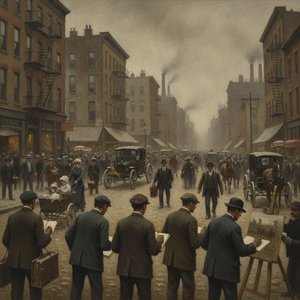
The Ashcan School: Capturing the Raw, Unfiltered Soul of Urban Life through American Realism
Discover the raw beauty of the Ashcan School. Explore how masters like Bellows and Henri captured the gritty, vibrant soul of early 20th-century New York through profound American Realism and evocative urban landscapes.
Preskúmajte umelecká diela usporiadané podľa tém, štýlov a charakteristík.


