


 Zobraziť v interiéri
 Odoslať
 Zdieľať
 Podrobnosti
 Príručka

 Stiahnuť
 Podobné položky
 RTG skúška
 Prehliadanie diapo\]
 Štatistiky
Bostock's Circus
 Impressionism
 1923
1923 25.0 x 51.0 cm
Eric Hesketh Hubbard’s ‘Bostock’s Circus’ (1923) captures a vibrant fairground scene in an impressionistic style. Explore this charming oil painting – a nostalgic glimpse into early 20th-century Britain.
Discover Eric Hesketh Hubbard's captivating wartime paintings! From naval battles to coastal scenes & landscapes, explore his evocative art of early 20th-century Britain.
 Prečítať si viac
Umelecké dielo zobrazené na tejto stránke je chránené autorským zákonom, čo znamená, že nemôžeme legálne vytvárať ani predávať jeho identickú reprodukciu. Táto ochrana je vymáhaná na základe medzinárodných dohôd, ako napríklad Bernská konvencia a národnými zákonmi, vrátane tých, ktoré sú stanovené v Autorské právo USA – Title 17. Všetky práva vyhradené.
Táto metóda plne dodržiava autorské práva, pretože nezahŕňa kopírovanie ani duplikovanie chráneného diela. Ide skôr o kreatívnu reinterpretáciu – nový obraz, ktorý je ovplybnený originálom, no nie je s ním identický.
Giclée / Umenotlač
Giclée tlač alebo plátno múzeálnej kvality s rýchlou výrobou a rôznymi možnosťami povrchovej úpravy. ( Objednať ručne maľovanú reprodukciu Prepnúť na digitálnu verziu obrazu)




































Štandardné rozmery
na mieru
CM
INCH
Vyberte si z našich preddefinovaných rozmerov, ktoré zodpovedajú pôvodným pomeroḿ diela.
Loading sizes...

šírka
výška
Zadajte šírku a výšku, ktoré potrebujete, aby sa reprodukcia hodila k vášmu rámu alebo stene. Print možno len orezávať, nikdy však nemennú veľkosť zvětšiť oproti pôvodnému obrázku, preto pri inom formáte stráca časť obrazu. Pred samotným vytlačiacím procesom vám pošleme digitálny náhľad na schválenie. Obrázok zobrazený na tejto stránke nezobrazuje reálny rez — len digitálny náhľad ukazuje presný výsledok.
Celosvetová doprava () do 2 týždňov namiesto štandardných 4 až 5 týždňov. (22 október)

Bezplatná expresná doprava po celom svete

Vysokokvalitné lnianske plátno

Úplné poistenie prepravy

Záruka vrátenia colného poplatku

Záruka presného farebného zhodnutia

100-dená politika vrátenia tovaru (iba pri vadách)

100% záruka vrátenia peňazí

Ponuka množstevnej zľavy
 Možnosť skla je dostupná len pri rozmeroch pod 110 cm

Bostock's Circus
Giclée / Umenotlač
Veľkosť reprodukcie
-


Celková cena
€ 61
Súvisiace diela


Biografia umelca
A Life Forged in the Crucible of Conflict
Eric Hesketh Hubbard’s artistic journey is inextricably linked to the tumultuous backdrop of the early 20th century, a period defined by both unprecedented technological advancement and devastating global conflict. Born in London in 1892, his childhood was shaped by the burgeoning industrial landscape and the looming shadow of imperial ambition. Early influences were diverse – he studied at Heatherley’s School of Fine Art, absorbing the academic traditions while simultaneously exploring the emerging currents of Impressionism and early Modernism. However, it wasn't solely formal training that molded his artistic vision; a restless spirit and an adventurous streak led him to travel extensively across Europe and North Africa, experiences which would profoundly inform his later work.
Hubbard’s life took a dramatic turn during the First World War. Rather than pursuing a conventional military career, he joined the Royal Naval Reserve, serving with distinction in submarine warfare. This experience – witnessing firsthand the brutal realities of naval combat and the psychological toll on those involved – became the bedrock of his artistic output. It wasn’t merely a desire to document war that drove him; it was a profound need to grapple with its complexities, to capture not just the physical violence but also the emotional landscape of fear, loss, and resilience.
The Art of War: A Distinctive Style Emerges
Hubbard’s wartime paintings are instantly recognizable for their dynamic energy and strikingly realistic depictions of naval battles. He eschewed romanticized notions of heroism in favor of a gritty, unflinching portrayal of the chaos and terror of combat. His compositions are often crowded with figures, conveying a sense of claustrophobia and urgency. He masterfully employed loose brushwork and bold color palettes – often dominated by deep blues, greens, and grays – to create an atmosphere of intense drama and movement. Unlike many contemporary artists who focused solely on heroic moments, Hubbard frequently depicted the less glamorous aspects of war: the wounded, the exhausted, the desperate.
- Submarine Warfare: His paintings of submarine encounters are particularly notable for their claustrophobic atmosphere and depiction of the psychological strain on the crew.
- Coastal Scenes: Hubbard also excelled at capturing the rugged beauty of Britain’s coastline, often depicting dramatic weather conditions and the lives of fishermen and sailors.
- Air Battle Painting: His work “An Air Battle” is a prime example of his ability to convey the dynamism and chaos of aerial combat with remarkable skill.
Beyond the Battlefield: A Diverse Artistic Portfolio
While his wartime paintings are undoubtedly his most celebrated works, Hubbard’s artistic output extended far beyond the realm of military subjects. He possessed a versatile talent, excelling in landscape painting, architectural renderings, and printmaking. His early career was marked by a fascination with the exotic – he produced evocative depictions of scenes from North Africa and the Middle East, capturing the vibrant colors and textures of these distant lands.
He established ‘Forest Press’ in 1923, a pioneering printing workshop that provided a platform for both his own work and the art of other British artists. This venture allowed him to experiment with innovative printmaking techniques and establish connections within the broader artistic community. His later works often reflected a nostalgic longing for simpler times, as evidenced by paintings like “Bostock’s Circus,” which captures the charm and spectacle of a traditional fairground.
Legacy and Recognition
Eric Hesketh Hubbard died in 1957, leaving behind a significant body of work that continues to resonate with audiences today. His wartime paintings are now recognized as powerful testaments to the human experience of conflict, offering a rare glimpse into the psychological and emotional realities of war. His distinctive style – characterized by its dynamic energy, realistic detail, and evocative use of color – has influenced generations of artists. Hubbard’s work is held in numerous public and private collections throughout Britain and beyond, ensuring that his artistic legacy will endure for years to come.

Eric Hesketh Hubbard
1892 - 1957
Rýchle fakty
- Artistic Movement Or Style: Wartime Art Britain
- Artists Or Movements Influenced By This Artist: ['None specified']
- Artists Who Influenced This Artist: ['None specified']
- Date Of Birth: 1892
- Date Of Death: 1957
- Full Name: Eric Hesketh Hubbard
- Nationality: British
- Notable Artworks:
- Lobster Boats
- An Air Battle
- Bostock's Circus
- Place Of Birth: London, England
Súvisiace články

Beyond the Light: Capturing Raw Emotion and Subjective Vision in Post-Impressionist Landscapes
Explore the profound emotional depth of Post-Impressionist landscapes. Discover how masters like Van Gogh moved beyond light to capture raw human feeling through vibrant color and expressive texture in this expert art history retrospective.

The Beauty of Impermanence: Capturing Decay through Impressionist Eyes
Explore the profound beauty of impermanence through Impressionist and Post-Impressionist eyes. Discover how masters like Monet and Van Gogh captured fleeting light and the poetic essence of nature's transitions in our deep dive into art history and emotional landscapes.
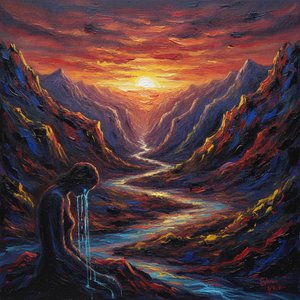
Capturing Emotion: A Journey Through the Soul of Expressionist Landscapes
Explore the profound emotional depth of Expressionist landscapes. Discover how Post-Impressionist masters moved beyond light to capture the soul through vibrant color and form. A curated journey for true art lovers seeking the beauty of expressive mastery.

Capturing the Soul: The Most Emotionally Moving Impressionist and Post-Impressionist Masterpieces
Discover the profound emotional depth of Impressionist and Post-Impressionist masterpieces. Explore how legends like Monet, Van Gogh, and Gauguin captured light and soul through evocative landscapes and vibrant brushwork for a timeless connection to art history.
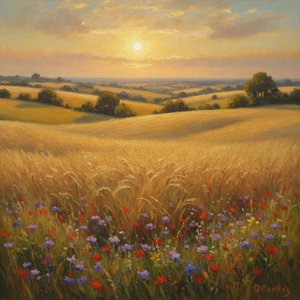
Golden Fields & Sun-Drenched Meadows: Capturing the Soul of Impressionist Landscapes
Immerse yourself in the luminous world of Impressionist landscapes. Discover how masters like Monet and Gauguin captured ephemeral light through plein air painting, and learn to bring the soul of sun-drenched meadows into your home with exquisite, hand-painted oil reproductions.