


 Zobraziť v interiéri
 Odoslať
 Zdieľať
 Podrobnosti
 Príručka

 Stiahnuť
 Podobné položky
 RTG skúška
 Prehliadanie diapo\]
 Štatistiky
Couple Dancing


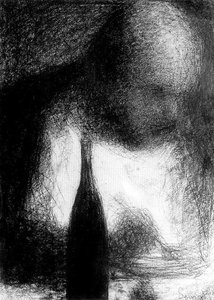
Georges Seurat's 'Couple Dancing' exemplifies Pointillism, utilizing tiny dots of color to recreate an impressionistic scene with remarkable precision and luminosity—a cornerstone of modern art.
 Prečítať si viac
Objavte Georga Seurata (1859-1891), priekopníka pointilizmu & neoimpresionizmu! Pozrite si 'A Sunday on La Grande Jatte' a jeho revolučnú farebnú teóriu zachytávajúcu moderný život. Nakupujte reprodukcie od TopImpressionists!
Giclée / Umenotlač
Giclée tlač alebo plátno múzeálnej kvality s rýchlou výrobou a rôznymi možnosťami povrchovej úpravy. ( Objednať ručne maľovanú reprodukciu Prepnúť na digitálnu verziu obrazu)




P118B €10

P118H €10

P118W €10

P438Z €10

P508JH €12

P508YH €12

P805H €10

P805Z €10

P919BZ €10

P919G €10

P919XJ €10

P959ZH €10

P968JZ €12

W106C €8

W218G €10

W218JH €8

W218Y €10

W307PJ €10

W316G €10

W316PJ €8

W316Y €10

W398PJ €8

W4111J €10

W500HY €15

W500JH €15

W692G €12

W849H €8

W940BG €15

W953PJ €8




Štandardné rozmery
na mieru
CM
INCH
Vyberte si z našich preddefinovaných rozmerov, ktoré zodpovedajú pôvodným pomeroḿ diela.
Loading sizes...

šírka
výška
Zadajte šírku a výšku, ktoré potrebujete, aby sa reprodukcia hodila k vášmu rámu alebo stene. Print možno len orezávať, nikdy však nemennú veľkosť zvětšiť oproti pôvodnému obrázku, preto pri inom formáte stráca časť obrazu. Pred samotným vytlačiacím procesom vám pošleme digitálny náhľad na schválenie. Obrázok zobrazený na tejto stránke nezobrazuje reálny rez — len digitálny náhľad ukazuje presný výsledok.
Celosvetová doprava () do 2 týždňov namiesto štandardných 4 až 5 týždňov. (21 október)

Bezplatná expresná doprava po celom svete

Vysokokvalitné lnianske plátno

Úplné poistenie prepravy

Záruka vrátenia colného poplatku

Záruka presného farebného zhodnutia

100-dená politika vrátenia tovaru (iba pri vadách)

100% záruka vrátenia peňazí

Ponuka množstevnej zľavy
 Možnosť skla je dostupná len pri rozmeroch pod 110 cm

Couple Dancing
Giclée / Umenotlač
Veľkosť reprodukcie
-


Celková cena
€ 60
A Symphony of Light and Precision
In the delicate dance of Georges Seurat’s "Couple Dancing," we find more than just a depiction of Parisian leisure; we encounter a profound revolution in the way light is captured on canvas. Created in 1887, this masterpiece serves as a bridge between the fleeting impressions of the late nineteenth century and the structured rigor of modern art. The painting invites the viewer into a richly ornamented salon, where the air seems to vibrate with the energy of the Belle Époque. At its heart, the work captures an intimate moment between two figures, yet they are part of a larger, breathing social tapestry. Through Seurat’s lens, a simple dance becomes a study in human connection and the rhythmic pulse of urban life.
The true magic of this piece lies in its groundbreaking technique, known as Pointillism. Moving away from the spontaneous, blended brushstrokes of his predecessors, Seurat employed a scientific approach to color. He applied tiny, meticulous dots of pure pigment, relying on the viewer's eye to optically mix these colors into a luminous whole. This method, grounded in the optical theories of the era, creates a shimmering effect that mimics the way light actually hits the retina. When standing before a reproduction of this work, one can almost feel the warmth of the salon’s glow and the subtle movement of the dancers, as if the very atmosphere is composed of dancing particles of light.
The Elegance of the Belle Époque
To understand "Couple Dancing" is to understand the cultural heartbeat of Paris during a period of immense optimism. The scene is a window into a world of sophisticated social rituals, where every gesture and glance carries weight. Seurat meticulously arranges his figures to create a sense of balanced harmony, mirroring the structured elegance of the era's high society. While the central couple provides an emotional anchor, the surrounding figures—absorbed in quiet conversation or observing the scene—add layers of depth and narrative complexity. This careful composition ensures that the painting is not merely a snapshot, but a carefully constructed monument to a vanishing way of life.
For the discerning collector or interior designer, this artwork offers an unparalleled sense of timelessness and intellectual depth. The soft, rhythmic texture of the Pointillist technique provides a sophisticated visual interest that complements both classical and contemporary decor. It is a piece that demands contemplation, offering a serene yet dynamic presence in any room. Whether placed in a grand gallery or a private study, "Couple Dancing" brings with it an aura of historical prestige and a quiet, enduring beauty that continues to inspire awe more than a century after its creation.
Otázky a odpovede
Je „Couple Dancing“ od Georges Pierre Seurat svetlé alebo tmavé dielo?
Vnímaná jasnosť diela „Couple Dancing“ od Georges Pierre Seurat je balanced. Je možné ju prispôsobiť osvetleniu určeného priestoru.
Kde si môžem pozrieť náhľad diela „Couple Dancing"?
Ak si chcete pozrieť náhľad reprodukcie diela „Couple Dancing“ od Georges Pierre Seurat, otvorte stránku Náhľad daného diela.
Aké je historické umiestnenie diela „Couple Dancing“?
Z historického hľadiska je „Couple Dancing“ dielo zastúpedobiteľné pre smer Impressionistic Dance širšej éry 19th Century.
Súvisiace diela




Biografia umelca
Pionier Lumej Presnosti: Život a Umenie Georga Seurata
Georges Pierre Seurat, narodený v Paríži 2. decembra 1859, sa vynikal ako kľúčová postava prechodu od impresionizmu k modernému umeniu. Jeho krátka, no intenzívne zameraná kariéra revolucionalizovala maľbu prostredníctvom vývoja pointilistickej techniky, ktorá bola založená na vedeckých princípoch a neoblomnom úsilí o optickú pravdu. Seuratov príbeh je príbehom dôkladnej observácie, intelektuálnej rigoróznosti a hlbokej citlivosti k nuansám svetla a farieb – kvalít, ktoré ho odlišovali od jeho súčasníkov a naďalej očarujú publikum dodnes. Jeho skorý život, hoci sa zdá konvenčný, položil základy pre jeho budúce umelecké skúmanie. Rodina sa krátko po narodení presťahovala na Boulevard de Magenta a jeho otec, Antoine Chrysostome Seurat, bývalý právny úradník prešiel k spekuláciám s nehnuteľnosťami, poskytoval mladému Georgovi pohodlné prostredie, ktoré mu umožnilo prístup k umeleckej výchove. Začal formálnu prípravu v École Municipale de Sculpture et Dessin pod sochárom Justinom Lequienom a neskôr sa zapísal na prestížnu École des Beaux-Arts v roku 1878, kde študoval u Henriho Lehmanna. Tieto formatívne roky do neho vložili pevný základ tradičných techník, no už vtedy začala formovať sa jedinečná umelecká osobnosť – zmes jemnej citlivosti a vzrastúcej fascinácie systematickou analýzou.Od Akadémických Koreňov k Chromoluminarizmu
Seuratov umelecký vývoj nebol náhlym skokom do inovácie, ale skôr postupnou evolúciou poháňanou intelektuálnou zvedavosťou a dôkladným experimentovaním. Spočiatku jeho diela odrážali akademické štandardy doby, preukazujúcc schopnosť kresby a rešpekt k etablovaným kompozičným princípom. Čoskoro však začal tieto konvencie spochybňovať a hľadať vedeckejší prístup k maľbe. Ponoril sa do rozvíjajúcej sa oblasti farebnej teórie, študoval diela vedcov ako MiVýznamné Diela a Umelecká Vízia
Stelesnením Seuratových výskumov a experimentovania je možno najlepšie zobrazené v A Sunday Afternoon on the Island of La Grande Jatte (1884-1886), monumentálnom diele, ktoré znamenalo začiatok neoimpresionizmu. Toto ikonické dielo zobrazujúce Parížanov, ktorí si užívajú príjemné popoludnie pri Seine, ukazuje jeho pointilistickú techniku v plnom rozsahu. Postavy, zobrazené ako starostlivo umiestnené bodky farieb, vyžarujú svetlo a pulzujú s energiou, vytvárajúc atmosféru pokojnej tichosti. Alfalfa, Saint-Denis (1886-1887) demonštruje jeho aplikáciu farebnej teórie na vidiecku krajinu, zatiaľ čo skoršie diela ako Landscape at Saint-Ouen (1882-1883) odhaľujú jeho vývojový štýl a rastúci záujem o zachytenie efektov svetla a atmosféry. Dokonca aj zobrazenia moderného parížskeho života, ako je The Eiffel Tower (1889), boli transformované prostredníctvom jeho jedinečnej techniky, ktoré spájajú harmonickú kombináciu industriálnej modernity a umeleckej inovácie. Bathers at Asnières (1884), ďalšie významné dielo, skúmalo témy voľného času a moderného života s jeho charakteristickým štýlom, čím predzeralo rafinovanejší prístup viditeľný v *La Grande Jatte*. Tieto obrazy neboli len reprezentáciami scén; boli to starostlivo konštruované vizuálne experimenty navrhnuté na skúmanie možností farieb a vnímania.Trvalá Dôsledok: Vplyv a Historický Význam
Napriek tragicky krátkemu životu – Seurat zomrel vo veku 31 rokov v roku 1891 – jeho dopad na umelecký svet bol hlboký a ďalekosiahly. Jeho práca spochybňovala tradičné umelecké konvencie, čím pripravila cestu pre mnohé následné smery. Dôraz na subjektívne vyjadrenie a skúmanie nových techník rezonoval s umelcami hľadajúcimi oslobodenie od akademických obmedzení. Vplyv Seurata je viditeľný v dielach fauvistov, ktorí prijali odvážne farby a expresívnu maľbu, kubistov, ktorí dekonštruovali formy do geometrických tvarov a abstraktných expressionistov, ktorí uprednostňovali emocionálnu intenzitu a spontánny prejav. Seuratov vedecký prístup k maľbe, hoci spočiatku kontroverzný, rozšíril definíciu umeleckej možnosti. Ukázal, že umenie môže byť intelektuálne rigorózné aj emocionálne sugestívne – syntéza, ktorá naďalej inšpiruje umelcov dodnes. Seuratovo dedičstvo presahuje jeho technické inovácie; zanechal za sebou súbor diel, ktoré zachytávajú podstatu moderného života s neprekonateľnou presnosťou a krásou, čím si upevnil svoje miesto ako skutočný priekopník moderného umenia. Jeho obrazy zostávajú svedectvom o sile observácie, experimentovania a trvalej ľudskej túžby porozumieť svetu okolo nás prostredníctvom umeleckého vyjadrenia.
Georges Pierre Seurat
1859 - 1891 , Francúzsko
Rýchle fakty
- Artistic Movement Or Style: Neo-impresionizmus, Pointilizmus
- Artists Or Movements Influenced By This Artist:
- Fauvizmus
- Kubizmus
- Abstraktný expresionizmus
- Artists Who Influenced This Artist:
- Michel Eugène Chevreul
- Ogden Rood
- Date Of Birth: 2. december 1859
- Date Of Death: 29. marec 1891
- Full Name: Georges Pierre Seurat
- Nationality: Francúzska
- Notable Artworks:
- A Sunday on La Grande Jatte
- Kúpajúci sa v Asnières
- Alfalfa, Saint-Denis
- Veža Eiffel
- Place Of Birth: Paríž, Francúzsko
Súvisiace články

The Magic of Pointillism: How Seurat and Signac Revolutionized Color and Light
Discover the luminous revolution of Pointillism. Explore how masters Georges Seurat and Paul Signac used scientific color theory and optical mixing to transform light and art history in this deep dive into Neo-Impressionist brilliance.

Capturing Contemplation: The Most Thoughtful Impressionist Masterpieces
Explore the profound emotional depth of Impressionist and Post-Impressionist masterpieces. From Renoir's tranquil landscapes to Van Gogh's vibrant soul, discover how these legendary artists captured the essence of contemplation through light, color, and texture.

Capturing Light & Form: The Geometric Beauty of Impressionist Masterpieces
Discover the profound connection between light and geometry in Impressionist masterpieces. Explore how masters like Monet and Cézanne captured essence through form, offering a soulful journey into the heart of art history for true connoisseurs.

The Symphony of Dots: Unveiling the Luminous Magic and Optical Brilliance of Pointillism
Discover the luminous magic of Pointillism and the scientific brilliance of Georges Seurat. Explore our exquisite, hand-painted oil reproductions, meticulously crafted to bring the timeless elegance and optical beauty of Neo-Impressionism into your home with museum-grade quality.

Capturing the Light: A Journey Through the Magic of Impressionist Masterpieces
Embark on a sensory journey through Impressionist history. Discover the magic of en plein air painting, from Monet's light to Seurat's color, and learn how to bring these luminous masterpieces into your home with museum-quality, hand-painted reproductions.
Preskúmajte umelecká diela usporiadané podľa tém, štýlov a charakteristík.


