


 Zobraziť v interiéri
 Odoslať
 Zdieľať
 Podrobnosti
 Príručka

 Stiahnuť
 Podobné položky
 RTG skúška
 Prehliadanie diapo\]
 Štatistiky
The Last Supper


A vibrant expressionist depiction of the biblical scene by Gyula Derkovits captures the emotional intensity of Christ's final meal through bold colors and striking textures, inviting you to explore this masterpiece.
A master of Expressionism and Cubism, Gyula Derkovits captured social intensity in iconic works like The Last Supper and his Dózsa woodcuts, inviting you to discover the profound depth of his unique Hungarian vision.
 Prečítať si viac
Ručne maľovaná olejová reprodukcia
Ručne maľovaný olej na plátne vo vašej zvolenej veľkosti a v ráme, vyrobený na mieru našimi umelcami. ( Prepnúť na tlač Prepnúť na digitálnu verziu obrazu)




P118B €10

P118H €10

P118W €10

P438Z €10

P508JH €12

P508YH €12

P805H €10

P805Z €10

P919BZ €10

P919G €10

P919XJ €10

P959ZH €10

P968JZ €12

W106C €8

W218G €10

W218JH €8

W218Y €10

W307PJ €10

W316G €10

W316PJ €8

W316Y €10

W398PJ €8

W4111J €10

W500HY €15

W500JH €15

W692G €12

W849H €8

W940BG €15

W953PJ €8




Štandardné rozmery
na mieru
CM
INCH
Vyberte si z našich preddefinovaných rozmerov, ktoré zodpovedajú pôvodným pomeroḿ diela.
Loading sizes...

šírka
výška
Môžete zadať vlastné rozmery tak, aby sa hodili do konkrétneho rámu alebo priestoru. Ak sa váš zvolený rozmer nezhoduje s pôvodnými proporciami obrazu, dielo buď orezáme, alebo ho doplníme ručne maľovanými prvkami. Pred začiatkom výroby vám zašleme digitálny náhľad na schválenie.
Upozorňujeme, že ukážka na obrazovke neodráža skutočné orezanie ani doplnenie. Skutočnú finálnu kompozíciu zobrazuje iba digitálny náhľad.
Hoci sú k dispozícii vlastné rozmery, odporúčame vybrať rozmer z preddefinovaného zoznamu, aby sme zachovali pôvodné proporcie.
Príklady možných zmien: nahradiť tvár fotografiou zákazníka; pridať domáce zviera (napr. nahradiť mačku psom); vložiť skryté posolstvo do pozadia; zmeniť krajinu alebo prvky pozadia.
Po odoslaní objednávky vám tím TopImpressionists.com pošle e-mail s pokynmi a poskytne náhľad na návrh
Po odoslaní objednávky vám tím TopImpressionists.com pošle e-mail s pokynmi a poskytne náhľad na návrh
Celosvetová doprava () za 3 až 4 týždne namiesto štandardných 5 týždňov. (4 október). Bez kompromisov v kvalite.

Bezplatná expresná doprava po celom svete

Vysokokvalitné lnianske plátno

Úplné poistenie prepravy

Záruka vrátenia colného poplatku

Záruka presného farebného zhodnutia

100-dená politika vrátenia tovaru (iba pri vadách)

100% záruka vrátenia peňazí

Ponuka množstevnej zľavy
 Možnosť skla je dostupná len pri rozmeroch pod 110 cm

The Last Supper
Spôsob reprodukcie
Veľkosť reprodukcie
-


Celková cena
€ 232
Biografia umelca
A Life Forged in Wood and War
The life of Gyula Derkovits was a profound struggle between the heavy reality of manual labor and the ethereal call of artistic expression. Born in Szombathely, Hungary, his early years were defined by the scent of sawdust and the discipline of craftsmanship, as he was initially apprenticed to his father’s carpentry workshop. This foundation in physical labor would later haunt and inform the very texture of his visual language. Despite a burgeoning talent nurtured by a sign painter, Derkovical's path was diverted by the onset of World War I. He volunteered for service, a decision that left him with lasting scars: a paralyzed left hand and a debilitating lung condition. These physical hardships did not stifle his spirit but rather redirected it toward the pursuit of art through night schools and private instruction, eventually leading him to study under Károly Kernstok.
The Evolution of a Visual Language
As Derkovits navigated the turbulent political landscape of early 20th-century Hungary, his artistic style underwent a remarkable metamorphosis. His early works, shaped by his time in Budapest and later in Vienna, vibrated with the energy of Expressionism, Cubism, and Constructivism. During his years in Vienna, the influence of German expressionist painting became palpable, lending a certain raw intensity to his compositions. However, as he matured, his work moved away from purely formal experimentation toward a deeply personal and eccentric style. He began to favor tempera, utilizing it to create larger, almost monumental paintings that captured the essence of daily life with a unique blend of strict image editing and lyrical color.
Social Consciousness and Graphic Mastery
Beyond the canvas, Derkovits was a master of graphic arts, using printmaking to voice his profound social critiques. His connection to the political movements of his time—including his period of involvement with the Hungarian Communist Party—deeply permeated his subject matter. One of his most significant achievements remains his series of twelve woodcuts depicting the peasant revolt of 1514, a work that solidified his reputation through its powerful depiction of historical struggle. His graphic output often served as a biting satire of bourgeois society, utilizing sharp lines and stark contrasts to highlight the plight of the common person. Through both his monumental paintings and his intricate etchings, Derkovits left an indelible mark on Hungarian visual arts, blending social criticism with an unmistakable, individual formal language.

Gyula Derkovits
1894 - 1934 , Hungary
Rýchle fakty
- Artistic Movement Or Style: Expressionism, Cubism and Constructivism
- Artists Who Influenced This Artist: ['Károly Kernstok']
- Full Name: Gyula Derkovits
- Nationality: Hungarian
- Notable Artworks:
- The Last Supper
- Sleeping Woman
- Boat Smith
- Mother
- 1514 woodcuts
- Place Of Birth: Szombathely, Hungary
- Date Of Birth: 1894
- Date Of Death: 1934
Súvisiace články

Serene Blue Backgrounds: Discover Soulful Art to Transform Your Space with Timeless Elegance
Transform your home with soulful blue art. From serene Monet impressions to modern textured sculptures, discover curated masterpieces designed to inspire calm. Explore expert art consultations and bespoke hand-painted reproductions to create your personal sanctuary.

Crimson Threads of Narrative: Exploring Symbolism & Representation in Artworks Featuring the Red Dress
Explore the rich symbolism of the red dress in art history! From ancient power displays to iconic portraits like Cézanne’s 'Madame Cezanne', discover the cultural and artistic significance behind this captivating color. Expert analysis & insights.
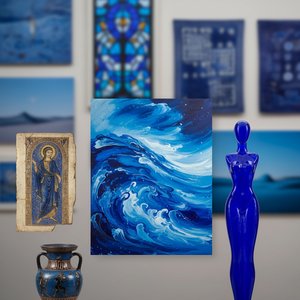
The Allure of Azure: Exploring the Symbolic & Aesthetic Depths of Blue in Art History
Explore the rich history of blue in art! Discover its symbolism, from ancient pigments to modern masterpieces by Kandinsky & Seurat. Uncover the psychological impact and cultural meanings behind this captivating hue.

Liquid Vibes: Bold Water Landscapes & Deep Blue Textures to Level Up Your Space
Elevate your space with bold water landscapes and deep blue textures. Discover trending abstract art, from sculptural textiles to premium oil reproductions, designed to bring high-impact, liquid vibes to modern urban interiors.

Top 10 slávnych obrazov v odtieňoch sivomodrej: Umění pre váš domov s TopImpressionists
Objavte top 10 slávnych obrazov v odtieňoch sivomodrej! Preskúmajte príbehy Van Gogha, Moneta a ďalších majstrov. Reprodukcie obrazov pre váš domov s TopImpressionists – umenie online.