


 Zobraziť v interiéri
 Odoslať
 Zdieľať
 Podrobnosti
 Príručka

 Stiahnuť
 Podobné položky
 RTG skúška
 Prehliadanie diapo\]
 Štatistiky
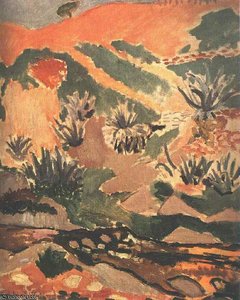
Landscape
 Akryl na plátne
- WallArt
- Fauvism
 1904
1904- Renaissance
 32.0 x 40.0 cm
Henri Matisseho obraz "Landscape" predstavuje výraznú súčasť jeho fauvistického štýlu – živé farby, dynamické štatky a oslnivá panoramatická výstava vytvárajú nezabudovateľný umelecký zážitok.
 Prečítať si viac
Henri Matisse (1869-1954): Francúzsky maliar, majster farieb a Fauvizmu. Jeho diela sú plné života, energie a oslňujúcej krásy. Objevte ikonické obrazy a cut-out koláže!
Giclée / Umenotlač
Giclée tlač alebo plátno múzeálnej kvality s rýchlou výrobou a rôznymi možnosťami povrchovej úpravy. ( Objednať ručne maľovanú reprodukciu Prepnúť na digitálnu verziu obrazu)




P118B €10

P118H €10

P118W €10

P438Z €10

P508JH €12

P508YH €12

P805H €10

P805Z €10

P919BZ €10

P919G €10

P919XJ €10

P959ZH €10

P968JZ €12

W106C €8

W218G €10

W218JH €8

W218Y €10

W307PJ €10

W316G €10

W316PJ €8

W316Y €10

W398PJ €8

W4111J €10

W500HY €15

W500JH €15

W692G €12

W849H €8

W940BG €15

W953PJ €8




Štandardné rozmery
na mieru
CM
INCH
Vyberte si z našich preddefinovaných rozmerov, ktoré zodpovedajú pôvodným pomeroḿ diela.
Loading sizes...

šírka
výška
Zadajte šírku a výšku, ktoré potrebujete, aby sa reprodukcia hodila k vášmu rámu alebo stene. Print možno len orezávať, nikdy však nemennú veľkosť zvětšiť oproti pôvodnému obrázku, preto pri inom formáte stráca časť obrazu. Pred samotným vytlačiacím procesom vám pošleme digitálny náhľad na schválenie. Obrázok zobrazený na tejto stránke nezobrazuje reálny rez — len digitálny náhľad ukazuje presný výsledok.
Celosvetová doprava () do 2 týždňov namiesto štandardných 4 až 5 týždňov. (22 október)

Bezplatná expresná doprava po celom svete

Vysokokvalitné lnianske plátno

Úplné poistenie prepravy

Záruka vrátenia colného poplatku

Záruka presného farebného zhodnutia

100-dená politika vrátenia tovaru (iba pri vadách)

100% záruka vrátenia peňazí

Ponuka množstevnej zľavy
 Možnosť skla je dostupná len pri rozmeroch pod 110 cm

Landscape
Giclée / Umenotlač
Veľkosť reprodukcie
-


Celková cena
€ 60
Henri Matisse: Landscape – A Symphony of Color and Tranquility
Henri Matisse (1869–1954), arguably the most influential figure in Fauvist art, possessed an unparalleled ability to distill emotion into visual form. His painting “Landscape,” created in 1904, exemplifies this mastery—a deceptively simple depiction of a Provençal hillside that pulsates with vibrancy and invites contemplation. More than just a representation of scenery, it’s a manifesto of Matisse’s artistic philosophy: prioritizing color above all else to convey feeling and capturing the essence of nature’s beauty.
The Fauvist Revolution
Matisse spearheaded the Fauvist movement alongside André Derain and Maurice Denis, rejecting Impressionism's focus on optical accuracy in favor of bold, arbitrary color palettes. Inspired by Symbolist painters like Edvard Munch and Paul Gauguin, Matisse sought to express inner states rather than objective reality. “Landscape” embodies this ethos perfectly—abandoning naturalistic hues for intense reds, yellows, blues, and greens that clash harmoniously yet simultaneously convey a sense of warmth and serenity.
Technique and Composition
Matisse employed loose brushstrokes—a hallmark of Fauvist technique—to build up the surface of the canvas. These strokes aren’t blended smoothly; instead, they retain their individual texture, creating a palpable dynamism that mimics the movement of wind through foliage. The composition is deliberately asymmetrical, with the house positioned slightly off-center against the expansive hillside. This imbalance contributes to the painting's visual interest and reinforces its feeling of openness.
Symbolism and Emotional Resonance
Beyond its formal qualities, “Landscape” resonates deeply with symbolic meaning. The red roof of the house—a prominent feature—represents warmth, vitality, and perhaps even passion. Contrasting against the cool greens and blues of the hillside, it symbolizes a harmonious balance between human presence and natural beauty. Matisse’s masterful use of color isn't merely decorative; it’s designed to evoke feelings of tranquility, joy, and connection with the surrounding environment.
Influence and Legacy
“Landscape” profoundly impacted subsequent generations of artists—particularly those exploring abstraction. Its bold chromatic choices paved the way for movements like Expressionism and Surrealism, demonstrating that color could serve as a powerful vehicle for conveying psychological states. Matisse’s unwavering commitment to artistic intuition and his belief in color's expressive potential cemented his place as one of the most important innovators of modern art.
Featured Museums
A stunning reproduction of “Landscape” can be admired at the Musée National d’Art Moderne (MNAM) in Paris, France. This museum houses an extensive collection of Fauvist paintings and offers visitors a chance to immerse themselves in Matisse's groundbreaking artistic vision.
Photo Description
The painting depicts a hillside bathed in sunlight, dominated by lush greenery and punctuated by the warm hues of a terracotta roof. A small house sits nestled amongst the trees, creating a focal point that draws the eye inward. The artist’s meticulous attention to detail captures the subtle nuances of light and shadow, enhancing the overall atmosphere of peaceful contemplation.
Size
32 x 40 cm
Date
1904
Artist Information
Henri Matisse (1869–1954)
Born in Le Cateau-Cambrésis, France.
He grew up in Bohain-en-Vermandois, Picardie, the son of grain merchants.
Initially studied law in Paris after secondary school but discovered his passion for art following an appendicitis attack in 1889.
He began experimenting with art supplies provided by his mother during his recovery, marking a turning point in his life.
Additional Research
- Landscape at Collioure - This iconic 1905 painting exemplifies Matisse’s Fauvist style, characterized by audacious color palettes and expressive brushstrokes. The artist meticulously rendered the architectural elements of Collioure—the house with its prominent red roof—against a backdrop of verdant foliage and figures engaged in leisurely pursuits.
- Pink Nude, or Seated Nude - Matisse’s masterful depiction of the human form transcends mere representation; it embodies a profound exploration of emotion and gesture. The seated nude is bathed in diffused light, capturing the subtle nuances of posture and expression—a testament to Matisse’s ability to convey psychological depth through visual language.
- The Joy of Life - This vibrant canvas pulsates with Matisse’s signature chromatic exuberance, reflecting his unwavering belief in the transformative power of color. The composition—a dynamic interplay of figures and geometric forms—captures a moment of carefree delight amidst a tranquil landscape, embodying Matisse’s artistic vision as a beacon of optimism and vitality.
For more information on Henri Matisse and his works, visit Henri Matisse: Landscape at TopImpressionists.
Otázky a odpovede
Aký typ umeleckého diela predstavuje „Landscape“ od Henri Matisse?
V katalógu je dielo „Landscape“ od Henri Matisse klasifikované ako WallArt. Táto kategória pomáha vyhľadávať podobné práce.
Patrí dielo „Landscape“ od Henri Matisse do verejnej vlastnícky sféry a prečo?
„Landscape“ od Henri Matisse je v v verejnom vlastníctve – autorské práva vypršali. Doba trvania autorského práva sa začína dňom smrti umelca, ktorého smrť nastala v roku 1954.
Aké motívy sa objavujú v díle „Landscape“ od Henri Matisse?
Témy predstavované v díle „Landscape“ od Henri Matisse zahŕňajú landscape, henri matisse, color palette, impressionism, fauvism, house roof, outdoor scene. Spolu zhrňujú predmet skladby.
Súvisiace diela




Biografia umelca
Život ponorený do farieb: Svet Henriho Matissea
Henri Émile Benoît Matisse, narodený 31. decembra 1869 v malom severofrancúzskom meste Le Cateau-Cambrésis, nebol predurčený k životu plnému pigmentov a tvarov. Po ukončení strednej školy študoval právo v Paríži, no jeho cesta sa dramaticky zmenila po záchvate zápalu slepého čreva v roku 1889. Obmedzený na lôžko objavil skrytú vášeň pre maľbu, ktorá bola vznietená jednoduchým aktom nanášania farieb súpravou umeleckých potrieb, ktorú mu darovala matka. Toto nebol len spôsob zabavenia; bol to odhalenie – zlomový bod, ktorý ho odviedol od právnych spisov smerom k svetu, kde sa farba stala jeho jazykom a plátno jeho doménou. Rastúc v Bohain-en-Vermandois ako syn obchodníkov s obilím, Matisse pôsobil spočiatku nepravdepodobne ako umelec, no semienko bolo zasadené, pestované rekonvalescenciou a kvitnúce celoživotnou oddanosťou. Zapisoval sa na Académie Julian a neskôr na École Nationale des Beaux-Arts, kde študoval pod Williamom-Adolphom Bouguereauom a Gustavem Moreauom, absorbujúc klasické techniky, ktoré slúžili ako základ pre jeho budúce inovácie. Rané práce odrážali toto akademické vzdelanie, demonštrujúc zručnosť, no postrádajúci výrazný hlas, ktorý sa čoskoro stal jeho charakteristickým znakom.Úsvit Fauvizmu a odvážne experimenty
Kľúčový moment nastal v roku 1896 počas návštevy Belle-Île s austrálskym maliarom Johnom Russellom. Toto stretnutie sa ukázalo ako transformačné. Russell predstavil Matissea žiarivému svetu impresionizmu a čo je dôležitejšie, emocionálne nabitým plátnam Vincenta van Gogha. Dopad bol hlboký. Expresívne využitie farieb Van Gogha rozbilo predtým zdržanú paletu Matissea, povzbudzujúc ho k odvážnejšiemu a subjektívnejšiemu prístupu. Začal sa vzďaľovať od zemistých tónov a prijímal farby, ktoré rezonovali s pocitmi namiesto striktnej reprezentácie. Toto skúmanie vyvrcholilo vznikom Fauvizmu okolo roku 1905 – hnutia, v ktorom sa Matisse stal poprednou postavou. Samotné meno, znamenajúce „divoké zvery“, bolo spočiatku pohŕdavé, udelené kritikmi šokujúcim živým a nenaturalistickým obrazom vystaveným na Salóne d'Automne. Matisse, spolu s umelcami ako André Derain a Maurice de Vlaminck, presadzoval intenzívnu farbu ako nezávislý prvok výrazu, zjednodušujúc formy na posilnenie jej dopadu. Obrazy ako *The Gourds* (1905) exemplifikujú tento štýl – výbuch červenej, zelenej a žltej farby aplikovanej s slobodou, ktorá ignorovala tradičnú perspektívu a mimetickú presnosť. Kľúčové charakteristiky zahŕňali intenzívne nasýtené palety, zjednodušené tvary, expresívne ťahy štetcom a úmyselné odmietnutie konvenčnej reprezentácie v prospech emocionálnej rezonancie.Zjemnenie a dekoratívna harmónia
Po počiatočnom nadšení Fauvizmu prešiel štýl Matissea jemnou, ale významnou evolúciou. Hoci nikdy nezanechal svoju lásku k farbe, jeho práca sa stala rafinovanejšou, naklonená k dekoratívnej estetike, ktorá zdôrazňovala sploštené formy a zložité vzory. Preskúmal témy voľného času, domáceho života a ľudskej postavy v pokojnom prostredí, vytvárajúc kompozície, ktoré pôsobili harmonicky a emocionálne rezonovali. Sťahovanie do Nice na Francúzskej riviére v roku 1917 ďalej ovplyvnilo tento posun, vdychujúc jeho práci pocit pokoja a klasickej rovnováhy. Začal sa zameriavať na vytváranie prostredí – obrazov, sôch a dekoratívnych predmetov –, ktoré obklopili diváka atmosférou krásy a pokoja. Toto obdobie ho viedlo k experimentom s rôznymi médiami vrátane keramiky a textilu, čím rozšíril svoju umeleckú víziu za tradičné plátno. Netvoril len scény; konštruoval svety navrhnuté tak, aby vyvolali špecifickú emocionálnu reakciu.Neskoršie roky: Inovácia prostredníctvom obmedzenia
Keď zdravotné problémy obmedzili schopnosť Matissea maľovať tradičným spôsobom, vydal sa na mimoriadnu novú kapitolu svojej umeleckej cesty – tvorbu výrezových koláží alebo *découpages*. Začiatkom okolo roku 1947 vznikli tieto práce z potreby. Obmedzený na invalidnom vozíku nemohol fyzicky stáť a maľovať, ale stále mohol manipulovať s papierom nožnicami. To, čo začalo ako praktické riešenie, sa vyvinulo v prielomovú umeleckú techniku. Maľoval veľké listy papiera živými farbami, potom ich vystrihával do tvarov – organických foriem, listov, postáv – a aranžoval ich na plátne, vytvárajúc kompozície, ktoré boli dynamické aj klamlivo jednoduché. Tieto *découpages* neboli len náhradou za maľbu; predstavovali nový spôsob myslenia o farbe, forme a kompozícii. Pokračovali v jeho celoživotnom skúmaní týchto prvkov, demonštrujúc trvalú umeleckú víziu aj tvárou v tvár fyzickým obmedzeniam.- Technika výrezu mu umožnila dosiahnuť čistotu formy a farby, ktorú bolo ťažké dosiahnuť s maľbou.
- Tieto práce často odkazovali na skoršie témy a motívy z jeho obrazov, ale prezentovali ich sviežim a inovatívnym spôsobom.
- Demonštrovali jeho schopnosť prispôsobiť sa a vyvíjať ako umelec počas celej svojej kariéry.
Trvalý odkaz: Vplyv Matissea na moderné umenie
Henri Matisse zomrel v Nice v roku 1954, pričom zanechal rozsiahle dielo, ktoré pokračuje v inšpirácii a uchvacovaní publika po celom svete. Jeho dopad na umelecký svet je nepopierateľný; spochybnil konvenčné predstavy o reprezentácii, presadzoval expresívnu silu farby a pripravil pôdu pre budúce generácie umelcov. Často považovaný za jedného z najvplyvnejších predstaviteľov umenia 20. storočia, Matisse zásadne formoval modernizmus. Jeho odkaz sa rozširuje aj za jeho umelecké diela – zahŕňa filozofiu oslavujúcu radosť, krásu a transformačný potenciál farby. Netvoril len to, čo videl; vytváral emocionálny zážitok pre diváka, pozýval ho podeliť sa o jeho víziu sveta kúpaného vo svetle a živých odtieňoch. Vplyv Matissea je možné pozorovať v nespočetných dielach umelcov z rôznych disciplín, čím sa upevňuje jeho postavenie ako skutočného majstra moderného umenia – maliara, ktorý sa odvážil vidieť svet nielen taký, aký je, ale aj taký, akým by mohol byť, plný farieb, harmónie a neobmedzených možností.
Henri Matisse
1869 - 1954 , Francúzsko
Rýchle fakty
- Artistic Movement Or Style: Fauvizmus
- Artists Or Movements Influenced By This Artist:
- Modernizmus
- Exprezionizmus
- Artists Who Influenced This Artist:
- Van Gogh
- Chardin
- Russell
- Date Of Birth: 31. december 1869
- Date Of Death: 3. november 1954
- Full Name: Henri Émile Benoît Matisse
- Nationality: Francúz
- Notable Artworks:
- The Gourds
- Laurette in a White Turban
- Place Of Birth (City And Country): Le Cateau-Cambrésis, Francúzsko
Súvisiace články
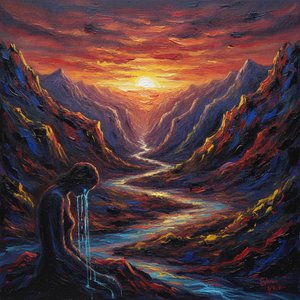
Capturing Emotion: A Journey Through the Soul of Expressionist Landscapes
Explore the profound emotional depth of Expressionist landscapes. Discover how Post-Impressionist masters moved beyond light to capture the soul through vibrant color and form. A curated journey for true art lovers seeking the beauty of expressive mastery.
Preskúmajte umelecká diela usporiadané podľa tém, štýlov a charakteristík.


