


 Zobraziť v interiéri
 Odoslať
 Zdieľať
 Podrobnosti
 Príručka

 Stiahnuť
 Podobné položky
 RTG skúška
 Prehliadanie diapo\]
 Štatistiky
Alexandre le Grand devant le tombeau d'Achille


Hubert Robert's 'Alexander the Great before Achilles’ Tomb' captures a poignant scene of historical reflection amidst Roman ruins, blending Neoclassical and Romantic elements with evocative lighting and textures.
 Prečítať si viac
Hubert Robert (1733-1808): Francúzsky maliar známy ruínami, capricciami a romantickou atmosférou. Jeho diela spájajú históriu, pád a fantáziu.
Giclée / Umenotlač
Giclée tlač alebo plátno múzeálnej kvality s rýchlou výrobou a rôznymi možnosťami povrchovej úpravy. ( Objednať ručne maľovanú reprodukciu Prepnúť na digitálnu verziu obrazu)




P118B €10

P118H €10

P118W €10

P438Z €10

P508JH €12

P508YH €12

P805H €10

P805Z €10

P919BZ €10

P919G €10

P919XJ €10

P959ZH €10

P968JZ €12

W106C €8

W218G €10

W218JH €8

W218Y €10

W307PJ €10

W316G €10

W316PJ €8

W316Y €10

W398PJ €8

W4111J €10

W500HY €15

W500JH €15

W692G €12

W849H €8

W940BG €15

W953PJ €8




Štandardné rozmery
na mieru
CM
INCH
Vyberte si z našich preddefinovaných rozmerov, ktoré zodpovedajú pôvodným pomeroḿ diela.
Loading sizes...

šírka
výška
Zadajte šírku a výšku, ktoré potrebujete, aby sa reprodukcia hodila k vášmu rámu alebo stene. Print možno len orezávať, nikdy však nemennú veľkosť zvětšiť oproti pôvodnému obrázku, preto pri inom formáte stráca časť obrazu. Pred samotným vytlačiacím procesom vám pošleme digitálny náhľad na schválenie. Obrázok zobrazený na tejto stránke nezobrazuje reálny rez — len digitálny náhľad ukazuje presný výsledok.
Celosvetová doprava () do 2 týždňov namiesto štandardných 4 až 5 týždňov. (22 október)

Bezplatná expresná doprava po celom svete

Vysokokvalitné lnianske plátno

Úplné poistenie prepravy

Záruka vrátenia colného poplatku

Záruka presného farebného zhodnutia

100-dená politika vrátenia tovaru (iba pri vadách)

100% záruka vrátenia peňazí

Ponuka množstevnej zľavy
 Možnosť skla je dostupná len pri rozmeroch pod 110 cm

Alexandre le Grand devant le tombeau d'Achille
Giclée / Umenotlač
Veľkosť reprodukcie
-


Celková cena
€ 61
A Dramatic Encounter: Hubert Robert’s Meditation on Power and Decay
Hubert Robert’s “Alexandre le Grand devant le tombeau d’Achille” (c. 1754-1757) is not merely a depiction of a historical scene; it's a carefully constructed tableau brimming with symbolic weight, rendered in the evocative style characteristic of the late 18th century. The painting transports us to a ruined Roman landscape – a deliberate choice by Robert that immediately establishes a dialogue between grandeur and transience. Here, Alexander the Great stands before what is clearly identified as Achilles’ tomb, not in triumphant victory, but in a posture of contemplative solemnity. This isn't the heroic Alexander of classical sculpture; he appears almost weary, his gaze fixed on the fragmented remains of the past, suggesting a profound awareness of mortality and the fleeting nature of even the most formidable power.
Robert masterfully employs a flattened perspective, prioritizing atmosphere and emotional resonance over strict adherence to linear realism. The composition is deliberately complex, layering figures – soldiers, onlookers, and Alexander himself – within a carefully orchestrated architectural setting. The strong vertical lines of the columns contrast sharply with the horizontal fragmentation of the fallen structures, creating a visual tension that mirrors the painting’s thematic concerns. Notice how Robert uses diffused lighting, reminiscent of an overcast day, to soften the edges and imbue the scene with a melancholic quality. The earthy color palette – dominated by ochres, browns, and muted blues – further reinforces this sense of age and decay, while subtle touches of red in the drapery draw the eye and add a touch of dramatic intensity.
Neoclassical Roots, Romantic Longing
While firmly rooted in the Neoclassical tradition—a style emphasizing clarity, order, and rational composition—Robert’s work also reveals a strong influence from the burgeoning Romantic movement. The ruins themselves are not simply historical artifacts; they represent a powerful symbol of time's relentless passage and the inevitable decline of all things. The scene evokes a sense of nostalgia for a lost golden age, a yearning for beauty amidst decay – a hallmark of Romanticism’s fascination with emotion and the sublime. Robert wasn’t just documenting ruins; he was crafting visions, blending observation with imagination to create scenes that resonated with both a longing for the past and an anticipation of the future.
The choice of Achilles' tomb is particularly significant. Achilles, the epitome of heroic strength and martial prowess, represents an ideal of masculine virtue—a concept increasingly challenged by the Enlightenment’s emphasis on reason and individual liberty. Alexander, standing before his demise, implicitly acknowledges this shift in values. The juxtaposition of the powerful conqueror with the fallen hero suggests a subtle critique of unchecked ambition and the ultimate futility of earthly glory. Robert's skill lies not just in depicting the scene accurately but in imbuing it with layers of meaning that invite contemplation.
Technique and Materials: A Layered Masterpiece
“Alexandre le Grand devant le tombeau d’Achille” is a testament to Robert's meticulous technique. Likely executed in oil on canvas, the painting demonstrates a sophisticated understanding of color blending and layering—a hallmark of the Rococo and Neoclassical periods. The visible brushstrokes contribute to the sense of texture and immediacy, while subtle glazing techniques create depth and luminosity. The rough, aged surfaces of the ruins are contrasted with smoother areas of skin tones, further emphasizing the painting’s thematic concerns about time and decay. Robert's use of pigments mixed with oil—a standard practice at the time—allowed him to achieve a remarkable range of tonal values and subtle color variations.
The painting’s composition suggests a deliberate effort to capture not just a visual likeness but also an emotional atmosphere. Robert’s careful attention to detail, combined with his masterful use of light and shadow, creates a scene that is both visually stunning and profoundly moving. It's a work that invites the viewer to contemplate the enduring legacy of heroes, the inevitability of decay, and the complex relationship between power and mortality.
Otázky a odpovede
Ako je opísaná paleta diela „Alexandre le Grand devant le tombeau d'Achille“ od Hubert Robert?
Paleta diela „Alexandre le Grand devant le tombeau d'Achille“ od Hubert Robert je opísaná ako Earthy. Ide o stručný popis farieb tohto diela.
Ako si môžem pozrieť náhľad reprodukcie diela „Alexandre le Grand devant le tombeau d'Achille“ od Hubert Robert?
Stránka Náhľad diela „Alexandre le Grand devant le tombeau d'Achille“ vám umožňuje pozrieť si náhľad umelostného diela pred objednávkou.
Môžem si „Alexandre le Grand devant le tombeau d'Achille“ od Hubert Robert pred kúpou pozrieť na vlastnej stene?
Dielo „Alexandre le Grand devant le tombeau d'Achille“ od Hubert Robert si môžete vyskúšať priamo na vašej stene pomocou rozšírenej reality na kompatibilnom zariadení na stránke AR náhľad pre AR náhľad.
Biografia umelca
Hubert Robert (1733–1808): Francúzsky maliar ruín a vizek
Hubert Robert, meno spájajúce sa s evokujúcimi krajinami a romantickou čarovnosťou ruin, zaujíma v 18. storočí francúzskej umenia unikátnu pozíciu. Narodil sa v Paríži v roku 1733 a jeho život prebiehal v kontexte posuvných umeleckých štýlov a monumentálnych historických premenu – od ľahkosti rokoká až po nástup neoklasicismu, a nakoniec aj prostredníctvom turbulentných rokov francúzskej revolúcie. Nebol len dokumentátorom rozkladu; vytváral vize, spájajúc pozorovanie s fantáziou, aby vytvoril scény, ktoré rezonovali s nostalgickou túžbou po minulosti a predzvestím budúcnosti. Jeho cesta začala v usporiadanom svete umeleckého vzdelávania, najprv pod sochára Michela-Ange Slodtza, ktorý si všimol Robertovu talent, ale múdro ho nasmeroval k maľbe, čítajúc jeho pravú výzvu – zachytiť svetlo, atmosféru a jemnú poezziu tvaru.
Rímske reverencie: Formovanie umeleckej identity
Kľúčový moment v Robertovej umeleckej rozvoji nastal s jeho rozšíreným pobytom v Ríme v roku 1754. Spolu s Étienne-François de Choiseulom sa ponoril do sveta, ktorý bol zasadený do histórie a architektonickej grandeur. Po jedenásť rokov sa staroveké mesto stalo jeho vonkajším štúdiom, jeho zrúhavé chrámy, majestátne oblúky a zaplnené záhrady pohánkali jeho predstavivosti. Nebolo to len o replikovaní toho, čo videl; išlo o interpretáciu, preformulovanie a vloženie doňho pocitu melancholickej krásy. Pracoval po boku Giovanniho Paola Paniniho, čímž sa ukázalo, že Robertov vplyv je viditeľný v jeho skorých *capriccio* kompozíciách – týchto fantázijných výhľadov, ktoré spájali klasické ruiny s súčasným životom. No Robert rýchlo prešiel ďalej od napodobňovania, vyvinul vlastný jedinečný štýl charakterizovaný precíznym detailom, atmosférickou perspektívou a hlbokou citlivosťou na svetlo a tieň. Nebol len maľoval ruiny; mal malovať čas samotný, zachytávať pohnutú krásu dočasnosti a trvalú silu pamäte. Jeho zápisníky z tejto doby sú neoceniteľné záznamy o jeho pozorovaniach, plné detailných štúdií rímskych pamiatok, ako je Villa d’Este a Caprarola, demonštrujúc taký talent pre architektonickú nuanciu a krajinársku kompozíciu.
Parížsky uznanie a kráľovské sponzorstvo
Robertov návrat do Paríža v roku 1765 znamenal posun v jeho kariére. Rýchlo získal uznanie v umeleckej spoločnosti, pričom saho prijal do Académie Royale de Peinture et de Sculpture s dielom “Port of Rome, Decorated with Various Monuments of Architecture, Ancient and Modern.” Jeho nasledujúce výstavy v Salóne zarobili si široké uznanie, očarili publikum svojimi evokujúcimi reprezentáciami ruin a malebných krajín. Denis Diderot, vedúci predstaviteľ osvietenstva, známy kritik, svedčil o grandeur evokovanej Robertovými maľbami, rozpoznávajúc jeho schopnosť prenášať divákov do inej doby a miesta. Tento úspech viedol k kráľovskému sponzorstvu, s povelmi na dekoratívne projekty a menami na pozície “Návrhára kráľovských záhrad” a neskôr, “Strážcu kráľovských obrazov.” Stal sa požiadaným umelcom, nie len pre svoje plátno, ale aj pre svojím inovatívnym dizajnom záhrad a palácových interiérov. Jeho dielo rezonovalo s vládnym vkusem *capriccio* maľby – žánru, ktorý oslovoval kolektívov fascinovaných históriou, archeológiou a malebnosťou – ale Robert doňho vložil jedinečnú citlivosť, zvýšil ho nad rámec dekoratívneho umenia.
Revolúcia, odolnosť a trvalá dedičnosť
Francúzska revolúcia priniesla nezvyčajný výzor Robertovi. Zatiaľ čo mnohí umelci bojovali s prechodom turbulentného politického prostredia, on našiel seba v prúdovom zmene. Dokonca bol väznený počas obdobia teroru, hrôzostrašujúcej skúsenosti, ktorá napriek tomu inšpirovala sériu kresieb dokumentujúcich jeho čas v väzení. Výnimočne, pokračoval v maľbe produktívne počas tejto doby, demonštrujúc neochotu vzdávať sa svojej umenia. Po revolúcii bol Robert menovaný kurátorom novej vytvorenej Central Art Museum – budúceho Musée du Louvre, čo bolo dôkazom jeho odbornosti a oddanosti zachovávaniu kultúrneho dedičstva pre budúcie generácie. Hrával kľúčovú úlohu v organizácii a katalogizácii múzejnej zbierky, zabezpečujúc tak, aby francúzske umelecké poklady boli chránené pre budúce generácie.
Kľúčové vplyvy: Giovanni Paolo Panini, Piranesi, Rímsky architektonický krajina
- Kľúčové vplyvy: Giovanni Paolo Panini, Piranesi, rímska architektúrna krajina
- Hlavné témy: Ruiny, krajiny, *capriccio* maľby, historická pamäť, priebeh času
- Umelecký štýl: Precízny detail, atmosféricka perspektíva, evokujúce osvetlenie, spájanie pozorovania s fantáziou

Hubert Robert
1733 - 1808 , Francúzsko
Rýchle fakty
- Artistic Movement Or Style: Romantizmus, Neoklasicizmus
- Artists Or Movements Influenced By This Artist: ['Romantizmus']
- Artists Who Influenced This Artist:
- Giovanni Panini
- Piranesi
- Date Of Birth: 22. máj 1733
- Date Of Death: 15. apríl 1808
- Full Name: Hubert Robert
- Nationality: Francúzsky
- Notable Artworks:
- Port Ríma
- Let Galatey
- Galéria Louvre
- Place Of Birth: Paríž, Francúzsko
Súvisiace články

David Roberts: A Scottish Pioneer of Topographical Art & Orientalist Vision
Explore the captivating world of David Roberts, a pioneering Scottish painter renowned for his detailed Orientalist scenes & stunning Egyptian landscapes. Discover his legacy and find museum-quality reproductions at TopImpressionists.
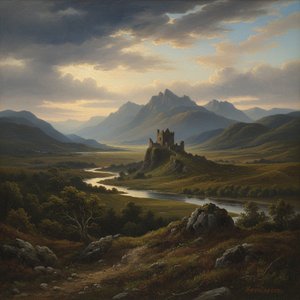
Alexander Nasmyth: Picturing Scotland's Romantic Landscape – Innovation & Identity
Explore the life & art of Alexander Nasmyth, a pivotal figure in Scottish Romantic landscape painting. Discover his iconic works, including portraits of Robert Burns, and learn about his lasting influence on national identity. Fine art reproductions available.

Robert Havell Sr.: Botanical Precision & the Rise of Colour Plate Publishing
Explore the life & work of Robert Havell Sr., a pioneer of botanical illustration and key collaborator with Audubon. Discover his stunning aquatint engravings, artistic techniques, and lasting impact on 19th-century art.

Katsushika Hokusai: 25 Majstrovských Diel pre Krásu Vášho Domova | TopImpressionists.com
Ponorte sa do sveta Katsushika Hokusaiho a objavte 25 jeho najznámejších umeleckých diel. Ukiyo-e, The Great Wave, Fujiyama – príbehy za ikonickými obrazmi. Kvalitné reprodukcie pre váš domov na TopImpressionists.com.

Hubert Robert: Picturing Ruins, Preserving Memory – A Study of Romantic Antiquarianism & Artistic Innovation
Explore the captivating world of Hubert Robert, master of Romantic landscape painting & 'capriccio' ruins. Discover his historical context, artistic innovations, and collecting insights with TopImpressionists.
Preskúmajte umelecká diela usporiadané podľa tém, štýlov a charakteristík.


