


 Zobraziť v interiéri
 Odoslať
 Zdieľať
 Podrobnosti
 Príručkovo

 Stiahnuť
 Podobné položky
 RTG skúška
 Prehliadanie diapo\]
 Štatistiky
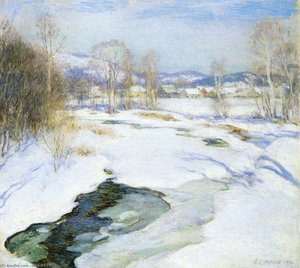
Spring Flow
 Post-Impressionism
 1904
1904 70.0 x 89.0 cm
Igor Grabar (1871-1960) bol významný ruský postimpresionista známy svojimi krajerskými scenami, zobrazujúcimi západ slnka a jeho rozsiahly vplyv na modernizáciu Tretiakovskej galérie. Pozrite si jeho diela!
 Prečítať si viac
Giclée / Umenotlač
Giclée tlač alebo plátno múzeálnej kvality s rýchlou výrobou a rôznymi možnosťami povrchovej úpravy. ( Objednať ručne maľovanú reprodukciu Prepnúť na digitálnu verziu obrazu)




































Štandardné rozmery
na mieru
CM
INCH
Vyberte si z našich preddefinovaných rozmerov, ktoré zodpovedajú pôvodným pomeroḿ diela.
Loading sizes...

šírka
výška
Môžete zadať vlastné rozmery, aby sa reprodukcia prispôsobila konkrétnemu rámu alebo priestoru. Ak zvolená veľkosť nebude zodpovedať proporciám originálu, dielo buď orežeme, alebo obraz rozšírime pomocou zrkadlenia či farebného doplnenia okrajov. Pred začatím výroby vám pošleme digitálnu ukážku na schválenie.
Máte na vedomí, že náhľad na obrazovke neodzrkadľuje skutočné orezanie alebo rozšírenie. Len digitálna ukážka presne zobrazí finálnu kompozíciu.
Hoci sú k dispozícii vlastné rozmery, pre zachovanie pôvodných proporcií odporúčame vybrať si rozmer z vopred definovaného zoznamu.
Celosvetová doprava () do 2 týždňov namiesto štandardných 4 až 5 týždňov. (24 september)

Bezplatná expresná doprava po celom svete

Vysokokvalitné lnianske plátno

Úplné poistenie prepravy

Záruka vrátenia colného poplatku

Záruka presného farebného zhodnutia

100-dená politika vrátenia tovaru (iba pri vadách)

100% záruka vrátenia peňazí

Ponuka množstevnej zľavy
 Možnosť skla je dostupná len pri rozmeroch pod 110 cm

Spring Flow
Giclée / Umenotlač
Veľkosť reprodukcie
-


Celková cena
$ 69
Súvisiace diela



Biografia umelca
Early Life and Education
Igor Emmanuilovich Grabar (Russian: И́горь Эммануи́лович Грабарь, 25 March 1871 – 16 May 1960) was a Russian Post-Impressionist painter, publisher, restorer and historian of art. Grabar, descendant of a wealthy Rusyn family, was trained as a painter by Ilya Repin in Saint Petersburg and by Anton Àžbe in Munich. He reached his peak in painting between 1903–1907 and was notable for a peculiar technique bordering on pointillism and his rendition of snow. His early life unfolded amidst the turbulent currents of Austro-Hungarian rule, shaping his worldview and fueling his artistic ambition. Born in Budapest (then part of Austria-Hungary), Grabar’s family possessed deep roots in Rusyn culture—a tradition marked by fervent patriotism and resistance to imperial authority. His father, Emmanuil Hrabar, was a lawyer and politician with ties to the Russian embassy, fostering an environment steeped in diplomatic engagement and intellectual curiosity. From a young age, Grabar demonstrated an exceptional aptitude for drawing, captivated by the burgeoning wave of illustrated magazines that emerged following the assassination of Tsar Alexander II—a pivotal moment in Russian history. This formative experience propelled him towards formal artistic training, enrolling at Mikhail Katkov’s boarding school in Moscow where he connected with fellow students from the Moscow School of Painting, Sculpture and Architecture.Artistic Career and Notable Works
Grabar honed his skills under Ilya Repin's tutelage in Saint Petersburg and Anton Àžbe in Munich—two figures who profoundly influenced his artistic vision. He achieved considerable renown between 1903 and 1907, characterized by a distinctive divisionist technique that leaned heavily towards pointillism. This method involved applying tiny dots of color to create an image, resulting in shimmering surfaces and capturing the ethereal beauty of winter landscapes—particularly snow scenes—with unparalleled precision. Among his most celebrated paintings are:- Landscape with a Haystack:
- The Embroideress:
- Going to Work:
Museum and Art Restoration
In 1913, Grabar assumed the role of executive director of the Tretyakov Gallery in Moscow—a transformative position that propelled him to the forefront of Russian art administration and scholarship. Recognizing the importance of fostering artistic innovation, he championed the inclusion of modern art within the gallery’s collection—a daring initiative that established it as a pioneer in showcasing avant-garde movements. Furthermore, Grabar spearheaded the publication of the Tretyakov Gallery's inaugural comprehensive catalogue in 1917—a landmark achievement in cataloguing and disseminating knowledge about Russian visual culture. He continued his academic pursuits by serving as professor of art restoration at Moscow State University (1921), shaping a generation of artists and scholars dedicated to preserving Russia’s artistic heritage.- Novokuznetsk Art Museum:
Legacy and Later Life
Grabar remained steadfast at the helm of Soviet art institutions until his passing on May 16, 1960—a distinguished career marked by unwavering dedication to artistic excellence and scholarly rigor. During 1918–1930 he oversaw art-restoration workshops—establishing what is now known as Grabar Centre—demonstrating his commitment to preserving Russia’s cultural heritage. Following World War II, Grabar played a pivotal role in repatriating looted artwork from Germany—advocating for the return of treasures confiscated during Nazi occupation—and establishing new museums dedicated to commemorating these artistic achievements. His influence extended beyond institutional leadership; he served as an advisor to Joseph Stalin on architectural preservation—championing the safeguarding of Russia’s historic buildings and monuments. Igor Grabar's enduring legacy continues to inspire artists and scholars worldwide—solidifying his place among the most influential figures in Russian art history.- View more of Grabar's work on TopImpressionists
- Learn more about Tretyakov Gallery on TopImpressionists
- Discover Novokuznetsk Art Museum’s collection on TopImpressionists

igor emmanuilovich grabar
1871 - 1960 , Maďarsko
Rýchle fakty
- Artistic Movement Or Style: Post-Impressionism
- Artists Who Influenced This Artist:
- Ilya Repin
- Anton Àžbe
- Date Of Birth: March 25, 1871
- Date Of Death: May 16, 1960
- Full Name: Igor Emmanuilovich Grabar
- Nationality: Russian
- Notable Artworks:
- Landscape with a haystack
- The Embroideress
- Going to work
- Place Of Birth: Budapest, Hungary