Zobraziť v interiéri
 Odoslať
 Zdieľať
 Podrobnosti
 Príručkovo

 Stiahnuť
 Podobné položky
 RTG skúška
 Prehliadanie diapo\]
 Štatistiky
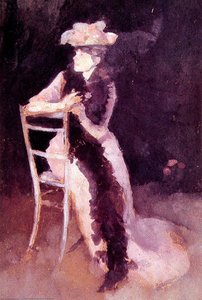
Annie Seated


A delicate monochrome study of quiet introspection, this 1859 graphite drawing by James Abbott McNeill Whistler captures the essence of Aestheticism and invites you to experience its serene, atmospheric beauty.
 Prečítať si viac
James Abbott McNeill Whistler (1834-1903): americký umelec, zakladateľ estetického hnutia. Preslávil sa nočtnými obrazmi, portrétmi a filozofiou "umel by umel". Pozrite si reprodukcie jeho ikonických diel!
Ručne maľovaná olejová reprodukcia
Ručne maľovaný olej na plátne vo vašej zvolenej veľkosti a v ráme, vyrobený na mieru našimi umelcami. ( Prepnúť na tlač Prepnúť na digitálnu verziu obrazu)




P118B $10

P118H $10

P118W $10

P438Z $10

P508JH $12

P508YH $12

P805H $10

P805Z $10

P919BZ $10

P919G $10

P919XJ $10

P959ZH $10

P968JZ $12

W106C $8

W218G $10

W218JH $8

W218Y $10

W307PJ $10

W316G $10

W316PJ $8

W316Y $10

W398PJ $8

W4111J $10

W500HY $15

W500JH $15

W692G $12

W849H $8

W940BG $15

W953PJ $8




Štandardné rozmery
na mieru
CM
INCH
Vyberte si z našich preddefinovaných rozmerov, ktoré zodpovedajú pôvodným pomeroḿ diela.
Loading sizes...

šírka
výška
Môžete zadať vlastné rozmery tak, aby sa hodili do konkrétneho rámu alebo priestoru. Ak sa váš zvolený rozmer nezhoduje s pôvodnými proporciami obrazu, dielo buď orezáme, alebo ho doplníme ručne maľovanými prvkami. Pred začiatkom výroby vám zašleme digitálny náhľad na schválenie.
Upozorňujeme, že ukážka na obrazovke neodráža skutočné orezanie ani doplnenie. Skutočnú finálnu kompozíciu zobrazuje iba digitálny náhľad.
Hoci sú k dispozícii vlastné rozmery, odporúčame vybrať rozmer z preddefinovaného zoznamu, aby sme zachovali pôvodné proporcie.
Príklady možných zmien: nahradiť tvár fotografiou zákazníka; pridať domáce zviera (napr. nahradiť mačku psom); vložiť skryté posolstvo do pozadia; zmeniť krajinu alebo prvky pozadia.
Po odoslaní objednávky vám tím TopImpressionists.com pošle e-mail s pokynmi a poskytne náhľad na návrh
Po odoslaní objednávky vám tím TopImpressionists.com pošle e-mail s pokynmi a poskytne náhľad na návrh
Celosvetová doprava () za 3 až 4 týždne namiesto štandardných 5 týždňov. (23 september). Bez kompromisov v kvalite.

Bezplatná expresná doprava po celom svete

Vysokokvalitné lnianske plátno

Úplné poistenie prepravy

Záruka vrátenia colného poplatku

Záruka presného farebného zhodnutia

100-dená politika vrátenia tovaru (iba pri vadách)

100% záruka vrátenia peňazí

Ponuka množstevnej zľavy
 Možnosť skla je dostupná len pri rozmeroch pod 110 cm

Annie Seated
Spôsob reprodukcie
Veľkosť reprodukcie
-


Celková cena
$ 269
A Symphony in Gray: The Intimate World of Annie Seated
In the quietude of James Abbott McNeill Whistler’s 1859 masterpiece, “Annie Seated,” we encounter a moment suspended in time, far removed from the clamor of the industrial age. This delicate work is not merely a portrait of a young woman; it is a profound meditation on atmosphere and the beauty of restraint. Through a masterful command of monochrome tones, Whistler invites us into a private sanctuary where the boundaries between subject and space begin to dissolve. The figure, likely Annie Harriet Haden, sits with a poised yet vulnerable grace, her presence anchored by the simple geometry of a wooden chair against a neutral, receding wall. There is an undeniable intimacy in this composition, a sense that we are witnessing a fleeting, silent breath captured forever in graphite and ink.
The technical brilliance of this piece lies in its subtle complexity. Utilizing the meticulous technique of drypoint etching with pencil, Whistler achieved a textural richness that defies its monochromatic palette. By layering intricate hatching and crosshatching, he built up tonal gradations that mimic the soft grain of paper and the delicate folds of fabric. This approach allows for a play of light that feels diffused and ethereal, as if the scene is viewed through a gentle morning mist. The influence of Japonisme—the mid-19th-century European fascination with Japanese aesthetics—is palpable in the way Whistler prioritizes flat planes of tone and organic, flowing lines over heavy shadows or dramatic perspective. This stylistic choice lends the artwork a modern, almost minimalist elegance that remains strikingly relevant to contemporary tastes.
The Philosophy of Aestheticism and Emotional Resonance
To understand “Annie Seated,” one must understand Whistler’s radical rebellion against the Victorian era's obsession with moralizing art. During a time when paintings were expected to tell didactic stories or convey heavy-handed social messages, Whistler championed the creed of “art for art’s sake.” He believed that the primary purpose of a work was to evoke sensory pleasure and aesthetic harmony through color, form, and composition alone. In this drawing, there is no grand narrative or historical drama; instead, the emotional weight is carried by the subject's downward gaze and the quiet stillness of her posture. This creates a sense of profound introspection and melancholy, making the piece an ideal focal point for spaces designed for contemplation and peace.
For the discerning collector or interior designer, “Annie Seated” offers a timeless versatility. Its neutral, cream-and-gray palette acts as a sophisticated anchor in any room, complementing both classical and modern decor. Whether placed in a sunlit gallery or a moody, dimly lit study, the artwork brings with it an aura of intellectual depth and understated luxury. A high-quality reproduction of this work allows one to possess not just a beautiful image, but a piece of art history—a fragment of the movement that redefined the boundaries of modern beauty and taught us to find magic in the most subtle of shadows.
Biografia umelca
A Life Shaped by Aestheticism: The World of James Abbott McNeill Whistler
James Abbott McNeill Whistler, narodený v Lowelle v Massachusetts v roku 1834, bol umelec, ktorý neustále stápol proti konvenciám – majster “umelosti pre umelosť samotnú” počas éry, ktorá sa usilovala o morálne rozprávky. Jeho rané roky, poznačené častými presťahovaniami vďaka jeho otcovi ako inžinérovi železničných ciest, v ňom zasiali pocit prispôsobivosti a vystavení rôznym prostrediam. Krátka, nespokojná skúška na Westpointe, nasledovaná prácou pre americkú pobrežnú a geodetickú službu – hoci oddialila, nezničila jeho burzajúci záujem o umenie. Tieto formujúce roky boli charakterizované vrodeným talentom v kreslení a odhodlaním usilovať sa o kariéru umelca, čo ho nakoniec doviedlo cez Atlantik a do srdca európskeho avantgárdu. Semene Whistlerovej umeleckej rebélie boli zasiate na ranom mieste, kŕmilé duchom, ktorý odolával konformite a prijímal estetickú skúmanie predovšetkým.Parisian Beginnings and the Cultivation of Style
Kľúčový okamih v Whistlerovej umeleckej ceste nastal s jeho presťahovaním do Paríža v roku 1855. Tu, pod vedením Sébastiana Bouré, zdokonalil svoje zručnosti v oleji, aquarele a gravírovaniach, absorboval vplyvy francúzskeho realizmu a Barbizonských maľiarov. Whistler však rýchlo prešiel za hranice jednoduchého napodobňovania, vyvinul si osobitý štýl charakterizovaný tónovými harmóniami a atmosférickymi efektmi. Nebol zaujatý replikovaním reality; skôr hľadal jej *essenciu*, jej plytúchu náladu a jemné nuansy. Tento obdobie značilo kľúčový posun od reprezentácie presnosti k skúmaniu čistého estetického tvaru. Jeho skoré diela už naznačovali jemnú rovnováhu medzi pozorovaním a abstrakciou, ktorá by definovala jeho zrelý štýl. Whistler začal v Paríži formulovať svoju vieru, že umenie by malo byť hodnotené len na základe svojich estetických kvalít, bez morálnych alebo sociálnych rozprávok – filozofiu, ktorá sa stala základom jeho umeleckej praxe a definujúcim znakom Estetického hnutia.Nocturnes, Portraits and the Pursuit of Harmony
Whistlerova umelecká videnie sa zhmotnila v niekoľkých kľúčových témach a štýlových rozhodnutiach. Prosperoval za koncept “umelosti pre umelosť samotnú”, odmietol rozprávky ladené morálnymi alebo sociálnymi komentármi. Jeho diela sa stala cvičením na zachytávanie jemných nuancií svetla, farieb a atmosféry – úsilie, ktoré viedlo k jeho ikonickým *Nocturnám*. Tieto atmosférické maľby západov slnka, často zobrazujúce Temzu rieku v noci, neboli určené ako doslovné reprezentácie, ale skôr evokujúcimi dojmom, štúdiami tónovej harmonie a nálady. Používal obmedzené palety a jemnú techniku štetca, čím vytváral pocit éterickej krásy a pokojného zamyslenia. Portréty tiež zohrávali stredovú pozíciu v jeho praxi, hoci k nim pristupoval s jedinečným citom. Whistler nebol zaujatý zachytávaním dokonalých podobností; skôr sa sústavil na kompozičné usporiadky a tónové vzťahy, považujúc svojich modelov za estetické prvky v starostlivo vytvorenom rámci. Diela ako *Arrangement in Grey and Black No. 1* – známejšie ako *Whistler’s Mother* – dokonale demonštrujú tento prístup, transformujúce rodinný portrét na ikonický obraz viktoriánskej matky prostredníctvom svojho mistrovského použitia tvaru a tónu.Controversy, Influence and Lasting Legacy
Whistlerova kariéra nebola bez kontroverzie. Infámnosť sporu s kritikom Johnom Ruskinom v roku 1878, vyvolaná maľbou *Nocturne in Black and Gold – The Falling Rocket*, sa stala milníkovým okamihom v dejinách umenia. Whistler úspešne obhájil svoju umeleckú autonómiu, argumentujúc, že jeho diela neboli určené na doslovné reprezentácie, ale na estetické usporiadky farieb a tvarov. Tento spor zvýšil jeho profil a vyvolal dôležité debaty o povzbudení umenia a umeleckej slobody. Okrem tejto právnej bitky Whistlerov vplyv prešiel ďaleko a široko. Bol hlboko inšpirovaný japonskými rytinami (ukiyo-e), ktoré ovplyvnili jeho kompozičné princípy a dôraz na dekoratívne vzory, ako aj tónové mistrovstvo španielskeho maľára Velázqueza. Jeho propagácia “umelosti pre umelosť samotnú” hlboko ovplyvnila Estetické hnutie v Anglicku a Amerike, čím pripravil cestu k modernizmu a zmenšil konvencie umeleckého účelu. Zanechal nezmaznateľný odkaz americkému umeniu, inšpirujúc ďalšie generácie umelcov, aby prijali formalistické prístupy a skúmali expresívny potenciál farieb a kompozície.- Významné diela: *The Forge* (1861), *Portrait of Charles Lang Freer* (1873), *Brown and Gold: The Gold Girl—Connie Gilchrist* (1876-77), *Arrangement in Grey and Black No. 1 (Whistler’s Mother)* (1871), *Nocturne in Black and Gold – The Falling Rocket* (1875).
- Vplyvy: Japonské rytiny, Velázquez.

James Abbott McNeill Whistler
1834 - 1903 , Spojené štáty americké
Rýchle fakty
- Artistic Movement Or Style: Tonalizmus, Estetický pohyb
- Artists Or Movements Influenced By This Artist:
- Estetický pohyb
- Modernizmus
- Artists Who Influenced This Artist:
- Velázquez
- Japonské tisky
- Date Of Birth: 14. júl 1834
- Date Of Death: 1903
- Full Name: James Abbott McNeill Whistler
- Nationality: Amerikanec
- Notable Artworks:
- Matka
- Nocturne
- Forge
- Place Of Birth: Lowell, USA
Súvisiace články

10 Iconic Etchings That Revolutionized the World of Art
Journey through history with 10 legendary etchings that redefined art. From Rembrandt to Goya, explore the stories behind these timeless masterpieces and find museum-quality reproductions for your decor. Discover all masterpieces on TopImpressionists.com.

10 Iconic Graphite Pencil Masterpieces That Redefined Art History
Journey through history with 10 legendary graphite pencil masterpieces. Explore the profound techniques and stories behind these iconic monochrome works. Find museum-quality art reproductions and curated decor inspiration at TopImpressionists.com. Discover all masterpieces on TopImpressionists.com.

Mastering Monochrome: Top 10 Famous Paintings Dominated by Gray Tones
Explore the profound beauty of monochrome mastery. From moody Impressionist landscapes to atmospheric classics, discover 10 iconic paintings defined by gray tones. Find inspiration for your decor with museum-quality art reproductions. Explore the full collection online at TopImpressionists.com.
Preskúmajte umelecká diela usporiadané podľa tém, štýlov a charakteristík.