


 Zobraziť v interiéri
 Odoslať
 Zdieľať
 Podrobnosti
 Príručka

 Stiahnuť
 Podobné položky
 RTG skúška
 Prehliadanie diapo\]
 Štatistiky
Deesis
 Oil On Panel
- WallArt
- Renaissance
 1527
1527- Renaissance
 133.0 x 122.0 cm
 Prado Museum
Discover Jan Gossaert’s ‘Deesis,’ a stunning 1527 Renaissance masterpiece! Admire its rich detail, dramatic lighting & profound religious symbolism in this exquisite oil painting.
 Prečítať si viac
Objavte Jana Gossaerta (Mabuse), flamandského maliara z 15. až 16. storočia! Preskúmajte jeho romanistický štýl, náboženské scény a portréty – kľúčovú postavy renesančného umenia.
Ručne maľovaná olejová reprodukcia
Ručne maľovaný olej na plátne vo vašej zvolenej veľkosti a v ráme, vyrobený na mieru našimi umelcami. ( Prepnúť na tlač Prepnúť na digitálnu verziu obrazu)




P118B €10

P118H €10

P118W €10

P438Z €10

P508JH €12

P508YH €12

P805H €10

P805Z €10

P919BZ €10

P919G €10

P919XJ €10

P959ZH €10

P968JZ €12

W106C €8

W218G €10

W218JH €8

W218Y €10

W307PJ €10

W316G €10

W316PJ €8

W316Y €10

W398PJ €8

W4111J €10

W500HY €15

W500JH €15

W692G €12

W849H €8

W940BG €15

W953PJ €8




Štandardné rozmery
na mieru
CM
INCH
Vyberte si z našich preddefinovaných rozmerov, ktoré zodpovedajú pôvodným pomeroḿ diela.
Loading sizes...

šírka
výška
Môžete zadať vlastné rozmery tak, aby sa hodili do konkrétneho rámu alebo priestoru. Ak sa váš zvolený rozmer nezhoduje s pôvodnými proporciami obrazu, dielo buď orezáme, alebo ho doplníme ručne maľovanými prvkami. Pred začiatkom výroby vám zašleme digitálny náhľad na schválenie.
Upozorňujeme, že ukážka na obrazovke neodráža skutočné orezanie ani doplnenie. Skutočnú finálnu kompozíciu zobrazuje iba digitálny náhľad.
Hoci sú k dispozícii vlastné rozmery, odporúčame vybrať rozmer z preddefinovaného zoznamu, aby sme zachovali pôvodné proporcie.
Príklady možných zmien: nahradiť tvár fotografiou zákazníka; pridať domáce zviera (napr. nahradiť mačku psom); vložiť skryté posolstvo do pozadia; zmeniť krajinu alebo prvky pozadia.
Po odoslaní objednávky vám tím TopImpressionists.com pošle e-mail s pokynmi a poskytne náhľad na návrh
Po odoslaní objednávky vám tím TopImpressionists.com pošle e-mail s pokynmi a poskytne náhľad na návrh
Celosvetová doprava () za 3 až 4 týždne namiesto štandardných 5 týždňov. (8 október). Bez kompromisov v kvalite.

Bezplatná expresná doprava po celom svete

Vysokokvalitné lnianske plátno

Úplné poistenie prepravy

Záruka vrátenia colného poplatku

Záruka presného farebného zhodnutia

100-dená politika vrátenia tovaru (iba pri vadách)

100% záruka vrátenia peňazí

Ponuka množstevnej zľavy
 Možnosť skla je dostupná len pri rozmeroch pod 110 cm

Deesis
Spôsob reprodukcie
Veľkosť reprodukcie
-


Celková cena
€ 274
A Divine Encounter: The Sacred Majesty of Jan Gossaert’s Deesis
In the quiet, hallowed atmosphere of the early sixteenth century, few works captured the intersection of earthly realism and celestial glory as profoundly as Jan Gossaert’s Deesis. Created in 1527, this masterpiece serves as a breathtaking window into the soul of the Northern Renaissance. The painting presents a sacred triad: Christ at the apex, flanked by the Virgin Mary and St. John the Baptist. This traditional iconographic arrangement, known as the Deësis—or "supplication"—depicts the holy figures in a moment of eternal intercession for humanity. As one gazes upon the composition, there is an immediate sense of being drawn into a divine court, where the boundaries between the viewer and the heavens begin to dissolve.
The emotional resonance of the piece lies in its delicate balance of power and tenderness. Gossaert, often referred to by his evocative moniker Mabuse, masterfully utilizes a triangular composition to guide the eye upward toward the central figure of Christ. The lighting is nothing short of dramatic; a soft yet piercing radiance emanicates from the center, illuminating the faces of the saints with a glow that feels both physical and spiritual. This chiaroscuro effect creates deep, velvety shadows within the dark wooden arch that frames the scene, lending the work a sculptural weight and an air of profound mystery. For the collector or designer, this painting offers more than mere decoration; it provides a focal point of intense contemplation and quiet strength.
The Alchemy of Technique and Texture
To appreciate the Deesis is to marvel at the technical virtuosity of the Netherlandish tradition blended with the burgeoning influences of Italian Romanism. Gossaert was a pioneer, an artist who breathed the air of Rome and brought its classical elegance back to the Low Countries. In this work, we see the meticulous attention to detail characteristic of his Flemish roots—the heavy, tactile folds of the drapery, the subtle translucency of skin, and the rich, opulent textures of gold and deep crimson pigments. The use of oil on wood panel allows for a layering of glazes that gives the colors an inner luminosity, making the gold leaf appear to shimmer as if caught in a flickering candlelight.
Every brushstroke serves a purpose in building a sense of tangible reality. The organic shapes of the flowing robes and rounded, compassionate faces contrast beautifully with the rigid, geometric architecture of the arched frame. This interplay between the soft and the structured creates a rhythmic harmony that is deeply pleasing to the eye. For those seeking to incorporate such a piece into a curated interior, the painting’s rich palette of earth tones, golds, and deep reds offers a sophisticated foundation for any classical or transitional design scheme, bringing an aura of historical prestige and timeless elegance to a room.
A Legacy of Faith and Humanism
Beyond its aesthetic brilliance, the Deesis is a profound theological statement. It captures the precise moment in art history when the medieval preoccupation with symbolic representation began to embrace the humanistic focus on anatomical accuracy and spatial depth. The gestures within the painting—Mary’s prayerful tilt and John the Baptist’s outstretched hand—are not merely poses; they are silent prayers captured in oil. They represent the bridge between the mortal struggle and divine mercy.
Owning a high-quality reproduction of this work allows one to invite this spirit of reverence into the modern home. It is an invitation to slow down, to observe the intricate details of Gossaert’s genius, and to find beauty in the intersection of the human and the divine. Whether placed in a private study, a grand library, or a sophisticated living space, the Deesis stands as a testament to the enduring power of Renaissance mastery, offering an unparalleled sense of peace, history, and artistic splendor.
Otázky a odpovede
Kto vytvoril "Deesis"?
Autorom diela „Deesis“ je Jan Gossaert (Mabuse). Prácu nájdete v katalógu pod menom Jan Gossaert (Mabuse).
Aké sú reprodukčné práva k dielu „Deesis“ v múzeu Prado Museum?
Dielo „Deesis“ od Jan Gossaert (Mabuse), ktoré sa nachádza v múzeu Prado Museum, je v v verejnom vlastníctve – autorské práva vypršali. Tento stav určuje, či je možné vytvárať reprodukcie tohto obrazu.
V akom veku vytvoril/a Jan Gossaert (Mabuse) dielo „Deesis"?
Keď bolo dielo „Deesis“ vytvorené v roku 1527, umelec Jan Gossaert (Mabuse) – narodený v roku 1478 – mal 49 rokov.
Aká farebná paleta je použitá v díle „Deesis“ od Jan Gossaert (Mabuse)?
„Deesis“ od Jan Gossaert (Mabuse) využíva Earthy farebnú paletu. Táto paleta vystihuje celkový farebný charakter diela.
Patrí „Deesis“ od Jan Gossaert (Mabuse) do verejnej domény?
Čo sa týka autorských práv, „Deesis“ je v v verejnom vlastníctve – autorské práva vypršali.
Zostalo dielo „Deesis“ v domovskej krajine svojho umelca?
Nie – dielo sa nachádza v zahraničí. Jan Gossaert (Mabuse) sa narodil v Francúzsko, zatiaľ čo originál diela „Deesis“ sa nachádza v múzeu v krajine Spain.
V ktorom roku bolo vytvorené dielo „Deesis“ od Jan Gossaert (Mabuse)?
Vznik diela „Deesis“ od Jan Gossaert (Mabuse) sa datuje do roku 1527.
Biografia umelca
Pionier renesancie: Život a odkaz Jana Gossaerta
V meniacej sa krajine raného šestnásťtročného storočia premostilo len málo umelcov medzeru medzi dôslednými tradíciami Severu a rozkvitajúcim humanizmom Juhu tak majstrovsky ako Jan Gossaert. Historii známy pod pôvabným pridomkom Mabuse, tento vizionársky maliar vyšiel z Maubeuge vo Francúzsku, aby sa stal jedným z kmeňových kameňov romanistického hnutia. Jeho životné dielo predstavuje hlbokú metamorfóznym premenu nizozemského umenia, v ktorej sa ostrý, hmatateľný realizmus flamandských majstrov stretol s veľkolepou, sochárnou eleganciou talianske renesancie. Študovať Gossaerta znamená byť svedkom samotného okamihu, kedy stredovekáčna duša začala prijímať klasické svetlo antiky.
Hoci presné detaily jeho raného vzdelávania zostávajú skryté v hmle času, Gossaertovo umelecké DNA bolo hlboko zakorenené v tradíciách Nízkej krajiny. Považuje sa za samozrejmosť, že svoje formujúce roky strávil osvajovaním si technickej precíznosti majstrov ako Rogier van der Weyden a Hugo van der Goes. Od týchto predchádzajúcich umelcov odzdedil nezrovnateľnú oddanosť detailu – spôsob vykresľovania textúr, tkanín a svetla, ktorý pôsobil divákovi takmer hmatateľne. Gossaert však nebol len prostým imitátorom minulosti; vlastnil nenasytnú zvedavosť voči novému, čím sa pozeral na juh, aby do svojho rodného štýlu integroval anatomickú presnosť a architektrónsky grandióznosť talianske renesancie.
Syntéza Severu a Juhu
Skutočný génius Mabuse spočíva v jeho schopnosti harmonizovať dva zdan sa rozlíšené svety. Jeho vývoj ako romanistického maliara znamenal odklon od čisto gotických citivostí, ktoré dlho dominovali Severnej Európe. Zatiaľ čo predchádzajúci umelci sa sústredili na symbolickú hĺbujú a duchovnú ikonografiu, Gossaert do svojho diela vniesol pocit fyzickej váhy a klasických proporcií. Študoval ľudskú postavu s novou, vedeckou vigorosou, čo umožnilo jeho postavám zaplniť priestor so sochárnou prítomnosťou, ktorá bola pre jeho éru revolučná.
Táto štylistická evolúcia je najvýraznejšia v jeho spracovaní svetla a atmosféry. V jeho rukách svetlo scénu nielen osvetlňuje, ale doslova ju sočli. Využíval atmosférickú perspektívu na vytváranie rozľahlých, pohlcujúcich krajín, ktoré sa zdajú nekonečne ustupovať do vzdialenosti a poskytujú svojim predmetom dramatické pretóngum. Jeho kompozície často obsahujú komplexnú hru tieňov a žiarivosti, čo je technika, ktorá dodáva jeho náboženským a mytologickým scénam takmer teatrálnu intenzitu. Táto majstrovstvo mu umožnilo navigovať v jemnej rovnováhe medzi hlbokou duchovnou kontempláciou vyžadovanou náboženskými zam Auftragmi a intelektuálnou veľkoleposťou, ktorú si vyžadovali humanistickí učenci jeho doby.
Majstrovské diela a historický význam
Gossaertova produkčná kariéra bola udržiavaná prestížnou sieťou patronov, od bohatých kupcov až po vysoký duchovenstvo a šľachtu. Jeho tvorba bola mimoriadne rozmanitá, zahŕňajúc od monumentálnych oltárov, ktoré zakotvovali interiér katedrál, až po intímne portréty zachytávajúce psychologickú podstatu modelov. Medzi jeho najtrvavejšie príspevky patria:
- Náboženská ikonografia: Práce ako Deesis demonštrujú jeho schopnosť využívať svetlo a farbu na vyvolanie hlbokej duchovnej úcty, zobrazujúc Krista s majestátnosťou, ktorá je súčasne ľudská aj božská.
- Mytologické naratívy: V dieloch ako Hercules a Deianeira Gossaert predviedol svoju ovládnutosť klasickými témami a využíval svalnatosť starobylého mýtu na posúvanie hraníc severnej anatomickej maľby.
- Portrétne umenie: Jeho portréty predstavujú dôležité historické dokumenty, vyznačujúce sa dôsledným vykreslením kostýmu a dôstojným, nehybným pohľadom, ktorý odráža rastúce postavenie jednotlivca v renesančnej spoločnosti.
Historický význam Jana Gossaerta nemožno prehodnotiť. Pôsobil ako vitalný spojovací bod, ktorý prepravil klasické ideály Itálie cez Alpy a pevne ich zasadil do úrodnej pôdy Nízkej krajiny. Prepojením dôsledného remesla flamandskej tradície s štrukturálnymi inováciami rímskej renesancie otvoril cestu budúcim generáciám severných umelcov. Jeho odkaz zostáva vytesaný v samotnej tkanine umeleckej histórie ako symbol triumfálneho obdobia kultúrnej syntézy a umeleckého znovuzrodenia.

Jan Gossaert (Mabuse)
1478 - 1532 , Francúzsko
Rýchle fakty
- Artistic Movement Or Style: Romanistická maľba
- Artists Who Influenced This Artist:
- Andrea Mantegna
- Leonardo da Vinci
- Date Of Birth: Maubeuge, Francúzsko
- Date Of Death: 1532
- Full Name: Jan Gossaert (Mabuse)
- Nationality: Flem
- Notable Artworks:
- Deesis
- Hercules a Deianeira
- Svätá rodina
- Place Of Birth: Francúzsko
Súvisiace články
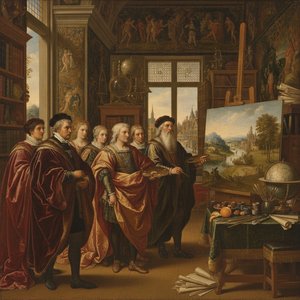
The Timeless Allure of Flemish Painting: A Journey Through Light and Detail
Embark on a luminous journey through the Flemish masters. Discover the alchemical secrets of oil glazing, intricate symbolism, and the breathtaking realism of the Northern Renaissance. An expert exploration of light and detail for the discerning art enthusiast.