

 Zobraziť v interiéri
 Odoslať
 Zdieľať
 Podrobnosti
 Príručka

 Stiahnuť
 Podobné položky
 RTG skúška
 Prehliadanie diapo\]
 Štatistiky
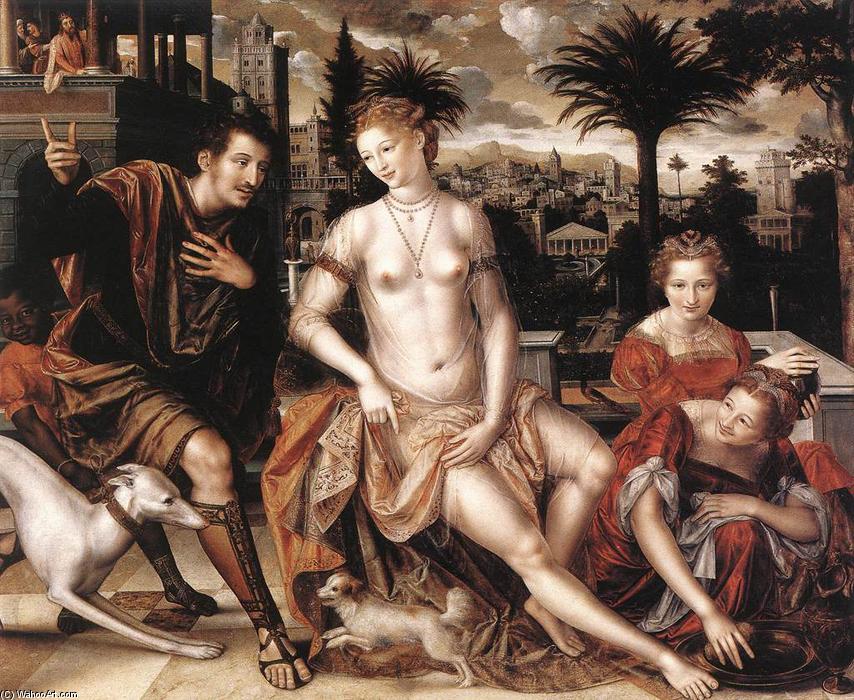
David and Bathsheba
 Oil On Canvas
- WallArt
- Baroque Renaissance Fusion
 1562
1562- Renaissance
 162.0 x 197.0 cm
 Louvre
Experience the dramatic chiaroscuro of Jan Massys's 1562 David and Bathsheba, a Renaissance masterpiece capturing an intimate biblical moment you will want to own.
 Prečítať si viac
Jan Massys
Ručne maľovaná olejová reprodukcia
Ručne maľovaný olej na plátne vo vašej zvolenej veľkosti a v ráme, vyrobený na mieru našimi umelcami. ( Prepnúť na tlač Prepnúť na digitálnu verziu obrazu)




P118B €10

P118H €10

P118W €10

P438Z €10

P508JH €12

P508YH €12

P805H €10

P805Z €10

P919BZ €10

P919G €10

P919XJ €10

P959ZH €10

P968JZ €12

W106C €8

W218G €10

W218JH €8

W218Y €10

W307PJ €10

W316G €10

W316PJ €8

W316Y €10

W398PJ €8

W4111J €10

W500HY €15

W500JH €15

W692G €12

W849H €8

W940BG €15

W953PJ €8




Štandardné rozmery
na mieru
CM
INCH
Vyberte si z našich preddefinovaných rozmerov, ktoré zodpovedajú pôvodným pomeroḿ diela.
Loading sizes...

šírka
výška
Zadajte šírku a výšku, ktoré potrebujete, aby sa dielo hodilo k vášmu rámu alebo stene. Keďže ide o ručnú maľbu, pri rozmeroch s odlišným pomerom strán môže umelec namalovať o niečo viac okolo obrázka alebo ho mierne orezatú — výber patrí vám. Pred začatím maľovania vám pošleme digitálnu ukážku na schválenie. Obrázok zobrazený na tejto stránke nenahrádza reálny výsledok — ten zobrazuje iba digitálna ukážka.
Príklady možných zmien: nahradiť tvár fotografiou zákazníka; pridať domáce zviera (napr. nahradiť mačku psom); vložiť skryté posolstvo do pozadia; zmeniť krajinu alebo prvky pozadia.
Po odoslaní objednávky vám tím TopImpressionists.com pošle e-mail s pokynmi a poskytne náhľad na návrh
Po odoslaní objednávky vám tím TopImpressionists.com pošle e-mail s pokynmi a poskytne náhľad na návrh
Celosvetová doprava () za 3 až 4 týždne namiesto štandardných 5 týždňov. (20 október). Bez kompromisov v kvalite.

Bezplatná expresná doprava po celom svete

Vysokokvalitné lnianske plátno

Úplné poistenie prepravy

Záruka vrátenia colného poplatku

Záruka presného farebného zhodnutia

100-dená politika vrátenia tovaru (iba pri vadách)

100% záruka vrátenia peňazí

Ponuka množstevnej zľavy
 Možnosť skla je dostupná len pri rozmeroch pod 110 cm

David and Bathsheba
Spôsob reprodukcie
Veľkosť reprodukcie
-


Celková cena
€ 234
A Moment Frozen in Time: The Allure of Jan Massys’s David and Bathsheba
In the heart of Renaissance Antwerp, a period defined by both profound religious devotion and burgeoning worldly curiosity, Jan Massys captured a scene of unparalleled emotional and narrative tension. His 1562 masterpiece, David and Bathsheba, is far more than a mere biblical illustration; it is a window into the human psyche, capturing the exact moment where desire meets consequence. The painting recounts the clandestine encounter between King David and the Moabite woman, Bathsheba, a narrative of illicit passion that has captivated viewers for centuries. As we gaze upon this monumental canvas, we are drawn into an intimate tableau where every gesture and glance speaks of a secret shared between the figures and the observer.
The composition is masterfully orchestrated to guide the eye through a landscape of moral ambiguity. David, positioned with a commanding yet contemplative presence, gestures toward something unseen—perhaps a divine warning or a silent acknowledgment of the gravity of his transgression. Opposite him, Bathsheba lies in a state of palpable vulnerability, her upward gaze creating a powerful diagonal line of tension that connects the two protagonists. This intimacy is not solitary; Massys surrounds the central pair with supporting figures, including a servant attending to Bathsheba’s needs, which serves to remind us of the societal eyes and the inevitable repercussions that follow such private indiscretions. Even the small, quiet presence of a dog nestled near the edge of the scene adds a layer of symbolic depth, perhaps representing the lost innocence or the concept of fidelity amidst a moment of profound betrayal.
Mastery of Light and Texture in the Flemish Tradition
To behold this work is to witness the pinnacle of Renaissance oil technique. Massys utilized the medium of oil on canvas to achieve a level of realism that feels almost tactile. Through the meticulous application of paint, he renders the heavy, intricate folds of David’s robes with such precision that one can almost sense the weight of the fabric. This technical prowess extends to the delicate rendering of Bathsheba’s skin, where subtle glazing effects create a luminous, soft quality that contrasts beautifully with the more structured elements of the background.
Central to the painting's emotional impact is Massys’s use of chiaroscuro. By employing dramatic contrasts between deep shadows and brilliant highlights, the artist sculpts the figures out of the darkness, lending them a three-dimensional presence that commands the room. This manipulation of light does more than just define form; it heightens the atmospheric intensity, casting a somber, reflective mood over the entire scene. For the collector or the interior designer, such a piece offers a profound sense of drama and historical weight, making it an ideal centerpiece for spaces that value sophisticated storytelling and the timeless elegance of the Flemish masters.
Otázky a odpovede
Aká farebná paleta je použitá v díle „David and Bathsheba“ od Jan Massys?
Paleta diela „David and Bathsheba“ od Jan Massys je opísaná ako Earthy. Ide o stručný popis farieb tohto diela.
Nachádza sa dielo „David and Bathsheba“ od Jan Massys v domovskej krajine umelca?
Nie – dielo sa nachádza v zahraničí. Jan Massys sa narodil v Belgysko, zatiaľ čo originál diela „David and Bathsheba“ sa nachádza v múzeu v krajine France.
O čom je dielo "David and Bathsheba"?
Predmetmi diela „David and Bathsheba“ sú biblical narrative, royal intrigue, sensuality, allegory, human emotion, renaissance painting, religious iconography.
Biografia umelca
Flemishský majster, ktorý kráčal novou cestou
Jan Massys, známy aj ako Jan Massijs, predstavuje kľúčovú postać v prosperujúcej umeleckej krajine 16. storočia vo Flandérii. Narodený okolo roku 1466 v Louvaine v Belgii, jeho život a tvorba predstavujú fascinujúce pretiekanie tradície a inovácie, náboženskej oddanosti a bystrej sociálnej komentáre. Hoci legendy pôvodne vykreslovali obraz kováča, ktorý sa stal umelcom – príbeh naznačujúci skromný pôvod poháňaný vášnivou tvorbou – historické záznamy odhaľujú rodinu s ugruntovaným majetkom, čo naznačuje, že Massysova vášeň pre maliarstvo prameneľa z umeleckého vnútenia skôr než z ekonomickej nevyhnutnosti. Karel van Mander naznačuje, že choroba podnecila jeho odchod od kováčskej tehly, čo ho priviedlo k zdobeniu printov pre karnevalové oslavy, čo bol jeho skorý ventil pre rozkvitajúcu kreativitu. Základnú prípravu pravdepodobne absolvoval v Louvaine predtým, než sa okolo roku 1491 presťahoval do Antverp, kde si rýchlo vybudoval postavenie v Cechu svätého Lukáša a etabloval sa ako majster maliar, čím položil základy tomu, čo sa neskôr stalo známym ako antverpská škola. Verí sa, že pod Massysovou výučbou študoval aj Joachim Patinir, známy svojimi evokatívnymi krajinami, čo prispelo k atmosférickým pozadiam v niektorých jeho díloch – čo je dôkazom kolaboratívneho ducha v rámci umeleckej dielne.Echa tradície a vzlietajúci hlas
Massysov umelecký štýl je hlboko zakorenený v flamandskej tradícii, vedome oživujúcej dôsledný detail a expresívnu silu majstrov ako Jan van Eyck a Rogier van der Weyden. Majstrovsky kombinoval pevné kontúry s jemným modelovaním, čím dosiahol pozoruhateľnú jasnosť a hĺbku vo svojich kompozíciách. Jeho maľby sú charakteristické žiariacou bohatosťou vychádzajúcou z transparentných pigmentov, čo dodáva éterický nádych tak náboženským scénam, ako aj svetským portrétom. Massys však nereplikoval len minulosť; preplietal ju s výrazne osobnou víziou. Ovládal výnimočnú schopnosť zachytiť uprijmené emócie a mikroskopické detaily, pričom venoval mimoriadnu pozornosť textúram – lesku šperkov, zložitému lemovaniu odevov či jemnej ornamentike, ktorá jeho diela pozdvihla nad rámec čystej reprezentácie. Tento dôsledný prístup sa rozšíril aj na jeho skúmanie svetla a tieňa, vytvárajúc striedmavé, no pútavé efekty, ktoré diváka vtiahli do samého srdca každej scény. Nebojal sa čeliť komplexným témam a plynule spájal náboženské naratívy s hlbokými pozorovaniami ľudskej prírody a spoločenských dynamik.Sátira, duchovnosť a trvajúce dojmy
Massysovo dielo je mimoriadne rozmanité, zahŕňajúc tak hlboko uctievavé náboženské oltáre aj odvážne satyrické portréty, ktoré spochybňovali konvenčné normy. Medzi jeho najslávnejšie práce patria Ogly Duchess (Ošklivá vévodkyňa) z roku 1513, ikonický obraz, ktorý vyvolal debaty svojím neúprosnym vykreslením starnutia a spoločenských štandardov krásy; Portrét staršieho muža (1ujú 1513), ktorý pokračuje v tejto línii sociálneho komentára, a Menovateľ a jeho manželka (1514), pôsobivý obraz chamtivosti a lakomosť v rámci kupcovskej triedy. Tieto satyrické kusy boli na svoju dobu revolučné, pretože ponúkali relatively neobvyklú formu kritiky prostredníctvom portrétnej maľby – čo je svedectvom Massysovej odvahy a umeleckej vízie. Okrem týchto striking portrétov vytvoril početné náboženské oltáre a triedy triptychov, vrátane významných zakázok pre kostol svätého Petra v Louvaine, čím demonštroval svoju všestrannosť a zručnosť pri veľkolepých devócionálnych díloch. Dokonca aj diela ako Venus of Cythera (1561) odhaľujú fascináciu klasickými témami a môžu odrážať povedomie o umeleckom vývoji, ktorý sa v tom čase dial v Taliansku.Odkaz vytesaný v Antverpách
Massysov vplyv presiahol daleko za jeho vlastný vek, upevňujúc jeho pozíciu zakladateľa prestížnej antverskej školy spolu s jeho synom Quintenom Massysom a bratom Cornelisom Massysom. Umelecky syntetizoval vplyvy ranších flamandských majstrov – Dirk Bouts, Hans Memling, Rogier van der Weyden a Jan van Eyck – pričom zároveň začlenil prvky z Talianska a ďalších regiónov Nízkej krajiny. Táto fúzia vytvorila jedinečnú umeleckú identitu, ktorá definovala antverskú školu pre nasledujúce generácie. Jeho dôraz na individuálnu charakterizáciu a realistické vykreslenie ľudských emócií rezonoval u neskorších umelcov a inšpiroval ich k hľadaniu nových ciest vyjadrenia. V neskoršom veku čelil Massys ťažkým obdobiam, vrátane vyhnanstva z Antverp kvôli náboženským presvedčeniam, čo ho prinútilo hľadať útočisko v Taliansku a Francúzsku predtým, než sa nakoniec vrátil domov. Napriek týmto výzvám pokračoval v prijímaní zakázok, čo dokazuje jeho trvajúcu reputáciu a umeleckú silu až do jeho smrti v roku 1575. Jeho odkaz zostáva nezpochybniteľný – je to svedectvo o maliarovi, ktorý nielen ovládol techniky svojich predchádzajúcich majstrov, ale odvážil sa aj spochybňovať konvencie a ponúknuť jedinečne hlbokú víziu sveta okolo seba.Objavovanie Massysovho sveta dnes
- Dielňa Jana Massysa: Objavte túto pútavú maľbu zo 16. storočia, ktorá zobrazuje spoločenské stretnutie s detailnými postavami a bohatou atmosférou.
- Svätá rodina: Preskúmajte túto úžasnú olejomaľbu z raného renesancie a obdivujte jej realistické postavy, bohaté detaily, symboliku a techniku.
- Quinten Massys: Ponorte sa do tvorby Janovho syna, kľúčovej postavy flamandskej renesančnej umeleckej scény, známeho svojimi náboženskými maľbami a satyrickými dielami.

Jan Massys
1466 - 1530 , Belgysko
Rýchle fakty
- Artistic Movement Or Style: Renesancia
- Artists Or Movements Influenced By This Artist: ['Antverpská škola']
- Artists Who Influenced This Artist:
- Dirk Bouts
- Jan van Eyck
- Rogier van der Weyden
- Date Of Birth: ok. 1466
- Date Of Death: 1530
- Full Name: Jan Massys
- Nationality: Flem
- Notable Artworks:
- Ošklivá vévodkyňa
- Menší príkazník a jeho manželka
- Venuša z Cythery
- Place Of Birth: Leuven, Belgленно
Súvisiace články

Drama and Light: Discover the Captivating Grandeur of Baroque Art
Immerse yourself in the dramatic splendor of Baroque art. Explore the profound impact of light, shadow, and the Counter-Reformation through an expert historical lens, celebrating the masters who defined an era of unparalleled grandeur and emotional intensity.
Preskúmajte umelecká diela usporiadané podľa tém, štýlov a charakteristík.
