


 Zobraziť v interiéri
 Odoslať
 Zdieľať
 Podrobnosti
 Príručka

 Stiahnuť
 Podobné položky
 RTG skúška
 Prehliadanie diapo\]
 Štatistiky
Arran Landscape
 Impressionism
 31.0 x 41.0 cm
Discover 'Arran Landscape' by John Stewart – a serene oil painting of Scotland’s rugged beauty. Impressionistic style, thick texture & timeless appeal. Explore now!
Discover John Stewart (b. 1948), a British marine artist celebrated for his evocative paintings of clipper ships & coastal scenes. Explore auction records & artworks capturing the beauty and history of the sea. #marineart #britishartist #ships #paint
 Prečítať si viac
Umelecké dielo zobrazené na tejto stránke je chránené autorským zákonom, čo znamená, že nemôžeme legálne vytvárať ani predávať jeho identickú reprodukciu. Táto ochrana je vymáhaná na základe medzinárodných dohôd, ako napríklad Bernská konvencia a národnými zákonmi, vrátane tých, ktoré sú stanovené v Autorské právo USA – Title 17. Všetky práva vyhradené.
Ako rešpektujúca a legálna alternatíva ponúkame vlastné, ručne maľované diela inšpirované originálom. Naši skúsení a profesionálni umelci dôkladne študujú štýl, náladu a umelecký podnet originálu, aby vytvorili nové, jedinečné dielo, ktoré vyvoláva rovnaký pocit – pričom samo ostáva vlastným originálnym dielom.
Táto metóda plne dodržiava autorské práva, pretože nezahŕňa kopírovanie ani duplikovanie chráneného diela. Ide skôr o kreatívnu reinterpretáciu – nový obraz, ktorý je ovplybnený originálom, no nie je s ním identický.
Ručne maľovaná olejová reprodukcia
Ručne maľovaný olej na plátne vo vašej zvolenej veľkosti a v ráme, vyrobený na mieru našimi umelcami. ( Prepnúť na tlač Prepnúť na digitálnu verziu obrazu)




































Štandardné rozmery
na mieru
CM
INCH
Vyberte si z našich preddefinovaných rozmerov, ktoré zodpovedajú pôvodným pomeroḿ diela.
Loading sizes...

šírka
výška
Zadajte šírku a výšku, ktoré potrebujete, aby sa dielo hodilo k vášmu rámu alebo stene. Keďže ide o ručnú maľbu, pri rozmeroch s odlišným pomerom strán môže umelec namalovať o niečo viac okolo obrázka alebo ho mierne orezatú — výber patrí vám. Pred začatím maľovania vám pošleme digitálnu ukážku na schválenie. Obrázok zobrazený na tejto stránke nenahrádza reálny výsledok — ten zobrazuje iba digitálna ukážka.
Príklady možných zmien: nahradiť tvár fotografiou zákazníka; pridať domáce zviera (napr. nahradiť mačku psom); vložiť skryté posolstvo do pozadia; zmeniť krajinu alebo prvky pozadia.
Po odoslaní objednávky vám tím TopImpressionists.com pošle e-mail s pokynmi a poskytne náhľad na návrh
Po odoslaní objednávky vám tím TopImpressionists.com pošle e-mail s pokynmi a poskytne náhľad na návrh
Celosvetová doprava () za 3 až 4 týždne namiesto štandardných 5 týždňov. (19 október). Bez kompromisov v kvalite.

Bezplatná expresná doprava po celom svete

Vysokokvalitné lnianske plátno

Úplné poistenie prepravy

Záruka vrátenia colného poplatku

Záruka presného farebného zhodnutia

100-dená politika vrátenia tovaru (iba pri vadách)

100% záruka vrátenia peňazí

Ponuka množstevnej zľavy
 Možnosť skla je dostupná len pri rozmeroch pod 110 cm

Arran Landscape
Spôsob reprodukcie
Veľkosť reprodukcie
-


Celková cena
€ 234
Súvisiace diela


Biografia umelca
John Stewart: A Master of the Sea
Born in 1948, British marine artist John Stewart has dedicated his life to capturing the majestic beauty and timeless drama of the sea. More than simply depicting ships and coastal scenes, Stewart’s work evokes a profound connection with maritime history, the power of nature, and the enduring spirit of exploration. His paintings aren't mere representations; they are immersive experiences, transporting viewers to windswept decks, sun-drenched harbors, and the vast expanse of the ocean itself.
Stewart’s artistic journey began early, fueled by a lifelong fascination with sailing and the sea. Growing up in Britain, he spent countless hours observing ships at anchor, listening to tales of seafaring adventures, and absorbing the atmosphere of coastal communities. This intimate connection with maritime life would profoundly shape his artistic vision, informing his meticulous attention to detail, his masterful use of light and shadow, and his deep respect for the traditions of shipbuilding and navigation.
Initially influenced by the Romantic era’s fascination with nature and heroic narratives, Stewart's style evolved over time. Early works demonstrate a clear debt to artists like Turner and Conrad Wyld, characterized by loose brushwork and atmospheric perspective. However, he quickly developed his own distinctive voice, refining his technique to achieve an unparalleled level of realism and emotional depth. His later paintings showcase a remarkable control of color and texture, capturing the subtle nuances of light on water, the weathered surfaces of old vessels, and the rugged beauty of coastal landscapes.
The Clipper Ship Obsession
A defining element of Stewart’s oeuvre is his unwavering fascination with clipper ships – those elegant, swift sailing vessels that dominated transatlantic trade in the 19th century. These magnificent ships, symbols of technological innovation and daring seamanship, hold a particular allure for Stewart. He has created an extensive body of work dedicated to these iconic vessels, meticulously recreating their intricate rigging, gleaming hulls, and proud silhouettes against dramatic skies.
“The Road to Warden’s Farm, Finnart,” one of his most celebrated paintings, exemplifies this passion. This evocative scene captures a clipper returning into coastal waters, bathed in the golden light of late afternoon. The painting's loose brushwork and atmospheric perspective create a sense of movement and drama, while the meticulous detail with which Stewart renders the ship’s rigging and sails speaks to his deep understanding of maritime technology.
Beyond individual ships, Stewart often depicts entire fleets engaged in dynamic action – battling storms, navigating treacherous currents, or racing against the wind. These scenes are not merely illustrations of nautical prowess; they are celebrations of human courage, ingenuity, and the enduring spirit of adventure. “Above Corrie, Arran, Looking towards Glen Sannox” showcases this ability to capture a serene Scottish landscape while hinting at the powerful forces that shape it.
Beyond Ships: Coastal Landscapes and Historical Context
While clipper ships occupy a prominent place in Stewart’s artistic output, his work extends far beyond maritime subjects. He is equally adept at capturing the beauty of coastal landscapes – rugged cliffs, sandy beaches, and sheltered harbors – often imbued with a sense of timelessness and melancholy.
His paintings frequently incorporate elements of historical context, subtly referencing the rich traditions of shipbuilding, navigation, and exploration. “Gall - Sitting Bull - Crazy Horse,” a bronze sculpture by John Stewart Coleman (a related figure), demonstrates this interest in honoring Native American leaders. The realistic figuration and weathered texture evoke history & dignity.
Stewart’s ability to seamlessly blend historical detail with artistic expression is one of his greatest strengths. His paintings are not simply beautiful images; they are windows into the past, offering viewers a glimpse into a world where ships ruled the waves and exploration was driven by courage, ambition, and a profound respect for the power of nature.
Auction Records and Legacy
John Stewart’s work has achieved significant recognition in the art market, with numerous paintings selling for substantial sums at auction. His pieces are highly sought after by collectors worldwide, drawn to their exceptional quality, historical significance, and evocative beauty. His works can be found in private collections and galleries across Europe and North America.
Looking ahead, John Stewart remains a vital voice in the world of marine art. His dedication to his craft, his profound understanding of maritime history, and his unparalleled artistic skill ensure that his paintings will continue to captivate and inspire generations to come. His legacy is one of meticulous observation, emotional resonance, and an enduring celebration of the sea.

John Stewart
1948 -
Rýchle fakty
- Full Name: John Stewart
- Nationality: British
- Date Of Birth: 1948
- Notable Artworks:
- The Road to Warden's Farm
- Above Corrie, Arran
- Artistic Movement Or Style: Marine art
Súvisiace články

Beyond the Light: Capturing Raw Emotion and Subjective Vision in Post-Impressionist Landscapes
Explore the profound emotional depth of Post-Impressionist landscapes. Discover how masters like Van Gogh moved beyond light to capture raw human feeling through vibrant color and expressive texture in this expert art history retrospective.

Capturing the Soul: The Most Emotionally Moving Impressionist and Post-Impressionist Masterpieces
Discover the profound emotional depth of Impressionist and Post-Impressionist masterpieces. Explore how legends like Monet, Van Gogh, and Gauguin captured light and soul through evocative landscapes and vibrant brushwork for a timeless connection to art history.
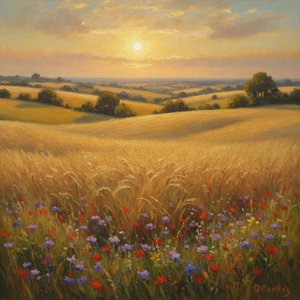
Golden Fields & Sun-Drenched Meadows: Capturing the Soul of Impressionist Landscapes
Immerse yourself in the luminous world of Impressionist landscapes. Discover how masters like Monet and Gauguin captured ephemeral light through plein air painting, and learn to bring the soul of sun-drenched meadows into your home with exquisite, hand-painted oil reproductions.

The Timeless Charm of Oil on Board: Reimagining Texture and Light through the Impressionist Lens
Discover the profound intimacy of oil on panel. Explore how Impressionist masters used rigid supports to capture light, texture, and impasto depth through exquisite, handmade oil reproductions for discerning collectors.

The Beauty of Impermanence: Capturing Decay through Impressionist Eyes
Explore the profound beauty of impermanence through Impressionist and Post-Impressionist eyes. Discover how masters like Monet and Van Gogh captured fleeting light and the poetic essence of nature's transitions in our deep dive into art history and emotional landscapes.