


 Zobraziť v interiéri
 Odoslať
 Zdieľať
 Podrobnosti
 Príručka

 Stiahnuť
 Podobné položky
 RTG skúška
 Prehliadanie diapo\]
 Štatistiky
Playing and Dancing Indians
 Oil On Canvas
- WallArt
- Post-Impressionism
 1960
1960- Modern
 59.0 x 69.0 cm
 Lithuanian Art Centre TARTLE
A vibrant Post-Impressionist celebration of indigenous joy, this colorful painting by Jonas Rimša captures the lively spirit of dancing Indians through a soulful lens, inviting you to bring this cultural masterpiece home.
 Prečítať si viac
Explore the vibrant art of Jonas Rimša, a Lithuanian-Bolivian master known for emotional depictions of indigenous culture, love, and nature. Discover his legacy.
Umelecké dielo zobrazené na tejto stránke je chránené autorským zákonom, čo znamená, že nemôžeme legálne vytvárať ani predávať jeho identickú reprodukciu. Táto ochrana je vymáhaná na základe medzinárodných dohôd, ako napríklad Bernská konvencia a národnými zákonmi, vrátane tých, ktoré sú stanovené v Autorské právo USA – Title 17. Všetky práva vyhradené.
Táto metóda plne dodržiava autorské práva, pretože nezahŕňa kopírovanie ani duplikovanie chráneného diela. Ide skôr o kreatívnu reinterpretáciu – nový obraz, ktorý je ovplybnený originálom, no nie je s ním identický.
Giclée / Umenotlač
Giclée tlač alebo plátno múzeálnej kvality s rýchlou výrobou a rôznymi možnosťami povrchovej úpravy. ( Objednať ručne maľovanú reprodukciu Prepnúť na digitálnu verziu obrazu)




P118B €10

P118H €10

P118W €10

P438Z €10

P508JH €12

P508YH €12

P805H €10

P805Z €10

P919BZ €10

P919G €10

P919XJ €10

P959ZH €10

P968JZ €12

W106C €8

W218G €10

W218JH €8

W218Y €10

W307PJ €10

W316G €10

W316PJ €8

W316Y €10

W398PJ €8

W4111J €10

W500HY €15

W500JH €15

W692G €12

W849H €8

W940BG €15

W953PJ €8




Štandardné rozmery
na mieru
CM
INCH
Vyberte si z našich preddefinovaných rozmerov, ktoré zodpovedajú pôvodným pomeroḿ diela.
Loading sizes...

šírka
výška
Zadajte šírku a výšku, ktoré potrebujete, aby sa reprodukcia hodila k vášmu rámu alebo stene. Print možno len orezávať, nikdy však nemennú veľkosť zvětšiť oproti pôvodnému obrázku, preto pri inom formáte stráca časť obrazu. Pred samotným vytlačiacím procesom vám pošleme digitálny náhľad na schválenie. Obrázok zobrazený na tejto stránke nezobrazuje reálny rez — len digitálny náhľad ukazuje presný výsledok.
Celosvetová doprava () do 2 týždňov namiesto štandardných 4 až 5 týždňov. (26 október)

Bezplatná expresná doprava po celom svete

Vysokokvalitné lnianske plátno

Úplné poistenie prepravy

Záruka vrátenia colného poplatku

Záruka presného farebného zhodnutia

100-dená politika vrátenia tovaru (iba pri vadách)

100% záruka vrátenia peňazí

Ponuka množstevnej zľavy
 Možnosť skla je dostupná len pri rozmeroch pod 110 cm

Playing and Dancing Indians
Giclée / Umenotlač
Veľkosť reprodukcie
-


Celková cena
€ 61
The beginning of J. Rimša’s career was related to his studies of Indian life: their past, traditions, customs and nature. He travelled to Argentina, Bolivia and Peru, and painted more than 1,000 pictures, although the whereabouts of most of them are unknown. He began his career under the influence of the Spanish school of painting, while his creative individuality matured under the influence of French painting, mostly Post-Impressionist. He finally felt a spiritual affinity with Gauguin, who also sought out the charm of primitive cultures, but in Tahiti. Living far away from Lithuania, Rimša took a similar path in his work: from traditional realism, which occurred in Latin America under the influence of Spanish painting, to Post-Impressionism and Symbolism. Text author Nijolė Tumėnienė.
Otázky a odpovede
Kto vytvoril „Playing and Dancing Indians“ a v ktorom roku?
Jonas Rimša vytvoril/a „Playing and Dancing Indians“ v roku 1960.
Kde môžem nájsť diela podobné ako „Playing and Dancing Indians“ od Jonas Rimša?
Stránka Podobné diela diela „Playing and Dancing Indians“ od Jonas Rimša predstavuje súvisiace umelecké diela.
Existuje k dielu „Playing and Dancing Indians“ od Jonas Rimša informačný list pre študentov?
Pre dielo „Playing and Dancing Indians“ od Jonas Rimša je k dispozícii stránka Sprievodca: tlačiteľný informačný list o umedení, navrhnutý pre študentov a využitie v triedach.
Súvisiace diela


Biografia umelca
A Lithuanian Soul Rooted in Bolivian Landscape
Jonas Rimša, a name that resonates with the profound depth of the Lithuanian diaspora, was an artist whose life story reads like an epic odyssey of cultural discovery and artistic resilience. Born in 1903 in Svetasiai, Lithuania, his early years were shaped by the rich heritage of the Suvalkija region. Though he initially followed a path dictated by familial duty—graduating from a prestigious sewing school in Vienna—his heart remained tethered to the canvas. This internal tug-of-war between obligation and passion eventually gave way to an unyielding pursuit of aesthetic truth, leading him far from his Baltic roots toward the vibrant landscapes of South America and the tropical allure of the Pacific.
His artistic formation was a tapestry woven from the finest European traditions. Under the tutelage of masters such as Pius Weloński in Warsaw, Antonin Mercié at the École nationale supérieure des Beaux-Arts in Paris, and Konstanty Laszczka at the Cracow Academy of Fine Arts, Rimša absorbed the essence of Impressionism and Post-Impressionism. These formative years provided him with a sophisticated technical foundation, yet it was his later travels that would truly define his creative voice. As he moved through Argentina, Bolivia, and Peru, his style underwent a remarkable metamorphosis. He transitioned from the structured realism influenced by the Spanish school to a more expressive, symbolic language that sought to capture the very spirit of the indigenous peoples and their ancestral traditions.
The Spirit of the Andes and the Gauguinesque Vision
Rimša’s connection to Bolivia was not merely professional but deeply spiritual. In the city of Sucre, he became a pillar of the local art community, establishing schools that nurtured a new generation of talent known as “Rimša’s Group.” His devotion to the region went beyond the classroom; he was a tireless advocate for his students, often personally funding their journeys to Europe to refine their crafts. This commitment to cultural enrichment earned him the highest civilian distinction in Bolivia, the prestigious Cóndor de los Andes award, and the profound honor of being named an Honorary Citizen of Bolivia.
Thematically, Rimša’s work is a breathtaking exploration of life, tradition, and nature. He found a deep spiritual affinity with the works of Paul Gauguin, particularly in his pursuit of "primitive" beauty. Just as Gauguin sought paradise in Tahiti, Rimša traveled to the Pacific islands in 1966, seeking an earthly Eden. His paintings from this period, such as the evocative In a Garden, reflect a mastery of color and a fascination with graphic ornamentality. Whether depicting the rhythmic vitality of Aymara dancers or the lush, verdant stillness of a tropical garden, his oeuvre is characterized by:
- Vibrant Color Palettes: Using light and hue to evoke emotional resonance and atmospheric depth.
- Cultural Symbiosis: A seamless blending of European Post-Impressionist techniques with the indigenous motifs of Latin America.
- Symbolic Depth: Moving beyond mere representation to capture the soul, customs, and ancient rhythms of the civilizations he encountered.
A Lasting Legacy of Artistic Exchange
The significance of Jonas Rimša lies in his ability to act as a bridge between worlds. He was a painter who refused to be confined by geography or nationality. His life’s work—comprising nearly 1,000 paintings and dozens of solo exhibitions—stands as a testament to the power of the artist to transcend borders. Through his eyes, the traditions of the Andes were elevated through a European lens, creating a unique aesthetic that remains vital and moving today. He remains one of the most vivid figures of the Lithuanian diaspora, an artist whose brushstrokes captured the enduring heartbeat of the landscapes and cultures he called home.

Jonas Rimša
1903 - 1978 , Lithuania
Rýchle fakty
- Full Name: Jonas Rimša
- Nationality: Lithuanian
- Date Of Birth: 1903
- Date Of Death: 1978
- Place Of Birth: Svetasiai, Lithuania
- Notable Artworks: ['Tamure / Meilės šokis']
- Artistic Movement Or Style: Emotional expressionism
- Artists Who Influenced This Artist: ['Petras Rimša']
- Artists Or Movements Influenced By This Artist: ['Lithuanian diaspora art']
Súvisiace články

Capturing the Soul: The Ethereal Magic and Timeless Technique of Impressionist Portraiture
Discover the ethereal beauty of Impressionist portraiture. Explore how masters like Monet and Renoir captured light and soul through brushwork, and learn how to bring this timeless magic into your home with exquisite, hand-painted oil reproductions from TopImpressionists.com.

The Luminous Living Room: Curating Your Space with Timeless Impressionist Masterpieces
Transform your living room with the luminous beauty of Impressionist masterpieces. Discover museum-quality, hand-painted oil reproductions from Monet to Renoir, curated for the discerning collector seeking timeless elegance and soulful interior design.
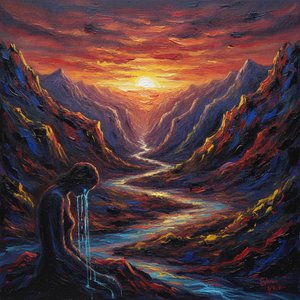
Capturing Emotion: A Journey Through the Soul of Expressionist Landscapes
Explore the profound emotional depth of Expressionist landscapes. Discover how Post-Impressionist masters moved beyond light to capture the soul through vibrant color and form. A curated journey for true art lovers seeking the beauty of expressive mastery.

Capturing the Drama: How Impressionist Light and Shadow Transform Your Living Space
Discover how the luminous light and dramatic shadows of Impressionist masterpieces can transform your home. Explore expert insights on using Renoir, Monet, and Cézanne to create a serene, culturally rich sanctuary through museum-quality, hand-painted oil reproductions.

Beyond the Light: Discovering the Soul and Emotional Depth of Post-Impressionism
Embark on a cultural journey through Post-Impressionism. Discover the profound emotional depth of masters like Van Gogh and Cézanne, exploring how they moved beyond light to capture the very soul of human experience through vibrant color and symbolic form.